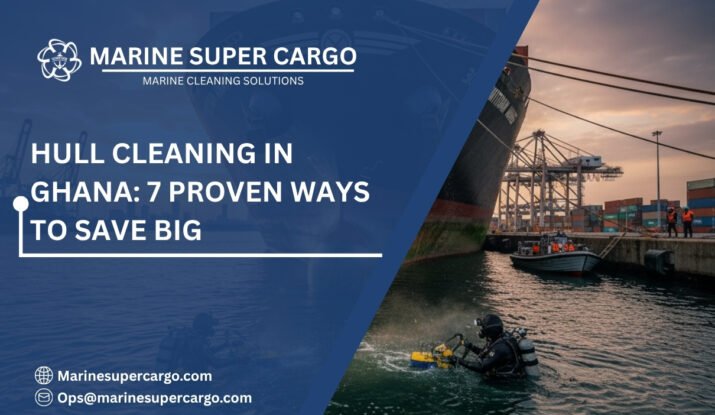
Hull Cleaning in Ghana
Picture your vessel slicing through Ghana’s coastal waters with effortless grace—no drag, no resistance, just pure efficiency. This dream becomes reality with professional hull cleaning in Ghana. Over time, marine organisms like barnacles and algae accumulate on ship hulls, creating underwater resistance that forces engines to work harder and burn more fuel.
In Ghana’s warm Atlantic waters, this biofouling happens particularly fast, making regular hull maintenance essential for any serious maritime operation. Professional cleaning services don’t just remove unwanted growth—they restore your vessel’s performance, reduce environmental impact, and keep you compliant with international maritime standards.
Why Hull Cleaning in Ghana Is Essential
Every day your ship operates with a fouled hull, you’re essentially throwing money overboard. Marine growth acts like underwater sandpaper, creating drag that can increase fuel consumption by 10-25% depending on severity. Hull cleaning in Ghana addresses this challenge directly, especially crucial given the region’s tropical conditions that accelerate biofouling.
Regular cleaning maintains optimal hydrodynamic performance, ensuring vessels can meet tight schedules without burning excess fuel. Beyond economics, clean hulls support environmental goals by reducing emissions and preventing the transfer of invasive species between ports. For shipowners operating in Ghana’s busy maritime corridors, hull cleaning isn’t optional—it’s fundamental to sustainable operations.
Environmental Impact and Regulatory Compliance
Modern shipping faces increasing scrutiny over its environmental footprint. Hull cleaning in Ghana helps vessels meet stringent requirements set by IMO and the MARPOL Convention. Clean hulls consume less fuel, directly reducing greenhouse gas emissions and supporting global decarbonization efforts. Professional cleaning also prevents the spread of invasive marine species, protecting Ghana’s coastal ecosystems from biological contamination.
Certified service providers follow strict protocols for waste collection and disposal, ensuring removed fouling materials don’t harm local marine environments. This comprehensive approach to environmental responsibility not only ensures regulatory compliance but also enhances your company’s reputation as a responsible maritime operator.
Professional Cleaning Techniques and Methods
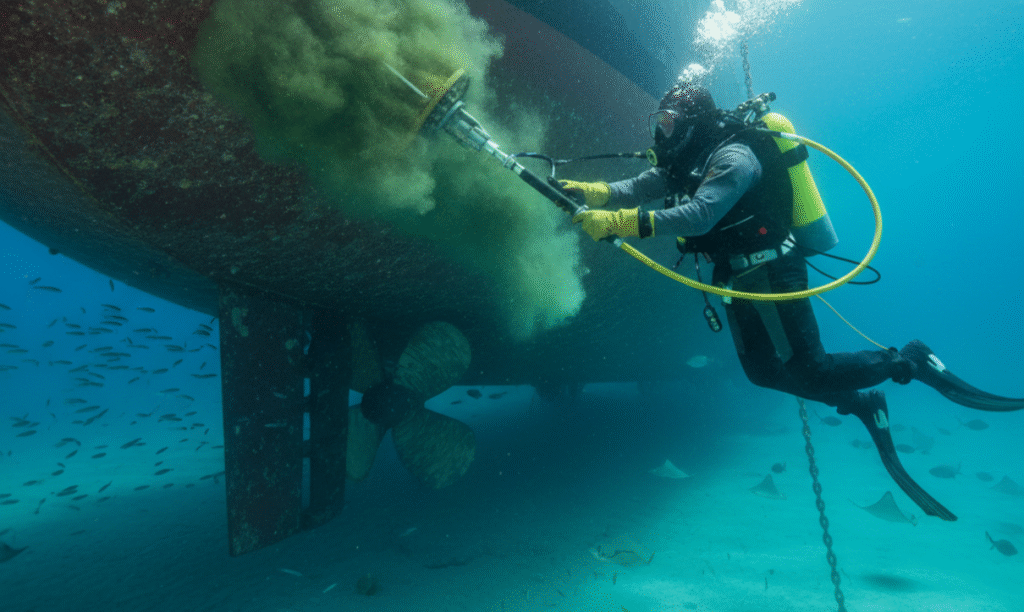
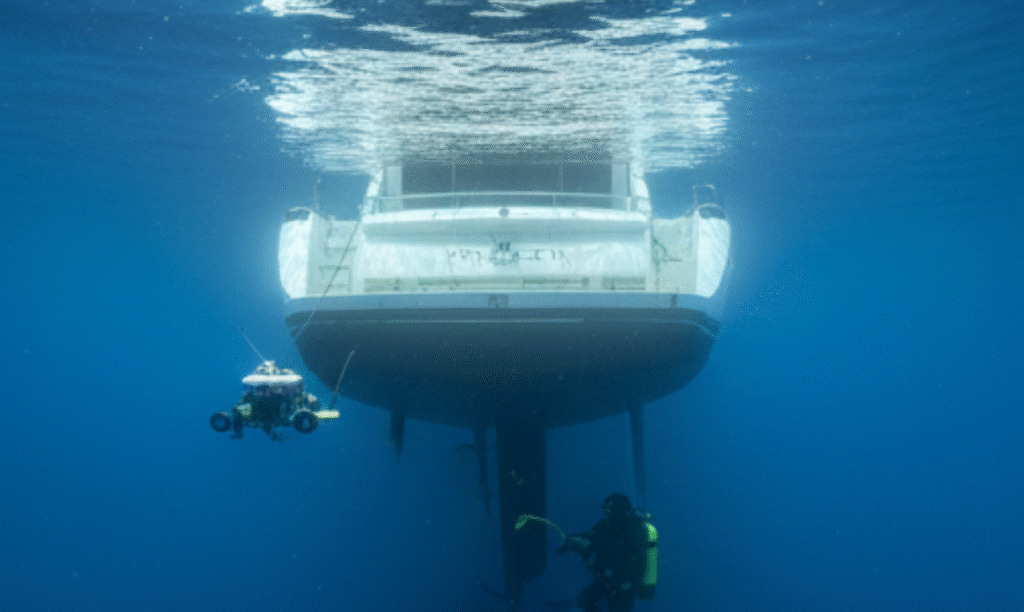
Modern hull cleaning in Ghana employs various sophisticated techniques tailored to specific fouling conditions and vessel requirements. Trained divers use hydraulic cleaning systems and rotating brushes to remove stubborn barnacles and marine growth. Cavitation cleaning technology utilizes high-pressure water jets with microscopic bubbles to gently lift fouling without damaging protective coatings.
For complex operations, robotic cleaning systems equipped with cameras and sensors provide precision cleaning while reducing human risk exposure. The method selection depends on fouling severity, hull condition, coating type, and operational timeline. Professional teams assess each vessel individually, ensuring the most effective and safe approach for optimal results. Read more about Underwater ship hull cleaning in Ghana.
Cost Benefits and Return on Investment
The financial advantages of regular hull cleaning in Ghana extend far beyond immediate fuel savings. Clean hulls can improve fuel efficiency by 5-15%, translating to thousands of dollars saved per voyage for larger vessels. Preventive cleaning also extends the lifespan of expensive anti-fouling coatings and reduces the frequency of costly dry-docking procedures.
Insurance companies often offer premium reductions for well-maintained vessels, adding another layer of financial benefit. Data-driven maintenance platforms like CleanShip.co help operators track performance improvements and calculate precise return on investment, making it easier to justify cleaning schedules and budget allocations for fleet managers.
Safety Standards and Best Practices
Safety remains paramount in all hull cleaning operations in Ghana. Professional service providers adhere to strict international standards established by IMCA, ensuring diver safety and operational excellence. Comprehensive safety protocols include thorough equipment inspections, continuous air supply monitoring, emergency response procedures, and real-time communication between divers and surface support teams.
All cleaning operations include detailed risk assessments and environmental impact evaluations. Certified teams undergo regular training updates to stay current with evolving safety requirements and technological advances. This commitment to safety protects both personnel and vessels while ensuring consistent, high-quality cleaning results.
Selecting Reliable Service Providers
Choosing the right partner for hull cleaning in Ghana requires careful evaluation of credentials, experience, and service quality. Look for providers certified by recognized maritime organizations such as IAPH and IMCA. Reputable companies provide transparent pricing, detailed service reports, and comprehensive documentation of cleaning procedures. They should demonstrate knowledge of local regulations and international compliance requirements.
Experienced providers offer value-added services like hull condition assessments, coating evaluations, and maintenance recommendations. The best partners combine technical expertise with environmental responsibility, ensuring your vessel receives professional care while meeting all regulatory obligations.
Marine Supercargo Expands Services: Drug & Alcohol Testing for Safer Seas
Marine Supercargo, a globally recognized leader in marine cleaning and maintenance solutions, has expanded its service portfolio to include comprehensive drug & alcohol testing programs. This strategic addition addresses the maritime industry’s growing focus on crew safety and regulatory compliance. Professional testing services help ship owners, operators, and managers maintain safe working environments while meeting international maritime safety standards established by IMO and other regulatory bodies.
The program reduces operational risks, prevents accidents, and ensures crews remain fit for duty throughout their assignments. By integrating safety testing with hull cleaning in Ghana, Marine Supercargo provides holistic vessel management solutions that prioritize both equipment performance and human safety factors for enhanced operational reliability. Also read about Underwater Hull Cleaning in Sekondi.
Technology Innovations and Future Trends
Remarkable technological advances are actively shaping the future of hull cleaning in Ghana. Artificial intelligence and machine learning algorithms now predict fouling patterns based on vessel routes, water temperatures, and seasonal variations. Autonomous underwater vehicles equipped with advanced sensors can perform detailed hull inspections and cleaning operations with minimal human intervention.
Eco-friendly cleaning agents and biodegradable anti-fouling coatings are becoming industry standards, reducing environmental impact while maintaining effectiveness. Real-time monitoring systems track hull condition and performance metrics, enabling predictive maintenance schedules that optimize cleaning intervals. These innovations are transforming hull maintenance from reactive service to a proactive fleet management strategy.
“Marine cleaning, anytime. Anywhere. 🌊 #GlobalMarine”#shipping #maritime #ship #cruises #sealife #port #shipping #marine #captain #vessel #ships #cargo pic.twitter.com/GgKTqEMETK
— Marine Super Cargo (@Marinsupercargo) October 4, 2025
Training and Workforce Development
Effective hull cleaning in Ghana depends on skilled professionals who understand both traditional techniques and modern technologies. Dive technicians undergo comprehensive training in underwater operations, safety protocols, and equipment maintenance. Certification programs ensure workers meet international standards for commercial diving and marine maintenance.
Ongoing education keeps teams current with emerging technologies like robotic systems and advanced inspection tools. Surface support personnel receive training in equipment operation, emergency response, and environmental compliance. Ghana’s maritime service industry continues investing in workforce development through partnerships with technical institutes and international training organizations, ensuring consistent service quality and safety standards. Also read about underwater ship hull cleaning in Takoradi.
Documentation and Quality Assurance
Professional hull cleaning in Ghana includes comprehensive documentation and quality control measures throughout the entire process. Pre-cleaning inspections establish baseline conditions and identify specific fouling challenges. Detailed cleaning reports document procedures used, time spent, and materials removed. Post-cleaning evaluations include photographic evidence and performance assessments.
This documentation serves multiple purposes: regulatory compliance, insurance requirements, and maintenance planning. Quality assurance protocols ensure cleaning meets specified standards while protecting hull integrity and coating systems. Transparent reporting builds trust between service providers and ship operators while providing valuable data for optimizing future maintenance schedules.
Conclusion
Hull cleaning in Ghana represents a critical investment in operational efficiency, environmental responsibility, and regulatory compliance. Regular maintenance reduces fuel consumption, extends equipment life, and prevents costly repairs through early problem detection. The integration of advanced technologies with traditional expertise ensures safe, effective, and environmentally conscious cleaning services.
By partnering with established providers like CleanShip.co, ship operators can access comprehensive solutions that optimize vessel performance while meeting international standards. Clean hulls are the foundation of efficient maritime operations—invest in professional maintenance to keep your fleet running smoothly and sustainably.
FAQs:
Q1. How does hull cleaning reduce operational costs?
Clean hulls reduce drag and fuel consumption by 5-15%, while extending coating life and reducing dry-docking frequency, saving thousands per vessel annually.
Q2. What safety measures are implemented during cleaning operations?
Professional teams follow IMCA standards, including continuous air supply monitoring, emergency procedures, risk assessments, and certified diver supervision for all operations.
Q3. Why is Drug & Alcohol Testing important for maritime safety?
Testing ensures crew fitness for duty, reduces accident risks, maintains regulatory compliance, and creates safer working environments aboard vessels.
Q4. How often should vessels undergo hull cleaning in Ghana?
Most ships require cleaning every 6-12 months, depending on operational patterns, fouling rates, and environmental conditions, to maintain optimal performance.
Q5. What environmental benefits does professional hull cleaning provide?
Clean hulls reduce fuel consumption and emissions, prevent invasive species transfer, and support marine ecosystem protection through proper waste disposal practices.