
Ship Hull Cleaning in Cape Town
Cape Town, perched along the windswept southern tip of Africa, is renowned for its magnificent ports and vibrant marine industry. But beneath the beauty and commerce, all ships share a hidden foe—biofouling. From barnacles to seaweed, marine growth attaches itself relentlessly, gnawing away at efficiency, compliance, and profits.
Ship hull cleaning in Cape Town is the modern mariner’s answer. Imagine your vessel as a sprinter: drag from hull fouling is like running with heavy boots. Regular hull cleaning keeps ships agile, compliant, and profitable—helping your business and our port community thrive.
What Is Ship Hull Cleaning and Why Is It Critical?
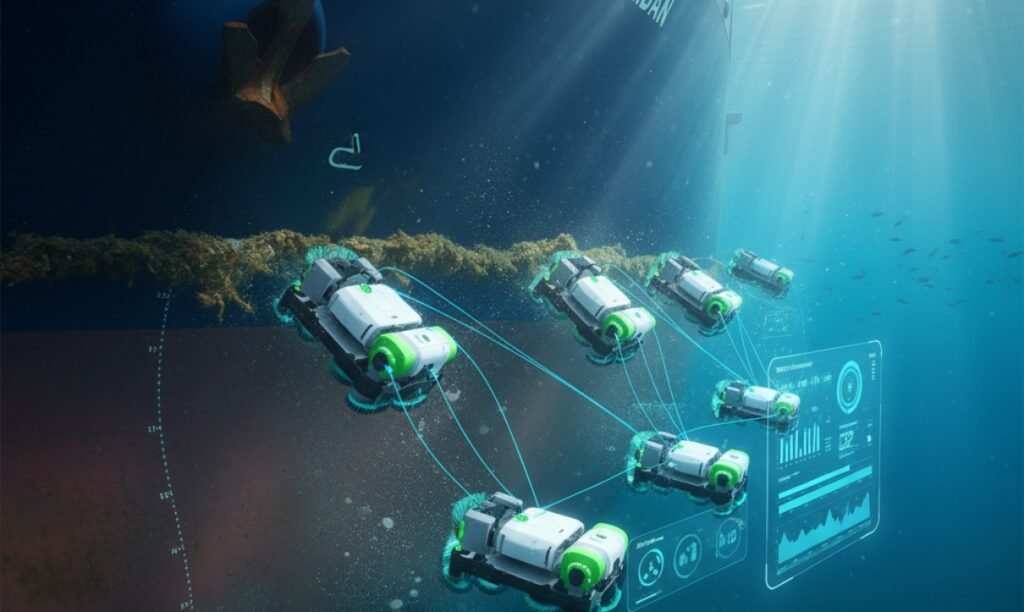
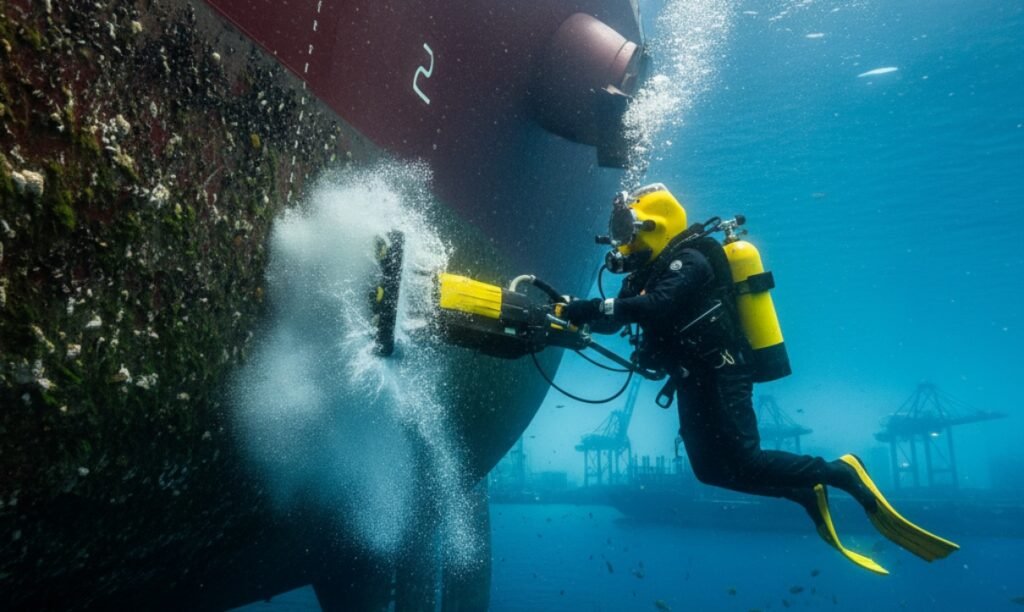
Ship hull cleaning in Cape Town involves specially trained divers or robotic machines removing marine growth from underwater hull surfaces. The procedure is performed without dry-docking, so ships remain in service with minimal disruption. Advanced tools are used to protect hull coatings, avoid pollution, and ensure full compliance with IMO and MARPOL Convention rules. This essential maintenance turns invisible drag into visible savings and efficiency for fleets of all sizes.
Tackling the True Cost of Biofouling
Barnacles, tubeworms, and microalgae do more than stick—they slow vessels, hike engine strain, and spike emissions. The longer a ship goes without cleaning, the greater the costs. Some studies show up to 40% increases in fuel consumption due to extreme fouling. With proactive ship hull cleaning in Cape Town, operators stop these hidden costs from spiraling, keep schedules sharp, and maintain environmental credibility at home and on global routes.
Fuel Efficiency and Speed Optimization
Nothing feels better than a clean hull slicing through Table Bay’s waters. Post-cleaning, ships save on fuel—often seeing double-digit percent improvements—and gain smoother navigation with less engine effort. For cargo ships and coastal ferries alike, regular ship hull cleaning in Cape Town means sticking to fast schedules, trimming transit times, and enjoying better voyage predictability, even when the notorious Cape Doctor winds are blowing. Read more about Underwater Hull Cleaning in Freetown.
Supporting Green Compliance and Local Ecosystems
Cape Town’s marine operators care about compliance and marine life. Technicians use filtered water, debris-collection gear, and soft cleaning heads to ensure eco-friendly hull cleaning. All procedures align with IMCA, IMO, and global sustainability mandates. Clean hulls prevent invasive species release, protect kelp beds, and keep Cape Town’s bay healthy for future generations.
✅ 4 Things to Check for Safety at Sea pic.twitter.com/dAxhJQ2i6U
— Marine Super Cargo (@Marinsupercargo) September 14, 2025
Inspection-Ready Documentation and Reporting
Port authorities, companies, and insurance providers require thorough documentation. Every round of ship hull cleaning in Cape Town comes with inspection photos, video verification, and cleaning certificates. This audit trail passes muster in local and international ports, speeds up clearances, and helps resolve any regulatory or insurance questions with proof on hand—reducing risk for everyone in the value chain. Learn more about Underwater Ship hull cleaning in Elizabeth.
Reducing Downtime and Emergency Repairs
Dry-docking takes time, money, and planning. With underwater ship hull cleaning in Cape Town, vessels stay in the water and out of the mechanic’s bay. Routine cleaning also preserves protective coatings and reduces the likelihood of emergency haul-outs or hull repairs, keeping your fleet running on all cylinders—even through Cape Town’s peak shipping seasons. Read more about Underwater Ship hull cleaning in East London
Prioritizing Safety for Workers and Vessels
Safety drives every hull cleaning assignment. Divers use certified gear and operate under best-practice safety protocols. Many Cape Town providers now deploy remotely operated cleaning vehicles in hazardous or high-traffic areas, minimizing risk for human teams. Non-abrasive cleaning heads protect vessel coatings and hull structures, ensuring mechanical safety is always in the spotlight.
Marine Supercargo Expands Services: Drug & Alcohol Testing for Safer Seas
Marine Supercargo—respected for their marine cleaning prowess globally—now offers Drug & Alcohol Testing services for Cape Town’s maritime sector. Recognizing that crew performance is vital, this new service helps ship owners, operators, and managers stay compliant with IMO and IMCA standards. By integrating hull cleaning with crew testing, Marine Supercargo doubles down on safety and compliance, helping clients secure reliable operations in busy Cape Town waters. This approach establishes both technical and human reliability as the twin anchors of modern fleet management. Learn more about Underwater Ship hull cleaning in Durban
Technology Advancements and Marine Innovation
Cape Town leads with innovation. Providers use AI-aided scheduling, data-driven inspection logs, and state-of-the-art robotic scrubbers. This technology-driven model lets operators plan cleaning based on hull condition, environmental factors, and voyage type. Predictive tools and digital records enable true preventive maintenance—turning compliance into a business advantage.
The Future: Smart, Sustainable Marine Maintenance
The next wave of ship hull cleaning in Cape Town blends data analytics, crew health integration, and automated reporting. Expect seamless compliance updates, eco-certification, and live reporting to authorities from the port or the open sea. The port community will see even cleaner, safer, and more efficient traffic as these trends mature—raising Cape Town’s global status as a maritime innovator. Also read about Underwater Ship hull cleaning in Cape Town
Conclusion
Ship hull cleaning in Cape Town safeguards performance, lowers costs, and aligns fleets with world-class safety and environmental standards. Regular cleaning reduces drag and maintenance expenses, while integrating crew drug and alcohol testing amplifies operational safety. Secure your fleet’s future by partnering with CleanShip.co for advanced marine care that’s ahead of the curve.
FAQs:
Q1. Why is ship hull cleaning necessary in Cape Town?
It maintains speed, lowers fuel use, and keeps vessels compliant with port and international marine standards.
Q2. How does biofouling affect ships and budgets?
It increases drag, fuel needs, and engine wear—raising shipping costs for every trip.
Q3. How does the cleaning process support safety and marine life?
Safe cleaning gear and debris capture protect both workers and the unique biodiversity of Cape Town’s bay.
Q4. What makes combining crew testing with cleaning effective?
Both strategies maximize ship reliability—clean hulls for smooth voyages, alert crews for safer operations.
Q5. What are future innovations in hull cleaning?
AI scheduling, digital compliance, and eco-friendly tech will redefine how Cape Town manages sustainable marine assets.