
How Vessel Drug Testing Programs Improve Crew Discipline
Every successful voyage begins with a disciplined crew. Yet even the most experienced sailors can falter under the influence of drugs or alcohol, leading to mistakes that risk lives and cargo. Vessel Drug Testing Programs are designed to prevent such incidents by promoting responsibility, awareness, and accountability across the maritime workforce.
They don’t just test for substances—they symbolize trust, integrity, and operational excellence. In this article, we’ll explore how structured testing strengthens regulation compliance, enhances safety culture, and instills lasting discipline among seafarers navigating global waters. Let’s understand the real impact behind this safety-driven practice.
Why Discipline Matters in Maritime Work
Onboard a vessel, discipline isn’t just a virtue—it’s survival. Maritime operations rely on instant communication, teamwork, and trust at all levels. When substance use interferes, judgment weakens, and delay becomes danger. Vessel Drug Testing Programs provide a framework that discourages impaired duty and ensures each crew member performs reliably.
Discipline improves focus and professionalism, promoting mutual respect between officers and operators. Through active enforcement, testing reinforces chain-of-command respect and adherence to international safety norms. Ultimately, discipline built through preventive screening saves lives, machinery, and reputations, creating a strong foundation for maritime excellence and operational reliability.
Understanding Vessel Drug Testing Programs
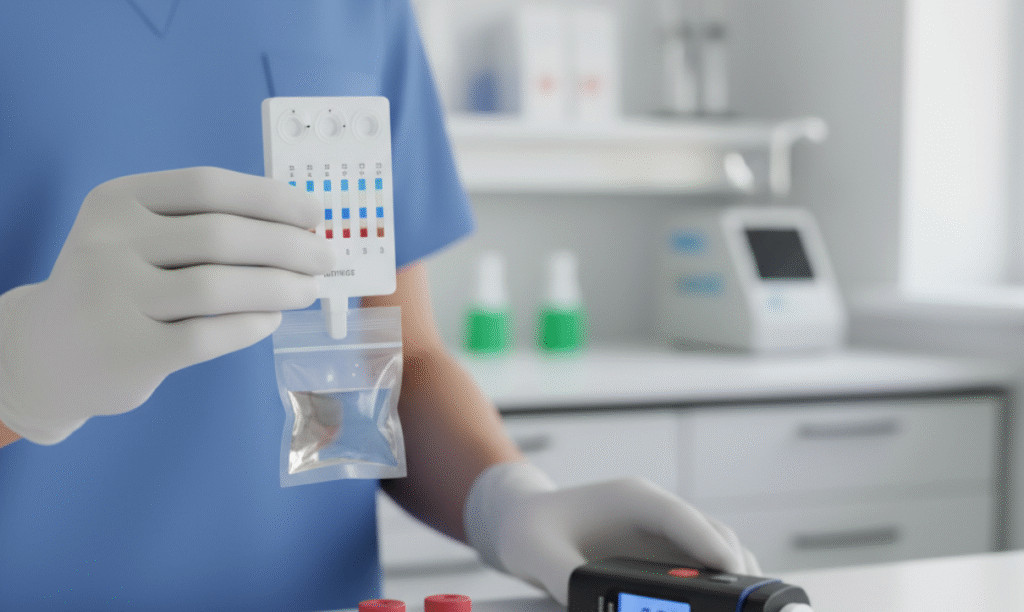
Vessel Drug Testing Programs encompass procedures designed to identify substance misuse through routine and random checks. Supported by global authorities such as IMO and IMCA, these programs follow strict ethical and scientific guidelines. Pre-employment, post-incident, and reasonable-suspicion tests ensure continuous vigilance.
Each process adheres to a documented chain-of-custody to protect authenticity and confidentiality. Testing helps build a reliable data trail for internal audits and regulatory inspections under the MARPOL Convention. Understanding how these programs operate empowers crew and management alike, uniting everyone under a shared commitment to operational safety and maritime discipline.
The Direct Link Between Testing and Discipline
Drug testing serves as both a deterrent and an educator. When seafarers know Vessel Drug Testing Programs are active, they become more cautious and responsible in their behavior. Regular testing demonstrates that leadership values safety above shortcuts, encouraging ethical conduct. This consistent enforcement fosters transparency and accountability, two pillars of disciplined teamwork.
A well-informed crew understands substance misuse threatens collective welfare, not just individual performance. Over time, this realization translates into mutual respect, punctuality, and reliability. Discipline born from awareness creates smoother procedures, improved morale, and fewer violations, guiding vessels toward safer, incident-free global operations. Also read about Offshore Crew Testing: 7 Best Practices for Safer Seas.
Role of Prevention in Performance Improvement
Vessel Drug Testing Programs do more than enforce compliance—they drive performance through prevention. By identifying risks early, they safeguard focus, accuracy, and emotional stability. Preventive testing reduces absenteeism, improves task precision, and enhances communication during critical moments like docking or cargo handling.
Support mechanisms such as health talks and confidential counseling complement enforcement with care. Crew members sense the organization values their well-being, not just regulatory conformity. A disciplined team performs under pressure without hesitation. Prevention nurtures both safety and confidence, reinforcing the maritime truth: a focused mind is the ship’s strongest compass.
“Marine cleaning, anytime. Anywhere. 🌊 #GlobalMarine”#shipping #maritime #ship #cruises #sealife #port #shipping #marine #captain #vessel #ships #cargo pic.twitter.com/GgKTqEMETK
— Marine Super Cargo (@Marinsupercargo) October 4, 2025
Crew Awareness and Psychological Impact
Understanding the reason behind testing transforms the program’s impact. Vessel Drug Testing Programs succeed only when crew see them as support, not suspicion. Communication plays a vital role in erasing stigma surrounding testing. Management should frequently explain how screenings protect every crew member from unnecessary risk.
Psychologically, routine testing fosters a sense of shared responsibility. It demonstrates equality—no one is exempt from the standard. Awareness also curbs peer pressure that could lead to unsafe habits. By reframing testing as collective safety assurance, organizations create discipline rooted in understanding rather than fear or enforcement. Also, know about Crew Alcohol Testing: 7 Vital Insights for Safer Seas.
Compliance and International Maritime Standards
Global navigation requires adherence to standardized codes governing crew sobriety and performance. Vessel Drug Testing Programs help companies comply with requirements from the IMO and IMCA while aligning with safety and pollution-prevention regulations under the MARPOL Convention. Port State Control inspections often review testing logs to confirm compliance integrity.
Non-compliance can result in penalties, vessel detention, or legal consequences. Uniform enforcement builds international credibility for shipowners and operators. Compliance serves as proof that every crew member upholds marine tradition and modern ethics simultaneously, where maritime discipline becomes both a moral and a professional anchor.
Marine Supercargo Expands Services: Drug & Alcohol Testing for Safer Seas
Marine Supercargo, a pioneer in maritime cleaning and environmental services, has recently enhanced its portfolio to include professional Drug & Alcohol Testing for global fleets. This addition supports Vessel Drug Testing Programs by combining operational safety and compliance in one platform. Marine Supercargo’s team uses certified specialists and advanced methodologies to provide accurate, confidential results.
These tests help ship owners, operators, and crew maintain international regulatory compliance while minimizing safety risks. By integrating cleaning, auditing, and testing, Marine Supercargo strengthens safety culture aboard vessels worldwide—ensuring cleaner, safer, and more efficient marine operations for all stakeholders. Read more about 7 Powerful Reasons Corporate Drug Testing Works.
Economic and Environmental Value of Discipline
Discipline directly influences efficiency and sustainability. Vessels with well-implemented Vessel Drug Testing Programs report fewer incidents, reducing maintenance costs and insurance premiums. Sobriety ensures that machinery is handled properly, preventing fuel spills or hazardous waste discharge into the sea.
Environmentally responsible operations attract investors and meet green shipping initiatives under organizations like IAPH. Better discipline leads to reduced downtime, improved voyage scheduling, and enhanced brand reputation. The financial upside complements the environmental benefits, proving that consistent safety practices are not expenses—they are long-term investments in performance and preservation.
Technology’s Role in Future Maritime Testing
Modern technology has revolutionized Vessel Drug Testing Programs with precision and accessibility. Portable digital analyzers, biometric data collection, and blockchain-based recordkeeping systems now ensure transparency and integrity in every test. Soon, automated systems may detect impairment symptoms through physiological monitoring, preventing hazards before they escalate.
As AI evolves, algorithmic pattern analysis could predict risk behaviors for early intervention. Integrating these tools into everyday ship operations will redefine maritime discipline—transforming compliance from reactive enforcement into proactive prevention. Technology and human awareness together create a fortified shield of safety, steering fleets toward a future of sustainable discipline. Read more about 5 Crucial Reasons Drug & Alcohol Testing Matters.
Overcoming Resistance and Building Trust
Resistance to testing usually stems from fear of bias or privacy concerns. Transparent communication and impartial procedures are essential in overcoming these challenges. Vessel Drug Testing Programs thrive when leadership models honesty and empathy. Involving crew representatives in policy creation can enhance acceptance and trust.
Providing rehabilitation options demonstrates compassion without compromising accountability. Discipline grows naturally in an environment where fairness replaces fear. With careful implementation and dialogue, testing transforms from a rule into a respected norm—an understood symbol of dedication to crew welfare and maritime professionalism across all waters. Also read about 7 Vital Reasons Alcohol Testing Saves Shipping Companies.
Conclusion
Vessel Drug Testing Programs are central to cultivating discipline, enhancing safety, and ensuring maritime compliance. Three key takeaways stand out: first, consistent testing enforces responsibility; second, communication turns enforcement into cooperation; third, technology will advance safety even further. Testing builds cultures where discipline and respect drive performance.
Prioritize preventive programs that protect crews and ecosystems alike. Strengthen your fleet’s operational integrity with professional solutions and sustainable practices—visit CleanShip.co to explore services that ensure your vessels stay disciplined, compliant, and capable across all global routes.
FAQs:
Q1. Why are Vessel Drug Testing Programs essential?
They ensure sober, attentive crews capable of handling their duties safely and efficiently, reducing workplace accidents and operational disruptions.
Q2. How often should drug tests be conducted on board?
Tests are generally carried out before employment, randomly during voyages, or after incidents, maintaining constant vigilance and operational discipline.
Q3. What methods are used in vessel drug testing?
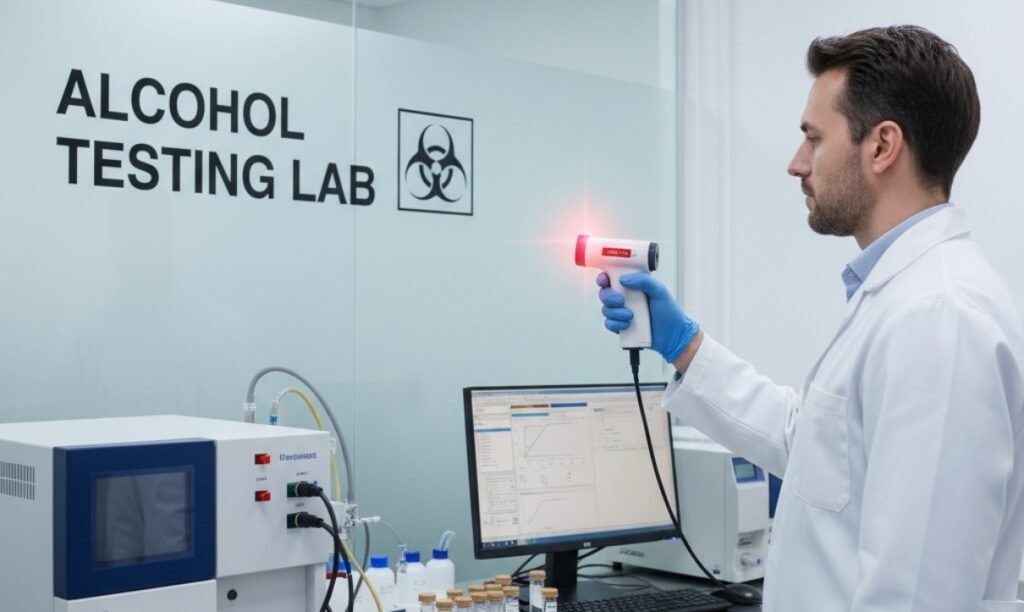
Testing involves verified breath, urine, or saliva analysis using certified instruments that meet IMO and IMCA calibration standards.
Q4. How do testing programs support environmental protection?
By preventing careless behavior and accidents, they reduce oil spills, fuel waste, and pollution, supporting eco-friendly and responsible shipping.
Q5. What’s the future of maritime drug testing?
The integration of AI, biometric tools, and blockchain recordkeeping will strengthen reliability, transparency, and real-time compliance monitoring in seafaring operations.