
Underwater Ship Hull Cleaning in Skikda: The Complete Guide
Underwater ship hull cleaning in Skikda has become essential for ship owners and operators navigating Algeria’s bustling port. Skikda’s port is a lifeline for oil exports and commercial trade, demanding efficient and well-maintained vessels. A fouled hull increases drag, consumes more fuel, and risks non-compliance with international standards.
Regular hull cleaning not only restores vessel speed but also reduces operational costs and environmental harm. In this comprehensive guide, we’ll explore how underwater cleaning works, its benefits, and future innovations shaping the maritime industry. You’ll also learn how proper testing ensures safety and compliance at sea.
Understanding the Importance of Hull Maintenance
Every ship sailing into Skikda’s harbor faces the same challenge: biofouling. Marine organisms such as barnacles, algae, and mussels cling to the vessel’s hull, forming layers that slow movement and increase fuel consumption. The process of underwater ship hull cleaning in Skikda removes these stubborn growths, restoring the ship’s hydrodynamic performance.
Without maintenance, vessels can consume up to 30% more fuel, adding unnecessary costs and emissions. Proper maintenance also helps prevent corrosion, extend paint lifespan, and improve safety. For operators, it’s not just about aesthetics but efficiency, compliance, and environmental responsibility.
How Underwater Ship Hull Cleaning in Skikda Works
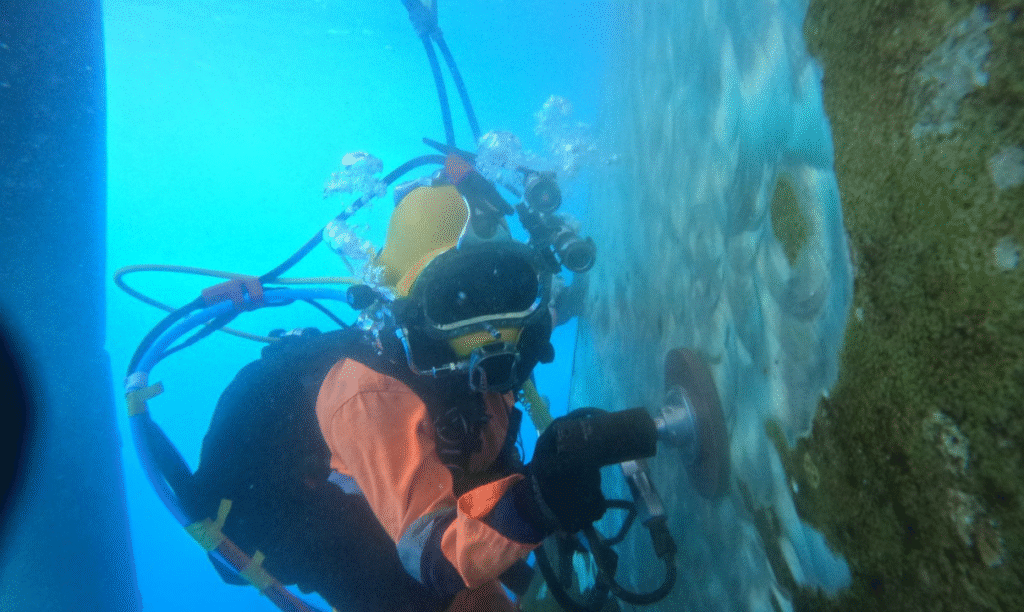
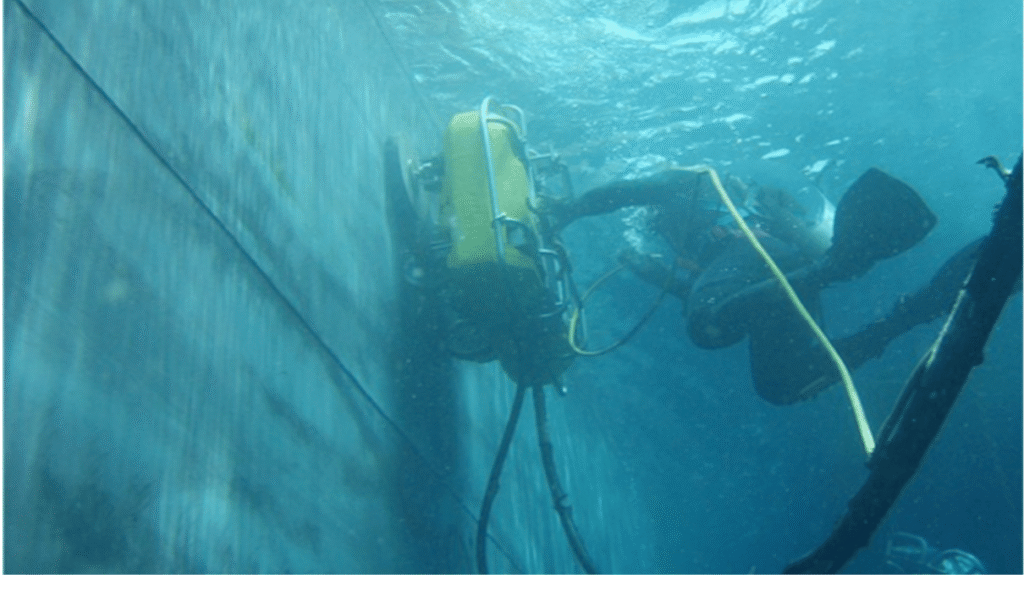
Underwater ship hull cleaning in Skikda involves divers or remotely operated vehicles (ROVs) equipped with specialized cleaning tools. These tools use high-pressure water jets or rotating brushes to remove marine growth. Cleaning is done while the ship remains afloat, saving valuable dock time.
Divers follow international safety and environmental standards set by organizations like the International Maritime Organization IMCA. The removed biofouling is carefully collected to prevent contamination. This process restores the hull’s smooth surface, reducing drag and boosting efficiency. Each operation is tailored to the vessel’s type, size, and coating system.
Environmental Benefits of Hull Cleaning Operations
Underwater ship hull cleaning in Skikda directly supports marine conservation and global sustainability goals. A clean hull lowers fuel consumption, which means fewer carbon emissions and less ocean pollution. It also prevents invasive species from being transported between ecosystems—a key environmental risk outlined in the MARPOL Convention.
Regular cleaning reduces the need for harmful chemicals and extends coating life, lowering waste. By investing in eco-friendly hull cleaning practices, ship operators help preserve marine biodiversity around Skikda’s coastlines. The result is cleaner water, healthier marine life, and a more sustainable maritime future for Algeria. Also read about ship hull cleaning in Algeria.
Economic and Fuel Efficiency Advantages
One of the greatest benefits of underwater ship hull cleaning in Skikda is cost savings. A fouled hull increases fuel consumption, sometimes by 20–40%. Over time, this can cost shipping companies millions in additional fuel expenses. Cleaning restores the vessel’s smooth surface, allowing it to glide through water effortlessly.
This improved hydrodynamics translates to lower energy use and faster travel. Furthermore, a clean hull reduces maintenance costs and prolongs the lifespan of antifouling coatings. With fuel prices constantly fluctuating, proactive hull cleaning offers predictable savings and stronger profit margins for ship owners and operators in Skikda. Also know about underwater ship hull cleaning in Lobito
Regulatory Compliance and Safety Standards
International maritime regulations make underwater ship hull cleaning in Skikda more than just a maintenance task—it’s a compliance requirement. Organizations like IMO and IAPH emphasize the importance of regular hull cleaning for safety and environmental protection. Non-compliance can result in hefty fines or operational delays.
Clean hulls also improve navigational safety, reducing risks of mechanical strain and overloading. Skikda’s port authorities encourage vessel operators to follow global cleaning standards to ensure marine sustainability. By partnering with certified cleaning providers, ship owners demonstrate commitment to responsible and compliant shipping practices aligned with global maritime laws. Know more about underwater ship hull cleaning in Oran.
Technological Advances in Underwater Hull Cleaning
The process of underwater ship hull cleaning in Skikda is rapidly evolving with technology. Robotic systems and AI-powered ROVs are replacing manual diving in many operations. These advanced machines can map hull conditions in real-time, identify fouling density, and perform precision cleaning without harming the coating.
Modern sensors also track data on water quality and fouling types. This innovation minimizes human risk and improves cleaning accuracy. Some companies are experimenting with magnetic crawlers and eco-friendly suction systems. As automation continues to grow, hull cleaning will become faster, safer, and more environmentally friendly for fleets operating in and around Skikda. Read more about underwater ship hull cleaning in Algeria.
Choosing the Right Hull Cleaning Provider in Skikda
Selecting a qualified service provider for underwater ship hull cleaning in Skikda requires careful evaluation. Look for companies with international certifications, experienced divers, and compliance with IMCA safety standards. Transparent documentation, post-cleaning inspection reports, and environmental responsibility should also be top priorities.
Leading service providers like CleanShip.co follow global best practices, ensuring efficient, compliant, and sustainable results. The right partner will provide preventive maintenance schedules, inspection imaging, and eco-friendly methods that protect both your ship and the sea. Ultimately, choosing expertise and experience ensures long-term savings, reliability, and peace of mind for every ship owner operating in Skikda.
Common Challenges in Hull Cleaning Operations
Despite its benefits, underwater ship hull cleaning in Skikda comes with operational challenges. Weather conditions, water visibility, and hull accessibility can affect cleaning quality. Overcleaning may damage protective coatings, while undercleaning leaves fouling behind.
Some older vessels lack surface protection, making cleaning more complex. Additionally, disposal of biofouling waste requires strict adherence to environmental regulations to prevent contamination. Certified providers overcome these hurdles using advanced imaging, planning tools, and skilled divers.
Continuous training and updated equipment ensure safe and effective cleaning even under tough marine conditions. Awareness and planning are crucial to maintaining consistent performance and compliance.
“Marine cleaning, anytime. Anywhere. 🌊 #GlobalMarine”#shipping #maritime #ship #cruises #sealife #port #shipping #marine #captain #vessel #ships #cargo pic.twitter.com/GgKTqEMETK
— Marine Super Cargo (@Marinsupercargo) October 4, 2025
Marine Supercargo Expands Services: Drug & Alcohol Testing for Safer Seas
Marine Supercargo, globally known for its maritime cleaning and inspection services, has expanded into professional drug & alcohol testing for marine personnel. This initiative complements operations like underwater ship hull cleaning in Skikda by addressing crew safety and compliance.
The service aims to help ship owners, operators, and managers uphold international standards set by the International Maritime Organization and IMCA. Regular testing promotes a safer work culture, reduces onboard risks, and supports legal compliance. By offering certified testing services, Marine Supercargo enhances its mission to promote safer, cleaner, and more efficient global shipping operations, ensuring reliable performance at sea.
The Future of Underwater Ship Hull Cleaning in Skikda
Looking ahead, underwater ship hull cleaning in Skikda is set to embrace greater automation and sustainability. Advanced robotics, AI-driven monitoring, and data analytics will revolutionize maintenance planning. Predictive maintenance will allow operators to schedule cleanings before performance drops. Moreover, eco-friendly antifouling coatings are being developed to resist marine growth naturally.
Collaborative research between port authorities, environmental agencies, and service providers will further refine cleaning standards. The goal is to make hull cleaning faster, safer, and greener. As Skikda’s port continues to expand, embracing innovation will help Algeria maintain its reputation as a forward-thinking maritime hub.
Conclusion
Underwater ship hull cleaning in Skikda is more than a technical procedure—it’s a commitment to efficiency, sustainability, and safety. Regular cleaning reduces fuel costs, supports environmental conservation, and ensures compliance with international regulations.
Partnering with experienced providers like CleanShip.co ensures reliable, eco-conscious, and compliant cleaning services. As maritime technology evolves, adopting proactive maintenance and testing solutions will help ship owners stay competitive, safe, and sustainable. The sea rewards those who care for it—clean ships, clear waters, and a thriving future await.
FAQs:
Q1. Why is regular hull cleaning important for ships?
Regular cleaning prevents biofouling buildup, improves fuel efficiency, and helps ships comply with international maritime laws, saving costs and protecting the environment.
Q2. How often should ships undergo hull cleaning?
The ideal frequency depends on operating waters, but most vessels benefit from cleaning every 3–6 months to maintain optimal performance and fuel efficiency.
Q3. What is the role of drug and alcohol testing in marine safety?
Testing ensures that crew members are fit for duty, reducing accident risks and ensuring compliance with international maritime safety standards.
Q4. How does hull cleaning affect environmental sustainability?
Underwater cleaning prevents invasive species transfer and reduces emissions by lowering fuel use, contributing to global marine conservation efforts.
Q5. Why choose certified providers for underwater hull cleaning?
Certified providers follow global safety and environmental standards, ensuring efficient, compliant, and eco-friendly operations for vessels in ports like Skikda.