Underwater Ship Hull Cleaning in Philadelphia: A Vital Maintenance Practice
Imagine your ship as a marathon runner, and the hull as their shoes. When these shoes are covered in mud and debris, the runner tires faster. Similarly, marine growth like barnacles and algae cling to your ship’s hull, making it less efficient and more costly to operate. Underwater ship hull cleaning in Philadelphia is the remedy that keeps your vessel swift and safe by removing this buildup without the need for dry-docking. You and we rely on this critical service to ensure compliance, safety, and cost savings rooted in expert maritime standards such as those from IMO and IMCA.
What is Underwater Ship Hull Cleaning in Philadelphia?
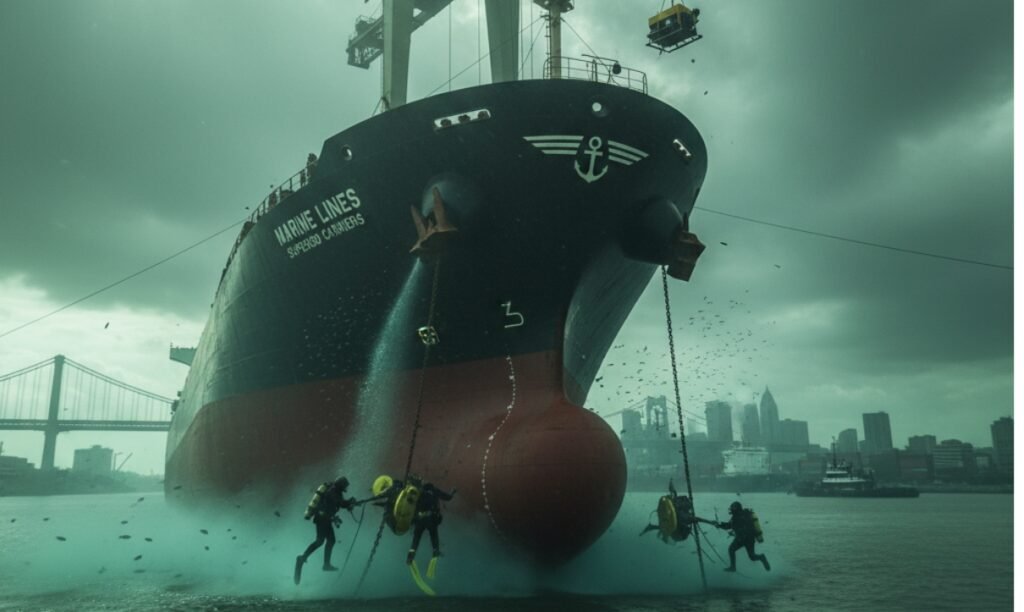
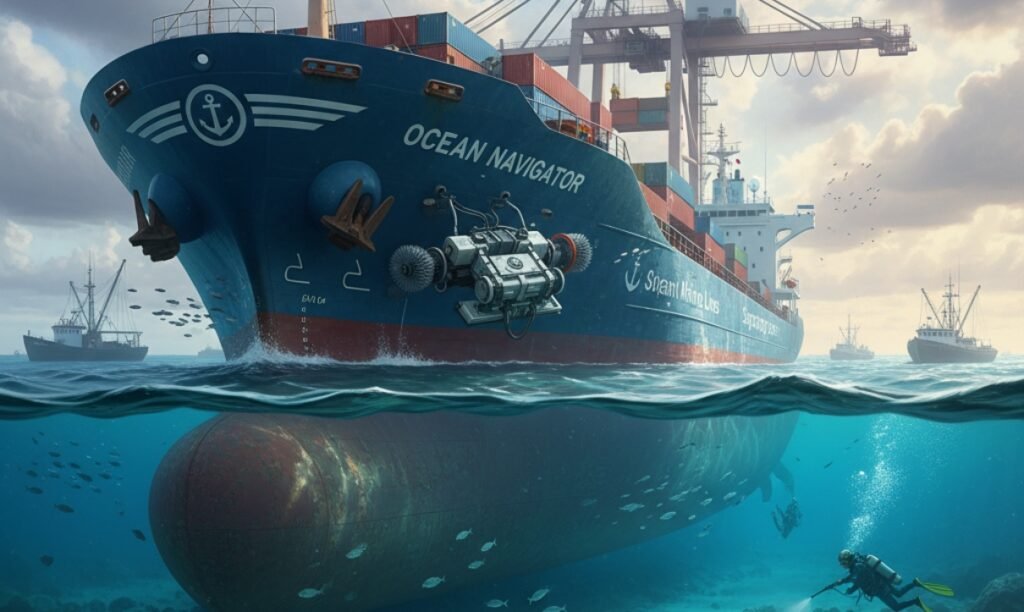
Underwater ship hull cleaning involves the removal of marine organisms and deposits from the submerged surfaces of a vessel while it remains afloat. Instead of docking, trained divers or robotic systems use specialized techniques—including high-pressure water jets, rotary brushes, and ultrasonic methods—to clean the hull. This process prevents drag, which otherwise makes engines work harder. Like scrubbing dirt off a bicycle tire before a race, regular cleaning optimizes vessel performance and fuel efficiency.
Regulatory Compliance: Navigating Maritime Standards
Compliance with regulations is non-negotiable. The International Maritime Organization (IMO), International Maritime Contractors Association (IMCA), MARPOL Convention, and IAPH World Ports guide cleaning practices to protect marine environments and ensure ship safety. Philadelphia vessels must follow these global standards to avoid hefty fines and protect local ecosystems. Certified cleaning providers adhere to these regulations, using eco-friendly technologies that reduce pollution while maintaining hull integrity.
Cost Savings Through Efficient Hull Maintenance
An unclean hull is like dragging extra weight through water, increasing fuel consumption by up to 40%. This surge in fuel use not only spikes costs but also accelerates engine wear. Regular underwater ship hull cleaning in Philadelphia reduces drag, which in turn cuts fuel expenses and increases the lifespan of antifouling coatings, delaying expensive dry-docking. For operators, it’s clear: investing in underwater cleaning means that you save significant money over time.
Enhancing Safety for Crew and Vessel
Cleaning is more than economics; it’s about safety. Marine growth can conceal damage such as cracks or corrosion, putting the vessel’s structure at risk. Thorough cleaning paired with inspections reveals these hidden problems early, preventing accidents and mechanical failures. Furthermore, a smooth hull promotes better vessel control in Philadelphia’s busy and sometimes challenging waterways, supporting safer navigation for your crew. Also read about 7 Powerful Benefits of Underwater Hull Cleaning in Boston.
Environmental Responsibility and Sustainable Practices
Environmental impact is a growing concern in maritime operations. Underwater ship hull cleaning in Philadelphia, when done responsibly, improves fuel efficiency and reduces emissions. Leading cleaning services use biodegradable cleaners and advanced filtration systems to contain removed biofouling and prevent invasive species from spreading. These measures align with MARPOL and local environmental protections, ensuring your ship’s operation supports a healthier ocean ecosystem.
Modern Technologies in Underwater Ship Hull Cleaning in Philadelphia
As technology evolves, so does hull cleaning. Robotic cleaners equipped with high-pressure jets and ultrasonic tools provide thorough cleaning without harming hull coatings or marine life. Some systems even collect debris rather than releasing it into the water, mitigating invasive species risks. These innovations enhance efficiency and safety for cleaning crews, making hull maintenance faster and more effective in Philadelphia’s maritime environment.
Timing and Frequency of Underwater Ship Hull Cleaning in Philadelphia
The frequency of hull cleaning depends on vessel type, port conditions, and environmental factors. Warmer, nutrient-rich waters like Philadelphia’s often require cleaning every 4 to 8 weeks to prevent excessive fouling. However, some vessels may need less frequent service based on usage patterns. Regular scheduled maintenance prevents heavy biofouling buildup that reduces efficiency and risks vessel integrity. Learn more about the Top 7 Benefits of Underwater Ship Hull Cleaning in Jersey
Maritime Documentation and Legal Requirements
Maintaining accurate documentation is essential for compliance with maritime law and flag state requirements. Detailed logs of hull condition and cleaning activities are crucial during vessel inspections and port state controls. Proper records demonstrate adherence to environmental and safety standards, which support legal operations and smooth port entries.
Analyzing Costs and Long-Term Value
While underwater ship hull cleaning in Philadelphia involves upfront costs, the return on investment is significant. Savings from reduced fuel consumption, fewer dry-dockings, and compliance-related penalties far outweigh the maintenance expenses. For shipowners and managers in Philadelphia, balancing these costs and benefits is key to operational efficiency and sustainability.
Emerging Trends: Digitalization in Maritime Documentation
The maritime industry is embracing digital tools like blockchain and cloud-based systems to track vessel maintenance and cleaning records. These technologies increase transparency, reduce paperwork errors, and streamline compliance checks. Future trends also include automated hull condition monitoring integrated with vessel management systems, offering real-time data to optimize cleaning schedules and regulatory reporting. Read more about Underwater Hull Cleaning in Ghana: 7 Proven Cost Benefits.
Marine Supercargo’s Global Maritime Services
Marine Supercargo provides global underwater hull, tank, and hold cleaning services alongside expert cargo supervision and compliance support. Recently, they introduced professional Drug & Alcohol Testing services aimed at enhancing crew safety and ensuring regulatory compliance. Their integrated approach embodies current maritime trends toward combined operational, safety, and environmental excellence.
“Marine cleaning, anytime. Anywhere. 🌊 #GlobalMarine”#shipping #maritime #ship #cruises #sealife #port #shipping #marine #captain #vessel #ships #cargo pic.twitter.com/GgKTqEMETK
— Marine Super Cargo (@Marinsupercargo) October 4, 2025
The Role of Drug & Alcohol Testing in Maritime Compliance
Drug & Alcohol Testing is crucial to maintaining crew fitness and preventing accidents caused by impairment. Marrying these services with hull cleaning operations exemplifies comprehensive safety management, amplifying the ship’s adherence to international regulations and fostering a responsible onboard culture. Also read about Crew Alcohol and Drug Testing: 7 Safety Essentials.
Environmental Laws Affecting Underwater Ship Hull Cleaning in Philadelphia
The MARPOL Convention dictates strict environmental safeguards during underwater ship hull cleaning in Philadelphia. Vessels must minimize hazardous discharge and control biofouling to prevent invasive species spread. Compliance with these regulations is critical for ships operating out of Philadelphia, ensuring both legal operation and ocean health preservation.
Selecting Certified Underwater Ship Hull Cleaning in Philadelphia Providers
Choosing certified cleaning providers is essential. Certifications from IMCA, IMO, and environmental authorities ensure the use of safe, effective, and eco-conscious cleaning methods. Vessels benefit from expert service that complies with stringent Philadelphia maritime standards, avoiding risks related to improper cleaning or regulatory breaches.
Conclusion
Underwater ship hull cleaning in Philadelphia is a key strategy for cost savings, regulatory compliance, safety, and environmental stewardship. Regular cleaning reduces fuel consumption dramatically, enhances vessel safety, and protects marine ecosystems. Embracing emerging technologies and maintaining thorough documentation paves the way for future maritime success. For expert support in compliance and ship care, trust CleanShip.co to keep your fleet efficient and law-abiding.
FAQs:
Q1. Why is flag documentation important for ship safety and compliance?
Flag documentation certifies a vessel’s compliance with international maritime laws, safety, and environmental regulations. It is necessary for port entry, inspections, and insurance, ensuring legal operations and protecting vessel integrity.
Q2. How is maritime documentation connected to maritime law?
Documentation provides legally binding proof of a ship’s adherence to safety, environmental, and operational standards. It is essential during audits, inspections, and in legal cases to maintain vessel certification and accountability.
Q3. What role does Drug & Alcohol Testing play in maritime operations?
It prevents impaired crew performance by mandatory testing programs, reducing accident risks and supporting compliance with international safety rules, thereby protecting the vessel and its crew.
Q4. What benefits does proper documentation offer for crew and vessel management?
Well-maintained documentation ensures operational transparency, facilitates efficient management, safety monitoring, and regulatory compliance, reducing risks and enhancing decision-making.
Q5. What are future trends in flag documentation, vessel inspection, and underwater ship hull cleaning in Philadelphia?
Advances include digital and blockchain documentation, real-time hull condition monitoring, automated reporting systems, and more eco-friendly, robotic cleaning technologies, enhancing efficiency and environmental protection.