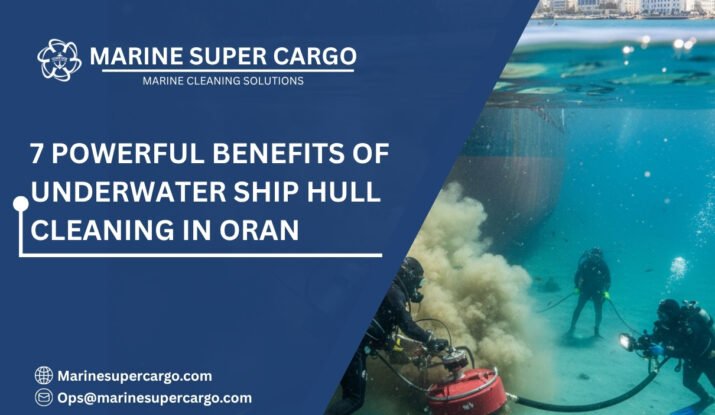
7 Powerful Benefits of Underwater Ship Hull Cleaning in Oran
Imagine your ship gliding smoothly across Oran’s harbor waters, saving fuel and operating at peak speed. Now picture that same vessel slowed down by thick layers of algae, barnacles, and marine growth. That’s what happens without proper maintenance. Underwater Ship Hull cleaning in Oran offers a simple yet powerful solution.
It’s more than just cleaning—it’s performance restoration, compliance assurance, and environmental protection rolled into one. In this article, we’ll explore what makes this process essential, how it works, its economic and environmental benefits, and why every ship operator in Oran should treat hull cleaning as a crucial part of vessel management.
What is Underwater Ship Hull cleaning in Oran?
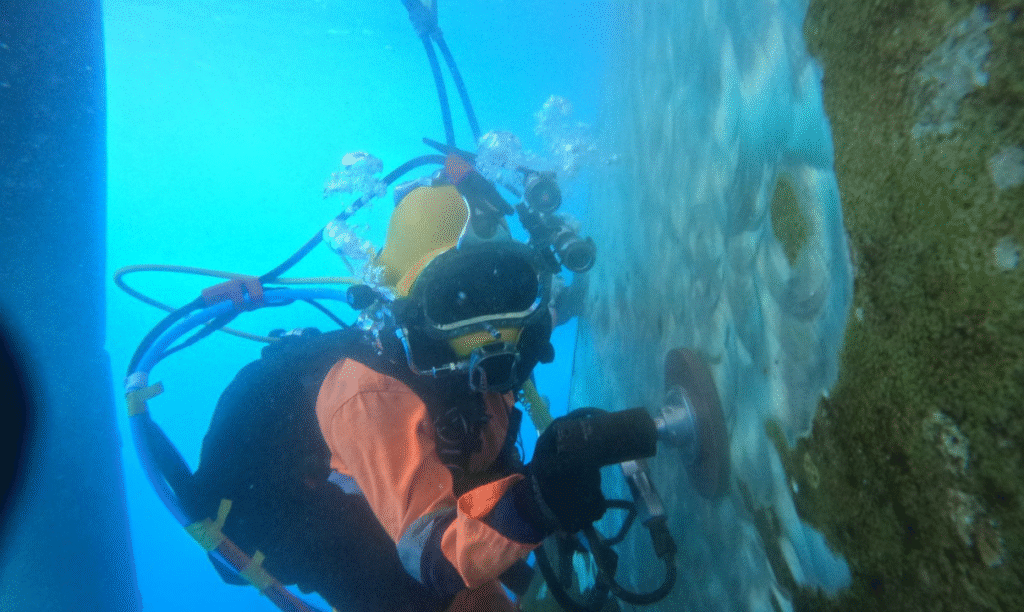
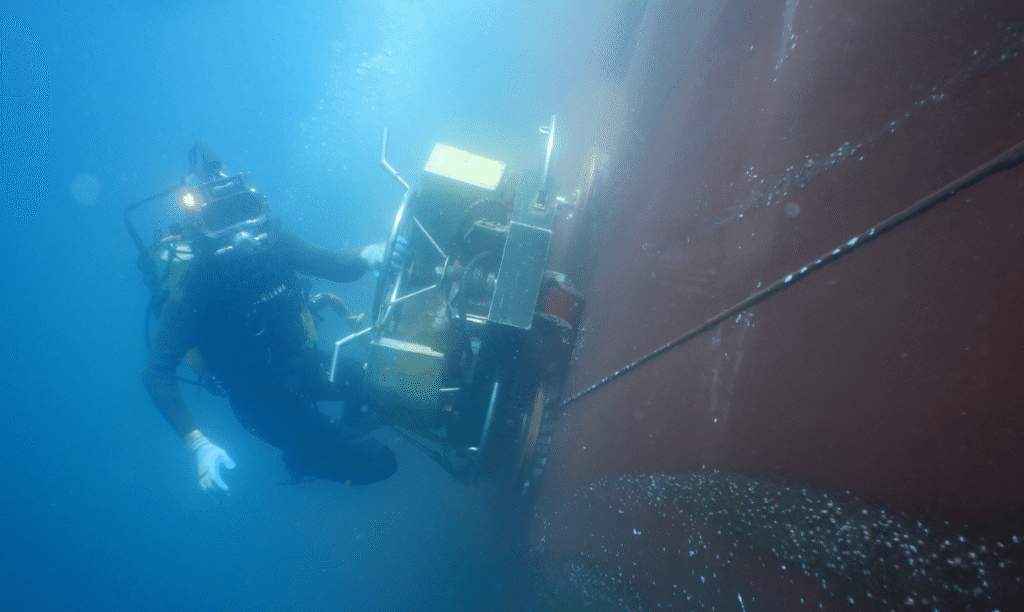
Underwater Ship Hull cleaning in Oran refers to the specialized process of removing biofouling and marine organisms from a vessel’s submerged surfaces without dry-docking. It’s performed by certified divers or remotely operated machines that clean the hull while the ship remains in the water. By doing so, the vessel regains hydrodynamic efficiency and reduces drag, which directly lowers fuel consumption.
In Oran’s busy maritime zone, where docking time costs money, this service provides ship owners with continuous operational uptime. It’s an essential aspect of vessel husbandry recognized under international maritime maintenance standards, ensuring ships remain efficient, compliant, and ready for inspection anytime they dock or anchor.
The Top 7 Benefits You Can’t Ignore
Choosing Underwater Ship Hull cleaning in Oran brings seven undeniable benefits that affect cost, safety, and environmental responsibility. First, it reduces fuel use by up to 15%, directly impacting operational costs. Second, it lowers CO₂ emissions, helping ships meet IMO and MARPOL standards.
Third, regular cleaning extends the lifespan of antifouling coatings, minimizing repainting needs. Fourth, it reduces downtime by allowing in-water maintenance. Fifth, it improves vessel maneuverability and speed. Sixth, it ensures compliance with local and international regulations. Lastly, it helps preserve marine biodiversity in Oran’s coastal waters by preventing biofouling spread.
Together, these advantages make hull cleaning an indispensable investment for sustainable operations. Know more about underwater ship hull cleaning in Oran.
Risks, Challenges, and Safety Measures
While Underwater Ship Hull cleaning in Oran offers many advantages, it also comes with specific risks that require careful control. The most common dangers involve diver safety, hull coating damage, and potential pollution from dislodged debris.
To manage these, international safety standards developed by IMCA provide strict guidelines on team composition, diving depth limits, and emergency procedures. Another challenge is preventing toxic antifouling residues from contaminating the marine environment. Operators in Oran must use closed-loop systems to capture waste and filter contaminants before disposal.
Adequate diver supervision, video monitoring, and pre-dive briefings are also crucial for maintaining safe, compliant, and environmentally responsible hull cleaning operations.
How the Process Works Step by Step
The procedure of Underwater Ship Hull cleaning in Oran involves several structured stages to ensure precision and safety. First, a pre-cleaning survey assesses hull conditions and identifies areas with heavy fouling. Next, the dive team prepares risk assessments and obtains port approvals.
Divers then enter the water using surface-supplied air or ROVs to clean the hull with brushes, scrapers, or high-pressure jets. All dislodged waste is collected through suction or filtration systems to prevent marine pollution. The operation concludes with an inspection, ensuring no coating damage or uncleaned sections remain.
Finally, a report with photos or video evidence is provided for recordkeeping and compliance verification. Learn more about Underwater Ship Hull Cleaning in Angola
Choosing the Right Technology and Tools
Selecting the correct tools for Underwater Ship Hull cleaning in Oran determines the success of the job. Light fouling may require only manual brushing, while thicker marine growth demands rotary cleaning systems.
High-pressure water jets can clean large surfaces quickly, but operators must manage jet pressure to protect hull coatings. Robotic cleaning machines and ROVs equipped with cameras offer a safer, more efficient option, reducing diver exposure.
These devices use sensors and magnets to navigate hulls autonomously. Closed-loop collection systems are vital for environmental safety, capturing waste materials and preventing chemical discharge. Investing in such technology improves efficiency, consistency, and regulatory compliance during every underwater cleaning session. Read more about Underwater Ship Hull cleaning in Algeria.
Compliance and Regulatory Frameworks
Underwater Ship Hull cleaning in Oran must meet strict global and local standards. The International Maritime Organization (IMO) and MARPOL Convention regulate waste management and pollution prevention from vessels. IMCA guidelines establish safety protocols for underwater diving and maintenance. The Algerian Port Authority in Oran requires operators to secure permits for in-water cleaning to ensure proper waste capture.
Classification societies also recognize in-water surveys if hull conditions are documented properly. Non-compliance can lead to heavy fines, vessel detention, or insurance complications. By following MARPOL and IMCA standards, operators demonstrate responsibility and environmental stewardship, making sure each cleaning operation aligns with international maritime best practices.
Environmental and Ecosystem Considerations
When performing Underwater Ship Hull cleaning in Oran, environmental care must always come first. The cleaning process can unintentionally release toxic substances, paint residues, and non-native species into the sea.
To counter this, operators use closed-loop filtration systems that collect and dispose of debris safely. Scheduling cleanings in controlled areas also prevents sediment disruption near protected zones. Following IMO biofouling management guidelines helps avoid spreading invasive organisms that could harm Oran’s local marine habitats.
Responsible hull cleaning minimizes ecological impact while ensuring compliance. The result is a cleaner vessel and a cleaner ocean, helping maintain the delicate balance of Oran’s coastal ecosystem.
“Marine cleaning, anytime. Anywhere. 🌊 #GlobalMarine”#shipping #maritime #ship #cruises #sealife #port #shipping #marine #captain #vessel #ships #cargo pic.twitter.com/GgKTqEMETK
— Marine Super Cargo (@Marinsupercargo) October 4, 2025
Future Trends and Technological Innovations
The future of Underwater Ship Hull cleaning in Oran is becoming increasingly digital and autonomous. Robotic systems are now equipped with AI-driven sensors and cameras capable of mapping hull surfaces in real time.
These technologies allow for predictive maintenance, detecting fouling before it becomes critical. Eco-friendly antifouling coatings are emerging, inspired by marine biology, to resist organism attachment naturally. Automated data logging ensures compliance reports are instantly available to port and classification authorities.
Closed-loop waste recovery systems are also evolving, recycling captured material safely. As innovation advances, these developments make underwater hull cleaning more sustainable, precise, and efficient, shaping the future of maritime maintenance in Oran. Also know about underwater ship hull cleaning in Lobito
Marine Supercargo Expands Services: Drug and Alcohol Testing for Safer Seas
Marine Supercargo, recognized for excellence in marine cleaning and inspection, has expanded its portfolio to include professional Drug and Alcohol Testing services. This new initiative complements Underwater Ship Hull cleaning in Oran by enhancing onboard safety and regulatory compliance.
With maritime regulations growing stricter, these tests help ship owners ensure that crew members remain alert, responsible, and compliant with international safety standards such as IMO and STCW. Regular testing reduces risks of human error, accidents, and port detentions caused by crew impairment.
By integrating hull maintenance and crew compliance under one trusted platform, Marine Supercargo supports safer, more reliable, and regulation-ready maritime operations across Oran’s busy shipping network.
How to Select a Reliable Provider in Oran
Choosing the right service provider for Underwater Ship Hull cleaning in Oran requires careful evaluation. Start by checking certifications, especially IMCA and MARPOL compliance. Review safety records to confirm zero-diver-fatality history.
Ask about waste capture systems and disposal methods to ensure environmental responsibility. Reliable companies provide full documentation, including before-and-after inspection videos and reports. They should also have local knowledge of Oran’s port regulations and be able to mobilize quickly. Transparent pricing and customer support are also vital.
A trustworthy provider not only cleans your vessel efficiently but ensures it meets safety and compliance standards—protecting your investment, reputation, and operational continuity.
Case Study: Real-World Savings from Hull Cleaning
Consider a 35,000 DWT bulk carrier operating near Oran. Over six months, marine fouling increases its fuel use by 10%, costing an extra $1,200 per day. A single session of Underwater Ship Hull cleaning in Oran costs $28,000 but immediately restores efficiency.
Within 25 days, the fuel savings surpass cleaning expenses. Additionally, emissions drop significantly, helping the vessel meet IMO carbon intensity targets. Crew reports smoother maneuvering, and inspection teams confirm improved hull integrity.
This real-world scenario shows how underwater hull cleaning isn’t just maintenance—it’s a strategic decision that enhances operational profitability and sustainability for ships operating in and around Oran’s waters.
Myths and Misconceptions Busted
Several myths surround Underwater Ship Hull cleaning in Oran that deserve clarification. Many believe it always damages hull coatings, but modern brushes and low-pressure jets prevent such harm. Another misconception is that only small vessels benefit, when in fact large cargo ships regularly use in-water cleaning to maintain efficiency.
Some assume the service is unregulated, yet ports enforce strict waste management protocols. Finally, many think one cleaning lasts forever, but marine fouling returns regularly, especially in warm waters. Regular maintenance ensures lasting performance. Understanding these truths helps ship operators make smarter, compliant, and environmentally responsible maintenance decisions in Oran’s port environment.
Conclusion
Underwater Ship Hull cleaning in Oran delivers three critical advantages: improved efficiency, compliance, and sustainability. It saves fuel, reduces emissions, and extends coating life—all while minimizing downtime. Following proper safety and environmental protocols ensures legal and ecological protection.
Partnering with trusted companies like CleanShip.co provides professional execution and transparent reporting. As maritime operations become more data-driven, underwater hull cleaning remains the foundation of ship performance. Investing in routine maintenance today guarantees smoother sailing, safer crews, and cleaner seas tomorrow.
Visit CleanShip.co to learn more about comprehensive solutions that keep your fleet efficient, compliant, and environmentally responsible year-round.
FAQs:
Q1. What types of drug and alcohol tests does Marine Supercargo offer?
Marine Supercargo conducts random and scheduled tests using urine, breath, or blood samples to ensure compliance with international maritime safety standards.
Q2. Can in-vessel tank cleaning be performed along with hull cleaning?
Yes. Ship owners often combine both services during port stays in Oran, but each procedure follows distinct safety and waste management guidelines.
Q3. Why is drug and alcohol testing important for ship operations?
Testing helps prevent accidents, human errors, and non-compliance with IMO safety rules, ensuring safer and more reliable maritime operations.
Q4. How frequently should ships undergo Underwater Ship Hull cleaning in Oran?
Most vessels require cleaning every 3 to 6 months, depending on operating routes, water temperature, and fouling intensity.
Q5. What happens if underwater hull cleaning is done incorrectly?
Poor cleaning can cause diver injuries, hull coating damage, or environmental contamination. Choosing certified professionals prevents these risks effectively.