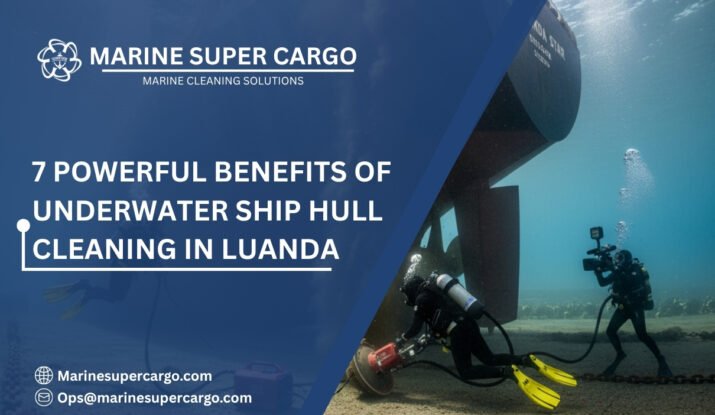
Underwater Ship Hull Cleaning in Luanda: The Complete Guide
Underwater Ship Hull Cleaning in Luanda is a vital part of modern maritime operations, especially in one of Angola’s busiest ports. Over time, algae, barnacles, and other marine organisms attach to a vessel’s hull, increasing drag and reducing efficiency. This results in higher fuel consumption, slower transit times, and increased operational costs.
Regular underwater ship hull cleaning in Luanda helps vessels maintain optimal performance while adhering to international environmental standards. In this comprehensive guide, we explore the techniques, benefits, environmental impact, and future trends of hull cleaning, providing practical insights for ship owners, operators, and managers.
Why Underwater Ship Hull Cleaning in Luanda Matters
Hull fouling is a universal challenge for vessels operating in Luanda’s warm, nutrient-rich waters. Biofouling, caused by microorganisms, algae, and barnacles, creates resistance, forcing engines to work harder. This translates to higher fuel costs and unnecessary emissions. Underwater ship hull cleaning in Luanda eliminates these growths, restoring smooth hull surfaces and improving speed and maneuverability.
Moreover, regular cleaning prevents the spread of invasive marine species between ports, supporting global biosecurity efforts under MARPOL. By maintaining a clean hull, ship operators can enhance operational efficiency, reduce environmental impact, and protect the longevity of their vessel coatings.
Understanding Biofouling and Its Consequences
Biofouling begins with a microscopic biofilm that attracts larger organisms such as barnacles and mussels. In Luanda’s port waters, this process can accelerate due to favorable conditions. Fouled hulls increase drag, which not only raises fuel consumption by up to 40% but also stresses engines and propellers. This creates long-term maintenance issues and higher operational expenses.
Underwater ship hull cleaning in Luanda addresses this problem proactively, ensuring vessels remain efficient and compliant with IMO regulations. Clean hulls mean smoother sailing, lower emissions, and a longer lifespan for both hull coatings and propulsion systems. Know more about underwater ship hull cleaning in Oran.
Techniques Used in Underwater Ship Hull Cleaning in Luanda
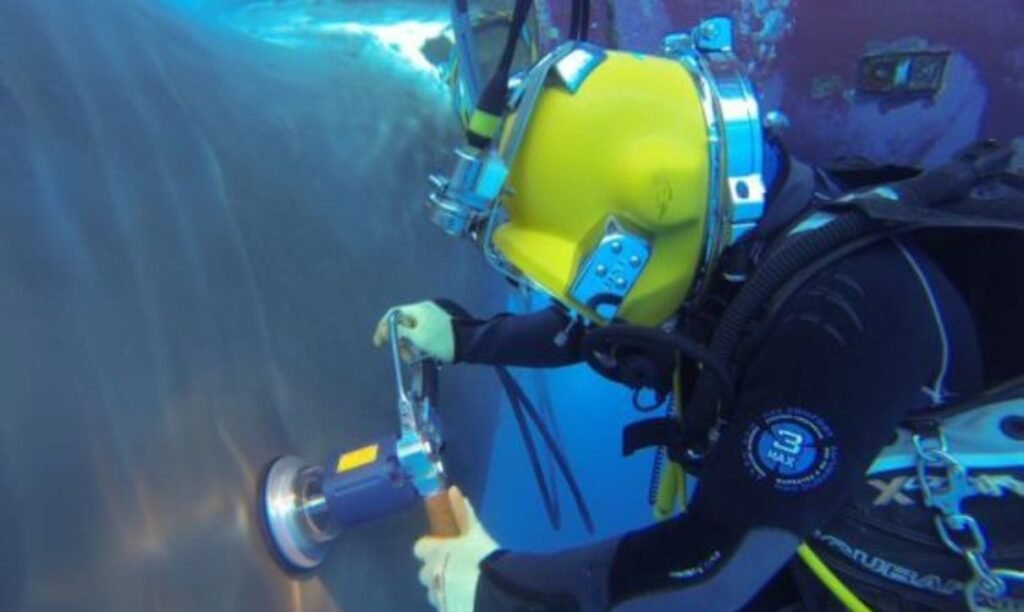
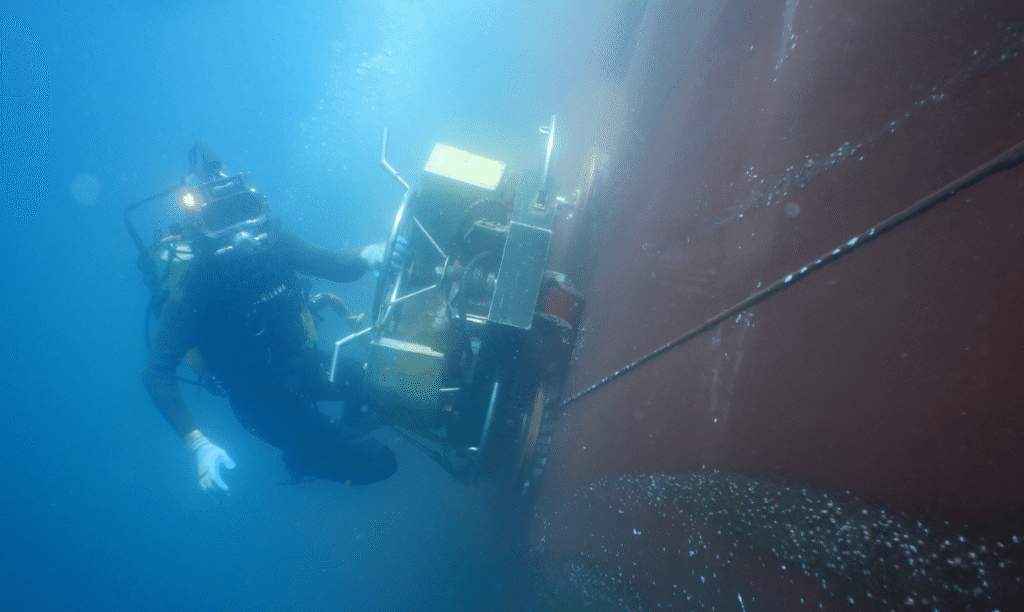
Modern hull cleaning in Luanda uses a combination of professional divers and advanced technology. Rotating brushes, high-pressure water jets, and suction tools are deployed to remove fouling safely without damaging protective coatings. Remote-operated vehicles (ROVs) and underwater cameras provide real-time monitoring, ensuring comprehensive cleaning, even in hard-to-reach areas.
Soft brushes are used for delicate antifouling paints, while more robust tools tackle stubborn barnacle clusters. This approach allows underwater ship hull cleaning in Luanda to be completed efficiently while keeping vessels afloat, avoiding costly dry-docking and minimizing operational downtime. Read more about underwater ship hull cleaning in Algeria.
Environmental Benefits of Hull Cleaning in Luanda
Sustainable underwater ship hull cleaning in Luanda focuses on minimizing environmental impact. Advanced filtration systems capture debris and marine organisms before they enter the water, preventing pollution and the spread of invasive species. This aligns with IMCA and MARPOL environmental guidelines.
Clean hulls also reduce fuel consumption, lowering greenhouse gas emissions. By prioritizing eco-friendly methods, ship operators contribute to healthier marine ecosystems and support Angola’s commitment to sustainable port operations. In Luanda, environmentally responsible hull cleaning protects both the vessel’s performance and the surrounding ocean environment. Learn more about underwater ship hull cleaning in Skikda
“Marine cleaning, anytime. Anywhere. 🌊 #GlobalMarine”#shipping #maritime #ship #cruises #sealife #port #shipping #marine #captain #vessel #ships #cargo pic.twitter.com/GgKTqEMETK
— Marine Super Cargo (@Marinsupercargo) October 4, 2025
Compliance and Safety Standards
Underwater ship hull cleaning in Luanda must adhere to strict safety and compliance standards. IMCA codes ensure diver safety during operations, while MARPOL and IMO regulations mandate proper waste handling and environmental protection. Operators must document cleaning procedures, including before-and-after images, to demonstrate compliance.
Certified cleaning companies provide transparent reporting and adhere to international guidelines. Following these standards not only prevents penalties but also promotes trust among port authorities and maritime stakeholders, ensuring that hull cleaning in Luanda is safe, responsible, and legally compliant. Also read about ship hull cleaning in Algeria.
Cost-Effectiveness and Operational Advantages
Regular underwater ship hull cleaning in Luanda offers significant cost benefits. A clean hull improves fuel efficiency, reducing operating costs by 10–20%. It also lowers engine strain, minimizing maintenance and prolonging equipment life. Avoiding unplanned dry-docking and repairs reduces downtime, keeping vessels operational and profitable.
For ship owners, the investment in routine cleaning translates to both financial savings and enhanced performance. Efficient hull cleaning ensures vessels maintain competitive transit speeds while supporting sustainable practices, making it an essential part of modern maritime operations in Luanda. Also, know about underwater ship hull cleaning in Lobito.
Selecting the Right Hull Cleaning Provider
Choosing a reliable service provider for underwater ship hull cleaning in Luanda is crucial. Look for certified companies with IMCA membership, experienced divers, and advanced cleaning equipment. Transparency in reporting, safety compliance, and environmental responsibility are essential. Video documentation of cleaning operations ensures accountability and quality assurance.
Companies like CleanShip.co provide global-standard services, combining expertise with sustainable practices. Working with trusted providers guarantees thorough, safe, and eco-friendly cleaning while minimizing operational risks and maximizing vessel performance in Luanda’s busy port waters. Know more about underwater ship hull cleaning in Luanda.
Technological Innovations in Hull Cleaning
Technology is revolutionizing underwater ship hull cleaning in Luanda. Robotic cleaners, AI-driven inspection systems, and predictive maintenance tools optimize efficiency and precision. High-resolution cameras detect fouling severity, allowing operators to plan cleaning schedules effectively.
These innovations reduce the need for human divers in hazardous conditions, enhance safety, and minimize environmental impact. Autonomous and data-driven cleaning tools represent the future of underwater maintenance, making hull cleaning in Luanda more effective, safer, and sustainable while supporting compliance with international maritime standards. Learn more about underwater ship hull cleaning in Angola
Marine Supercargo Expands Services: Drug & Alcohol Testing for Safer Seas
Marine Supercargo, renowned for global maritime cleaning solutions, has expanded to offer professional Drug & Alcohol Testing services. This addition helps ship owners, operators, and managers maintain crew safety, ensuring compliance with international regulations. Alcohol or drug impairment is a significant contributor to onboard accidents.
Early testing reduces risks, enhances operational efficiency, and strengthens a safety-first culture. Aligned with IMCA and IMO standards, Marine Supercargo’s testing services complement hull cleaning operations, providing vessels with comprehensive solutions for safe, responsible, and efficient maritime operations in Luanda and beyond. Read more about underwater ship hull cleaning in Port Novo.
The Future of Underwater Ship Hull Cleaning in Luanda
The future of underwater ship hull cleaning in Luanda is guided by sustainability, technology, and regulatory compliance. Innovations like self-cleaning hull coatings, autonomous robots, and AI inspection systems are becoming standard. These developments minimize diver risk, reduce environmental impact, and optimize operational efficiency.
As Luanda’s port continues to grow, collaboration between ship operators, cleaning providers, and regulatory bodies will ensure greener, safer, and more efficient maritime operations. Continuous innovation in hull maintenance is key to achieving long-term performance, cost savings, and environmental responsibility for vessels operating in Angolan waters. Also read about underwater ship hull cleaning in Moroni.
Conclusion
Underwater ship hull cleaning in Luanda is essential for maintaining vessel efficiency, reducing fuel consumption, and protecting marine ecosystems. Clean hulls improve speed, lower emissions, and prevent costly maintenance issues. Partnering with certified providers ensures compliance, safety, and sustainable practices.
By integrating technology and eco-friendly methods, ship owners enhance operational performance while safeguarding the environment. For reliable, efficient, and environmentally responsible services, CleanShip.co is your trusted partner in hull cleaning and maritime safety. Take action today to keep your fleet clean, compliant, and performing at its best.
FAQs:
Q1. Why is underwater ship hull cleaning in Luanda necessary?
It prevents biofouling, enhances vessel speed, reduces fuel costs, and ensures compliance with international maritime and environmental standards.
Q2. How often should vessels undergo hull cleaning?
Cleaning frequency depends on operating waters and hull coating type, but every 6–12 months is generally recommended for optimal efficiency.
Q3. What are the environmental benefits of hull cleaning?
Eco-friendly cleaning captures debris, prevents invasive species, and aligns with MARPOL and IMO guidelines, supporting marine biodiversity.
Q4. How does technology improve hull cleaning efficiency?
Robotics, AI, and high-resolution imaging enable precise, safe, and environmentally responsible cleaning with minimal human risk.
Q5. What is Marine Supercargo’s Drug & Alcohol Testing service?
It ensures crew fitness, reduces accident risks, and maintains compliance with international maritime safety standards for safer operations.