

Imagine sailing through the sparkling Mediterranean waters, your vessel hugged by the coastlines of Haifa, Ashdod, or Eilat. All seems calm from the bridge, but beneath the waves a crucial story unfolds. Hull cleaning is one of the most impactful—and underestimated—routine practices in Israeli shipping. Yet, not all that glitters is gold. Today, we spotlight the underwater ship hull cleaning in Israel, so you don’t get caught off-guard by costly mistakes lurking beneath the surface.
For ships calling at Israeli ports, success isn’t just about fast engines or skillful crews. What makes or breaks efficiency is often below the waterline. Marinized steel, battered by time, tide, and settlement, demands much more than a casual rinse. Routine underwater ship hull cleaning in Israel keeps fouling in check, but it’s a double-edged sword: clean wrong, and you risk much more than a dirty ship.
Why Underwater Ship Hull Cleaning in Israel Is Crucial for Every Vessel
Coastal Efficiency and Marine Responsibility
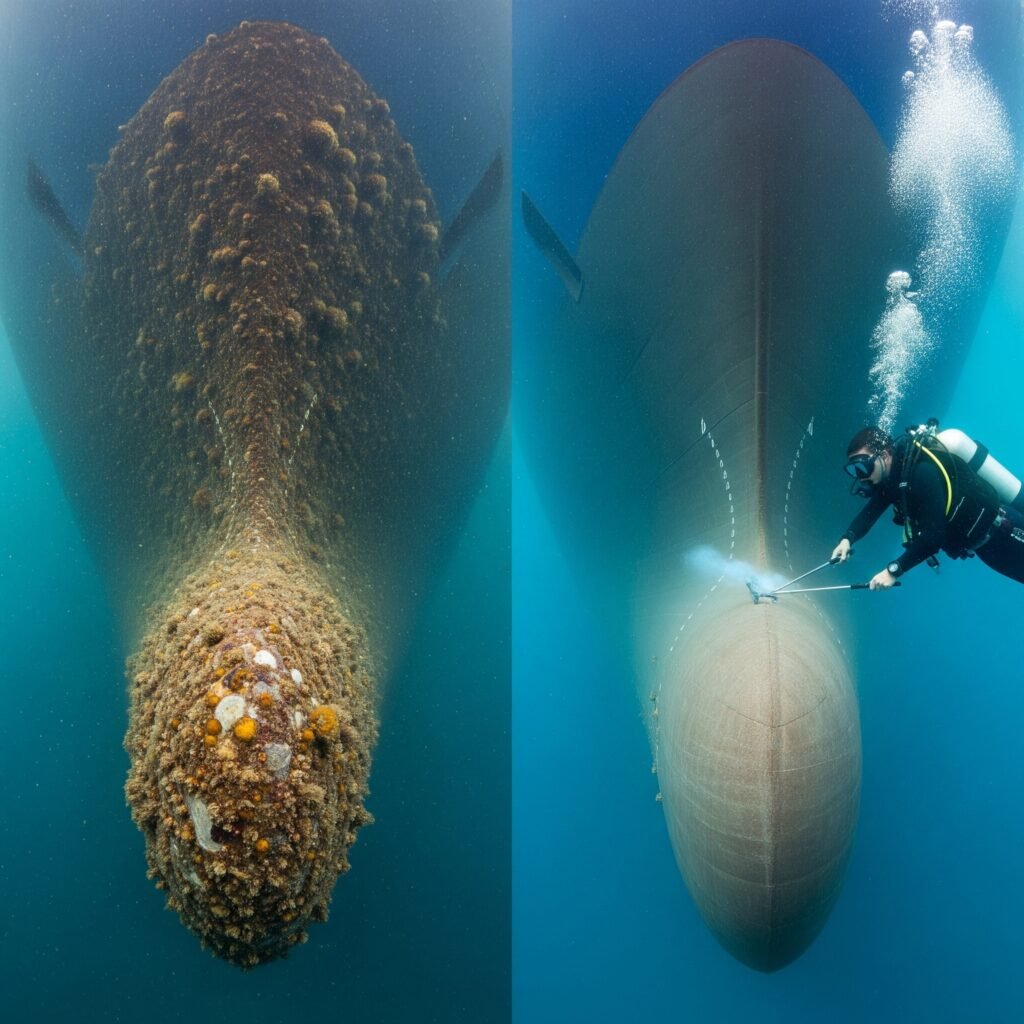
Why does everyone—from fishermen in Ashkelon to international tankers—invest in regular underwater ship hull cleaning in Israel? The answer is simple: biofouling slashes fuel efficiency, adds unnecessary costs, bogs down schedules, and endangers the local marine ecosystem. But rushing the process or skipping protocol turns a solution into a bigger headache.
A Rarely Discussed Topic—With High Stakes
It might not get headlines, but underwater ship hull cleaning in Israel is a linchpin for both economic competitiveness and marine conservation. The wrong move can have ripple effects for years, impacting business, the environment, and reputations.
Environmental Harm and Biofouling Fallout
Release of Pollutants and Paint Toxins
The first, and perhaps most worrying, risk is environmental. Many anti-fouling paints used on hulls incorporate potent biocides, copper, and other chemicals. When a hull is scrubbed underwater—especially with the wrong technique—these toxins are liberated, drifting into Israel’s unique marine habitats. Without eco-sensitive capture systems during underwater ship hull cleaning in Israel, scraped-off debris and toxic slurries can poison marine life and find their way up the food chain.
The Threat of Invasive Species
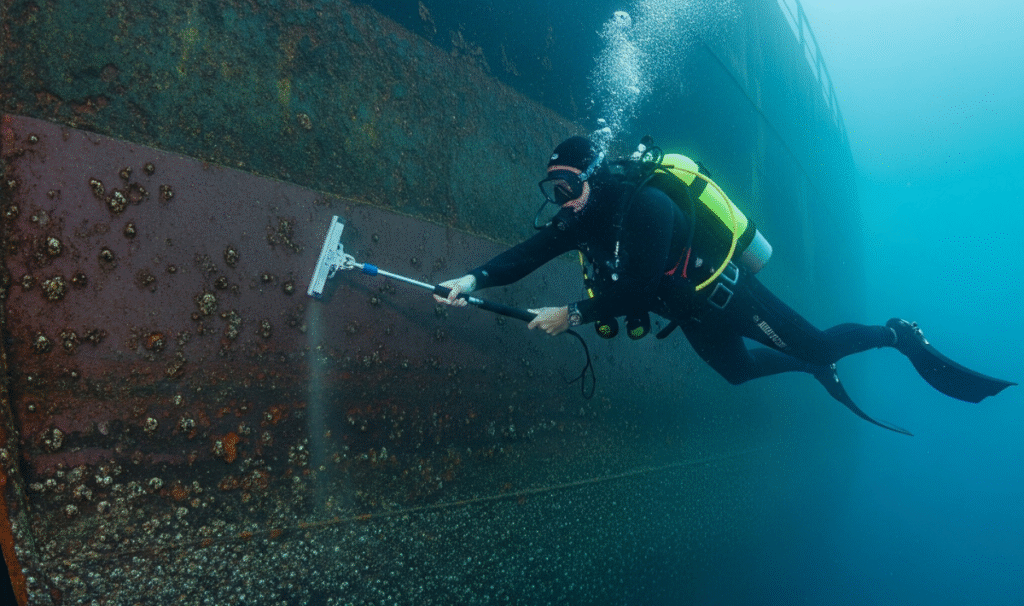
Every bit of marine growth removed from a ship isn’t just a harmless clump of seaweed. Barnacles, mussels, and tiny larvae often cling to hulls, sometimes surviving and multiplying in new environments. A single poorly managed episode of underwater ship hull cleaning in Israel can release invasive hitchhikers, putting pressure on local species and jeopardizing Israel’s fisheries and coastal industries.
Vessel and Diver Safety Compromises
Hull Damage, Coating Loss, and Structural Trouble
When cleaning turns aggressive—think high-pressure jets or abrasive tools operated by an inexperienced hand—protective coatings get stripped away. This exposes steel, fast-tracking corrosion and leads to costly repairs or, in the worst cases, breaches. The long-term impact of improper underwater ship hull cleaning in Israel can mean compromised hull integrity and even safety risks for the crew above.
Diver Safety in Israel’s Busy Ports
Diving in busy harbors like Haifa or Eilat is not for the fainthearted. Traffic is dense, visibility can plunge, and the risk of entanglement is ever-present. Inadequate diver training or poor operational checks—contravening the standards of the International Marine Contractors Association (imca-int.com)—often result in near-misses, injuries, or far worse. Every operation of underwater ship hull cleaning in Israel demands rigorous planning, top gear, and robust communication.
Legal and Regulatory Compliance Gaps
Strict IMO, MARPOL, and Israeli Law
Israel’s maritime authorities are deeply aligned with global best practice, notably the International Maritime Organization (imo.org), the MARPOL anti-pollution convention (Marine Insight – MARPOL Convention), and strict national statutes. Any misstep—like disposing debris without a containment plan during underwater ship hull cleaning in Israel—can breach regulations designed for both local and international waters.
Consequences: Fines, Detentions, and Reputational Damage
Break protocol, and you might face more than a slap on the wrist. Fines, vessel detentions in port, revoked permits, or even blacklisting from Israeli waters are real risks. Reputational losses can snowball, costing you clients, credibility, and contracts when news of mistakes travels through the close-knit shipping community.
Practical Ways to Avoid the Underwater Ship Hull Cleaning in Israel
So, how can you take a proactive, responsible route?
- Hire IMCA and IMO-certified cleaning teams: Experience and certification safeguard both ship and diver safety during underwater ship hull cleaning in Israel.
- Insist on closed-circuit waste collection and safe debris disposal, mandatory for all MARPOL-compliant procedures.
- Schedule regular, gentle cleanings rather than waiting for large, damaging buildups.
- Demand transparent records and documentation after every operation.
- Stay updated on changing Israeli maritime and environmental rules—ignorance is no excuse for non-compliance.
Adopting International Benchmarks
Authorities such as IMCA, IMO, and MARPOL exist for a reason. They set out procedures, equipment standards, and audit pathways that raise the bar on safety and environmental performance. iaphworldports.org is an excellent resource for following global port sustainability trends—something Israeli ports prioritize in all underwater ship hull cleaning in Israel operations.
Why Israel’s Location Makes These Risks Even More Intense
Israel’s coast links three distinct marine realms: the Mediterranean, Red Sea, and Suez. Each boasts unique species, current dynamics, and environmental sensitivities. A slip in underwater ship hull cleaning in Israel not only jeopardizes local ports but may harm neighboring nations’ ecosystems, triggering international cooperation (or disputes).
Conclusion
In the end, the hull’s battle against biofouling is a daily war—one that shapes your bottom line, your vessel’s reliability, and the reputation of Israel’s entire merchant fleet. Recognizing the importance of underwater ship hull cleaning in Israel and adopting best practices keeps your crew sailing swiftly and safely. By working with trusted partners like CleanShip.co, shipowners can avoid legal storms and costly setbacks while ensuring smooth voyages that end with purple sunsets instead of bitter regrets.
FAQ:
Q1. How often should underwater ship hull cleaning in Israel be scheduled?
Most vessels require cleaning every 6–12 months. However, intense routes or higher biofouling rates may require quarterly attention.
Q2. Are robotic or closed-circuit cleaning systems widely available in Israel?
Yes, leading service providers now utilize robotic scrubbers and debris capture systems, especially for larger or higher-value vessels.
Q3. How can I confirm my cleaning provider is internationally compliant?
Request proof of IMCA and IMO certification, review their cleaning documentation, and demand written compliance with all national and international rules.
Q4. What penalties apply for improper debris disposal in Israeli waters?
You may face port detentions, significant fines, loss of permits, or damage to your shipping reputation, as Israeli and international authorities strictly enforce compliance.
Q5. What unique environmental considerations exist in Israel’s maritime zone?
Proximity to the Suez Canal, migration of marine species, and protected reef zones mean that every underwater ship hull cleaning in Israel must prioritize environmental protection and compliance with both national and international goals.