Underwater Ship Hull Cleaning in Cotonou: A Game Changer for Modern Shipping
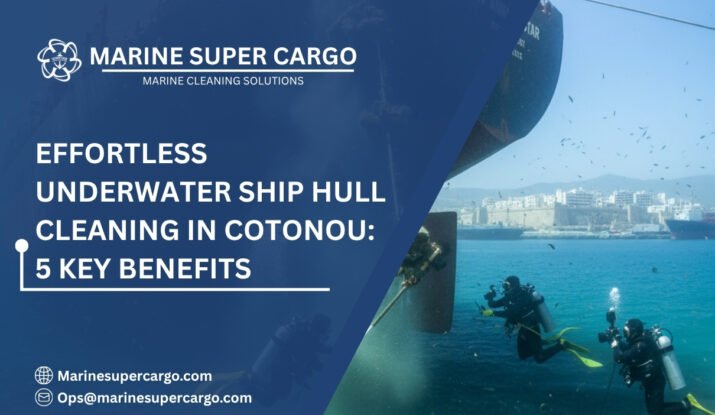
Underwater Ship Hull Cleaning in Cotonou is more than routine maintenance—it’s an essential process that defines your vessel’s performance and fuel efficiency. Located on Benin’s bustling coastline, the Port of Cotonou serves as a critical hub for trade across West Africa. Over time, marine growth like barnacles and algae clings to ship hulls, slowing movement and increasing fuel use.
This buildup, known as biofouling, not only affects performance but also raises operational costs. This detailed guide explores why regular underwater hull cleaning is crucial, how it’s performed safely, and why Cotonou is becoming a preferred destination for professional marine cleaning services.
Why Underwater Ship Hull Cleaning in Cotonou is Crucial
Underwater Ship Hull Cleaning in Cotonou ensures ships operate smoothly and cost-effectively. Every vessel that sails through tropical or coastal waters experiences biofouling—an accumulation of marine organisms that increases water resistance. Even a thin film can lead to a 10% rise in fuel consumption. With regular cleaning, ships can save money, improve their speed, and extend their hull life.
Additionally, Cotonou’s port regulations align with international maritime standards, ensuring eco-friendly and compliant cleaning. By maintaining a clean hull, you prevent corrosion, protect coatings, and avoid costly drydock sessions. This proactive maintenance measure ensures reliable and environmentally responsible operations year-round.
Understanding the Science of Biofouling
Biofouling may seem like a small issue, but its impact is enormous. When microorganisms attach to the hull, they create a slimy foundation that invites barnacles, algae, and mussels. Over time, this thick layer increases drag, causing engines to burn more fuel. In severe cases, it even leads to overheating or propeller imbalance.
Underwater Ship Hull Cleaning in Cotonou eliminates these problems at their root. According to the International Maritime Organization, clean hulls can reduce greenhouse gas emissions by up to 20%. This simple step significantly boosts performance while contributing to global efforts for sustainable marine operations. Know more about underwater ship hull cleaning in Oran.
Techniques Used in Underwater Hull Cleaning
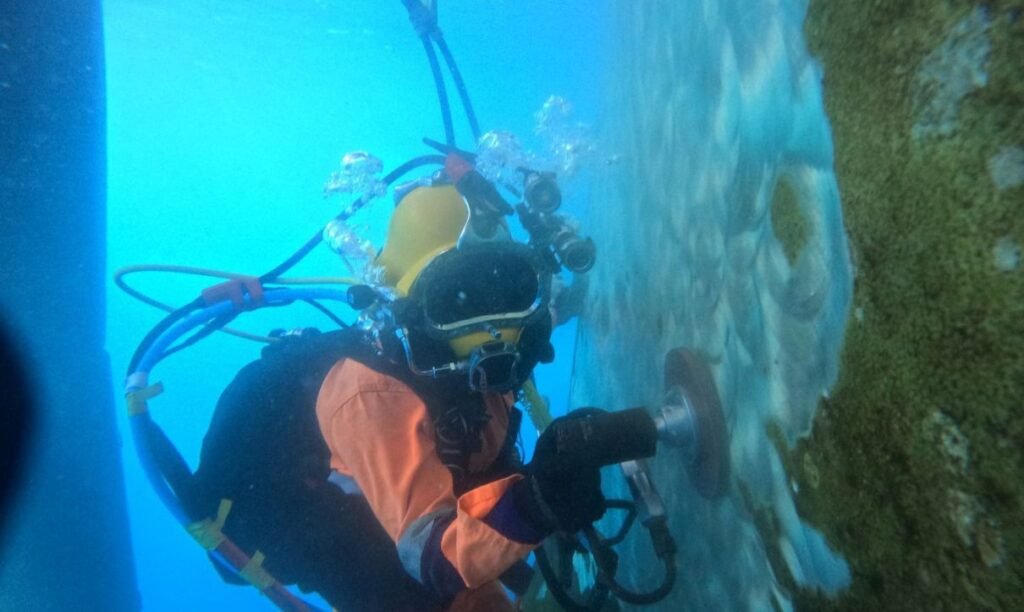
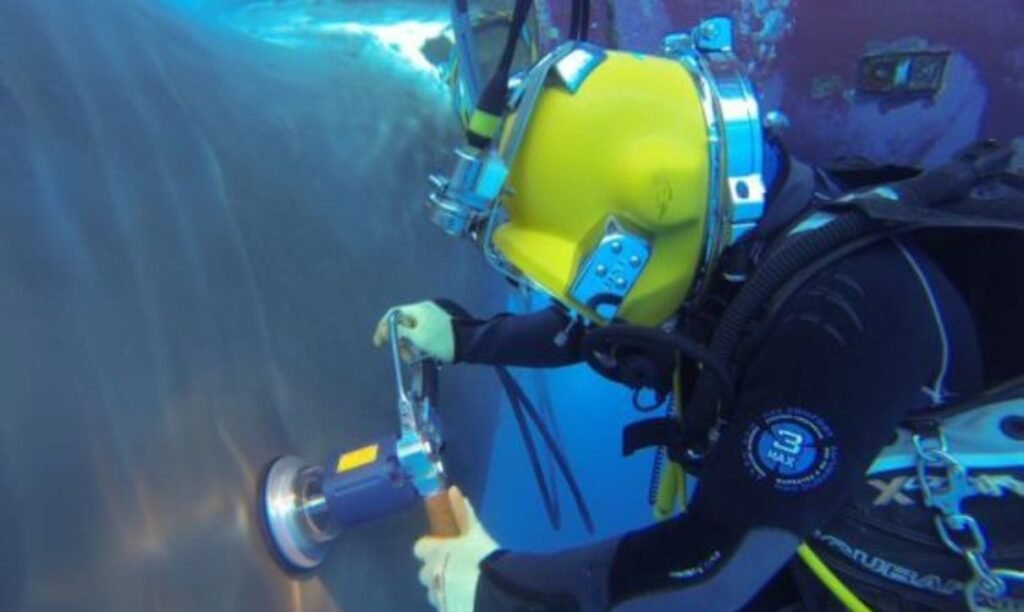
The process of Underwater Ship Hull Cleaning in Cotonou combines traditional diving expertise with cutting-edge technology. Professional divers use high-pressure water jets, hydraulic brushes, and rotary discs to remove biofouling effectively. For precision work, remotely operated vehicles (ROVs) and underwater cameras monitor progress in real time.
Eco-friendly debris collection systems ensure that waste doesn’t contaminate the water. All procedures follow strict International Marine Contractors Association standards for diver safety and environmental compliance. With these modern techniques, cleaning becomes quicker, safer, and more efficient—ensuring minimal downtime for ships entering or departing the Port of Cotonou. Read more about underwater ship hull cleaning in Algeria.
Environmental Responsibility and MARPOL Compliance
Environmental responsibility is at the heart of Underwater Ship Hull Cleaning in Cotonou. All cleaning operations comply with the MARPOL Convention to prevent pollution and the spread of invasive species. Wastewater and debris from cleaning are filtered, collected, and disposed of safely.
These eco-conscious practices not only protect Cotonou’s coastal ecosystem but also ensure compliance with international laws. Ships that neglect proper hull maintenance risk heavy fines and reputational damage. By adhering to MARPOL and International Association of Ports and Harbors guidelines, vessels demonstrate a commitment to both performance and planetary health.
The Economic Edge of Regular Hull Cleaning
Underwater Ship Hull Cleaning in Cotonou delivers remarkable financial benefits. A fouled hull forces engines to work harder, consuming up to 15% more fuel. Over time, this drastically increases operational costs. Regular cleaning helps ships move efficiently, reducing drag and energy consumption. Additionally, smoother hulls mean fewer maintenance issues and longer equipment lifespans.
In a competitive industry where every dollar matters, this translates to significant savings per voyage. By scheduling cleaning during port calls, ship owners in Cotonou can combine efficiency with convenience—maximizing uptime and ensuring vessels meet strict performance benchmarks.
Safety Standards in Cleaning Operations
Safety is non-negotiable in Underwater Ship Hull Cleaning in Cotonou. Each operation begins with detailed site inspections to assess visibility, fouling level, and environmental conditions. Certified divers equipped with advanced communication and breathing systems perform the cleaning. Remote-operated tools are often deployed in deeper or hazardous areas to minimize human risk.
All cleaning teams follow International Marine Contractors Association (IMCA) safety guidelines. This ensures divers work in controlled, well-monitored conditions. These practices not only safeguard human life but also guarantee consistent quality, making Cotonou a trusted location for reliable underwater hull maintenance.
Reducing Emissions and Supporting a Greener Future
Underwater Ship Hull Cleaning in Cotonou is a key contributor to sustainable shipping. By removing drag-causing organisms, ships require less fuel to operate—directly reducing CO₂ emissions. The International Maritime Organization’s decarbonization goal for 2050 aims to cut total emissions by half, and hull maintenance is a vital part of achieving it.
Clean hulls also prevent invasive species from transferring between ports, protecting local ecosystems. With these environmental benefits, regular hull cleaning becomes more than a maintenance task—it’s a global responsibility. Cotonou’s marine services are evolving to lead this eco-conscious movement across West African waters.
“Marine cleaning, anytime. Anywhere. 🌊 #GlobalMarine”#shipping #maritime #ship #cruises #sealife #port #shipping #marine #captain #vessel #ships #cargo pic.twitter.com/GgKTqEMETK
— Marine Super Cargo (@Marinsupercargo) October 4, 2025
Marine Supercargo Expands Services: Drug & Alcohol Testing for Safer Seas
Marine Supercargo, a global leader in marine maintenance, has recently expanded its portfolio to include professional Drug & Alcohol Testing services for maritime crews. This initiative enhances operational safety by ensuring crew members remain alert, compliant, and fit for duty. Substance misuse poses serious risks at sea, leading to accidents and violations of international regulations.
Through these testing services, Marine Supercargo helps ship owners and managers meet safety requirements set by the International Maritime Organization (IMO) and port authorities. By combining hull cleaning with crew testing programs, Marine Supercargo continues its commitment to promoting safety, compliance, and cleaner oceans worldwide.
The Future of Underwater Ship Hull Cleaning in Cotonou
The future of Underwater Ship Hull Cleaning in Cotonou looks innovative and sustainable. Automation and robotics are transforming how cleaning is performed. Smart underwater robots equipped with cameras and sensors can now perform detailed inspections and cleaning autonomously.
Predictive maintenance powered by AI will soon allow ships to plan cleaning schedules based on hull condition data rather than fixed timelines. Eco-friendly materials and biodegradable cleaning agents are also becoming industry standards. As Cotonou continues to modernize its port facilities, these technologies will make marine cleaning faster, greener, and more cost-efficient for global shipping companies.
Conclusion
Underwater Ship Hull Cleaning in Cotonou is the cornerstone of efficient and sustainable maritime operations. It saves fuel, boosts vessel speed, and ensures compliance with international maritime standards. By choosing professional underwater cleaning services, you safeguard your investment while contributing to a cleaner marine environment.
As technology advances, Cotonou is set to become a leader in eco-conscious maritime maintenance. To maintain your fleet’s peak performance and environmental compliance, explore trusted global cleaning services at CleanShip.co—where efficiency meets sustainability beneath the surface.
FAQs:
Q1. Why is Underwater Ship Hull Cleaning in Cotonou important?
It enhances vessel efficiency, reduces drag, saves fuel, and ensures compliance with MARPOL and IMO regulations.
Q2. How often should underwater cleaning be scheduled?
Generally, ships should be cleaned every 6–12 months, depending on sailing routes and the degree of biofouling.
Q3. Does cleaning affect the hull coating?
Professional cleaning in Cotonou uses specialized brushes that protect anti-fouling coatings while effectively removing debris.
Q4. What is the benefit of Drug & Alcohol Testing at sea?
It ensures crew alertness, prevents accidents, and helps meet international safety and compliance standards.
Q5. Are cleaning methods in Cotonou environmentally safe?
Yes, operations follow MARPOL and IMCA guidelines, using filtration and debris collection systems to prevent pollution.