Underwater Ship Hull Cleaning in Congo: The Complete Guide
Underwater Ship Hull Cleaning in Congo is not just routine maintenance—it’s the secret to keeping vessels fast, efficient, and compliant in the region’s thriving maritime sector. In Congo’s coastal waters, ships face continuous fouling from algae, barnacles, and marine organisms that cling to the hull, slowing performance.
Regular underwater cleaning helps restore hydrodynamic efficiency, reduce fuel costs, and meet international regulations. This detailed guide explores every aspect of Underwater Ship Hull Cleaning in Congo—its benefits, techniques, safety standards, and innovations shaping the future of maritime maintenance.
Why Underwater Ship Hull Cleaning in Congo Is Essential
Congo’s tropical waters are a hotspot for rapid marine growth, leading to drag and increased fuel use. Underwater Ship Hull Cleaning in Congo removes this buildup, allowing vessels to glide smoothly through water. Without regular cleaning, ships burn more fuel and emit more CO₂, affecting both the environment and profitability.
By maintaining a clean hull, you ensure optimal vessel speed, fuel efficiency, and environmental compliance. It’s a proactive investment that safeguards both performance and sustainability.
Understanding Hull Fouling and Its Effects
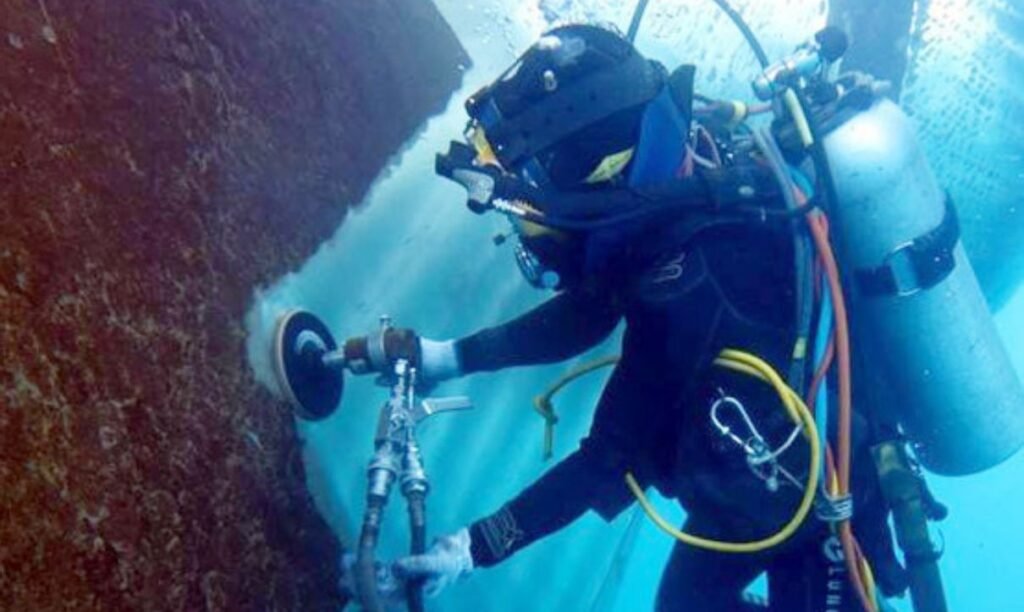
Hull fouling occurs when microorganisms, barnacles, and algae accumulate on the ship’s surface. This buildup increases drag, forcing engines to work harder. Think of it like riding a bicycle through thick mud—effort rises, but speed drops.
Underwater Ship Hull Cleaning in Congo eliminates these layers, preventing corrosion, reducing resistance, and restoring the vessel’s efficiency. It also helps maintain anti-fouling coatings that protect the hull from long-term damage, saving on repair and dry-docking costs. Also read about underwater ship hull cleaning in Moroni.
Techniques Used in Underwater Ship Hull Cleaning in Congo
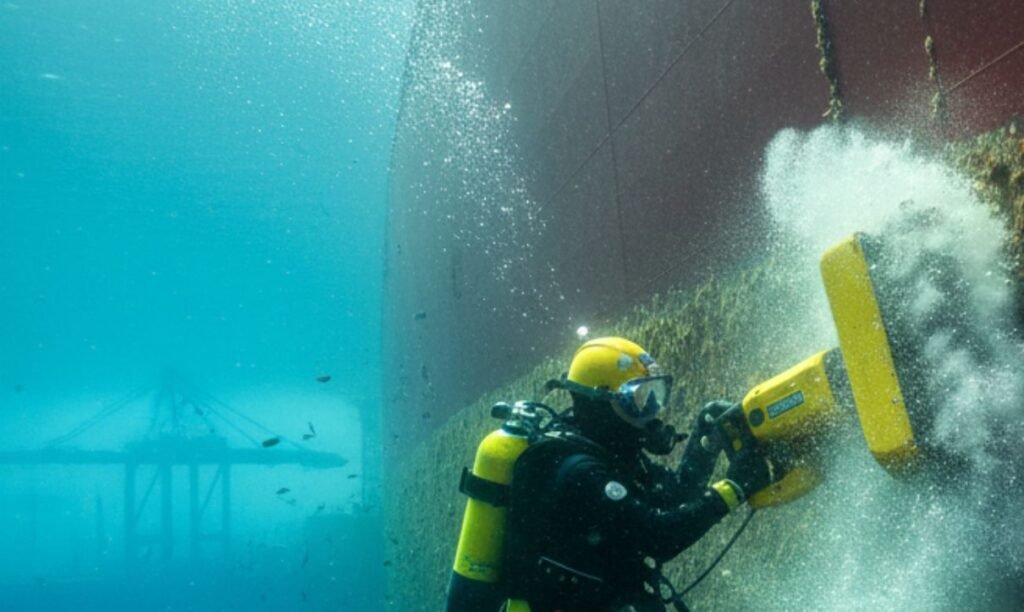
Underwater Ship Hull Cleaning in Congo employs several techniques depending on the vessel type and fouling intensity. Divers use brushes and rotary tools for mechanical cleaning, while high-pressure water jets handle stubborn growth. Some service providers use ROVs (Remotely Operated Vehicles) to enhance precision and safety.
These techniques are performed under strict safety and environmental protocols, ensuring that no pollutants or debris enter the sea. Modern methods focus on sustainability while maintaining operational efficiency. Also, know about underwater ship hull cleaning in Mutsamudu.
Environmental Standards and Global Compliance
Every underwater cleaning operation must comply with international standards like IMO, IMCA, and the MARPOL Convention. These organizations regulate how hull waste is collected, treated, and disposed of to prevent marine pollution. Underwater Ship Hull Cleaning in Congo follows strict containment procedures, using filtration systems that capture debris.
Compliance not only ensures environmental protection but also avoids penalties and vessel detention. Staying aligned with these global standards reflects a ship owner’s commitment to sustainable maritime operations.
Benefits of Regular Underwater Ship Hull Cleaning
Routine Underwater Ship Hull Cleaning in Congo offers multiple operational and economic benefits. Clean hulls reduce drag, improving fuel efficiency by up to 30%. They also extend coating lifespan, lower emissions, and prevent unplanned downtime. Moreover, frequent cleaning ensures smoother voyages and easier navigation in high-traffic waters.
Over time, these savings outweigh the cost of cleaning, making it an essential part of smart ship management. Consistent maintenance guarantees safety, reliability, and financial optimization. Read more about Underwater ship hull cleaning in Congo.
Safety Measures and Diver Protocols
Safety is paramount in underwater operations. Divers performing Underwater Ship Hull Cleaning in Congo adhere to strict IMCA guidelines to ensure both crew and equipment safety. Pre-cleaning inspections verify hull conditions, and divers use advanced communication systems to coordinate in real time.
Proper gear, controlled pressure tools, and emergency protocols are essential. Each cleaning operation is carefully planned to prevent accidents, ensure quality results, and protect marine life.
Selecting the Right Service Provider
Choosing a certified and experienced provider for Underwater Ship Hull Cleaning in Congo is critical. Reputable companies like CleanShip.co combine skilled divers, modern technology, and environmental safeguards. Certified providers follow IMCA and MARPOL regulations and offer detailed post-cleaning inspection reports.
This transparency builds trust and ensures compliance. When selecting a partner, look for certifications, local expertise, and a strong commitment to environmental protection. A reliable service provider helps maintain fleet performance and operational safety.
“Marine cleaning, anytime. Anywhere. 🌊 #GlobalMarine”#shipping #maritime #ship #cruises #sealife #port #shipping #marine #captain #vessel #ships #cargo pic.twitter.com/GgKTqEMETK
— Marine Super Cargo (@Marinsupercargo) October 4, 2025
Cost Efficiency and Long-Term Savings
A clean hull directly translates into lower fuel costs and extended coating life. Underwater Ship Hull Cleaning in Congo is not an expense but a high-return investment. By reducing friction, the vessel operates more efficiently, saving thousands of dollars annually in fuel.
Regular maintenance also prevents corrosion and hull damage, reducing costly repairs and dry-dock time. In short, cleaning today saves far more tomorrow—financially, operationally, and environmentally. Learn more about Underwater ship hull cleaning in Djibouti.
Future Innovations in Underwater Cleaning
The future of Underwater Ship Hull Cleaning in Congo is being shaped by technology. Robotic cleaning devices, AI-based inspection systems, and eco-friendly antifouling coatings are changing the industry. Automation ensures precision, reduces diver exposure, and improves cleaning efficiency.
Real-time hull monitoring using sensors helps predict when cleaning is due, promoting proactive maintenance. These innovations will make hull cleaning faster, safer, and more sustainable, aligning with the global shift toward smart maritime operations. Learn about Underwater ship hull cleaning in Egypt.
Marine Supercargo Expands Services: Drug & Alcohol Testing for Safer Seas
Marine Supercargo, a trusted name in marine maintenance and inspection, has broadened its services to include Drug & Alcohol Testing for ship crews. This initiative enhances maritime safety, compliance, and crew welfare. The service helps ship owners and managers meet international regulations while minimizing the risks associated with impaired crew performance.
Through accurate testing and strict confidentiality, Marine Supercargo promotes operational integrity and safety. By integrating these testing services alongside underwater hull cleaning, the company ensures vessels not only stay efficient but also operate under the highest safety standards.
Conclusion: Key Takeaways
Underwater Ship Hull Cleaning in Congo is essential for efficient, safe, and eco-friendly maritime operations. Regular cleaning improves fuel efficiency, extends hull life, and ensures compliance with global standards. Partnering with certified providers like CleanShip.co guarantees professional, sustainable, and cost-effective results.
The future of hull maintenance lies in innovation, safety, and environmental responsibility—ensuring vessels remain fast, compliant, and ready for the challenges of modern shipping.
FAQs:
Q1. Why is Underwater Ship Hull Cleaning in Congo necessary?
It removes marine growth that slows vessels, reduces fuel efficiency, and increases emissions, ensuring smooth, compliant operations.
Q2. How often should a ship’s hull be cleaned?
Depending on voyage routes and fouling intensity, hulls should be cleaned every 4–6 months for optimal performance.
Q3. What safety standards govern hull cleaning operations?
IMCA, IMO, and MARPOL standards regulate cleaning, debris disposal, and diver safety, ensuring environmental and operational compliance.
Q4. Why is Drug & Alcohol Testing important for ships?
Testing ensures crew safety, prevents accidents, and helps ship owners meet international maritime safety regulations.
Q5. What makes CleanShip.co a reliable partner?
Its certified divers, eco-friendly tools, and strict compliance with global standards make it a trusted leader in hull cleaning services.