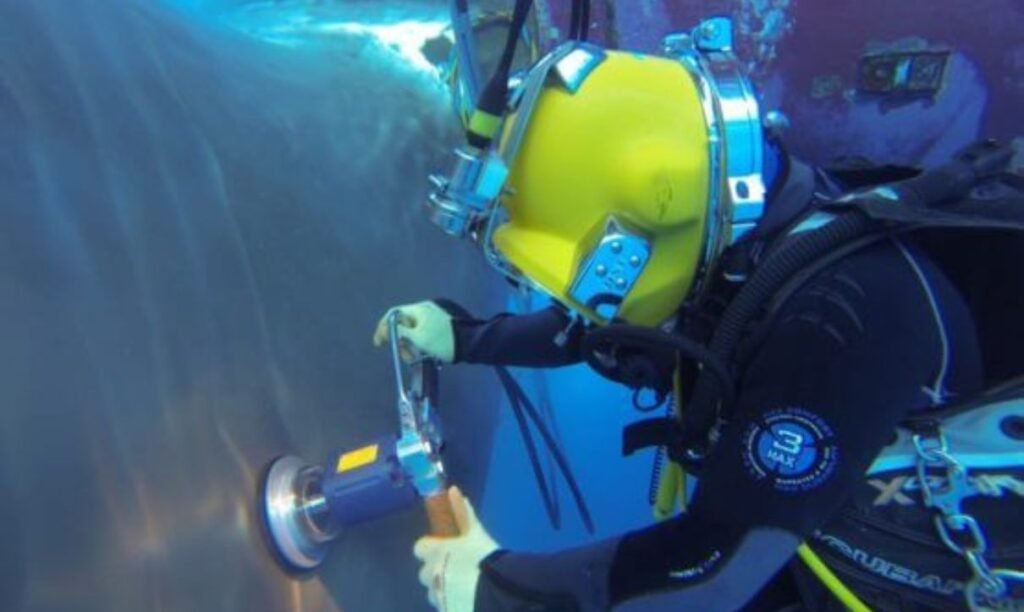
Underwater Ship Hull Cleaning in Chicago: Your Essential Guide
Underwater ship hull cleaning in Chicago is vital to keeping your vessel fast, efficient, and compliant with maritime regulations. Imagine the hull as your ship’s shoes—clogged with mud and debris that slow every step. This cleaning removes barnacles, algae, and other fouling, reducing drag and fuel use. In Chicago’s Great Lakes environment, regular cleaning protects your investment, prevents invasive species spread, and supports environmental laws. Whether you’re a ship owner or operator, understanding the benefits and processes ensures smoother, safer voyages.
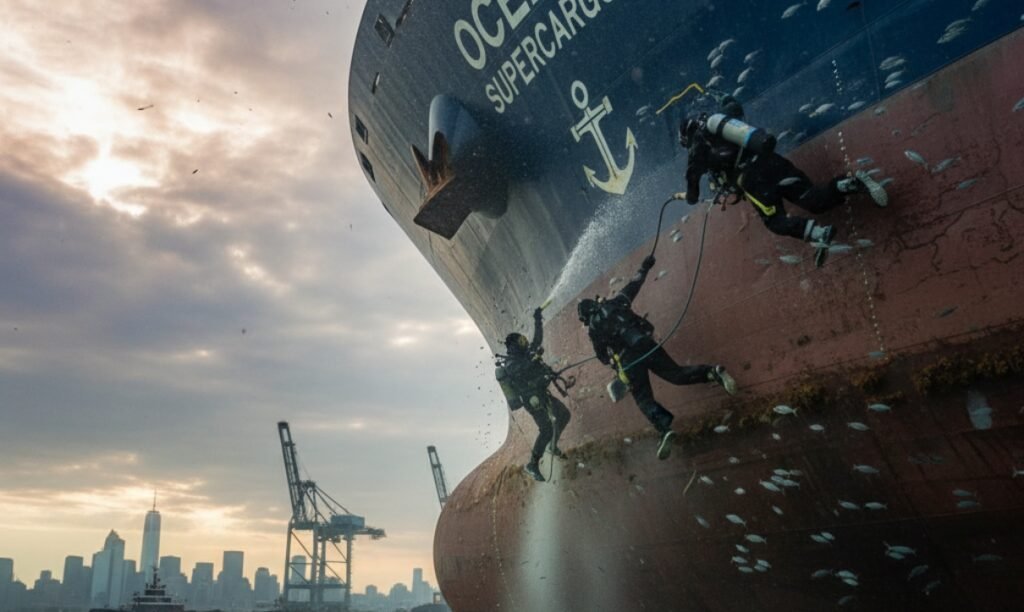
Underwater Ship Hull Cleaning in Chicago involves removing marine growth such as algae, barnacles, and other fouling organisms from a vessel’s submerged surfaces while it remains in the water. Using skilled divers or robotic systems, this process restores hull smoothness, enhancing hydrodynamics, fuel efficiency, and reducing emissions.
It also includes thorough hull inspections and condition reporting, enabling shipowners to plan maintenance proactively and avoid costly dry-docking, ensuring safer, more efficient, and environmentally compliant maritime operations.
Why Chicago’s Waters Demands This Service
Chicago’s freshwater and busy port create high risks for biofouling, such as zebra mussels and algae. If unmanaged, fouling increases fuel consumption by up to 40%, raising costs and environmental impact. Regular underwater ship hull cleaning in Chicago ensures your ship meets local and international rules, helping preserve the Great Lakes ecosystem.
Top 7 Benefits of Underwater Ship Hull Cleaning in Chicago
Cleaning reduces fuel costs by 15-25% by maintaining a slick hull surface. It also minimizes engine strain and lengthens intervals between dry-docking, saving thousands in maintenance. For ship operators, regular cleaning turns maintenance spend into a strategic investment, improving profit margins and operational efficiency.
Safety Measures During Cleaning Operations
Certified divers follow IMCA and local safety protocols, using appropriate gear and emergency plans. Coordination with port officials ensures risk mitigation, protecting both personnel and vessels. Policies also include environmentally safe cleaning tools to prevent hull damage and water contamination.
Underwater ship hull cleaning in Chicago supports eco-friendly shipping by lowering emissions and minimizing hull repainting needs. Modern cleaning includes particulate capture systems to avoid dispersing toxic paint and invasive species. These practices align with the IMO and MARPOL’s goals to protect aquatic environments.
Modern Technologies in Underwater Ship Hull Cleaning in Chicago
Robotic cleaning systems with high-efficiency filtration operate in Chicago to minimize environmental harm while maximizing cleaning performance. ROVs offer precision cleaning in tricky hull niches and reduce downtime compared to manual methods. Technologies like the EnviroHull system are designed to capture debris and metals during cleaning, preserving Great Lakes water quality.
Documentation and Flag Compliance Importance
Maintaining thorough records of underwater ship hull cleaning in Chicago meets flag state and port authority requirements. This documentation supports inspections, insurance claims, and legal compliance, assuring authorities that your vessel adheres to regulations.
Industry Innovations and Future Outlook
Digitized maritime records, blockchain for certification, and AI-assisted inspections are transforming documentation and compliance. Chicago’s maritime services are gradually adopting these to enhance transparency and efficiency in underwater ship hull cleaning operations.
Marine Supercargo Plays a Key Role
Marine Supercargo offers exceptional global underwater hull, tank, and hold cleaning combined with cargo supervision and regulatory compliance services. Their recent Drug & Alcohol Testing services add crew safety and compliance assurance, a crucial combination for professional maritime operators.
Choosing the Right Cleaning Service in Chicago
Verify operator certifications aligned with IMO, MARPOL, and IMCA
Ensure use of non-abrasive, environmentally safe cleaning tools
Request detailed inspection reports with pre- and post-clean photos
Prioritize experience with freshwater biofouling challenges
Schedule cleanings to fit your vessel’s operational calendar
How Often Should You Clean?
Cleaning frequency depends on vessel type and water conditions, typically recommended every 3-6 months in Chicago. Timely cleaning prevents fouling build-up, sustaining fuel efficiency and compliance with environmental mandates.
Cost Considerations
Expenses vary by vessel size, fouling degree, and cleaning technology. Despite periodic costs, the fuel savings and deferred repairs make underwater hull cleaning a wise investment.
Simplifying Technical Terms
Biofouling: The buildup of marine organisms on the hull that increases drag.
Dry-docking: Removing the vessel from the water for repairs or painting.
ROV: A remotely operated underwater robot for inspection and cleaning.
IMO: International agency regulating shipping safety and environment.
MARPOL: The marine pollution prevention treaty.
Real-Life Success: Chicago Vessel Fuel Savings
A Chicago-based shipping company reported a 20% reduction in fuel costs after regular underwater ship hull cleaning in Chicago, leading to significant operational savings and improved compliance with Great Lakes environmental regulations.
Underwater ship hull cleaning in Chicago
Conclusion
Underwater ship hull cleaning in Chicago boosts fuel efficiency, reduces costs, and ensures safety and environmental compliance. Staying ahead with proper documentation and innovative technology prepares your vessel for future maritime challenges. For expert maritime compliance and service excellence, CleanShip.co remains your reliable partner.
FAQs:
Q1. Why is Flag Documentation crucial for ship safety?
Flag documentation ensures your vessel meets national and international safety and environmental standards, vital for legal operation.
Q2. How are documentation and maritime law connected?
Documentation is essential for enforcing laws, proving compliance, and resolving disputes in maritime affairs.
Q3. What role does Drug & Alcohol Testing play in maritime operations?
It promotes crew fitness, reduces accidents, and ensures regulatory compliance onboard.
Q4. What benefits does proper documentation offer crew and vessel management?
It facilitates operational transparency, maintenance scheduling, safety compliance, and insurance claims.
Q5. What future trends impact flag documentation and underwater ship hull cleaning in Chicago?
Digitalization, blockchain, AI inspections, and enhanced sustainability reporting are shaping future maritime compliance.