Underwater Ship Hull Cleaning in Charleston: Essential Insights for Shipowners
Maintaining your ship’s hull underwater is like giving your vessel a fresh breath—removing harmful marine growth that slows it down and drains resources. In Charleston’s busy port waters, effective hull cleaning is vital to keep your ship swift, safe, and compliant with environmental laws. This guide will sail you through the importance, benefits, technologies, and regulations of underwater ship hull cleaning in Charleston, helping you make informed decisions that protect both your vessel and the ocean.
Importance of Underwater Ship Hull Cleaning in Charleston – Why Every Ship Needs It Regularly
Underwater ship hull cleaning in Charleston combats biofouling—the stubborn buildup of barnacles, algae, and microorganisms on hull surfaces—that significantly reduces a ship’s speed and increases fuel consumption. Regular cleaning sustains the vessel’s structural integrity by preventing corrosion and mechanical damage caused by these marine organisms. In Charleston’s warm waters, hull fouling tends to accumulate fast, making routine cleaning indispensable for operational efficiency and longevity.
Benefits of Regular Underwater Ship Hull Cleaning in Charleston – Fuel Efficiency, Speed, and Reduced Maintenance
Keeping the hull clean is like removing the drag on a swimmer’s suit—it helps your ship glide effortlessly through water. This reduces fuel consumption, saving money and lowering carbon emissions. Cleaner hulls also prolong antifouling paint efficacy, reduce dry-docking frequency, and lower maintenance costs. Ships benefit from increased speed and improved maneuverability, crucial in Charleston’s navigational channels where timely arrivals matter.
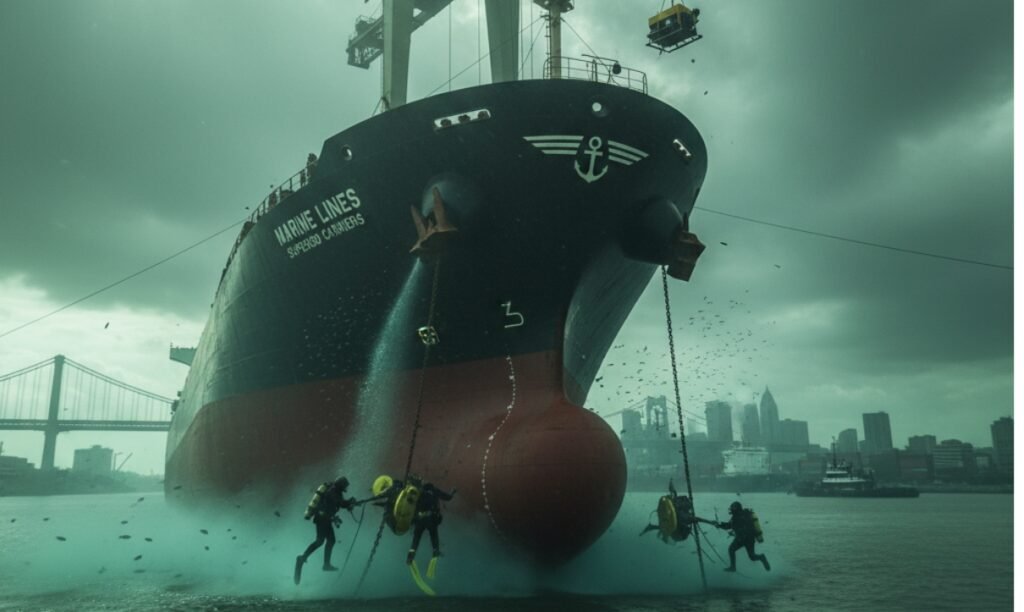
Professional underwater ship hull cleaning in Charleston to remove marine growth
Environmental Advantages of Eco-Friendly Cleaning – MARPOL and Local Compliance
Eco-friendly underwater ship hull cleaning in Charleston respects marine ecosystems and complies with international regulations such as MARPOL and local Charleston port rules. Such methods prevent the release of harmful toxins and invasive species into the harbor. Using environmentally safe technologies ensures your vessel aligns with the International Maritime Organization (IMO) and local requirements, safeguarding both your reputation and the environment.
Cost Savings Through Underwater Ship Hull Cleaning in Charleston – Reduced Fuel and Dry-Docking Costs
Regular underwater cleaning reduces fuel costs by lowering drag, which otherwise forces engines to work harder. Additionally, it delays the necessity for costly dry-docking for hull maintenance. These savings add up, making hull cleaning an investment that pays for itself over time by optimizing operational budgets for shipowners and managers in Charleston. Also read about 7 Powerful Benefits of Underwater Hull Cleaning in Boston.
Hull Biofouling Prevention Techniques – Anti-Fouling Coatings and Best Practices
Preventing biofouling involves applying specialized anti-fouling coatings that inhibit marine growth. Best practices include regular inspections and timely cleaning to preserve the coating’s effectiveness. Combining these with underwater cleaning initiatives ensures your hull remains roughness-free and protected against marine organisms, especially in the warm, biologically active Charleston waters.
Robotic Hull Cleaning Innovations – Using ROVs and Automated Cleaning Systems
Robotic and remotely operated vehicles (ROVs) revolutionize hull cleaning by reaching difficult areas without risking divers’ safety. These systems offer precise, eco-friendly cleaning with minimal hull damage. The automation trend improves efficiency and allows for frequent cleaning schedules, ensuring peak vessel performance in Charleston’s demanding maritime environment.
Manual vs Mechanical Cleaning – Pros, Cons, and Safety Considerations
Manual cleaning involves trained divers who can inspect the hull closely but face safety risks such as underwater currents and equipment hazards. Mechanical cleaning employs automated brushes and water jets, providing consistent cleaning while minimizing human risk. Each method has trade-offs; combining both can optimize results depending on vessel size and environmental conditions.
Inspection and Maintenance Integration – Combining Cleaning with Surveys
Integrating underwater ship hull cleaning in Charleston with inspections maximizes vessel upkeep efficiency. While cleaning removes biofouling, divers or ROVs can simultaneously assess hull condition, detect corrosion, or damage early, preventing costly repairs later. This dual approach is increasingly popular in Charleston, supporting proactive maintenance schedules.
Scheduling Underwater Ship Hull Cleaning in Charleston – Frequency Based on Vessel Type and Waters
Cleaning frequency varies: cargo ships in warm Charleston waters may need monthly cleaning; leisure yachts might require less frequent services. Idle vessels accumulate biofouling faster, demanding more regular attention. Tailoring schedules to vessel use and environment helps optimize maintenance costs and performance. Learn more about the Top 7 Benefits of Underwater Ship Hull Cleaning in Jersey.
Underwater Ship Hull Cleaning in Charleston Regulations – IMO, MARPOL, and Local Port Rules
Compliance with IMO and MARPOL conventions is mandatory for underwater cleaning practices. Charleston’s port authorities also impose specific environmental and operational rules, ensuring debris and invasive species are managed properly. Adhering to these standards avoids fines, protects ecosystems, and promotes sustainable shipping.
Crew Safety During Cleaning Operations – Diver Protocols and Risk Management
Diver safety protocols require comprehensive training, proper equipment, and risk mitigation strategies such as emergency plans and communication systems. Safety is paramount during hull cleaning, especially in busy Charleston waters with heavy vessel traffic. Professional teams follow strict guidelines to protect crews from underwater hazards.
Hull Cleaning in Cold vs Warm Waters – Regional Differences and Challenges
Warm waters like Charleston accelerate biofouling growth, demanding more frequent cleaning than colder regions. Cold waters have slower fouling buildup but pose other challenges, such as ice or low visibility. Understanding these regional dynamics helps tailor cleaning methods and schedules effectively.
Technology in Hull Cleaning – Sensors, AI, and Real-Time Monitoring
Advanced sensors and AI-powered monitoring systems now assist in optimizing cleaning operations by identifying biofouling hotspots and assessing hull conditions in real-time. This digital approach reduces downtime and enhances precision, marking a new era in hull maintenance technology. Read more about 7 Essential Benefits of Underwater Ship Hull Cleaning in Aberdeen.
Documentation and Compliance Support – Linking Cleaning with Flag Documentation
Maintaining proper records of underwater cleaning supports flag state documentation and inspections required by maritime law. Accurate compliance documentation ensures smooth port operations and certification renewals, protecting your vessel’s legal standing in Charleston and worldwide.
Fuel Efficiency Case Studies – Real-World Examples of Savings Post-Cleaning
Studies show ships can reduce fuel consumption by up to 15% after thorough hull cleaning, translating into significant cost savings and lower emissions. These cases highlight the tangible benefits of regular cleaning, reinforcing its critical role in fleet efficiency.
Port-Specific Cleaning Guidelines – Rules in New Plymouth, Tacoma, Columbus, etc.
Each port enforces unique underwater cleaning rules based on local environmental conditions and regulations. Charleston’s guidelines emphasize eco-friendly technologies and invasive species control, aligning with international standards and protecting harbor health.
Drug & Alcohol Testing for Crews – Ensuring Safety During Hull Operations
Professional maritime operations in Charleston now include mandatory drug and alcohol testing protocols for crews involved in hull cleaning. This enhances operational safety, crew well-being, and compliance with maritime labor conventions. Also read about Crew Alcohol and Drug Testing: 7 Safety Essentials.
Future Trends in Hull Cleaning – Smart Cleaning, Eco-Innovation, and Predictive Maintenance
The future lies in AI-driven predictive maintenance systems, eco-innovative cleaning materials, and autonomous cleaning robots, as industry leaders push toward safer, greener, and more efficient underwater cleaning solutions. These developments will further support compliance and operational excellence for Charleston vessels.
Special Section: Marine Supercargo Services
Marine Supercargo offers global underwater hull, tank, and hold cleaning, alongside expert cargo supervision and compliance support. Recently, it has enhanced crew safety by adding professional Drug & Alcohol Testing services, bolstering regulatory compliance and operational reliability. These services align with IMO, IMCA, and MARPOL standards, ensuring comprehensive maritime maintenance and safety solutions worldwide.
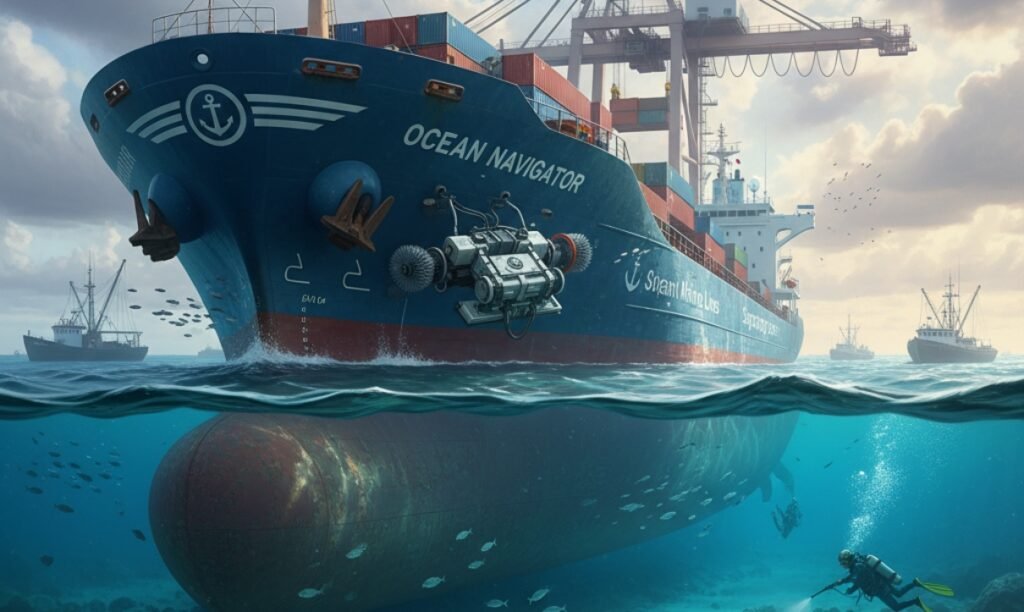
Expert underwater ship hull cleaning in Charleston for vessels
Conclusion
Underwater ship hull cleaning in Charleston is essential for optimizing vessel performance, cutting costs, and ensuring compliance with environmental and safety regulations. Regular cleaning prevents biofouling, improves fuel efficiency, and extends hull lifespan while protecting marine ecosystems. Embracing advanced cleaning technologies and proper documentation strengthens operational integrity. For assured compliance and maritime service excellence, shipowners are encouraged to partner with trusted experts like CleanShip.co.
FAQs:
Q1. What is the importance of underwater ship hull cleaning in Charleston?
Regular underwater ship hull cleaning in Charleston prevents biofouling, reduces fuel costs, and maintains vessel speed. It supports compliance with environmental regulations, ensuring your ship operates efficiently and safely in regional waters.
Q2. Why is flag documentation vital for ship safety and compliance?
Flag documentation certifies a ship’s compliance with international safety, environmental, and operational standards. Proper records ensure smooth inspections, legal operation, and access to port services worldwide.
Q3. How are vessel documentation and maritime law connected?
Vessel documentation formalizes compliance with maritime laws and conventions like IMO and MARPOL. It provides proof of adherence to safety, environmental, and operational regulations essential for legal navigation.
Q4. What role does drug and alcohol testing play in maritime operations?
Drug and alcohol testing safeguards crew health and operational safety by ensuring personnel are fit for duty. It reduces accidents during complex tasks such as underwater ship hull cleaning in Charleston, supporting regulatory requirements.
Q5. How does proper documentation benefit crew and vessel management?
Accurate documentation streamlines vessel inspections, crew certifications, and maintenance tracking, enhancing safety and operational reliability while easing compliance with maritime authorities.