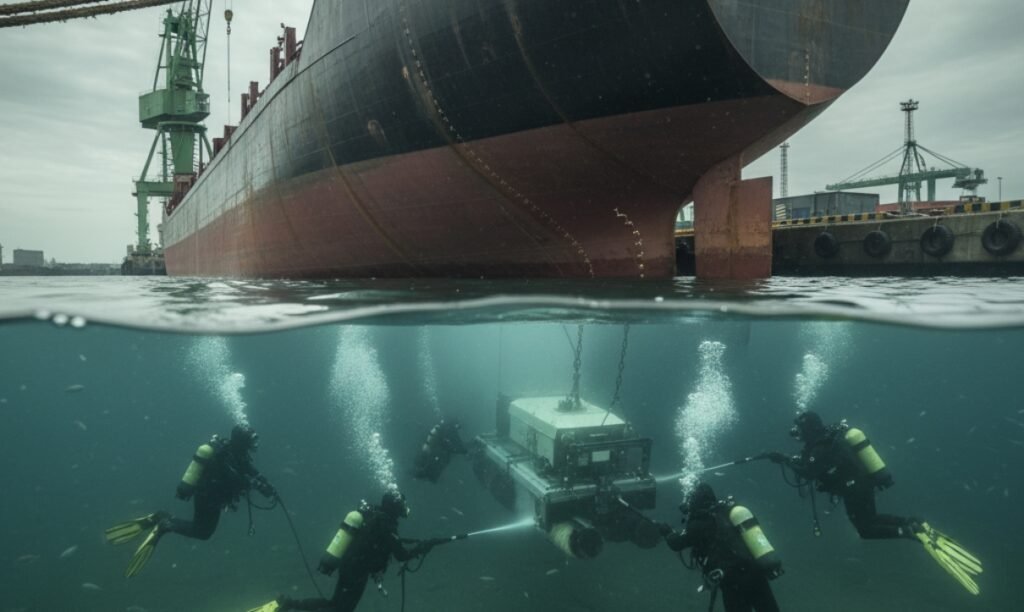
Underwater Hull Cleaning in Providence – Essential Insights for Shipowners
Marine growth, including barnacles, algae, and biofouling, accumulates quickly on submerged hulls, reducing speed and increasing fuel consumption. Regular underwater hull cleaning prevents corrosion and mechanical damage, preserving hull integrity and vessel longevity. This maintenance practice enhances operational efficiency while preventing costly dry-docking and repairs. Every ship sailing in the Providence waters must prioritize hull cleaning to ensure optimal performance and environmental regulations.
Benefits of Regular Underwater Hull Cleaning in Providence – Fuel Efficiency, Speed, Reduced Maintenance
Keeping the hull clean by removing biofouling significantly reduces drag, resulting in better fuel efficiency and higher speeds. Lower resistance means engines work less, saving costs on fuel and reducing carbon emissions. Routine hull cleaning also extends the life of anti-fouling coatings and reduces the frequency and expenses of dry-docking, offering long-term economic benefits for fleet managers.
Environmental Advantages of Eco-Friendly Cleaning – MARPOL and Local Compliance
Eco-friendly underwater hull cleaning in Providence methods align with the MARPOL Convention and local environmental standards. These methods prevent toxic anti-fouling paint residues from polluting marine ecosystems while effectively removing biofouling. Using advanced cleaning technology ensures compliance with international regulations, protecting marine biodiversity and improving the sustainability of shipping operations.
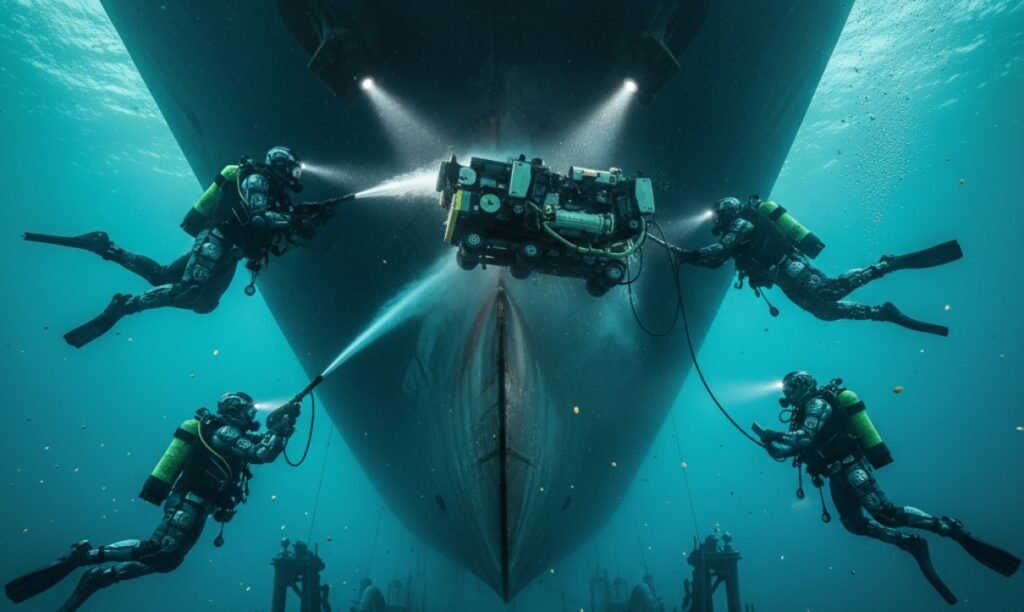
Underwater hull cleaning in Providence Harbor
Cost Savings Through Underwater Hull Cleaning in Providence – Reduced Fuel and Dry-Docking Costs
Regular hull cleaning cuts operational costs drastically by decreasing fuel consumption and delaying expensive dry-docking procedures. Clean hulls reduce the strain on engines, minimizing maintenance and repair costs. This cost efficiency translates to higher profitability and improved vessel availability for voyages around Providence’s ports.
Hull Biofouling Prevention Techniques – Anti-Fouling Coatings and Best Practices
Biofouling prevention involves applying specialized anti-fouling coatings that inhibit organism growth and adopting best practices like frequent inspection and cleaning schedules. New-generation coatings combined with underwater cleaning preserve the hull’s protective layer and mitigate biofouling buildup, reducing maintenance demands.
Robotic Underwater Hull Cleaning in Providence Innovations – Using ROVs and Automated Systems
Robotic technology, including remotely operated vehicles (ROVs), is revolutionizing underwater hull cleaning in Providence. These automated systems clean hulls efficiently without the need for divers, ensuring safety and precision even in hard-to-reach areas. The adoption of robotics is making cleaning faster, eco-friendly, and less risky. Read more about 7 Powerful Benefits of Underwater Hull Cleaning in Philadelphia.
Manual vs Mechanical Cleaning – Pros, Cons, and Safety Considerations
Manual cleaning by divers allows detailed inspection, but poses safety risks and higher costs. Mechanical cleaning machines or robots reduce human risk and improve consistency, but they may require initial investment and maintenance. Choosing the best method depends on vessel size, budget, and operational constraints.
Inspection and Maintenance Integration – Combining Cleaning with Surveys
Integrating underwater hull cleaning with routine inspections and maintenance surveys helps detect potential issues early, ensuring comprehensive vessel care. This proactive approach reduces downtime and improves compliance with classification societies and flag state regulations.
Scheduling Underwater Hull Cleaning in Providence – Frequency Based on Vessel Type and Waters
Cleaning schedules vary depending on vessel type, water temperature, and biofouling risk. Ships operating in warm, nutrient-rich waters like Providence typically require hull cleaning every 3-6 months to maintain efficiency. Idle vessels may need more frequent attention to prevent heavy buildup.
Underwater Hull Cleaning Regulations – IMO, MARPOL, and Local Port Rules
Strict adherence to IMO and MARPOL regulations governs underwater hull cleaning methods, waste disposal, and environmental protection. Providence port authorities enforce specific rules to prevent pollution, requiring vessels to maintain proper documentation and certify cleaning compliance. Learn more about the Top 7 Benefits of Underwater Ship Hull Cleaning in Jersey.
Crew Safety During Cleaning Operations – Diver Protocols and Risk Management
Ensuring crew safety is vital during underwater hull cleaning in Providence. Protocols include diver training, use of safe equipment, and emergency procedures. Risk management involves continuous monitoring to prevent accidents during manual cleaning operations.
Hull Cleaning in Cold vs Warm Waters – Regional Differences and Challenges
Cold water hull cleaning differs from warm water cleaning due to different types of biofouling and growth rates. Providence’s temperate climate demands tailored cleaning techniques and schedules to manage fouling without damaging hull coatings effectively.
Technology in Hull Cleaning – Sensors, AI, and Real-Time Monitoring
Technological advancements include sensors to monitor hull condition and AI-driven systems optimizing cleaning schedules. Real-time data helps predict maintenance needs and improves decision-making for fleet managers in Providence. Also read about 7 Powerful Benefits of Underwater Hull Cleaning in Boston.
Documentation and Compliance Support – Linking Cleaning with Flag Documentation
Underwater hull cleaning documentation supports flag state compliance, verifying that vessels meet safety and environmental standards. Proper records facilitate inspections, classification, and port state control, reducing risks of non-compliance penalties.
Fuel Efficiency Case Studies – Real-World Savings Post-Cleaning
Case studies show vessels achieving up to 15% fuel savings after hull cleaning, demonstrating clear economic and environmental benefits. These examples encourage shipowners to adopt regular cleaning practices for improved fleet performance.
Port-Specific Cleaning Guidelines – Rules in Providence and Other Ports
Providence and ports like New Plymouth and Tacoma have specific underwater hull cleaning regulations. Knowing local rules ensures smooth operations and avoids fines, emphasizing the importance of regional compliance.
Drug & Alcohol Testing for Crews – Safety During Hull Operations
Maritime regulations increasingly require drug and alcohol testing for crews to ensure safety during hull cleaning and other operations. This practice prevents accidents caused by impaired personnel, protecting vessels and the crew’s well-being. Also read about Crew Alcohol and Drug Testing: 7 Safety Essentials.
Emerging trends include smart cleaning technologies with AI, eco-friendly solutions, and predictive maintenance that anticipates biofouling issues. These innovations promise safer, cleaner, and more efficient underwater hull cleaning in Providence and worldwide.
Special New Section: Marine Supercargo Services
Marine Supercargo provides global underwater hull, tank, and hold cleaning, alongside expert cargo supervision and compliance support. Recently, it has integrated professional drug & alcohol testing services to enhance crew safety and meet maritime regulatory standards. These comprehensive offerings strengthen maritime operations and ensure adherence to international and local compliance requirements.
Underwater hull cleaning in Providence to remove marine fouling
Conclusion
Underwater hull cleaning in Providence is vital for maintaining vessel efficiency, reducing operational costs, and ensuring environmental compliance. Regular cleaning prevents biofouling damage and supports fuel savings, while eco-friendly methods comply with MARPOL and local regulations. Integrating advanced technology and proper documentation enhances safety and regulatory adherence. For seamless compliance and maritime service excellence, CleanShip.co stands out as a trusted partner.
FAQs:
Q1. How is underwater hull cleaning in Providence and Camden different?
Camden implements similar eco-friendly cleaning standards, but schedules and regulations may vary slightly based on local port authority rules.
Q2. Why is flag documentation important for ship safety?
Flag documentation certifies compliance with international safety standards, helping authorities verify vessel seaworthiness.
Q3. How does documentation connect to maritime law?
Proper documentation proves adherence to laws and regulations, which is crucial in legal disputes and inspections.
Q4. What role does Drug & Alcohol Testing play in maritime operations?
It ensures crew readiness and safety, reducing risks of accidents during critical tasks like hull cleaning.
Q5. What are future trends in flag documentation and vessel inspection?
Digital documentation, AI-based inspections, and real-time compliance monitoring are transforming maritime safety management.