Underwater Hull Cleaning in Ghana
Every ship that sails Ghana’s coast faces a constant challenge: marine life clinging to its hull, creating unseen resistance. Over time, barnacles, algae, and other organisms pile up, forcing engines to work harder. Underwater hull cleaning in Ghana is essential maintenance for any fleet aiming for peak efficiency and long-term sustainability.
By removing biofouling before it gets out of hand, you save on fuel, protect valuable coatings, and stay compliant with strict maritime laws. The process doesn’t just clean your hull—it breathes new life into your vessel, letting you glide smoothly through Ghanaian waters with confidence and control.
The Importance of Underwater Hull Cleaning in Ghana
Think of marine growth as tiny hitchhikers slowing your journey. In the warm Atlantic waters, biofouling builds up shockingly fast. Underwater hull cleaning in Ghana keeps this growth in check, helping ships maintain top speed and meet tight schedules. Even a thin layer of slime can boost fuel consumption by up to 10%, while heavy fouling can raise costs by 30% or more.
Early, frequent cleaning means you avoid these losses. It’s not just about speed—it’s about upholding safety and performance standards, keeping both insurance companies and port authorities satisfied.
Environmental Compliance and Global Standards
Modern shipping is under the microscope when it comes to the environment. Underwater hull cleaning in Ghana ensures vessels align with MARPOL Convention and IMO rules, which demand lower emissions and less invasive species spread. By stripping marine growth before crossing borders, ships reduce the risk of introducing non-native organisms into new ecosystems. Efficient hulls also burn less fuel, lowering greenhouse gas output. Ghana’s leading cleaning services use eco-friendly methods and manage waste securely. They don’t just help you meet legal obligations—they help build your company’s reputation as a responsible operator.
Techniques Used for Underwater Hull Cleaning
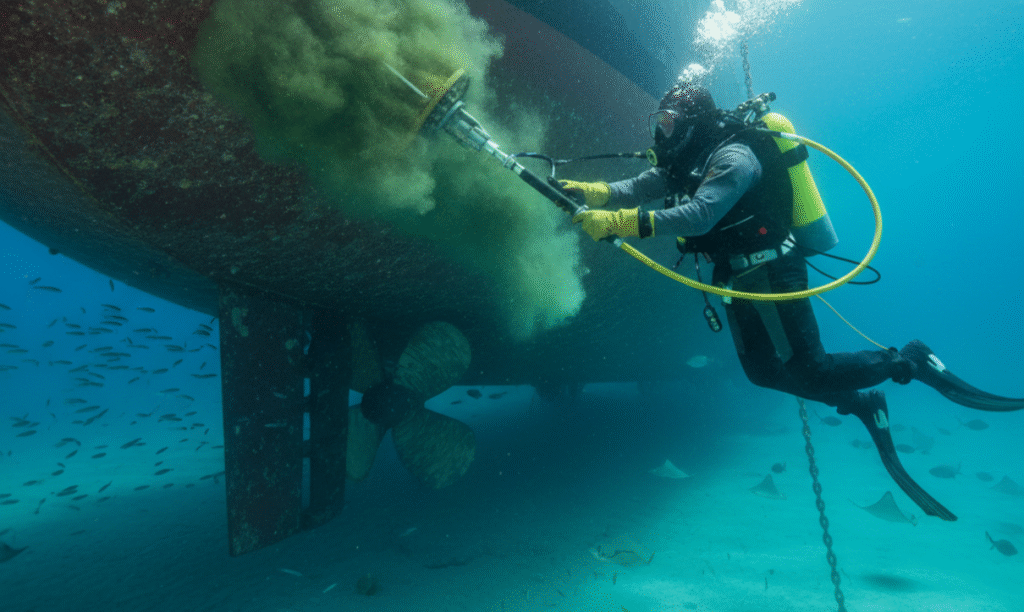
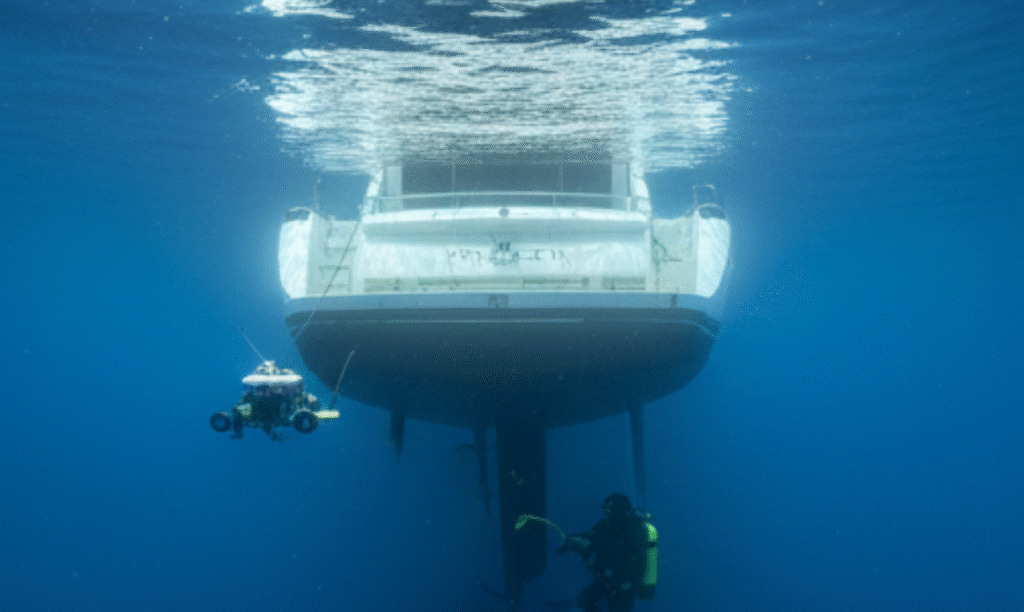
Not all fouling is the same, and neither are the tools used to remove it. Underwater hull cleaning in Ghana employs a toolkit ranging from diver-operated brushes to robotic cleaning systems. Hydraulic cleaning heads dislodge tough barnacles, while softer rotary brushes gently clear algae. Cavitation cleaning, which uses high-pressure bubbles, handles stubborn debris without damaging paint.
Increasingly, remote-controlled robots do the job, supervised by skilled technicians. Choosing the right technique depends on biofouling thickness, hull condition, and the vessel’s schedule—ensuring a tailored, safe solution for every scenario. Read more about Underwater ship hull cleaning in Libreville.
Cost Savings and Operational Benefits
For shipowners, saving money is often reason enough—but the benefits go further. Underwater hull cleaning in Ghana restores hydrodynamics, cutting drag and slashing fuel costs voyage after voyage. Fewer dry-dockings are needed because coatings last longer and corrosion is kept at bay. This preventive approach means budget predictability and operational uptime—a crucial edge for vessels in Ghana’s busy trading corridors. Data-driven cleaning schedules from platforms like CleanShip.co keep you ahead, optimizing maintenance for both savings and environmental impact. Also read about Underwater Hull Cleaning in Gambia
“Marine cleaning, anytime. Anywhere. 🌊 #GlobalMarine”#shipping #maritime #ship #cruises #sealife #port #shipping #marine #captain #vessel #ships #cargo pic.twitter.com/GgKTqEMETK
— Marine Super Cargo (@Marinsupercargo) October 4, 2025
Safety Protocols and Team Training
Working beneath the waves is risky. Underwater hull cleaning in Ghana is always performed by certified teams following IMCA protocols—ensuring diver safety, reliable communication, and absolute compliance. Before each job, risk assessments are run; equipment checks and safety briefings are the rule, not the exception.
Both divers and surface support crews are trained to manage emergencies and track environmental impact. Frequent refresher training keeps teams up to date as industry regulations and technology evolve. With safety at the forefront, your hull gets the care it needs without compromise. Also read about underwater ship hull cleaning in Moroni.
Choosing a Trustworthy Partner
Selecting the right service provider for underwater hull cleaning in Ghana can make all the difference for your fleet. Look for certifications from international organizations like IAPH and evidence of transparent work processes. The best contractors deliver detailed reports showing before-and-after hull conditions, used methods, and waste management steps.
They’re open about schedules, pricing, and regulatory compliance. Experienced teams also provide suggestions to improve maintenance routines and prevent costly fouling build-up, making them true partners in your ship’s long-term health. Also, know about underwater ship hull cleaning in Mutsamudu.
Marine Supercargo Expands Services: Drug & Alcohol Testing for Safer Seas
Marine Supercargo, known for its global marine cleaning solutions, has introduced professional Drug & Alcohol Testing in Ghana. With safety at sea becoming ever more important, this service helps ship owners, operators, and managers ensure crews are fit for duty. Regular, trusted testing limits the risk of accidents, secures operational efficiency, and meets international maritime standards.
Marine Supercargo’s testing process is discreet, effective, and fully aligned with IMO and MARPOL frameworks. By integrating safety testing with underwater hull cleaning in Ghana, ship operators demonstrate commitment not just to vessel care but also to safe, compliant, and productive shipboard environments. Read more about Underwater ship hull cleaning in Congo.
Future Trends in Underwater Hull Cleaning
Underwater hull cleaning in Ghana is evolving. Robotics, AI, and data analytics now make cleaning more precise and less disruptive. Predictive models suggest ideal cleaning intervals based on water condition, vessel speed, and biofouling rates. New anti-fouling coatings are designed for lower environmental impact, requiring fewer cleanings over time.
Environmental reporting tools track your compliance, making audits and inspections far simpler. Ghana’s ports and maintenance firms are quick adopters of these trends, lifting operational standards and future-proofing fleets for the decades to come. Learn more about Underwater ship hull cleaning in Djibouti.
Workforce Development and Training Initiatives
There’s no such thing as effective underwater hull cleaning in Ghana without a dedicated, skilled workforce. Dive technicians and robotics operators undergo extensive safety, technical, and regulatory training. Providers often maintain close partnerships with local maritime academies for continuous learning.
Regular courses on the latest cleaning technology, environmental practices, and compliance are standard. Supervisors ensure clear communication and process discipline. This blend of human expertise and modern tools gives shipowners reliable, high-performance cleaning year-round while keeping staff safe and motivated. Learn about Underwater ship hull cleaning in Egypt.
Documentation and Transparency
Detailed records are more important than ever. From pre-cleaning inspections to post-service reports with photos and performance metrics, underwater hull cleaning in Ghana emphasizes clear, transparent documentation. Operators gain full visibility on their hull’s health and cleaning outcomes.
These records simplify compliance, support insurance claims, and allow for better planning. They’re also useful for benchmarking: you can see exactly how much money and fuel you’re saving with each cleaning cycle, reinforcing the value of your investment in routine preventive maintenance.
Conclusion
Underwater hull cleaning in Ghana is more than routine—it’s the foundation of smarter, safer, and more profitable shipping operations. It ensures vessels stay efficient, environmentally compliant, and ready to perform. Regular cleanings save fuel, extend coating life, and help avoid expensive repairs.
Choosing trained, certified partners keeps both vessels and crews safe. As advanced technologies and global standards rise, CleanShip.co leads the way, keeping you ahead of the curve. For every ship in Ghana, clean hulls open doors to smoother, greener, and more successful journeys.
FAQs:
Q1. Why is underwater hull cleaning critical for ships in Ghana?
It keeps fuel use low, improves performance, and ensures vessels comply with MARPOL and IMO rules—especially crucial in warm, fast-fouling waters.
Q2. How does Drug & Alcohol Testing support ship safety?
Regular testing reduces accident risk, assures compliant crews, and proves due diligence for insurance and maritime authorities.
Q3. How often should underwater hull cleaning be scheduled?
Six to twelve-month intervals are typical in Ghana, depending on fouling levels, trade routes, and operational schedules.
Q4. Are robotic cleaning tools used in Ghana’s ports?
Yes, automation and robotics are increasingly used, led by data analytics to optimize timing and effectiveness for safe and eco-friendly cleaning.
Q5. How is waste cleaning managed responsibly?
Licensed providers use eco-safe methods and handle waste per international regulations, protecting both crews and Ghana’s marine environment.