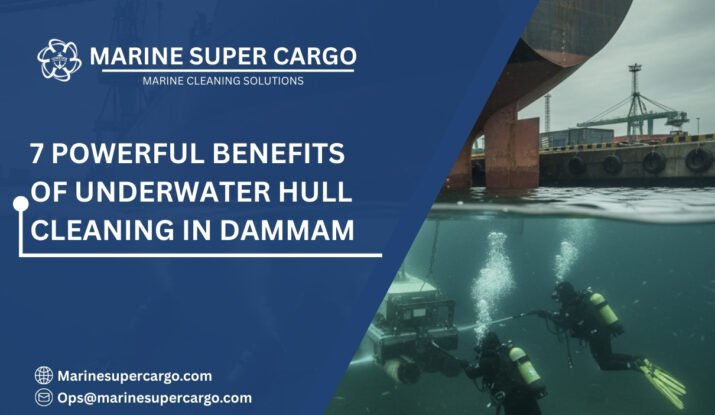
Underwater Hull Cleaning in Dammam—Save Fuel, Boost Speed, Reduce Emissions, and Maintain Vessel Performance.
Underwater hull cleaning in Dammam is essential for maintaining vessel performance, reducing fuel consumption, and ensuring regulatory compliance. As a critical maritime service, it removes biofouling—marine growth like algae and barnacles—that impairs hull efficiency. This process not only extends the vessel’s life but also helps avoid costly dry-docking.
Your ship’s hull, submerged in water, is like the skin of a living creature, susceptible to clogging and drag if left uncleaned. Regular cleaning keeps the hull sleek, promotes safety, and supports environmental standards set by governing bodies like IMO and MARPOL. In Dammam, a major port in Saudi Arabia, professional underwater hull cleaning services leverage cutting-edge techniques to balance cost-saving and ecological responsibility.
What Is Underwater Hull Cleaning in Dammam?
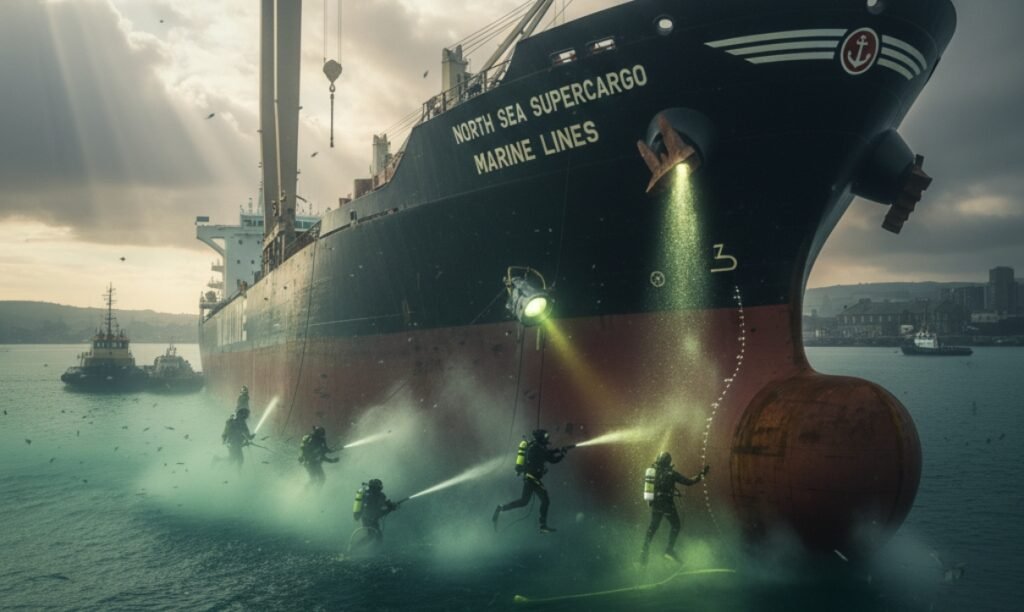
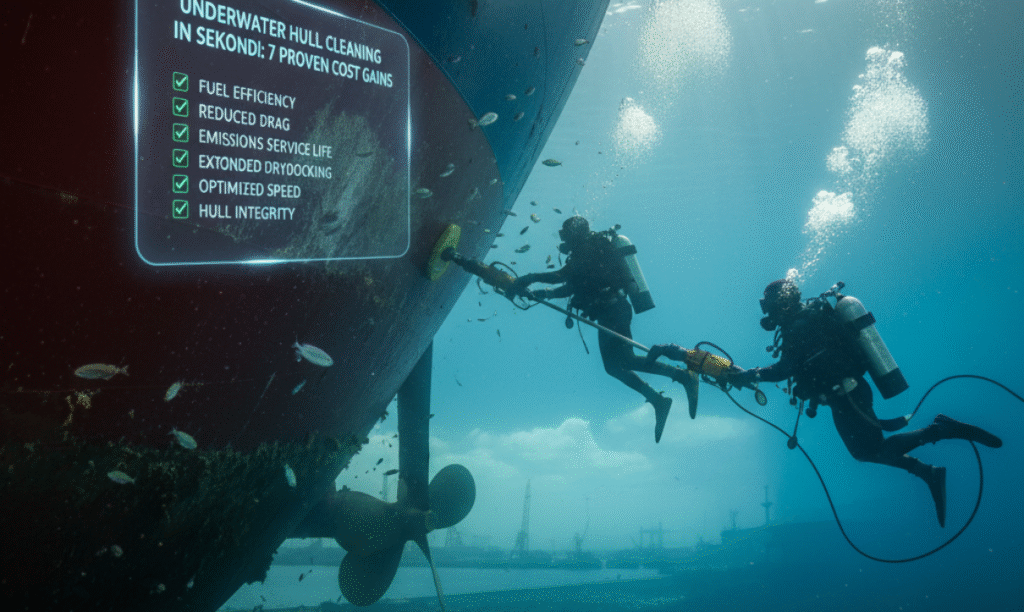
Underwater hull cleaning in Dammam is the process of removing marine fouling from the submerged parts of ships without dry-docking. Skilled divers or remotely operated vehicles (ROVs) clean the hull underwater to restore smooth surfaces, which reduces drag and improves fuel efficiency. This method saves time and money compared to traditional dry-docking.
The cleaning includes removing barnacles, algae, and other marine organisms that stick to the hull, which otherwise increase resistance and slow the vessel down. Using environmentally friendly tools and techniques compliant with MARPOL pollution prevention standards ensures no harmful substances enter the water. It’s not just maintenance but a critical step in vessel safety and eco-compliance.
Importance of Underwater Hull Cleaning in Dammam
Dammam’s strategic location as a Red Sea port exposes ships to aggressive marine growth, making underwater cleaning vital. High fouling levels increase fuel consumption by up to 40%, inflating operational costs. Cleaning in Dammam helps ships maintain competitive efficiency and reduces carbon emissions, aligning with IMO’s global efforts to cut greenhouse gases.
It also ensures compliance with Saudi maritime regulations and global standards, avoiding penalties or detentions during inspections. Shipowners benefit from heavier fuel savings and longer vessel lifespans, while environmentalists see reduced pollution risks from invasive species transfer. Also read about 7 Powerful Benefits of Underwater Hull Cleaning in Boston.
Compliance Requirements and Regulatory Bodies
Maintaining hull cleanliness in line with regulations is mandatory. The International Maritime Organization (IMO) and MARPOL Convention set strict standards on ballast water and hull fouling management to prevent invasive species and pollution. The International Marine Contractors Association (IMCA) provides guidelines on underwater cleaning to ensure diver safety and operational protocols.
Dammam port authorities collaborate with international frameworks to ensure vessels meet port and flag state requirements. Regular documentation and inspection reports provide evidence of compliance, helping avoid costly fines and detentions.
“Marine cleaning, anytime. Anywhere. 🌊 #GlobalMarine”#shipping #maritime #ship #cruises #sealife #port #shipping #marine #captain #vessel #ships #cargo pic.twitter.com/GgKTqEMETK
— Marine Super Cargo (@Marinsupercargo) October 4, 2025
Cost-Saving Advantages of Regular Underwater Hull Cleaning in Dammam
Underwater hull cleaning in Dammam significantly reduces fuel expenses by maintaining hull smoothness, thus lowering resistance. This translates into up to 15-25% fuel savings compared to uncleaned hulls. Avoiding dry-docking saves days or weeks of downtime and high repair costs. Regular cleaning also decreases wear on propulsion systems and prevents corrosion damage, deferring expensive repairs. Such predictive maintenance protects your investment and improves profit margins by cutting operational costs consistently. Learn more about the Top 7 Benefits of Underwater Ship Hull Cleaning in Jersey
Safety Considerations for Underwater Hull Cleaning in Dammam
Safety is paramount for divers and crew during underwater operations in Dammam. Services adhere to IMCA and local safety regulations, including diver certification, use of environmentally safe tools, and comprehensive risk assessments. Coordination with port authorities ensures minimal vessel disruption and accident prevention. Proper safety protocols protect not only human lives but also the ship’s structural integrity and environment.
Environmental Impact and Green Shipping
Underwater hull cleaning in Dammam promotes greener shipping by lowering fuel consumption and related carbon emissions. However, careless cleaning can release harmful invasive species or toxic paint residues into the water. Therefore, eco-friendly cleaning methods that capture and dispose of debris responsibly are mandatory under IMO and MARPOL rules. Dammam’s cleaning operators prioritize sustainability to preserve marine biodiversity while helping ships meet increasingly strict environmental regulations. Read more about 7 Powerful Benefits of Underwater Hull Cleaning in Philadelphia
Techniques and Technologies Used
Modern underwater hull cleaning in Dammam employs remotely operated vehicles (ROVs), diver-operated brushes, and suction systems that minimize hull damage and environmental impact. Diverless ROVs like HullWiper can conduct efficient cleaning day or night without stopping vessel operations. High-definition underwater CCTV ensures thorough inspections post-cleaning. These advanced technologies optimize cleaning precision and safety.
Role of Documentation and Flag Compliance
Flag documentation verifies a ship’s compliance with international and local maritime laws, including maintenance like hull cleaning. Proper logs and certificates must be maintained, reflecting hull condition and cleaning frequency to satisfy port state controls and inspections. This documentation is essential for vessel registration, insurance validity, and legal operations.
Future Trends and Innovations
Emerging trends in maritime documentation include digital verification and blockchain for transparency in compliance records. Automated hull cleaning robots and AI-enhanced inspection tools promise further efficiency gains. Sustainability reporting tied to hull maintenance data enhances corporate environmental responsibility profiles. Dammam-based operators are gradually introducing these innovations to stay competitive.
Marine Supercargo Services in Context
Marine Supercargo provides comprehensive underwater cleaning, tank and hold cleaning, along with cargo supervision and regulatory compliance across global ports. It recently integrated professional drug & alcohol testing services, enhancing crew safety and regulatory adherence. This multi-faceted approach supports shipowners in maintaining operational integrity within stringent maritime laws. Also read about Crew Alcohol and Drug Testing: 7 Safety Essentials.
Conclusion
Underwater hull cleaning in Dammam is indispensable for operational efficiency, cost savings, safety, and environmental compliance. It enhances vessel performance while aligning with international maritime regulations. Keeping thorough documentation and staying abreast of technological advances will safeguard your ship’s longevity and legal standing. For compliance and maritime excellence, CleanShip.co is a trusted resource.
FAQs:
Q1. Why is flag documentation important in shipping?
Flag documentation proves a vessel’s compliance with maritime laws, ensuring it meets safety, environmental, and operational standards critical to legal and efficient shipping.
Q2. What are the key topics for ship safety and compliance?
Hull maintenance, crew certification, pollution control, cargo handling, and emergency procedures are primary subjects ensuring seaworthy and lawful operations.
Q3. How does documentation connect to maritime law?
Maritime law mandates comprehensive documentation for enforcing regulations, protecting property rights, and resolving disputes in international waters.
Q4. How does Drug & Alcohol Testing support maritime operations?
It enhances crew fitness for duty, reduces accident risks, meets regulatory requirements, and promotes a culture of safety onboard ships.
Q5. What benefits does proper documentation bring to crew and vessel management?
It provides operational transparency, aids dispute resolution, ensures regulatory compliance, optimizes maintenance schedules, and upholds safety standards.