

Ever felt like steering a cargo ship with its anchor half-dragging behind? That’s what hull fouling does—sneaking unwanted drag onto your vessel, hiking up costs, and threatening your compliance record. In Argentina, underwater hull cleaning in Cordoba is increasingly recognized as a best-practice operation that supports cleaner, faster, and more profitable shipping. But what goes on beneath the waves, and why is this procedure so critical for owners, managers, and operators routing through Cordoba?
This guide unpacks the full story—using plain language, personal analogies, and up-to-date advice. We’ll explore the technical process, global regulations, the environmental and business case, and the innovations shaping Cordoba’s maritime industry. Ready to silence those hidden saboteurs clinging to your ship’s hull? Let’s dive in.
Why Underwater Hull Cleaning in Cordoba Matters
Cordoba is a strategic inland gateway supported by Argentina’s vital river-maritime network. Even when far from the open sea, vessels and river barges in Cordoba confront aggressive biofouling—slime, algae, barnacles, and mussels piling up on hulls. The result: inferior speed, strained engines, and compliance headaches. Underwater hull cleaning in Cordoba reverses these effects, restoring your vessel to peak operating condition and helping navigate strict international standards.
Hull Fouling: The Sneaky Cost Driver
Tiny organisms quickly become big problems when left unchecked:
- Soft fouling: Algae and slime build harmless-looking layers that quietly eat into hydrodynamic efficiency.
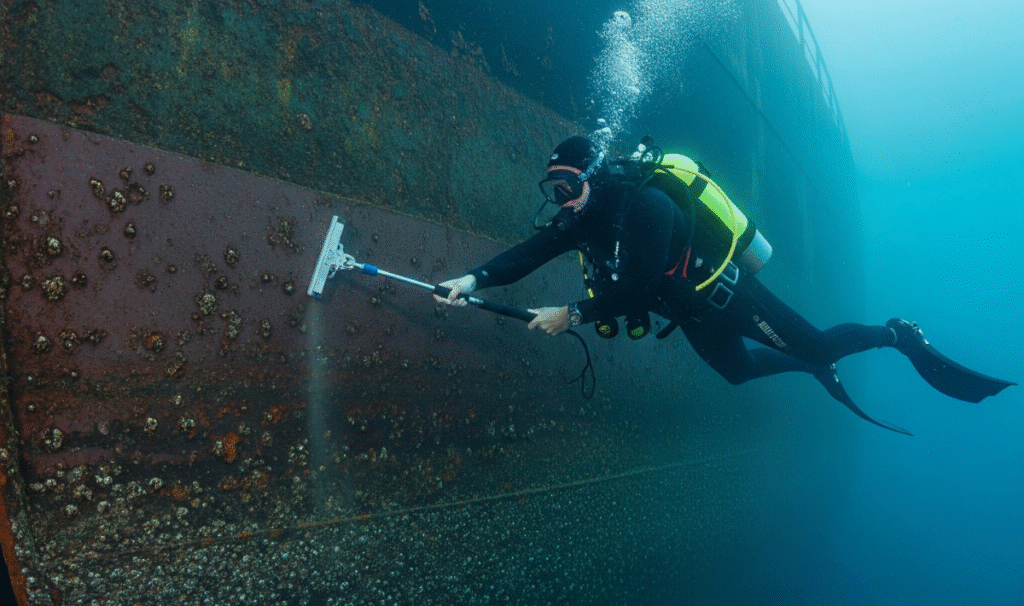
- Hard fouling: Barnacles, shells, and tough crustaceans cling stubbornly, adding drag and abrasion—even risking hull coatings.
If you’ve ever driven with a loaded rooftop carrier, you’ve felt the power of drag. On a vessel, the cost can mean up to 30% more fuel used per passage—a burden you simply can’t ignore.
The Technical Process Explained
Inspection and Survey
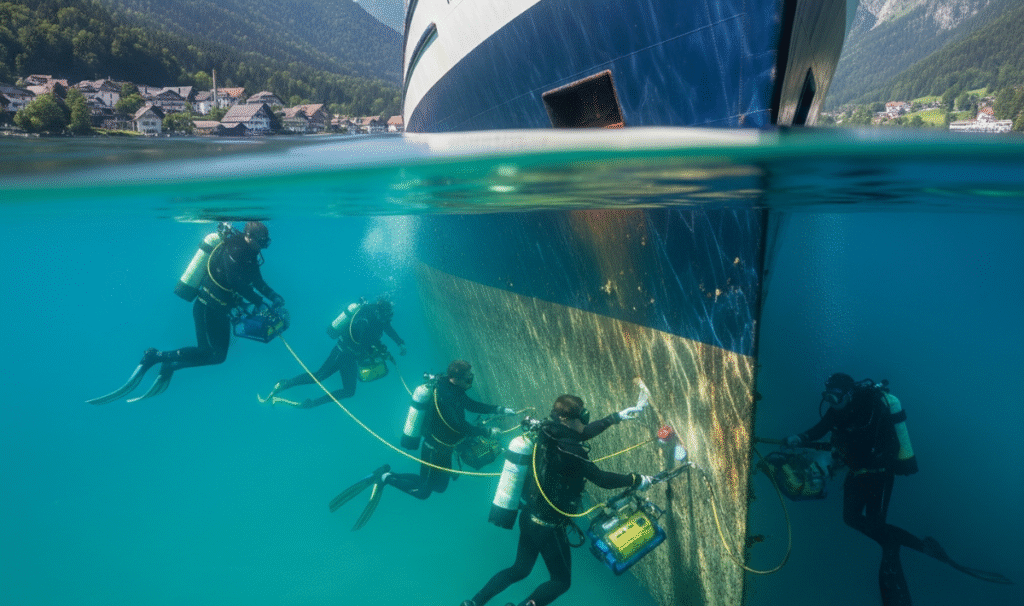
Divers or ROVs (remotely operated vehicles) assess fouling and coating condition, logging details with cameras for audit trails and maintenance planning. This up-front step makes ongoing hull management much more effective.
Cleaning in Action
Specialized diver teams or robotic systems employ:
- Rotary brushes or hydraulic scrapers: Soft nylon brushes for gentle removal; steel bristles for more stubborn growth.
- Advanced cleaning machines (e.g., the Brush Kart System): Adapt brush hardness to suit fouling and paint thickness, ensuring precision and safety.
- Waste capture systems: As per IMO best practice, debris is retained, not released, to prevent environmental contamination.
Review and Reporting
Afterward, teams run post-cleaning inspections—photo, video, and written records confirm that coatings are undamaged and fouling is gone, supporting both operational claims and compliance audits.
Staying Compliant: Regulations and Best Practice
Underwater hull cleaning in Cordoba is shaped by evolving international and local rules:
- IMO Biofouling Guidelines: Stress proactive cleaning, proper debris capture, and detailed reporting to prevent the spread of invasive species.
- MARPOL Convention Annex V: Controls debris management and documentation.
- Port and National Standards: Argentine ports increasingly demand certified providers who show proof of inspection and environmentally sound practices.
Selecting a cleaning team that follows IMCA, IMO, and MARPOL benchmarks isn’t just smart—it’s non-negotiable.
Environmental Impact: Every Cleaning Counts
Fouled hulls cost more than dollars—they put the environment at risk:
- Fuel waste: Fouling increases drag, upping fuel use and greenhouse gas emissions.
- Ecosystem risks: Marine hitchhikers can disrupt native species when left unchecked.
- Chemicals and runoff: Clean hulls mean less reliance on harsh anti-fouling paints and less harmful runoff into Cordoba’s waterways.
Modern underwater hull cleaning in Cordoba employs debris containment, eco-friendly cleaning heads, and minimizes paint abrasion for a greener operation.
Read more on underwater hull cleaning in Argentina and the synergy between national policies and Durrës’ maritime initiatives.
The Business Case: Tangible Cost Savings
Let’s get specific: every millimeter of fouling—especially hard fouling—inflates trip costs. Routine underwater hull cleaning in Cordoba delivers:
- 10–30% fuel reduction on voyages, thanks to lower drag.
- Extended life for anti-fouling coatings, meaning fewer drydocks and paint jobs.
- Less engine and mechanical wear, resulting in fewer repairs and expensive breakdowns.
- Shorter port stays, ensuring your vessels stay on schedule.
For operators, the payback is rapid and measurable.
Innovations Redefining Hull Cleaning
Argentine ports, including Cordoba’s access points, are adopting cutting-edge solutions:
- Robotic and AI-powered ROVs: These can scope, map, and clean hulls faster—sometimes without diver involvement.
- IoT sensors: Monitor hull performance, predicting fouling for on-time cleaning.
- Advanced debris capture: Vacuum and filtration systems ensure compliance with the strictest environmental standards.
- High-tech brush systems: Adjustable based on fouling severity to protect coatings and maximize cleaning speed.
Underwater hull cleaning in Cordoba is part of a smarter, data-driven era for ship maintenance.
Risks and Smart Practices
Hull cleaning is powerful—but only when done right:
- Poor technique can strip paint or accelerate corrosion.
- Non-compliance exposes you to fines and operational hold-ups.
- Uncontained debris contaminates local waters.
To avoid these:
- Hire only certified, experienced teams.
- Require before-and-after documentation.
- Check providers use waste-containment and audit-support tools.
Pro Tips for Ship Owners and Managers in Cordoba
- Maintain a hull fouling log, tracking fuel burn and cleaning cycles.
- Pair underwater hull cleaning in Cordoba with propeller polishing and rudder checks for full-suite efficiency.
- Choose cleaning schedules that align with cargo operations to minimize idle time.
- Insist on digital reports for long-term compliance and performance tracking.
Think of hull cleaning as scheduled “tune-ups”—not a crisis fix, but a business advantage.
The Future: Smarter, Safer, and Cleaner
As regulations stiffen and sustainability targets rise, underwater hull cleaning in Cordoba will become more frequent, technical, and accountable:
- Robotics and sensors will automate both inspection and intervention.
- Debris containment will be the rule—not the exception.
- Reporting requirements will drive transparency, safety, and regulatory harmony.
Operators who adapt now will outperform competitors, land more charters, and position their fleets for long-term success.
Conclusion
Underwater hull cleaning in Cordoba is not just another maintenance task—it’s essential for cost control, environmental stewardship, and ironclad compliance. By investing in best-practice cleaning, you ensure smoother voyages, fewer surprises, and a lasting industry reputation. In today’s shipping landscape, staying sharp under the waterline means winning above it. Partnering with trusted experts like CleanShip.co guarantees that every hull cleaning is performed with precision, compliance, and sustainability—helping ship owners and operators achieve consistent performance, protect their bottom line, and safeguard the oceans we all rely on.
Read also: Underwater hull cleaning in Albania and how national policies align with Durrës’ local efforts.