Underwater Hull Cleaning in Cleveland: Essential Insights for Your Vessel
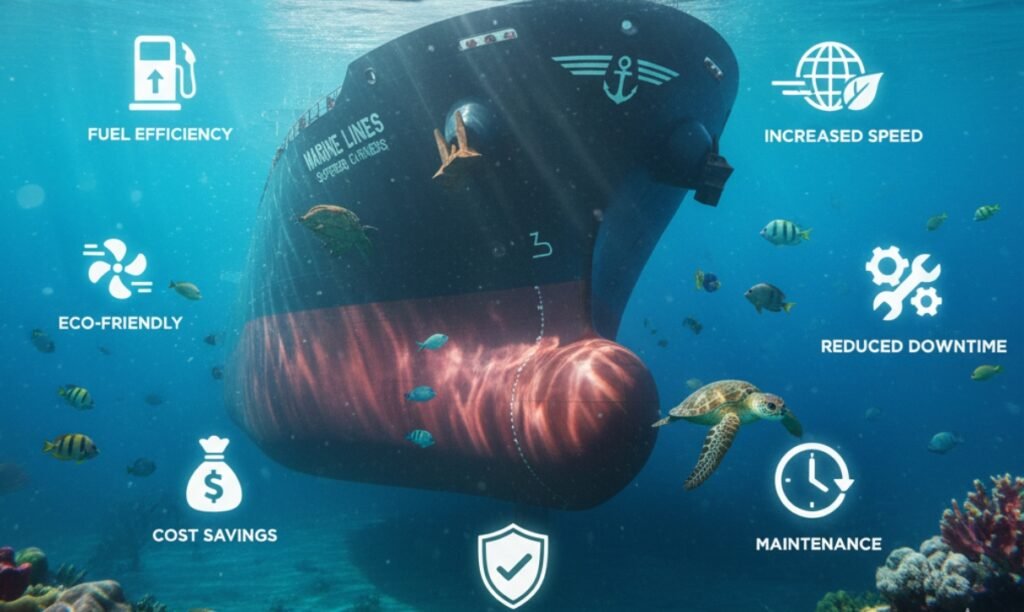
Underwater hull cleaning in Cleveland is a vital practice that keeps your vessel in top condition by removing marine growth that slows it down—think of your ship’s hull as a runner’s shoes that get clogged with mud. This cleaning restores a smooth surface, reducing drag, saving fuel, and extending operational life. In Cleveland’s freshwater environment, regular underwater cleaning helps prevent fouling that can increase fuel use by up to 40%, ensuring you navigate efficiently and comply with local and international maritime standards.
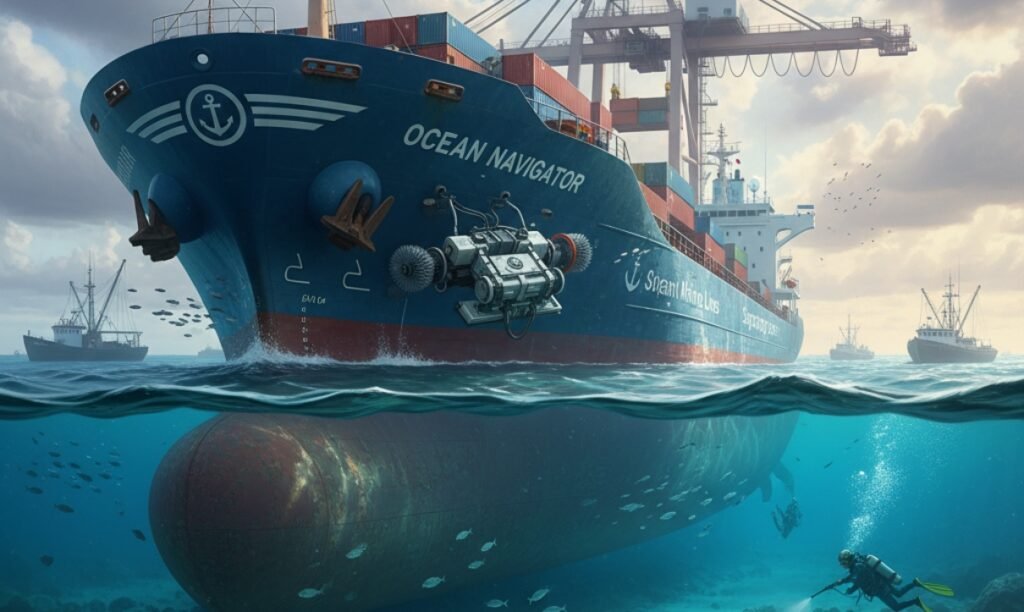
Underwater hull cleaning in Cleveland involves removing biofouling like algae and barnacles from the underwater parts of ships using divers or advanced robotic systems while the vessel remains afloat. This process avoids costly dry-docking, saves time, and restores your hull’s hydrodynamics for smoother sailing. It also includes inspecting hull components and providing detailed condition reports to support maintenance planning.
Why Cleveland’s Waters Require Regular Underwater Hull Cleaning in Cleveland
Cleveland, located on the Great Lakes, experiences unique biofouling challenges because of its freshwater ecosystem rich in invasive aquatic species. Without cleaning, your ship’s fuel consumption increases significantly, leading to higher operational costs and environmental impact. Keeping your hull clean here ensures compliance with stringent environmental regulations and supports cleaner, cost-effective shipping.
Critical Benefits of Underwater Hull Cleaning in Cleveland
Regulatory Compliance: IMO, MARPOL, IMCA, and IAPH World Ports
Compliance with international and regional standards is mandatory. The International Maritime Organization (IMO) and MARPOL Convention regulate biofouling management to prevent the spread of invasive species and protect marine ecosystems. The International Marine Contractors Association (IMCA) promotes diver safety during underwater cleaning, while IAPH World Ports guidelines help align local port operations with global best practices. Adhering to these standards in Cleveland helps avoid penalties and keeps your vessel’s operations lawful.
Cost Savings Through Routine Underwater Hull Cleaning in Cleveland
Regular underwater hull cleaning in Cleveland can reduce fuel consumption by up to 25%, translating into significant cost savings over time. It also minimizes wear on propulsion systems and delays the need for expensive dry-docking repairs. Proactive maintenance ensures fewer unplanned expenses and maximizes vessel uptime, helping you control operational budgets efficiently.
Safety in Underwater Hull Cleaning in Cleveland Operations
The safety of divers and crew is paramount during cleaning. Operations in Cleveland adhere to IMCA and local safety standards, ensuring certified divers employ appropriate gear and follow strict protocols. Coordination with port authorities and the use of environmentally safe methods reduces risks and protects personnel and vessel integrity.
Environmental Benefits and Green Practices
Underwater hull cleaning in Cleveland supports environmental sustainability by reducing fuel usage and emissions. Advanced cleaning technologies used in Cleveland capture debris and toxins, preventing pollution of sensitive freshwater habitats. Compliance with IMO and MARPOL environmental guidelines ensures that cleaning operations balance vessel maintenance with marine ecosystem protection.
Advanced Cleaning Technologies
Cutting-edge cleaning systems in Cleveland utilize remotely operated vehicles (ROVs) and eco-friendly filtration technologies, like the EnviroHull system, which capture fouling residues and minimize environmental discharge. Such technology reduces hull damage and complies with filtration standards to protect aquatic life, providing efficient and responsible hull maintenance.
The Importance of Documentation and Flag Compliance
Thorough documentation of cleaning activities supports flag state requirements and regulatory inspections. Detailed reports and logs documenting the hull’s condition, cleaning dates, and inspection results provide proof of compliance. This transparency is essential for registration, insurance, and operational integrity.
Future Innovations and Trends
The maritime industry is embracing digital documentation, blockchain technology, and AI-empowered inspections to streamline compliance and enhance maintenance accuracy. In Cleveland, operators are gradually adopting these innovations to improve efficiency and meet evolving environmental and safety standards.
Marine Supercargo’s Role in Compliance and Safety
Marine Supercargo offers comprehensive global underwater hull, tank, and hold cleaning services, along with expert cargo supervision and compliance assistance. Their recent addition of professional Drug & Alcohol Testing supports crew safety and regulatory compliance, offering holistic solutions to maritime operators looking to maintain high operational standards.
Best Practices for Underwater Hull Cleaning in Cleveland
Use certified professional services adhering to IMO and MARPOL standards
Schedule regular cleanings every 3-6 months, depending on vessel activity
Insist on eco-friendly cleaning methods with debris capture systems
Maintain up-to-date cleaning and inspection documentation
Plan maintenance around operational schedules to minimize downtime
Frequency of Underwater Hull Cleaning in Cleveland
Factors such as vessel type, local fouling rates, and operating schedules affect cleaning frequency. Cleveland vessels benefit from cleaning intervals of 3 to 6 months, depending on use, ensuring sustained efficiency and compliance with environmental rules.
Cost Considerations for Underwater Hull Cleaning in Cleveland
Costs correlate with hull size, fouling severity, and specific cleaning technologies chosen. While regular cleaning incurs ongoing expenses, fuel savings, prolonged hull life, and reduced dry-docking intervals make it a sound financial strategy.
Explaining Maritime Terms Simply
Biofouling: Organisms that attach to the hull, causing drag and inefficiency
Dry-docking: Taking the ship out of the water for repairs
ROV: Remotely operated vehicle used for underwater cleaning and inspection
IMO: International Maritime Organization setting global shipping standards
MARPOL: International treaty to prevent marine pollution
Real-World Impact: A Cleveland Case Study
A Cleveland shipping operator saw a 20% fuel cost reduction after implementing regular underwater hull cleaning in Cleveland. This led to substantial savings, fewer maintenance delays, and improved environmental compliance, demonstrating practical benefits.
Boost vessel efficiency with underwater hull cleaning in Cleveland
Conclusion
Underwater hull cleaning in Cleveland is critical for maintaining operational efficiency, managing costs, ensuring safety, and protecting the environment. Adhering to regulatory standards and embracing modern cleaning technologies safeguards your vessel’s longevity and legal compliance. Staying informed on documentation and future trends prepares you for sustainable maritime operations. For maritime compliance and service excellence, CleanShip.co remains a trusted resource.
FAQs:
Q1. Why is Flag Documentation important for ship safety?
Flag documentation certifies your vessel meets national and international safety, environmental, and operational standards crucial for lawful and safe shipping.
Q2. How does documentation relate to maritime law?
Documentation is essential for enforcing maritime laws, resolving disputes, and proving compliance with regulations governing vessel operation and safety.
Q3. What is the role of Drug & Alcohol Testing in maritime operations?
It ensures crew members are fit for duty, reduces accidents, meets legal standards, and promotes a safer onboard environment.
Q4. What benefits does proper documentation bring to crew and vessel management?
Good documentation enhances safety, supports maintenance planning, aids regulatory compliance, and facilitates insurance and dispute resolution.
Q5. What are future trends in flag documentation and vessel inspection?
Digital records, blockchain technology, AI-assisted inspections, and stronger environmental reporting are revolutionizing maritime compliance and operational transparency.