The Strategic Importance of Tank Cleaning Suez Operations
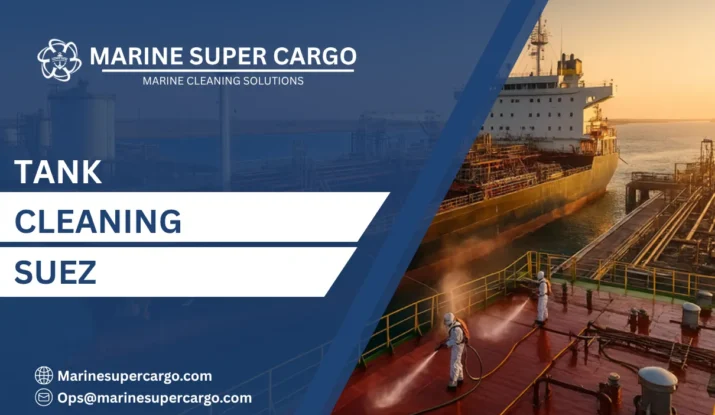
The Suez Economic Zone stands as a critical maritime corridor where thousands of vessels transit annually, making tank cleaning Suez services indispensable for global shipping operations. Marine Super Cargo recognizes this strategic positioning as vessels traverse between the Red Sea and Mediterranean, requiring compliant cleaning solutions that meet international standards.
The demand for professional tank cleaning Suez facilities continues escalating as stricter environmental regulations reshape maritime operations. Port-side cleaning stations now handle everything from crude oil residues to chemical cargo remnants, ensuring vessels maintain compliance before their onward voyage. The starboard and port tanks require meticulous attention, particularly after transporting hazardous materials through this vital waterway.
Modern operations integrate MARPOL Annex II requirements, ensuring chemical tankers discharge residues appropriately. The International Maritime Organization standards govern every aspect, from bow to stern, creating a framework that protects both vessels and marine ecosystems. Forward-thinking companies like Marine Super Cargo invest heavily in technologies that exceed baseline compliance.


Technological Advancements Transforming Tank Cleaning Suez Services
Revolutionary automated systems are reshaping tank cleaning Suez methodologies. Robotic cleaning mechanisms now access confined spaces within cargo holds, reducing human exposure to toxic environments while delivering superior results. These innovations decrease turnaround times significantly, allowing vessels to resume commercial operations faster than traditional methods permitted.
Sensors embedded throughout tank structures monitor cleaning progress in real-time, ensuring every surface from the forward bulkhead to the aft section meets stringent cleanliness standards. providers deploy high-pressure systems that minimize water consumption while maximizing efficiency—a crucial consideration in water-scarce regions.
Digitalization enables predictive maintenance schedules, identifying potential equipment failures before they disrupt operations. Cloud-based monitoring systems allow vessel operators to track cleaning progress remotely, receiving documentation that satisfies MARPOL Annex I requirements for oil tanker cleaning procedures.
Environmental Sustainability in Tank Cleaning Suez Facilities
The future demands eco-conscious solutions that minimize environmental impact. Advanced wastewater treatment systems now process contaminated runoff, extracting pollutants before discharge. Marine Super Cargo implements closed-loop systems that recycle cleaning agents, dramatically reducing chemical consumption and waste generation.
Biodegradable solvents replace harsh petrochemical-based cleaners, aligning practices with global sustainability initiatives. These eco-friendly alternatives prove equally effective against stubborn residues while protecting the delicate marine environment surrounding the canal zone. Compliance with IMO 2020 sulfur regulations extends to cleaning operations, ensuring sulfur-containing residues receive proper handling.
The economic zone’s strategic development plans prioritize green infrastructure, positioning services at the forefront of sustainable maritime practices. Investment in solar-powered facilities and emission-reduction technologies demonstrates long-term commitment to environmental stewardship while maintaining operational excellence.
Regulatory Compliance and Future Standards
Tank cleaning Suez operations must navigate complex regulatory frameworks that continue evolving. The IMO regularly updates guidelines addressing emerging contaminants and cleaning methodologies. Facilities within the economic zone maintain certifications that demonstrate adherence to international conventions, providing vessel operators with confidence their tanks meet global standards.
Pre-arrival documentation requirements streamline scheduling, reducing port congestion and improving supply chain efficiency. Digital certification systems provide instantaneous verification of cleaning completion, eliminating paperwork delays that previously hindered vessel departures. Marine Super Cargo maintains comprehensive records satisfying both flag state requirements and port state control inspections.
Future regulations will likely mandate enhanced tracking of cleaning waste disposal, creating accountability throughout the entire process. Advanced providers are already implementing blockchain-based documentation systems that create immutable records of waste handling and treatment.

Economic Growth and Industry Expansion
The Suez Economic Zone’s development blueprint includes significant expansion of infrastructure. New facilities incorporating cutting-edge technologies will accommodate larger vessels transiting the expanded canal. This growth creates opportunities for specialized service providers who understand the unique requirements of different cargo types—from liquefied natural gas to vegetable oils.
Investment in workforce training ensures personnel possess expertise in handling diverse substances safely and efficiently. Certification programs aligned with international standards prepare technicians for complex operations aboard modern vessels. As related in our chemical tank cleaning best practices article, specialized knowledge prevents cross-contamination between cargo types.
The economic ripple effects extend beyond direct maritime services, supporting auxiliary industries from equipment manufacturing to waste processing. operations contribute substantially to regional employment while positioning Egypt as a maritime services hub serving three continents.
FAQs About Tank Cleaning Suez Services
Q1: What makes tank cleaning Suez services unique compared to other ports?
The strategic location and high vessel traffic volume create specialized expertise in rapid, compliant cleaning services that minimize transit delays while meeting international standards.
Q2: How do MARPOL regulations affect tank cleaning Suez operations?
MARPOL requirements dictate waste handling, discharge procedures, and documentation standards that all Suez facilities must follow to serve international shipping.
Q3: What technologies are transforming tank cleaning Suez services?
Automated robotics, real-time monitoring sensors, eco-friendly cleaning agents, and digital certification systems are revolutionizing efficiency and environmental protection.
Q4: How long does typical tank cleaning take in the Suez Economic Zone?
Duration varies by cargo type and tank size, but modern facilities complete most operations within 24-48 hours, significantly faster than traditional methods.
Q5: Why choose Marine Super Cargo for tank cleaning Suez needs?
Marine Super Cargo combines cutting-edge technology, regulatory expertise, and environmental commitment to deliver superior tank cleaning solutions in the Suez Economic Zone.