Protecting Marine Ecosystems Through Responsible Tank Cleaning
The Suez Canal serves as one of the world’s most critical maritime chokepoints, connecting the Mediterranean Sea to the Red Sea. When vessels transit through this vital waterway, Suez Canal tank cleaning operations demand exceptional environmental vigilance. At Marine Super Cargo, we understand that protecting this fragile marine corridor requires strict adherence to international regulations and innovative cleaning methodologies.
MARPOL Annex I and Suez Canal Compliance
MARPOL Annex I establishes comprehensive standards for preventing oil pollution from ships. Within the Suez Canal area, these regulations become even more stringent. Suez Canal tank cleaning operations must ensure zero unauthorized discharges into canal waters.
The International Maritime Organization (IMO) designates specific areas as Special Areas under MARPOL, requiring enhanced protective measures. Vessels conducting Suez Canal tank cleaning must maintain detailed records in their Oil Record Book, documenting every washing, transfer, and disposal operation.
Strategic Planning for Suez Canal Tank Cleaning Operations
Forward planning ensures environmental compliance during Suez Canal tank cleaning. Vessel operators should schedule tank washing operations before entering Egyptian territorial waters. This approach allows adequate time for settling, decanting, and proper waste retention aboard the vessel.
Port facilities at both ends of the canal provide reception services for tank washings and oily residues. Coordinating with these facilities enables proper Suez Canal tank cleaning waste disposal according to MARPOL Annex I requirements. Marine Super Cargo assists vessel operators in arranging compliant discharge services
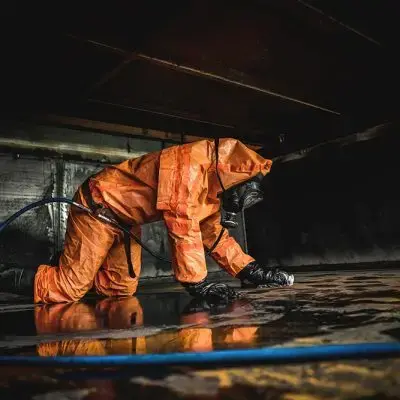
Best Practices from Marine Super Cargo
Our extensive experience in maritime tank cleaning informs these essential Suez Canal tank cleaning protocols. First, conduct pre-cleaning inspections to assess residue characteristics and determine appropriate cleaning agents. This assessment prevents incompatible chemical reactions and reduces environmental risks.
Second, utilize closed-loop systems wherever possible during Suez Canal tank cleaning. These systems capture vapors and prevent atmospheric emissions, protecting air quality in surrounding communities. Vapor recovery units comply with IMO volatile organic compound regulations.
Monitoring and Enforcement in the Suez Canal Zone
Egyptian authorities actively monitor vessel compliance during canal transits. Port State Control inspections examine Oil Record Books, verify proper waste retention, and assess tank cleaning equipment functionality. Violations result in significant penalties, potential detention, and reputational damage.
Advanced surveillance technologies detect unauthorized discharges quickly. Satellite monitoring, aerial patrols, and water quality sensors provide comprehensive coverage of the canal and adjacent waters. These systems enable rapid response to pollution incidents during Suez Canal tank cleaning operations.
Marine Super Cargo maintains updated knowledge of local regulations and enforcement priorities. Our guidance helps vessel operators navigate complex compliance requirements while maintaining operational efficiency throughout their Suez Canal transit.
For comprehensive maritime cleaning solutions beyond the Suez Canal region, explore our insights on industrial tank cleaning best practices and chemical cargo tank maintenance.
Frequently Asked Questions
Q1: Can vessels discharge tank cleaning residues while transiting the Suez Canal?
No. MARPOL regulations strictly prohibit any oil or noxious liquid discharge within the Suez Canal waters. All tank cleaning residues must be retained aboard or discharged to authorized reception facilities at port.
Q2: How far from the canal must vessels be before conducting tank cleaning operations?
Vessels should complete tank cleaning before entering Egyptian territorial waters (12 nautical miles from shore) or wait until clearing the Red Sea Special Area entirely, typically 50 nautical miles from the nearest land.
Q3: What documentation is required for Suez Canal tank cleaning compliance?
Vessels must maintain accurate Oil Record Book entries, cargo tank cleaning logs, and waste discharge receipts from authorized facilities. These documents may be inspected during Port State Control examinations.
Q4: Are there specific cleaning agents prohibited in the Suez Canal area?
Yes. Cleaning agents must comply with IMO guidelines and should not contain substances harmful to marine life. Biodegradable, environmentally approved products are mandatory for operations near sensitive waters.
Q5: What penalties apply for unauthorized discharges during tank cleaning in the Suez Canal?
Violations can result in fines exceeding $50,000, vessel detention, criminal charges against responsible officers, and permanent blacklisting from Egyptian ports. Environmental remediation costs may also be imposed.