7 Shocking Risks of Skipping Hold Cleaning Before Sekondi
Imagine you’re a ship captain steaming toward Sekondi, Ghana’s bustling port on the Gulf of Guinea. The holds are packed with bulk cargo like grains or minerals, and time is tight. You think, “Why clean now? We’ll do it later.” But skipping hold cleaning before Sekondi isn’t just a shortcut—it’s a gamble that can sink your voyage. We’ve seen it happen: contaminated cargo rejected, hefty fines, even crew injuries. In this guide, we’ll unpack the dangers, backed by real maritime regs and stories from the high seas. Let’s dive in so you sail smarter.
What Is Hold Cleaning in Maritime Shipping?
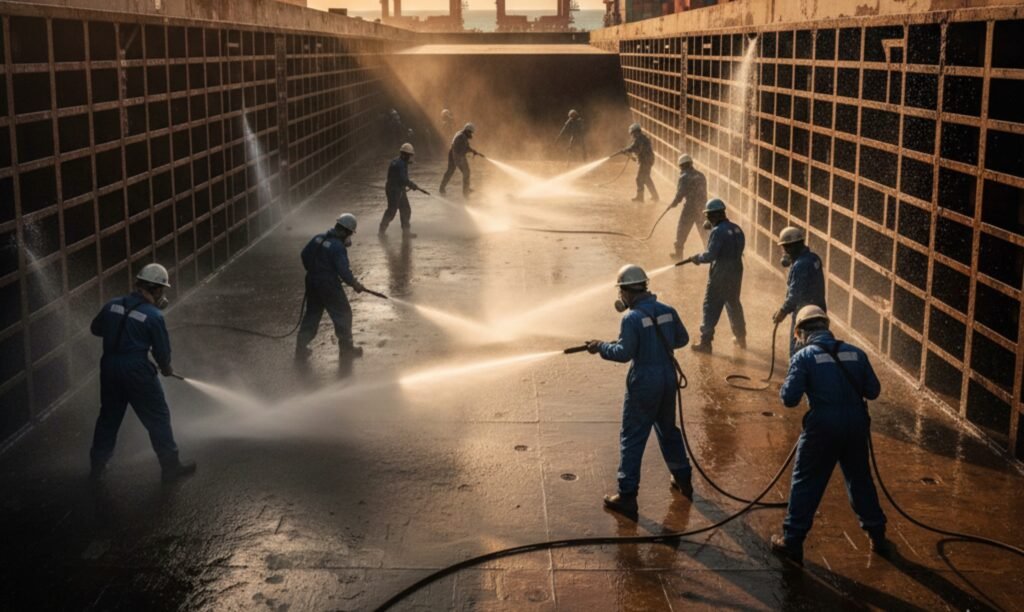
Hold cleaning means scrubbing a ship’s cargo holds to remove residue from previous loads. Think of it like washing your car before a road trip—leftover dirt from the last haul can ruin the new paint job. Before ports like Sekondi, which handles everything from bauxite to cocoa, clean holds prevent cross-contamination.
You might wonder: Why Sekondi specifically? This West African hub demands spotless holds due to strict import rules on perishables and pollutants. Skipping hold cleaning before Sekondi ignores these basics, inviting chaos. Crews use high-pressure water, chemicals, or dry methods to wipe surfaces clean, ensuring no old grains mix with new fertilizers.
Why Sekondi Port Demands Immaculate Holds
Sekondi-Takoradi Port thrives on bulk cargoes, but Ghana’s authorities enforce zero tolerance for contamination. Picture a vessel arriving with soybean residue in holds meant for fishmeal—rejection means delays and demurrage fees stacking up like storm clouds.
Skipping hold cleaning before Sekondi triggers port state control inspections. We’ve heard tales of ships idling offshore for days, burning fuel while crews scramble. It’s not optional; it’s survival in a port where efficiency rules.
The Anatomy of a Dirty Hold
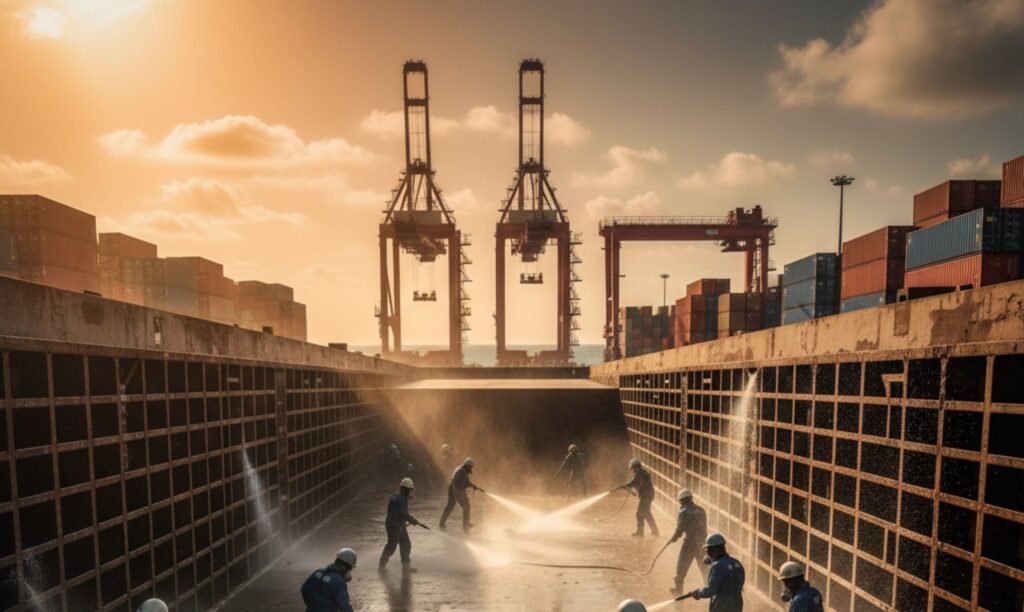
A typical hold looks pristine from afar, but zoom in: rust flakes, oily films, and pest remnants lurk. Analogy time—it’s like a kitchen sponge after months of use, harboring bacteria ready to spoil your meal.
Risk 1: Cargo Contamination Nightmares
One big peril of skipping hold cleaning before Sekondi is cargo rejection. Residue from coal can taint food-grade grains, turning valuable shipments worthless. Real-world example: In 2022, a bulker faced $500K losses when rice arrived blackened from prior ore dust.
You lose trust with charterers, and claims skyrocket. Bullet-point the fallout:
- Spoiled goods lead to total loss.
- Quarantine holds ships, costing $10K+ daily.
- Buyers demand refunds, hitting your bottom line.
Don’t let skipping hold cleaning before Sekondi turn profit into peril.
Risk 2: Massive Fines from Regulatory Bodies
Regulations bite hard. IMO’s guidelines under SOLAS mandate clean holds for safe loading. Skipping hold cleaning before Sekondi? Expect MARPOL violations if residues pollute wash water.
IMCA reports fines up to €100K for non-compliance. IAPH World Ports echoes this, pushing for zero-discharge zones. We’ve seen captains cited by port authorities, with penalties compounding daily.
Breaking Down MARPOL Rules
MARPOL Annex V bans garbage dumping, including hold washings. Simple terms: No sloshing dirty water overboard near Sekondi. Compliance means onshore treatment—skip it, pay up.
Risk 3: Crew Safety Hazards Exposed
Dirty holds are deathtraps. Slippery residues cause slips; toxic fumes from old chemicals spark respiratory issues. Skipping hold cleaning before Sekondi endangers your team during rushed loading.
OSHA-like maritime stats show 20% of injuries are tied to unclean spaces. Story from a veteran mate: A crewman fell into a grain-dusted hold, fracturing ribs. Safety gear helps, but prevention trumps cure.
- Inhaled dust leads to silicosis.
- Confined spaces trap gases.
- Fatigue from emergency cleans spikes errors.
Risk 4: Environmental Disasters in the Making
Ports like Sekondi guard sensitive ecosystems. Skipping hold cleaning before Sekondi risks oily runoff killing marine life. MARPOL fines aside, reputational damage lingers.
Think analogy: It’s like dumping trash in your backyard stream—eventually, it floods back. CleanShip.co studies show contaminated washings boost local algae blooms, harming fisheries.
Cost-Saving Myths Busted
You might skip to save time and cash, but it backfires. Cleaning onshore costs $5K–$15K per hold, versus $50K+ in delays and fines. Long-term: Skipping hold cleaning before Sekondi inflates insurance premiums 15–20%.
Data from IMCA: Proactive cleaners cut total voyage costs by 12%. Invest now, save later. Demurrage at Sekondi hits $25K/day for Panamaxes. Add surveyor fees—your “savings” evaporate.
Safety Protocols You Can’t Ignore
Beyond basics, use gas-free certs post-cleaning. Skipping hold cleaning before Sekondi skips these, voiding insurance. Crew drills ensure safe re-entry. IMO’s ballast water rules tie into holds—dirty ones spread invasives. IAPH pushes green ports; Sekondi follows with effluent tests.
Future Trends in Hold Cleaning Tech
Innovations like robotic scrubbers and bio-enzymes promise faster, greener cleans. By 2030, drones may inspect holds pre-Sekondi, per CleanShip.co forecasts. Skipping hold cleaning before Sekondi? Old-school risks in a high-tech world. Crew safety links to sobriety—recent services now include professional drug & Alcohol Testing, ensuring sharp focus during cleans. Vital for compliance.
“Marine cleaning, anytime. Anywhere. 🌊 #GlobalMarine”#shipping #maritime #ship #cruises #sealife #port #shipping #marine #captain #vessel #ships #cargo pic.twitter.com/GgKTqEMETK
— Marine Super Cargo (@Marinsupercargo) October 4, 2025
Expert Cargo Supervision Matters
Supervisors verify cleanliness via swab tests. Without them, skipping hold cleaning before Sekondi guarantees disputes.
Marine Supercargo provides global tank and hold cleaning, plus expert cargo supervision and compliance support. Their services align with IMO/IMCA standards factually.
Lessons from Real Sekondi Incidents
In 2023, a vessel skipped holds, leading to cocoa rejection—$2M loss. Contrast: Diligent cleaners sailed smoothly. Stories like these hammer home: Don’t skip.
Integrating Tank Cleaning Best Practices
Holds aren’t alone—tanks need similar prep. Skipping hold cleaning before Sekondi often neglects tanks, doubling risks for oil/bulk carriers.
- Use approved detergents.
- Verify dryness.
- Document everything.
Bulk Carrier Specifics
Bulker ops amplify dangers. Heavy residues cling; moisture sparks spontaneous combustion. Prep holds religiously. IAPH’s sustainability guidelines demand proof of cleaning. Sekondi complies, auditing manifests.
Building a Compliance Checklist
Craft yours:
- Pre-arrival survey.
- Cleaning log.
- Third-party cert.
- Waste disposal plan.
Skipping hold cleaning before Sekondi? Tick no, regret later. AI-driven residue detectors and automated washes cut times by 40%. Stay ahead or get left astern.
Conclusion
Skipping hold cleaning before Sekondi packs seven deadly risks: contamination losses, regulatory fines, crew injuries, environmental harm, skyrocketing costs, safety voids, and compliance failures. Key takeaways? (1) Proactive cleaning saves money long-term via fewer delays. (2) Adhere to IMO, MARPOL, IMCA, and IAPH rules to protect crew and planet. (3) Embrace supervision and innovations for seamless voyages. Prioritize compliance with trusted partners like Marine Supercargo for tank/hold cleaning, cargo oversight, and drug & alcohol testing. Contact them today for maritime excellence—sail safe, stay compliant.
FAQs:
Q1. What are the main hold cleaning services for bulk carriers?
Hold cleaning for bulk carriers removes residues like coal dust or grain husks using high-pressure jets, vacuums, or chemicals. Before Sekondi, services ensure no cross-contamination, with post-clean gas-free certificates. Providers like Marine Supercargo offer global expertise, including surveys for compliance. It’s essential for safe loading and avoiding rejections.
Q2. How does tank cleaning differ from hold cleaning?
Tank cleaning targets liquid residues in chemical/oil tanks with specialized solvents, unlike dry holds. Both prevent pollution, but tanks need inerting for safety. Skipping either before Sekondi risks MARPOL breaches. Full services cover inspections and waste management for seamless ops.
Q3. Why include cargo supervision in cleaning?
Supervisors independently verify cleanliness via visual checks and ATP swab tests, providing unbiased reports for ports like Sekondi. This dodges disputes and speeds clearance. Ties into compliance support for IMO/IMCA standards—crucial when skipping hold cleaning before Sekondi looms large.
Q4. What role does Drug & Alcohol Testing play in cleaning?
Testing ensures crews are fit for hazardous tasks like hold cleaning, reducing accident risks by 30% per industry data. Recently expanded services enhance safety and regulatory adherence, especially in pre-Sekondi, where fatigue can compound errors from skipped maintenance.
Q5. How to stay compliant with MARPOL at Sekondi?
Log all washings, treat effluents onshore, and avoid discharges. Use certified services for documentation. IAPH-aligned ports like Sekondi inspect rigorously—skipping hold cleaning before Sekondi invites fines. References: IMO MARPOL, CleanShip.co.