
Ship Husbandry vs Ship Agency
Ship husbandry vs ship agency is a comparison that each shipowner and director must clearly understand. Though both organizations reinforce vessels in the midst of port calls, their scope, commitment, and operational influence shift basically. Perplexing the two can lead to compliance holes, unanticipated costs, and operational delays.
In this coordinate, we break down seven compelling contrasts so you can make informed choices a few times as of late, your next port call.
Understanding Ship Agency Services
Ship organization centers on definitive and authoritative representation. A transport master acts on behalf of the proprietor or charterer at the port.
Core capacities include:
- Port clearance coordination
- Customs and development processing
- Berth booking
- Documentation handling
- Financial apportioning accounts
The master ensures the vessel enters and leaves the port legally and efficiently.
Understanding Ship Husbandry vs Ship Agency Services
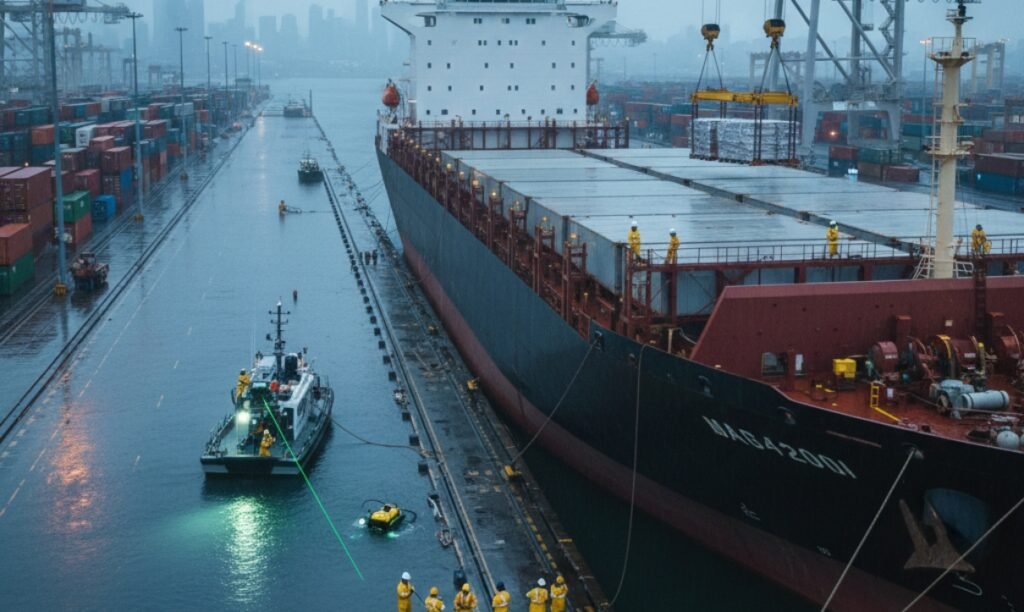
Ship husbandry vs ship agency, on the other hand, incorporates specialized and operational reinforcement given to a vessel while it is in port or at anchorage.
Typical organizations include:
- Underwater inspections
- Hull cleaning
- Spare parts delivery
- Crew modifies logistics
- Sludge and waste removal
Husbandry addresses the vessel’s physical and operational needs rather than regulatory representation.
Difference 1: Scope of Responsibility
In Ship Husbandry vs Ship Agency, scope is the first major distinction.
Ship office handles genuine traditions and communication with pros. Development directs vessel back, coordinations, and operational support.
Think of the administrator as the administrative entryway and the development provider as the operational reinforce team.
Difference 2: Regulatory Compliance Role
Ship organization organizations clearly interface with the All inclusive Maritime Organization compliance framework. Pros ensure adherence to port state control methodologies, conventions controls, and enumerating requirements.
Ship development supports characteristic and security compliance underneath Around the world Convention for the Evasion of Defilement from Ships (MARPOL) by organizing misuse exchange and defilement control measures.
For toward the ocean wanders, development providers may as well alter with All inclusive Marine Brief laborers Association (IMCA) rules, while port coordination takes after measures progressed by the Around the world Alliance of Ports and Ports (IAPH).
Difference 3: Operational Workflow
Ship office workflow:
- Pre-arrival documentation
- Berth nomination
- Port clearance
- On-arrival boarding
- Departure documentation
Ship development workflow:
- Service inquiry assessment
- Vendor coordination
- Technical execution
- Inspection confirmation
- Service reporting
The two workflows may cover but serve different objectives.
Difference 4: Inspection and Documentation
Ship masters handle:
- Crew lists
- Cargo manifests
- Port section forms
- Customs declarations
Husbandry providers manage:
- Underwater evaluation reports
- Cleaning certificates
- Service completion documents
- Waste exchange receipts
Both create printed fabric, but for particular regulatory and operational purposes.
Difference 5: Cost Structure Comparison
Cost straightforwardness is fundamental in Ship Husbandry vs Ship Agency.
Ship organization costs by and expansive include:
- Port dues
- Pilotage and tug fees
- Documentation charges
- Agency advantage fee
Ship husbandry costs depend on the services requested:
- Diver teams
- Crane hire
- Spare parcel logistics
- Equipment rental
In India, port acceptance charges affect an organization’s charging. In the UAE, especially in major centers like Jebel Ali, bundled advantage assessment may apply. Singapore keeps up organized cost plans but emphasizes efficiency.
Understanding these layers makes a distinction you budget accurately.
Difference 6: Risk Management Exposure
Ship office risk centers on authoritative disciplines, documentation botches, and clearance delays.
Ship development centers on operational security, characteristic events, and specialized execution failure.
A conceded port clearance may cause demurrage. An ineffectively executed body cleaning may result in characteristic fines. Both perils require capable oversight.
Difference 7: Safety and Environmental Impact
Husbandry organizations frequently incorporate arranged physical work on or around the vessel. This increases security concerns, such as confined space sections, diving operations, and equipment handling.
Agency organizations center on compliance-based normal declaring and coordination with asserted misuse dealers underneath MARPOL. Both organizations guarantee the vessel, but in particular ways.
“Marine cleaning, anytime. Anywhere. 🌊 #GlobalMarine”#shipping #maritime #ship #cruises #sealife #port #shipping #marine #captain #vessel #ships #cargo pic.twitter.com/GgKTqEMETK
— Marine Super Cargo (@Marinsupercargo) October 4, 2025
When Do You Need Both?
The administrator handles authoritative and commercial representation. The development provider ensures operational readiness.
For vessels heading toward the ocean at mooring, development back may overpower, though formal office capacities remain limited.
Industry Best Practices
To supervise Transport Development vs Expedite Organization effectively:
- Appoint experienced, locally learned providers
- Ensure a clear advantage scope definition
- Request point-by-point Proforma Apportioning Accounts
- Align advantage plans a few times as of late arrival
- Conduct post-port execution reviews
Integrated coordination advances efficiency.
Future Trends in Maritime Support Services
Digitalization is reshaping both sectors.
Electronic port clearance systems streamline office assignments. Prescient back disobedient advance development organizing. Real-time taking after stages overhaul communication between shipowners, masters, and advantage providers.
Sustainability weight is growing. Normal compliance, carbon declaring, and waste taking after will shape both advantage categories in the coming years.
Strategic Decision-Making for Shipowners
Understanding Transport Development vs Expedite Organization licenses you to:
- Prevent portion confusion
- Control costs effectively
- Reduce compliance exposure
- Improve vessel turnaround
Clear contracts and characterized commitments are associated with operational ambiguity.
Common Misconceptions
Some directors anticipate that celerity administrators handle all onboard coordinations. Others acknowledge development providers’ direct port documentation.
These assumptions make gaps. Each advantage has characterized boundaries. Covering wants without a composed assertion regularly leads to delays or charging disputes.
Choosing the Right Maritime Partner
Evaluate the advantage providers based on:
- Local port expertise
- Regulatory knowledge
- Transparent pricing
- 24/7 operational availability
- Proven compliance record
Professional coordination is not a fetch. It is a risk-control investment.

Conclusion: Aligning Services for Efficient Port Calls
Ship husbandry vs ship agency is not a competition but a coordination work out. To start with, the transport office protects you from authoritative and documentation threats. Minutes, expedited development ensures operational accessibility and normal compliance. Third, clear taken a toll on perceivability maintains a distance from cash-related surprises.
In competitive maritime markets such as India, the UAE, and Singapore, intentionally altering both organizations lessens downtime and strengthens compliance execution. For shipowners looking for organized, compliance-focused back over port operations, Cleanship.co offers maritime courses of action laid out to protect operational capability and authoritative integrity.
FAQs:
Q1. What is the essential difference between celerity development vs Transport Agency?
Ship office centers on regulatory clearance, port coordination, and documentation. Expedite development handles specialized back and onboard organizations such as cleaning, coordination, and upkeep. Both serve vessels, but their parts and chance profiles change significantly.
Q2. Do all vessels require both services?
Most commercial port calls require both celerity organization and development back. Organizational organizations ensure authentic segment and flight, while development organizations handle operational needs such as waste removal, evaluations, and supply logistics.
Q3. Which advantage is more compliance-driven?
Ship organization is basically compliance-driven due to conventions, movement, and port state headings. In any case, transport development as well plays a compliance role when managing characteristic organizations under MARPOL and other maritime security standards.
Q4. How do costs differentiate between the two?
Agency costs frequently consolidate port commitment and definitive costs. Development costs depend on the inquired organizations, such as jumpers, equipment rental, or spare parcel transport. Zone and port structure through and through affect pricing.
Q5. Can one company provide both services?
Yes, a few ocean advantage providers offer facilitation of alacrity organization, and development courses of action. This can move forward coordination and reduce delays, given commitments are clearly characterized in advantageous understandings.