Ship Hull Cleaning in Luanda: The Complete Guide
Ship Hull Cleaning in Luanda plays a vital role in maintaining your vessel’s performance, efficiency, and compliance. Located on Angola’s Atlantic coast, Luanda is a crucial maritime center for regional and international shipping routes. Over time, marine organisms like algae and barnacles attach themselves to hulls, forming layers that increase drag and reduce efficiency.
Regular hull cleaning removes these unwanted growths, improving your vessel’s fuel economy and speed. In this article, we’ll explore the importance of hull cleaning, the techniques used, environmental considerations, cost benefits, and future innovations shaping Luanda’s maritime industry.
Why Ship Hull Cleaning in Luanda is Essential
Ship Hull Cleaning in Luanda is essential for keeping vessels seaworthy and cost-effective. Biofouling, or the accumulation of marine organisms, leads to increased water resistance and fuel consumption. Even a thin layer of slime can increase drag by up to 10%. Over time, this buildup can also corrode metal surfaces and damage anti-fouling coatings.
Cleaning your hull regularly ensures optimal fuel efficiency, reduced emissions, and smooth sailing. Given Luanda’s busy port operations, timely maintenance helps minimize downtime, keeps schedules on track, and prevents long-term structural damage that can cost thousands to repair later.
Understanding Marine Fouling and Its Impact
Marine fouling is a silent fuel thief. It begins when microorganisms attach to a ship’s submerged surfaces, creating layers of algae, mussels, and barnacles. This growth disrupts the vessel’s hydrodynamics, forcing engines to work harder. The result? Higher fuel use, increased CO₂ emissions, and slower voyages.
Ship Hull Cleaning in Luanda helps counter these effects by eliminating all fouling elements before they cause harm. According to studies by the International Maritime Organization, clean hulls can save up to 20% in fuel costs. This efficiency directly translates to lower operational costs and enhanced environmental responsibility.
Advanced Techniques Used for Hull Cleaning
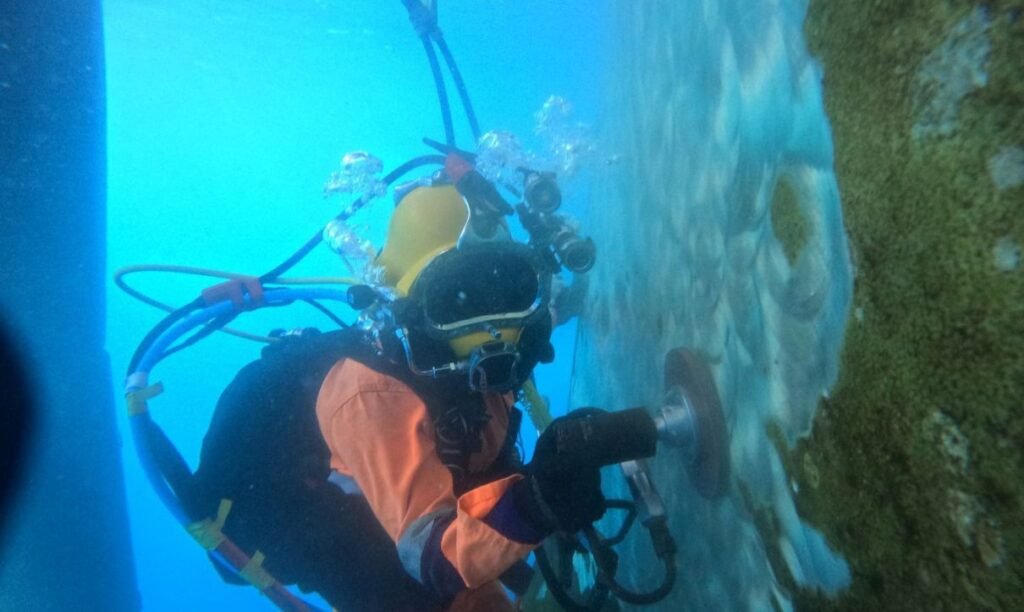
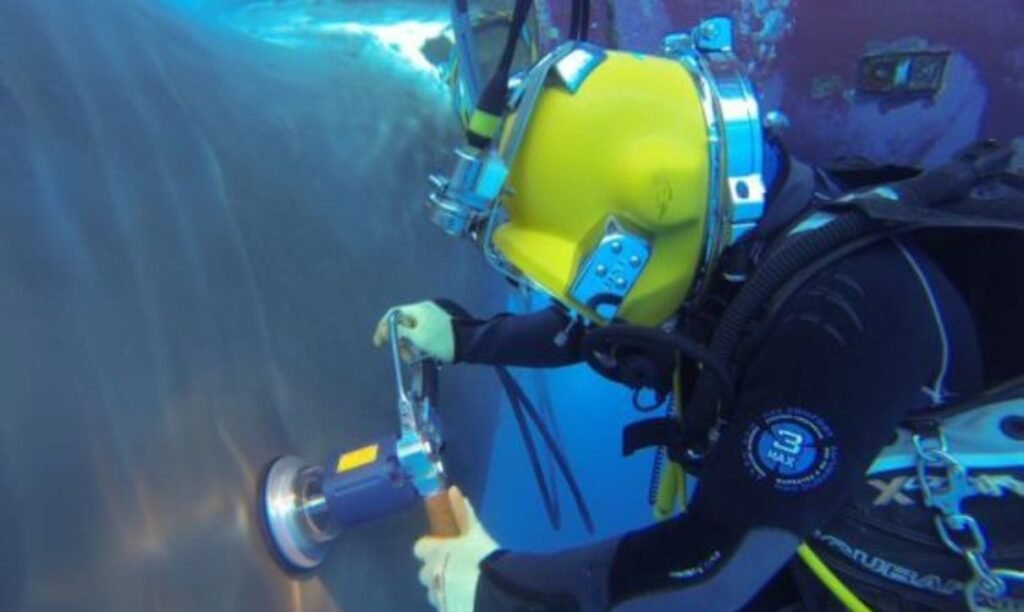
The process of Ship Hull Cleaning in Luanda relies on precision and modern technology. Professional divers use high-pressure water jets, rotary brushes, and specialized hydraulic tools to remove marine buildup without damaging hull coatings. For hard-to-reach areas, remotely operated vehicles (ROVs) and underwater drones provide real-time monitoring and cleaning.
Advanced filtration systems capture debris, ensuring no pollutants re-enter the water. Certified companies follow guidelines set by the International Marine Contractors Association to maintain diver safety and quality standards. This mix of expertise and technology ensures efficient cleaning and minimal environmental disruption. Know more about underwater ship hull cleaning in Oran.
Environmental Compliance and Global Regulations
Environmental protection is central to Ship Hull Cleaning in Luanda. The MARPOL Convention mandates responsible cleaning practices to prevent contamination and invasive species transfer. Cleaning residues are collected using containment systems and disposed of at authorized facilities. Compliance with the International Association of Ports and Harbors regulations ensures sustainable operations. By following these standards, Luanda’s maritime cleaning companies reduce ecological harm while helping ship owners avoid hefty penalties. Adhering to these international rules not only preserves marine biodiversity but also enhances a ship’s reputation for environmental responsibility.
Economic Advantages of Regular Hull Maintenance
Ship Hull Cleaning in Luanda is an investment that pays off in multiple ways. A clean hull minimizes drag, saving up to 15–20% in fuel costs annually. For large cargo ships, this can amount to thousands of dollars in savings per voyage. Reduced drag also means engines face less strain, prolonging their lifespan and lowering maintenance expenses.
Ships with clean hulls experience smoother operations, fewer breakdowns, and improved scheduling efficiency. In competitive shipping markets, operators who maintain their vessels regularly gain a clear financial and performance edge over those who delay or neglect maintenance. Read more about underwater ship hull cleaning in Algeria.
Reducing Carbon Emissions through Hull Cleaning
A clean hull is a green hull. Ship Hull Cleaning in Luanda plays a key role in reducing carbon emissions from global shipping. When biofouling increases drag, ships burn more fuel to maintain speed, producing higher levels of greenhouse gases. By keeping hulls clean, vessels can operate efficiently while contributing to the International Maritime Organization’s 2050 goal of cutting CO₂ emissions by 50%.
Regular cleaning also aligns with global sustainability targets and corporate environmental responsibility goals. In short, maintaining a clean hull isn’t just good for performance—it’s a direct contribution to cleaner oceans and a greener planet.
Safety and Professionalism in Cleaning Operations
Safety underpins every operation in Ship Hull Cleaning in Luanda. Divers undergo intensive training and work under strict IMCA standards to minimize risks. Before cleaning begins, teams conduct detailed site inspections to assess fouling levels and underwater visibility. Communication systems keep divers and surface teams connected at all times.
Robotic systems are also used in deeper waters to reduce human exposure. Strict adherence to environmental, health, and safety protocols ensures that operations are both safe and effective. This professional approach allows cleaning teams to deliver high-quality results without compromising crew welfare or environmental integrity. Learn more about underwater ship hull cleaning in Skikda
Marine Supercargo Expands Services: Drug & Alcohol Testing for Safer Seas
Marine Supercargo, a trusted name in global marine services, has broadened its offerings to include professional Drug & Alcohol Testing for seafarers. This new service enhances onboard safety and regulatory compliance by ensuring that crews operate with full alertness and responsibility. Substance misuse at sea can lead to severe accidents, environmental damage, and legal consequences.
By implementing standardized testing, Marine Supercargo helps ship owners and operators meet International Maritime Organization safety standards. These services ensure safer vessels, fewer incidents, and improved operational reliability. Marine Supercargo’s initiative reflects its continued commitment to safer, cleaner, and more responsible maritime operations worldwide.
The Future of Ship Hull Cleaning in Luanda
The future of Ship Hull Cleaning in Luanda lies in automation and eco-friendly innovation. Technologies like autonomous robotic cleaners, biodegradable cleaning agents, and AI-driven maintenance systems are becoming industry standards. These innovations minimize downtime, reduce waste, and ensure compliance with stricter environmental laws.
Predictive maintenance tools now use data analytics to determine the best cleaning intervals, saving time and costs. As shipping companies move toward sustainable operations, Luanda’s port is set to become a leader in green maritime practices. The focus is clear—enhance performance, preserve the environment, and adopt smarter cleaning solutions for the future. Also read about ship hull cleaning in Algeria.
Conclusion
Ship Hull Cleaning in Luanda is essential for every vessel aiming for peak efficiency and environmental compliance. It helps ships save fuel, reduce emissions, and operate smoothly across busy global routes. Regular cleaning prevents corrosion and costly breakdowns while meeting strict international standards.
As the maritime industry moves toward automation and green technology, Luanda stands as a model for sustainable marine operations. To ensure your fleet remains efficient and compliant, partner with trusted experts. Visit CleanShip.co to explore innovative solutions that keep your vessels clean, safe, and ready for the future.
FAQs:
Q1. Why is Ship Hull Cleaning in Luanda necessary?
It removes marine fouling, reduces drag, saves fuel, and ensures compliance with international environmental regulations like MARPOL.
Q2. How often should ships undergo hull cleaning?
Most ships need cleaning every 6–12 months, depending on route, water temperature, and hull coating quality.
Q3. Does hull cleaning damage the ship’s paint?
When performed by certified professionals, cleaning is safe and preserves anti-fouling coatings, preventing corrosion and wear.
Q4. Why is Drug & Alcohol Testing important for crews?
It ensures crew safety, reduces accident risks, and maintains compliance with IMO safety regulations and port authority standards.
Q5. Are hull cleaning methods eco-friendly in Luanda?
Yes, modern cleaning in Luanda follows MARPOL and IMCA guidelines, using debris capture and non-toxic cleaning systems to protect marine life.