Ship Hull Cleaning in Ethiopia: A Complete Insight for Maritime Efficiency
Ship hull cleaning in Ethiopia has become an essential part of modern maritime maintenance, despite the country being landlocked. Through partnerships with nearby ports such as Djibouti, Ethiopia plays an active role in regional shipping operations that rely on well-maintained vessels. Hull cleaning removes algae, barnacles, and marine growth that accumulate on the ship’s underwater surface.
This buildup increases drag, fuel consumption, and maintenance costs. By investing in regular cleaning, ship owners ensure smooth operations, improved fuel economy, and compliance with international maritime laws. The process is guided by standards from IMO, IMCA, and the MARPOL Convention, ensuring safety and sustainability.
What Ship Hull Cleaning in Ethiopia Involves
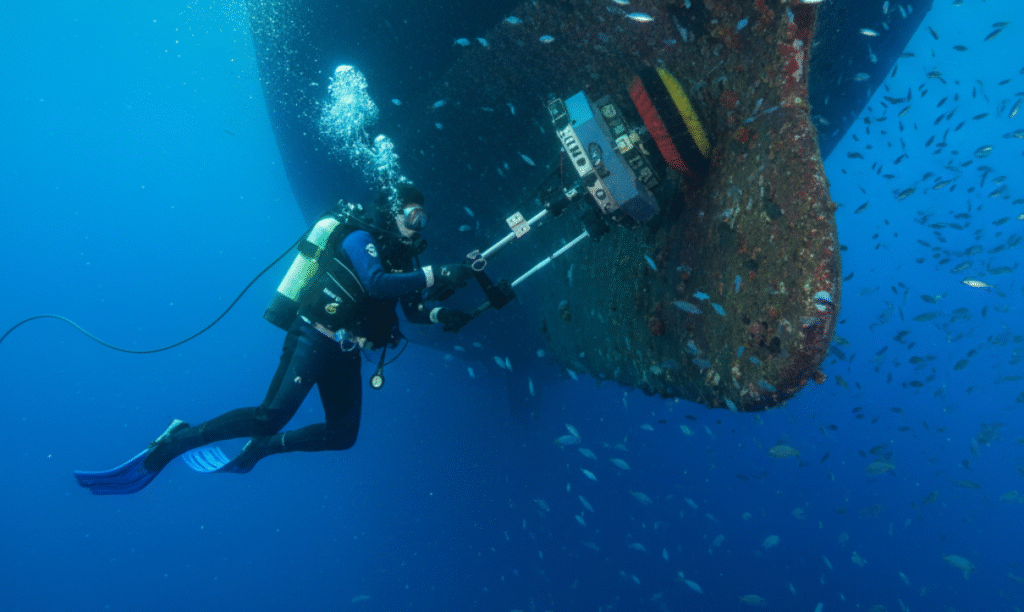
Ship hull cleaning in Ethiopia includes the thorough removal of biofouling and corrosion from the ship’s submerged areas. Professional divers and remotely operated vehicles (ROVs) perform the cleaning process using advanced brushes, scrapers, or high-pressure water systems. The goal is to restore the hull’s smoothness without damaging anti-fouling coatings.
Services are often conducted in partnership with regional facilities near ports connected to Ethiopia’s import-export trade routes. Each step is carried out under strict environmental and safety protocols to ensure minimal ecological impact. By following IMCA guidelines, ship owners maintain the vessel’s performance, reduce downtime, and extend the ship’s operational lifespan.
Why Ship Hull Cleaning Is Vital for Operators
Ship hull cleaning in Ethiopia is not just routine maintenance; it is a key operational requirement. A dirty hull increases resistance as a vessel moves through the water, forcing engines to work harder and consume more fuel. Over time, this raises operating costs and environmental impact. Clean hulls enhance hydrodynamic efficiency, allowing ships to move faster with less power.
They also protect propellers and engine systems from unnecessary strain. In the long term, regular cleaning translates to fewer breakdowns, better voyage schedules, and substantial cost savings. It is a simple yet strategic measure for sustaining performance and profitability.

The Step-by-Step Process of Hull Cleaning
The process of ship hull cleaning in Ethiopia involves several well-defined stages. It begins with an underwater inspection using cameras and sensors to assess fouling and surface conditions. Divers or ROVs then use appropriate cleaning tools such as rotating brushes or pressurized jets to remove growth.
Waste materials are carefully collected to prevent contamination, following MARPOL’s strict environmental standards. Once cleaning is completed, the hull is inspected again for verification. Documentation and photographic evidence are usually provided for compliance purposes. This structured approach ensures every cleaning task improves both the vessel’s efficiency and environmental responsibility. Also read about underwater ship hull cleaning in Moroni.
Environmental Impact and Sustainable Cleaning
Ship hull cleaning in Ethiopia contributes greatly to environmental protection and sustainable shipping. Fouled hulls increase fuel burn, which leads to higher CO2 emissions and pollution. Cleaning reduces drag, meaning less fuel is used and fewer greenhouse gases are released. It also prevents the transfer of invasive aquatic species that can disrupt ecosystems when ships move between ports.
Modern cleaning technologies use eco-friendly materials and biodegradable cleaning agents approved by the IMO. Through sustainable practices, Ethiopia’s maritime services align with global climate initiatives, promoting cleaner operations and preserving marine biodiversity across connected regional waters. Also, know about underwater ship hull cleaning in Mutsamudu.
Cost and Fuel Efficiency Benefits
One of the biggest advantages of ship hull cleaning in Ethiopia is the potential for significant cost savings. Marine growth increases drag on the hull, often raising fuel consumption by up to 30%. By keeping hulls clean, ships move more efficiently through the water, leading to lower fuel use and emissions. The savings from regular cleaning far outweigh the maintenance expenses.
Clean hulls also reduce strain on engines, extending their service life and minimizing repair costs. For operators, this means predictable budgets, improved voyage planning, and better compliance with environmental performance indicators established by IMO and IMCA.
Compliance with International Regulations
Ship hull cleaning in Ethiopia ensures ships meet global safety and environmental requirements. The International Maritime Organization (IMO) and the MARPOL Convention set strict standards for managing hull fouling and waste disposal. Compliance prevents ships from being penalized or detained during inspections. By following IMCA’s cleaning protocols, operators can guarantee that procedures are safe, traceable, and eco-compliant.
The MARPOL guidelines specifically regulate waste handling to protect marine environments. Ethiopian-linked maritime services uphold these global rules, ensuring all maintenance aligns with international best practices. More details can be explored at imo.org, imca-int.com, and marineinsight.com.
Technology Transforming Hull Cleaning
Technology has revolutionized ship hull cleaning in Ethiopia. Advanced robotic systems equipped with cameras and sensors allow precise cleaning without diver involvement. These remotely operated vehicles (ROVs) can navigate challenging underwater areas, ensuring complete cleaning coverage. Some systems use suction-based cleaning methods that collect debris instantly, preventing it from entering marine waters.
Artificial intelligence now assists in tracking fouling patterns and scheduling maintenance proactively. These digital tools make the process faster, safer, and more cost-effective. By adopting these innovations, Ethiopia’s shipping partners stay ahead in maritime efficiency and environmental stewardship. Read more about Underwater ship hull cleaning in Congo.
Challenges in Hull Cleaning Operations
While ship hull cleaning in Ethiopia offers numerous benefits, it also presents challenges. As a landlocked country, Ethiopia relies heavily on cooperation with coastal service providers for offshore maintenance. Transporting equipment and skilled divers to nearby ports can increase logistics costs. Waste management is another challenge, as residues from cleaning must be handled under MARPOL-compliant conditions to prevent pollution.
Additionally, training and certification of divers remain crucial for maintaining international quality standards. However, through partnerships with regional maritime bodies, Ethiopia continues to strengthen its position as a responsible and efficient participant in global shipping maintenance. Learn more about Underwater ship hull cleaning in Djibouti.
“Marine cleaning, anytime. Anywhere. 🌊 #GlobalMarine”#shipping #maritime #ship #cruises #sealife #port #shipping #marine #captain #vessel #ships #cargo pic.twitter.com/GgKTqEMETK
— Marine Super Cargo (@Marinsupercargo) October 4, 2025
Marine Supercargo Expands Services: Drug & Alcohol Testing for Safer Seas
Marine Supercargo, a trusted name in ship hull cleaning in Ethiopia and around the world, has expanded its operations to include drug & alcohol testing services. This initiative enhances maritime safety by ensuring that all crew members are fit for duty and comply with international regulations. The testing program helps ship owners and operators minimize risks caused by human error and substance misuse.
Conducted under IMO and MARPOL safety guidelines, this service supports healthy, reliable crews and safer voyages. Marine Supercargo’s commitment to operational integrity and safety reinforces its reputation as a global leader in responsible maritime solutions. Learn about Underwater ship hull cleaning in Egypt.
Future of Ship Hull Cleaning in Ethiopia
The future of ship hull cleaning in Ethiopia is heading toward automation, sustainability, and smarter data use. Self-cleaning hull coatings, AI-based inspection systems, and bio-resistant materials are emerging as key innovations. These technologies will make hull maintenance less frequent and more effective. As Ethiopia strengthens its partnerships with neighboring ports and global organizations like IAPH and CleanShip.co, it will play a greater role in sustainable maritime logistics. The focus is shifting from reactive maintenance to proactive solutions that improve efficiency, reduce costs, and protect the marine environment across African shipping routes.
Conclusion: 3 Key Takeaways and a Call to Action
Ship hull cleaning in Ethiopia stands as a critical component of maritime efficiency, compliance, and sustainability. First, it cuts fuel costs and boosts operational performance. Second, it ensures adherence to international regulations set by IMO and MARPOL. Third, it supports environmental protection and long-term savings.
To guarantee reliable, professional cleaning and compliance, partner with trusted experts like CleanShip.co. Their commitment to global standards ensures your vessels operate at peak performance while contributing to greener shipping practices. Take the step today toward safer, cleaner, and more efficient maritime operations.
FAQs:
Q1. What is ship hull cleaning?
It’s the process of removing marine growth and corrosion from a vessel’s submerged surface to improve performance, fuel efficiency, and safety.
Q2. How often should ship hull cleaning in Ethiopia be performed?
Ideally, every 3 to 6 months, depending on vessel type, operational routes, and fouling intensity. Regular cleaning ensures smoother voyages and cost savings.
Q3. Why is Drug & Alcohol Testing important for maritime crews?
It ensures crew members are alert, healthy, and compliant with IMO safety standards, reducing the risk of accidents and operational delays at sea.
Q4. Does hull cleaning harm marine life?
When performed under MARPOL and IMO-approved methods, the process is eco-friendly, preventing pollution and protecting aquatic ecosystems.
Q5. Which company offers both cleaning and safety testing?
Marine Supercargo, supported by CleanShip.co, provides both ship hull cleaning and Drug & Alcohol Testing services for complete maritime safety management.