
Ship Hull Cleaning in Eswatini: A Complete Guide
Ship hull cleaning in Eswatini is more than just a maintenance task; it is a crucial operation that impacts fuel efficiency, vessel performance, and environmental compliance. Every marine operator knows that a clean hull reduces drag, improves speed, and lowers fuel consumption, saving money in the long run.
We will explore every aspect of ship hull cleaning in Eswatini, from modern techniques and regulations to innovative services. By understanding these factors, you can ensure your vessels operate efficiently while remaining compliant with international maritime standards.
Why Regular Ship Hull Cleaning in Eswatini Matters
Regular ship hull cleaning in Eswatini is vital to prevent biofouling, which is the accumulation of marine organisms on the hull. Biofouling increases drag, fuel consumption, and carbon emissions, ultimately raising operational costs. Consistent cleaning also prevents structural damage and preserves the vessel’s coating.
By investing in a regular cleaning schedule, ship owners ensure compliance with MARPOL regulations, maintain optimal vessel speed, and reduce downtime. A well-maintained hull translates to smoother voyages, lower emissions, and significant cost savings, making regular cleaning a smart strategy for both financial and environmental sustainability.
Techniques Used in Ship Hull Cleaning in Eswatini
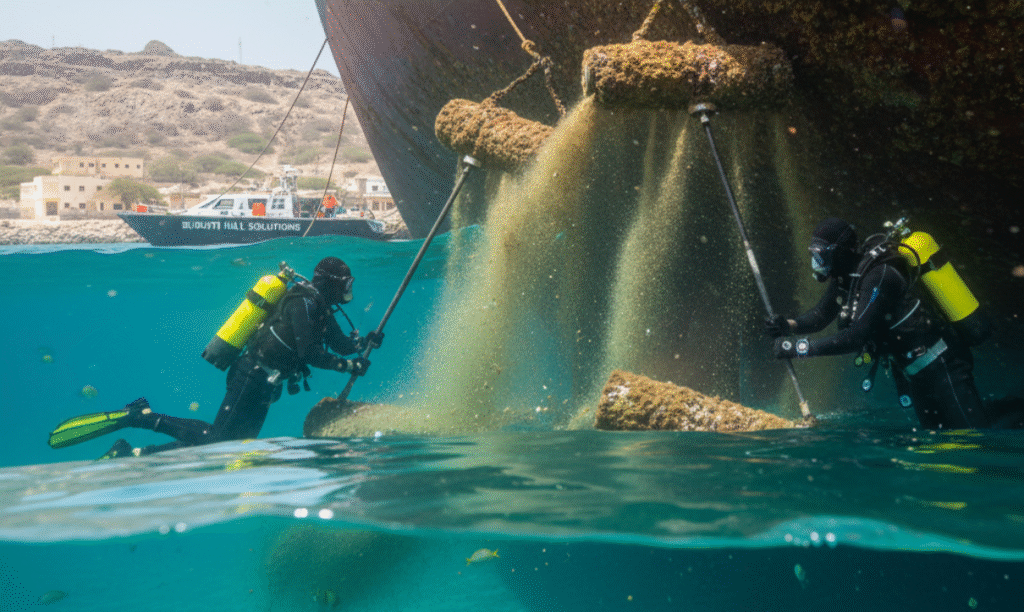
Ship hull cleaning in Eswatini employs advanced techniques like underwater brushing, high-pressure water jets, and robotic cleaning systems. Underwater cleaning uses trained divers to remove biofouling without dry-docking, saving time and costs. Robotic systems provide precise cleaning, reducing damage to anti-fouling coatings.
These methods ensure compliance with IMO guidelines while enhancing vessel efficiency. Choosing the right technique depends on hull type, coating, and fouling level. By combining technology with skilled labor, ship hull cleaning in Eswatini maximizes operational benefits and ensures the vessel remains in top condition for longer periods, protecting both your investment and the environment.

Environmental Benefits of Ship Hull Cleaning in Eswatini
Ship hull cleaning in Eswatini not only improves vessel performance but also protects marine ecosystems. Biofouling can introduce invasive species to local waters, disrupting natural habitats. Proper cleaning reduces the spread of these organisms while lowering fuel consumption and CO2 emissions. Additionally, environmentally responsible cleaning practices prevent chemical pollutants from entering the water.
By using eco-friendly methods, ship owners comply with international regulations and contribute to the preservation of marine biodiversity. This approach demonstrates commitment to sustainability, making ship hull cleaning in Eswatini a strategic choice for environmentally conscious maritime operations. Also read about underwater ship hull cleaning in Moroni.
Cost-Saving Advantages of Ship Hull Cleaning in Eswatini
Regular ship hull cleaning in Eswatini offers substantial cost-saving advantages. A clean hull reduces drag, improving fuel efficiency and lowering operational expenses. It also prevents corrosion and structural damage, extending the vessel’s lifespan and reducing maintenance costs. Fewer repairs and dry-docking interventions mean less downtime, enabling ships to meet tight schedules.
By investing in preventative cleaning, operators can optimize fuel consumption, comply with environmental regulations, and protect their financial interests. Ultimately, ship hull cleaning in Eswatini is a proactive investment that delivers long-term economic benefits, ensuring both profitability and operational efficiency. Also, know about underwater ship hull cleaning in Mutsamudu.
Compliance and Regulatory Standards
Ship hull cleaning in Eswatini must comply with international regulations like MARPOL, IMO guidelines, and local environmental laws. These rules aim to prevent marine pollution, control invasive species, and ensure safe maritime operations. Non-compliance can lead to hefty fines, operational delays, and reputational damage.
By adhering to these standards, ship owners protect their vessels, crew, and the environment. CleanShip.co and similar platforms help operators stay informed about regulatory changes. Understanding these compliance requirements is essential for maintaining credibility, avoiding penalties, and ensuring that ship hull cleaning in Eswatini is conducted safely and responsibly. Read more about Underwater ship hull cleaning in Congo.
Innovative Technologies in Ship Hull Cleaning
The ship hull cleaning industry in Eswatini is rapidly evolving with innovative technologies. Automated underwater drones, smart sensors, and eco-friendly cleaning agents are transforming maintenance practices. These technologies allow precise cleaning without damaging anti-fouling coatings, reduce human risk, and improve operational efficiency.
Predictive maintenance using data analytics helps schedule cleaning proactively, reducing unexpected downtime. As these innovations become mainstream, ship hull cleaning in Eswatini will not only be faster and safer but also more sustainable. Embracing technology ensures vessels remain compliant, efficient, and competitive in a demanding maritime environment. Learn more about Underwater ship hull cleaning in Djibouti.
Marine Supercargo Expands Services: Drug & Alcohol Testing for Safer Seas
Marine Supercargo, a trusted global marine cleaning platform, now offers professional Drug & Alcohol Testing services. This new service helps ship owners, operators, and managers maintain crew safety while complying with international maritime regulations. Drug and alcohol impairments can compromise vessel operations, leading to accidents, delays, and regulatory violations.
By implementing regular testing, operators can ensure that all crew members remain fit for duty, protecting both personnel and cargo. This initiative supports operational efficiency, reduces liability risks, and strengthens overall safety culture. Marine Supercargo’s expansion underscores the importance of comprehensive safety and hygiene in modern maritime operations. Learn about Underwater ship hull cleaning in Egypt.
Future Trends in Ship Hull Cleaning in Eswatini
Future trends in ship hull cleaning in Eswatini are leaning toward automation, sustainability, and predictive maintenance. Advanced robotic cleaners, eco-friendly anti-fouling coatings, and real-time monitoring systems will redefine efficiency and environmental responsibility. Digital tracking of cleaning schedules will optimize fuel usage and maintenance costs.
Emerging innovations aim to reduce human risk while enhancing compliance with international standards. Ship owners who adopt these trends will benefit from reduced operational expenses, improved performance, and a cleaner environmental footprint. Staying ahead of these trends ensures that ship hull cleaning in Eswatini remains both effective and future-ready.
“Marine cleaning, anytime. Anywhere. 🌊 #GlobalMarine”#shipping #maritime #ship #cruises #sealife #port #shipping #marine #captain #vessel #ships #cargo pic.twitter.com/GgKTqEMETK
— Marine Super Cargo (@Marinsupercargo) October 4, 2025
Health and Safety Measures During Hull Cleaning
Ship hull cleaning in Eswatini involves strict health and safety protocols. Divers and technicians face risks like underwater hazards, strong currents, and chemical exposure. Proper training, safety equipment, and emergency procedures are mandatory to prevent accidents. Platforms like CleanShip.co emphasize the importance of certified professionals, continuous monitoring, and adherence to international safety standards.
Ensuring crew safety during hull cleaning not only protects human lives but also enhances operational efficiency and compliance. By prioritizing health and safety, ship hull cleaning in Eswatini maintains high standards of professionalism and reduces risks for all maritime stakeholders.
How to Choose the Right Service Provider
Selecting the right service provider for ship hull cleaning in Eswatini requires evaluating expertise, technology, and compliance track record. Look for companies with certified divers, advanced equipment, and proven experience. Check if they follow MARPOL and IMO guidelines, prioritize environmental safety, and provide transparent pricing.
Platforms like CleanShip.co offer comprehensive solutions, scheduling flexibility, and real-time reporting. Partnering with the right provider ensures your vessel receives efficient, safe, and environmentally responsible cleaning services. By making an informed choice, operators can maximize fuel efficiency, reduce maintenance costs, and maintain compliance while safeguarding crew and cargo.
Conclusion: Key Takeaways
Ship hull cleaning in Eswatini is essential for operational efficiency, environmental protection, and regulatory compliance. Regular maintenance reduces drag, fuel consumption, and carbon emissions, saving costs while extending vessel life. Innovative technologies, safety protocols, and expanded services like drug & alcohol testing enhance crew safety and operational efficiency. Partnering with a reliable service provider ensures professional, sustainable, and compliant cleaning. Prioritizing hull maintenance safeguards your investment, supports environmental stewardship, and ensures smooth maritime operations. Visit CleanShip.co to access expert services and maintain your fleet at peak performance.
FAQs:
Q1. Why is drug and alcohol testing important for ship crews?
Drug and alcohol testing ensures crew members are fit for duty, reducing the risk of accidents, regulatory violations, and operational delays. It promotes safety and compliance with international maritime regulations.
Q2. How often should a ship hull be cleaned?
Hull cleaning frequency depends on vessel type, operating waters, and biofouling levels. Typically, cleaning every 6–12 months helps maintain efficiency, reduce fuel consumption, and comply with environmental regulations.
Q3. Can ship hull cleaning reduce fuel costs?
Yes, removing biofouling and maintaining a smooth hull reduces drag, improving fuel efficiency. This leads to significant cost savings, lower emissions, and better overall vessel performance.
Q4. Are underwater cleaning methods safe for hull coatings?
Modern techniques, including robotic cleaning and low-pressure water jets, protect anti-fouling coatings while removing biofouling. Certified divers and proper protocols ensure safe and effective cleaning.
Q5. What environmental benefits does hull cleaning offer?
Hull cleaning prevents the spread of invasive species, reduces fuel consumption, and lowers CO2 emissions. Eco-friendly practices comply with regulations and preserve marine ecosystems.