Ship Hull Cleaning in Equatorial Guinea: Your Essential Guide
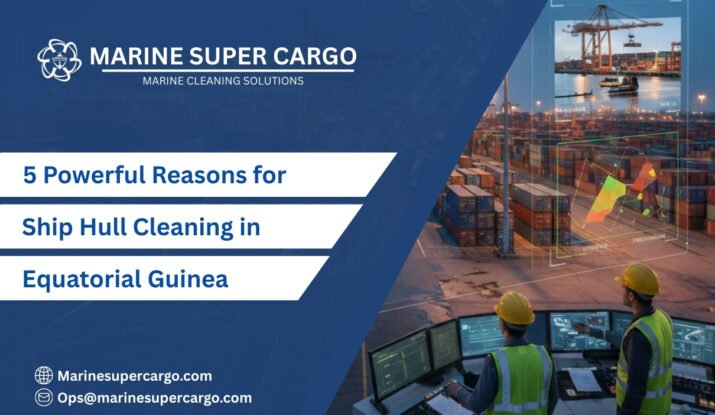
When your vessel sails near Bioko or along the Gulf of Guinea’s continental shores, time quietly works against you. Marine organisms like algae, barnacles, and slime stealthily attach to your hull, turning your sleek ship into a draggy submarine. That’s why ship hull cleaning in Equatorial Guinea is more than maintenance—it’s mission-critical.
In warm tropical waters, fouling accelerates. Cleaning your hull underwater restores performance, cuts fuel use, and ensures you comply with maritime rules. In this guide, we’ll journey through what the process involves, why it matters, and how you can do it right in Equatorial Guinea’s waters.
Why Ship Hull Cleaning in Equatorial Guinea Makes a Big Difference
The waters around Equatorial Guinea are warm, biologically active, and challenging for vessel hulls. Every day, your hull accumulates micro-organisms and marine life, drag increases, and efficiency drops. With ship hull cleaning in Equatorial Guinea, you reverse that trend. You restore hydrodynamic efficiency, meaning your vessel uses less fuel to maintain speed.
You also reduce harmful emissions, supporting green maritime operations. For shipowners, operators, and managers working in Equatorial Guinea’s ports—like Malabo, Bata, or the growing Luba free port—this cleaning is a key tool to preserve schedules, reduce costs, and protect your vessel’s integrity.
How the Cleaning Process Works Underwater
Carrying out ship hull cleaning in Equatorial Guinea involves precision, safety protocols, and the right technology. First, certified divers or remotely operated vehicles (ROVs) perform an initial hull inspection to map fouling distribution. Next, cleaning begins using brushes, water jets, or gentle scrubbers, depending on the type of fouling and hull coating.
Debris is collected with suction or filtration systems to prevent contamination of surrounding waters. After cleaning, a survey verifies that no spots were missed and produces a compliance report. The entire process is structured to be efficient, safe for the crew and vessel, and mindful of environmental regulations. Also read about underwater ship hull cleaning in Moroni.

Key Benefits You’ll Enjoy Immediately
When you commit to ship hull cleaning in Equatorial Guinea, you unlock several direct advantages:
- Fuel savings: reduced drag means your engines work less hard
- Speed recovery: regain lost knots of speed
- Lower maintenance load: less strain on propulsion systems
- Coating protection: avoid damage to anti-fouling layers
- Emissions reduction: better environmental performance
- Compliance assurance: avoid fines or inspections
Many operators report fuel reductions of 10–20 % after proper cleaning. In the context of long voyages and high fuel costs, that’s not trivial—it’s a competitive edge. Also, know about underwater ship hull cleaning in Mutsamudu.
Environmental & Regulatory Considerations
Operating in Equatorial Guinea’s marine zones means you must observe environmental responsibility. ship hull cleaning in Equatorial Guinea must align with international conventions like MARPOL and IMO rules governing pollution and invasive species.
The use of debris containment systems, closed capture devices, and safe disposal is essential to avoid harming marine life. Service providers typically follow standards set by IMCA to guarantee safety and environmental care. If cleaning is done without these safeguards, there’s a risk of releasing toxic particles or invasive species into sensitive ecosystems.
“Marine cleaning, anytime. Anywhere. 🌊 #GlobalMarine”#shipping #maritime #ship #cruises #sealife #port #shipping #marine #captain #vessel #ships #cargo pic.twitter.com/GgKTqEMETK
— Marine Super Cargo (@Marinsupercargo) October 4, 2025
Challenges & Risks You Should Know
Performing ship hull cleaning in Equatorial Guinea isn’t without challenges:
- Damage to hull coatings if cleaning is too aggressive
- Inadequate debris capture is causing pollution
- Limited windows in port schedules
- Need for certified operators skilled in local protocols
- Ensuring compliance with both local and international rules
To mitigate risks, choose providers with strong safety records, transparent reporting, and experience in tropical marine environments. Checking that they follow IMCA and port authority guidelines is essential.
Technology Driving Smarter Cleaning
The field of ship hull cleaning in Equatorial Guinea is evolving thanks to new technologies:
- Advanced ROVs that scrub without divers
- Autonomous cleaning robots that reduce risk
- Real-time sensors to monitor fouling buildup
- Predictive models to optimize cleaning schedules
- Eco-friendly coatings that limit organism attachment
One promising development is autonomous rovers designed for underwater cleaning tasks, reducing dependence on human divers. (See research on underwater autonomous cleaning robots) These tools make cleaning safer, faster, and more cost-effective over time. Read more about Underwater ship hull cleaning in Congo.
Selecting a Trusted Cleaning Partner
To ensure a smooth operation, when engaging in ship hull cleaning in Equatorial Guinea, evaluate your contractor on:
- Certification (IMCA, safety, environmental)
- Use of debris containment and filtration
- Ability to document pre-/post surveys
- Experience in regional waters
- Compatibility with your hull and coating type
A trusted partner will minimize downtime, protect vessel integrity, and help you stay compliant with regulatory authorities.
Marine Supercargo Expands Services: Drug & Alcohol Testing for Safer Seas
Marine Supercargo, a well-established name in global marine cleaning operations, has now broadened its offerings to include professional Drug & Alcohol Testing for seafarers. This new service supports shipowners, operators, and managers in maintaining rigorous safety standards. Ensuring crew members are fit for duty reduces accident risk, safeguards reputation, and aligns with IMO and IMCA norms.
Integrating testing into regular maintenance schedules means you streamline operations while maintaining full compliance. For ships operating in Equatorial Guinea or any global port, this extension reflects a commitment to both vessel performance and human safety.
Trends & Innovations Shaping the Future
The future of ship hull cleaning in Equatorial Guinea points toward greater automation, sustainability, and intelligence. Robotic systems will do more of the work, minimizing human exposure to underwater hazards. Anti-fouling coatings will become more advanced, reducing the need for frequent cleaning.
Predictive analytics and sensor networks will forecast when cleaning is optimal, avoiding wasteful overcleaning. As Equatorial Guinea develops port infrastructure—such as Luba’s free port facilities and upgrades in Malabo—these innovations will sync with local maritime policies. The next decade promises cleaner hulls, smarter operations, and greener seas. Learn more about Underwater ship hull cleaning in Djibouti.
Operational & Economic Advantages
When you adopt ship hull cleaning in Equatorial Guinea as a strategic practice, the returns stack up. You save fuel costs, reduce maintenance expenses, and avoid unplanned downtime. Better vessel responsiveness improves scheduling reliability and customer trust. Cleaner hulls also reduce carbon emissions, helping your company meet environmental targets.
The sum of small savings becomes a major financial boost across multiple voyages. In a competitive maritime environment, adopting regular underwater cleaning gives you an operational edge. Learn about Underwater ship hull cleaning in Egypt.

Conclusion: 3 Key Takeaways & Next Steps
Ship hull cleaning in Equatorial Guinea isn’t just a maintenance task—it’s a vital operational strategy. First, it restores vessel efficiency and cuts fuel costs. Second, it ensures compliance with environmental and maritime regulations. Third, it helps safeguard marine ecosystems while reducing risks.
To maximize those gains, choose a certified, experienced cleaning partner and integrate dockside testing like drug and alcohol screening. For dependable, eco-compliant solutions, consider connecting with CleanShip.co’s network. Don’t let fouling erode your margins—schedule your next hull cleaning and steer your fleet toward peak performance.
FAQs:
Q1. Why is ship hull cleaning in Equatorial Guinea critical?
It removes biofouling that increases drag and fuel consumption, restoring efficiency and helping vessels stay compliant with IMO and MARPOL standards.
Q2. How often should cleaning be performed?
Frequency depends on route, hull coating, and water conditions, but many vessels benefit from cleaning every 3–6 months in tropical waters.
Q3. What is in-vessel or underwater cleaning?
This refers to cleaning the submerged hull without removing the ship from water, using divers or ROVs, reducing downtime, and avoiding dry-docking.
Q4. Why is drug and alcohol testing important on ships?
Testing ensures that crew members are fit for duty, enhancing safety, preventing accidents, and aligning with maritime regulation requirements.
Q5. How is environmental damage prevented during cleaning?
Providers use debris capture systems, closed filtration, and proper waste disposal to avoid releasing pollutants or invasive species during hull cleaning.