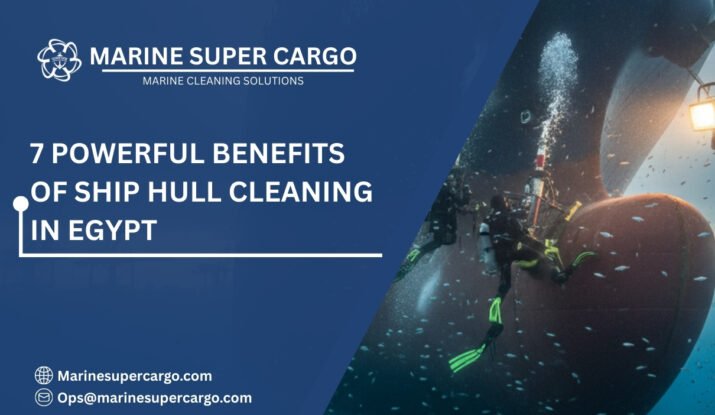
Ship Hull Cleaning in Egypt: The Complete Guide
Egypt, with its strategic location bridging the Mediterranean Sea and the Red Sea through the Suez Canal, is a key player in global maritime trade. Ships passing through its ports face the inevitable challenge of marine growth, also known as biofouling. Over time, this buildup of algae, barnacles, and other organisms can reduce vessel efficiency.
Ship hull cleaning in Egypt has therefore become a vital maintenance practice for shipowners and operators. It ensures smoother voyages, lower fuel consumption, and compliance with environmental standards. This guide explores everything from cleaning methods to compliance requirements and technological innovations shaping the Egyptian maritime industry.
Why Ship Hull Cleaning in Egypt Matters for Every Vessel
In Egypt’s warm coastal waters, biofouling occurs more rapidly than in colder regions. When marine organisms attach to a hull, they increase drag, which can lead to up to 30% higher fuel consumption. Ship hull cleaning in Egypt removes this buildup, restoring the vessel’s smooth surface and enhancing hydrodynamic efficiency.
A clean hull ensures better speed, reduced emissions, and lower operating costs. Additionally, regular cleaning minimizes the spread of invasive species, a key concern addressed by international authorities, such as the International Maritime Organization. By prioritizing timely hull cleaning, shipowners in Egypt safeguard performance, reduce costs, and protect the marine environment simultaneously.
The Process of Professional Ship Hull Cleaning in Egypt
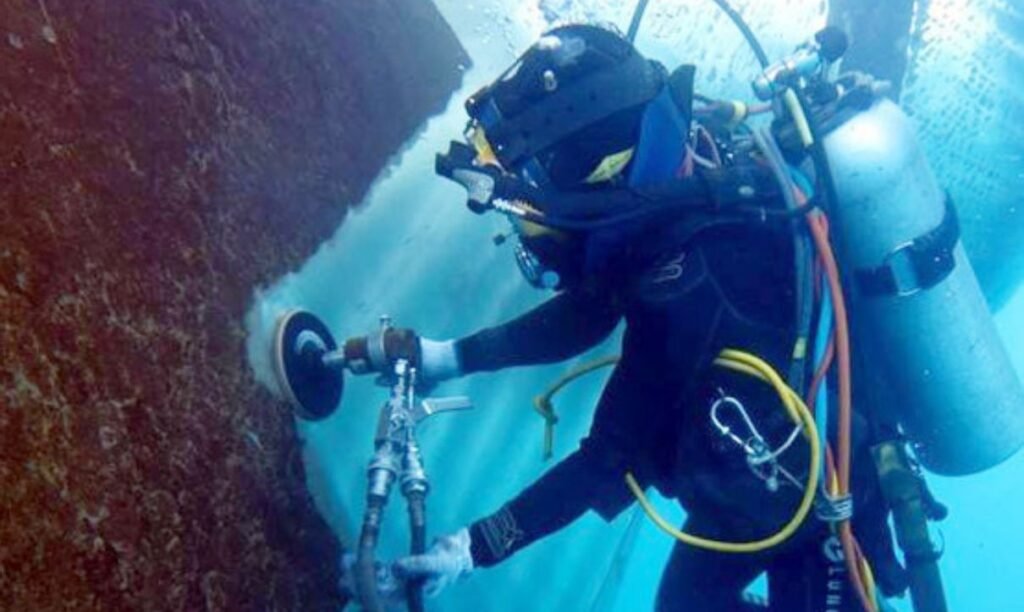
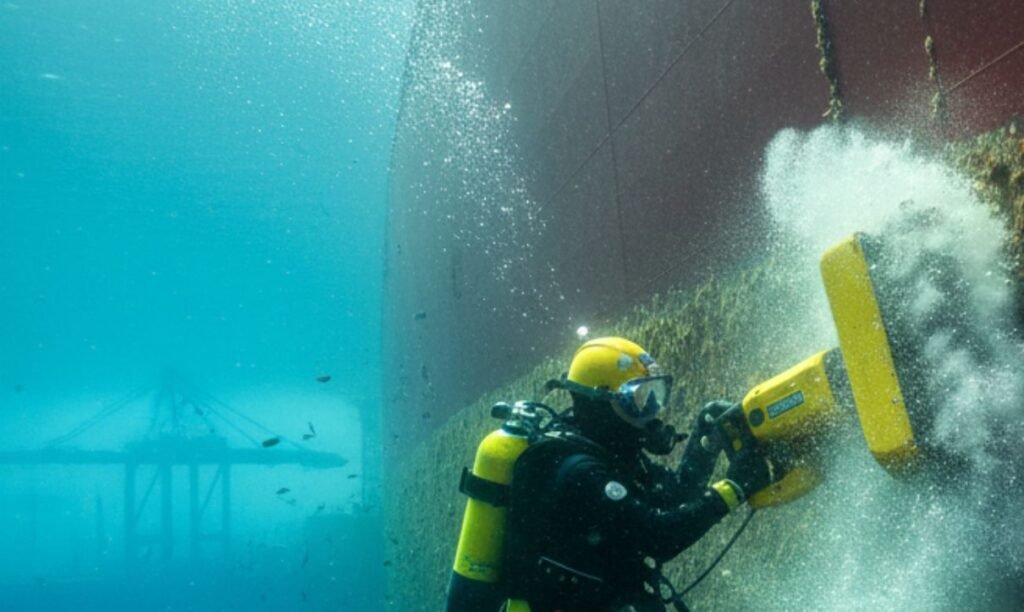
Ship hull cleaning in Egypt involves advanced techniques performed by trained divers or remotely operated vehicles (ROVs). The process begins with an underwater inspection to assess fouling levels. Once analyzed, divers use specialized tools such as rotating brushes, water jets, or magnetic scrubbers to remove marine growth.
For larger vessels, ROVs provide precision cleaning and real-time video feedback. Debris collected is contained using environmentally friendly suction systems to prevent contamination. This process is done either during port stops or at anchorages, minimizing downtime. Professional cleaning ensures that vessels maintain operational readiness without compromising marine ecosystems, complying fully with international regulations. Also read about underwater ship hull cleaning in Moroni.
Key Benefits of Regular Hull Maintenance
Routine ship hull cleaning in Egypt provides measurable economic and environmental benefits. Cleaner hulls reduce drag, improving fuel efficiency and cutting operational costs. Studies show that regular cleaning can save up to 10%–20% on fuel annually. It also reduces engine wear by minimizing strain, extending the vessel’s lifespan. Cleaner hulls contribute to lower carbon emissions, supporting global sustainability initiatives.
Furthermore, routine cleaning helps avoid costly dry-docking and delays caused by speed loss or excessive fouling. In short, consistent maintenance improves efficiency, ensures compliance, and enhances profitability, making it a smart long-term investment for fleet operators in Egypt. Also, know about underwater ship hull cleaning in Mutsamudu.
Environmental Responsibility in Egypt’s Maritime Industry
Egypt’s maritime sector is closely linked to environmental preservation due to its connection to the Red Sea and Suez Canal ecosystems. Improper cleaning can harm marine life through the release of toxic residues or invasive species. To prevent this, ship hull cleaning in Egypt follows strict standards under the MARPOL Convention and the International Marine Contractors Association.
Many service providers use debris-capture systems and eco-friendly cleaning technologies. By adopting sustainable methods, Egypt’s ship cleaning industry plays a crucial role in protecting biodiversity, reducing pollution, and supporting the country’s commitment to greener maritime operations.
Ensuring Compliance with International Regulations
Ship hull cleaning in Egypt must comply with international and local maritime regulations to ensure vessel safety and environmental protection. Organizations like the IMO, MARPOL, and IAPH enforce strict standards for underwater cleaning. Egyptian port authorities also require regular inspections to ensure vessels meet these standards.
Certified cleaning companies provide detailed reports, including pre- and post-cleaning documentation, ensuring transparency and compliance. Non-compliance can result in fines, detention, or operational delays. Partnering with approved providers guarantees that vessels not only stay compliant but also operate efficiently and sustainably across Egyptian and international waters. Read more about Underwater ship hull cleaning in Congo.
Modern Technology Transforming Ship Hull Cleaning
Technology has revolutionized ship hull cleaning in Egypt, replacing traditional methods with innovative, data-driven solutions. Modern ROVs equipped with cameras and sensors perform precise cleaning with minimal diver intervention. These systems collect real-time data to assess hull conditions and optimize cleaning frequency. Artificial intelligence is increasingly being used to predict fouling buildup and schedule preventive cleaning.
Eco-friendly coatings are also emerging, reducing organism attachment and cleaning needs. Such advancements align with Egypt’s ambition to modernize its maritime sector while reducing environmental impact. The integration of robotics and AI ensures higher efficiency, safety, and sustainability in hull maintenance. Learn more about Underwater ship hull cleaning in Djibouti.
Selecting the Right Hull Cleaning Partner in Egypt
Choosing the right service provider for ship hull cleaning in Egypt is crucial for efficiency and compliance. Reliable companies employ certified divers, advanced cleaning technologies, and eco-friendly waste management practices. Shipowners should verify if a provider adheres to IMCA and MARPOL standards and offers transparent reporting systems.
CleanShip.co is one example of a globally recognized platform providing safe and sustainable hull cleaning services in major ports. Selecting an experienced partner ensures reduced operational risks, minimal downtime, and full compliance. Investing in professional expertise is the smartest decision for ship operators navigating Egypt’s busy maritime routes. Learn about Underwater ship hull cleaning in Egypt.
Marine Supercargo Expands Services: Drug & Alcohol Testing for Safer Seas
Marine Supercargo, a well-established global marine cleaning service, has recently expanded its portfolio to include Drug and Alcohol Testing for maritime crews. This initiative helps shipowners, operators, and managers ensure full compliance with international safety regulations. Crew health and alertness are critical for operational efficiency and accident prevention.
Through this service, Marine Supercargo promotes safer working environments while supporting IMO and IMCA safety standards. By integrating testing into regular maintenance routines, companies can enhance crew reliability and vessel performance. This move demonstrates Marine Supercargo’s commitment to holistic maritime safety and operational excellence across global and Egyptian shipping operations.
“Marine cleaning, anytime. Anywhere. 🌊 #GlobalMarine”#shipping #maritime #ship #cruises #sealife #port #shipping #marine #captain #vessel #ships #cargo pic.twitter.com/GgKTqEMETK
— Marine Super Cargo (@Marinsupercargo) October 4, 2025
Future Trends in Ship Hull Cleaning in Egypt
The future of ship hull cleaning in Egypt is defined by sustainability, automation, and innovation. Robotic systems will continue to replace manual divers, making cleaning faster and safer. Eco-friendly anti-fouling coatings are being developed to reduce marine growth naturally, minimizing cleaning frequency.
Predictive analytics powered by AI will soon allow shipowners to anticipate cleaning schedules based on water conditions and hull data. As Egypt invests in smart port technologies, these innovations will integrate seamlessly with digital port operations. The future is clear—cleaner hulls, greener seas, and smarter maintenance will shape Egypt’s next era of maritime efficiency.
Economic and Operational Advantages
Investing in ship hull cleaning in Egypt offers both economic and operational benefits. Fuel savings, reduced downtime, and extended hull lifespan all contribute to improved profitability. Efficient hulls allow vessels to meet delivery deadlines, strengthening business reliability. Lower emissions help ship operators meet environmental targets while boosting their global reputation.
Additionally, avoiding heavy fouling prevents costly dry-docking and mechanical repairs. The return on investment is immediate and measurable. In a competitive maritime market like Egypt’s, maintaining a clean hull isn’t just good practice—it’s a critical strategy for sustainable success and long-term operational excellence.
Conclusion: 3 Key Takeaways and Action Steps
Ship hull cleaning in Egypt is more than maintenance—it’s a smart operational strategy. First, it improves fuel efficiency and reduces long-term costs. Second, it ensures compliance with international maritime and environmental regulations. Third, it promotes sustainability and vessel safety. To stay ahead, shipowners should partner with certified cleaning providers like CleanShip.co.
A proactive cleaning schedule not only boosts performance but also protects marine ecosystems. The future of Egypt’s maritime industry lies in cleaner, greener, and more efficient operations. Start prioritizing your vessel’s hull maintenance today and navigate towards smoother, safer seas.
FAQs:
Q1. Why is ship hull cleaning in Egypt essential for vessels?
It removes marine growth that increases drag, reduces speed, and raises fuel consumption, helping ships stay efficient and compliant with IMO standards.
Q2. How often should hull cleaning be performed in Egyptian waters?
Most vessels benefit from cleaning every six months, though frequency depends on vessel type, route, and water temperature conditions.
Q3. What technologies are used in modern hull cleaning?
Advanced underwater robots, sensors, and eco-friendly coatings are used to improve cleaning accuracy, reduce diver risk, and minimize environmental impact.
Q4. Why is drug and alcohol testing vital for maritime safety?
It ensures crew members are alert, capable, and compliant with safety regulations, reducing risks of accidents and operational disruptions.
Q5. How does CleanShip co ensure safe and eco-friendly cleaning in Egypt?
CleanShip.co uses certified divers, debris-capture systems, and environmentally responsible methods to protect marine ecosystems during cleaning operations.