Ship Hull Cleaning in Congo: The Complete Guide
Ship Hull Cleaning in Congo plays a vital role in maintaining the performance and longevity of vessels navigating the country’s coastal waters. The hull, being the ship’s outer skin, constantly battles marine growth such as algae, barnacles, and slime that cling to it over time. This biofouling not only slows vessels but also increases fuel consumption and emissions.
Regular cleaning ensures ships move efficiently, saving both time and money. In this guide, we’ll explore the process, benefits, compliance standards, and innovations shaping Ship Hull Cleaning in Congo, providing you with everything needed to keep your fleet in top condition.
The Importance of Ship Hull Cleaning in Congo
Congo’s warm, nutrient-rich waters are ideal for marine growth, which can quickly affect a vessel’s performance. Ship Hull Cleaning in Congo is crucial because even a thin layer of slime can increase drag by 10–15%. This rise in resistance forces engines to work harder, consuming more fuel and producing higher carbon emissions.
Regular cleaning reduces operational costs, improves safety, and ensures compliance with international maritime standards. For ship owners and operators, it’s an essential practice to maintain fuel efficiency, speed, and sustainability in one of Africa’s busiest maritime regions.
How Biofouling Impacts Ship Performance
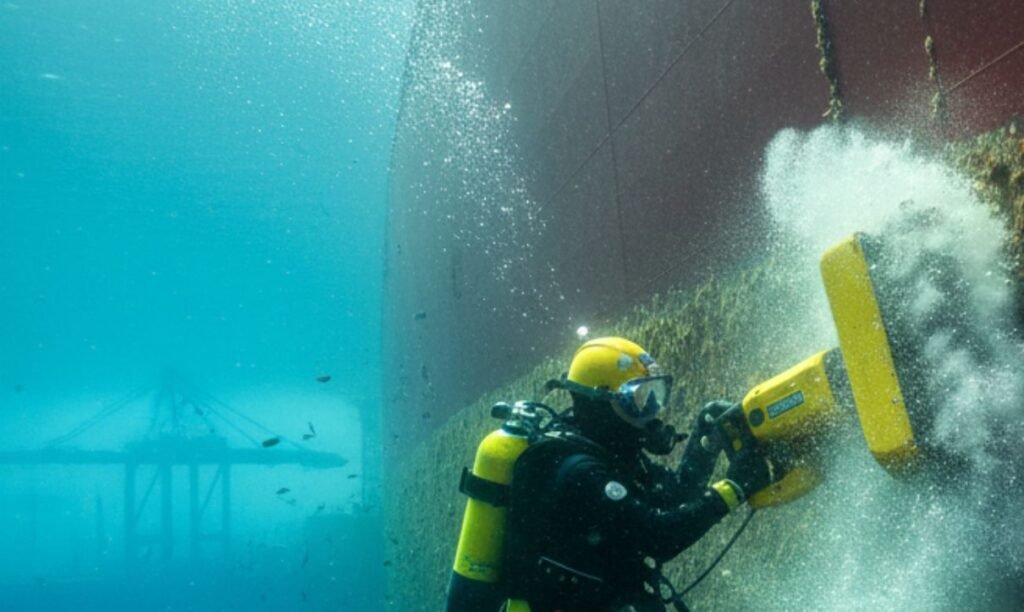
Imagine driving a car with mud caked on its tires—speed drops, effort increases, and fuel efficiency suffers. That’s exactly what happens when biofouling occurs. Barnacles, mussels, and seaweed attach themselves to the hull, increasing friction as the ship moves. Ship Hull Cleaning in Congo removes these unwanted organisms, restoring the hull’s smooth surface.
Beyond speed loss, fouling can also lead to corrosion and hull coating damage. Regular maintenance not only improves hydrodynamic performance but also reduces long-term repair costs and environmental risks associated with increased emissions. Also read about underwater ship hull cleaning in Moroni.
Techniques Used for Ship Hull Cleaning in Congo
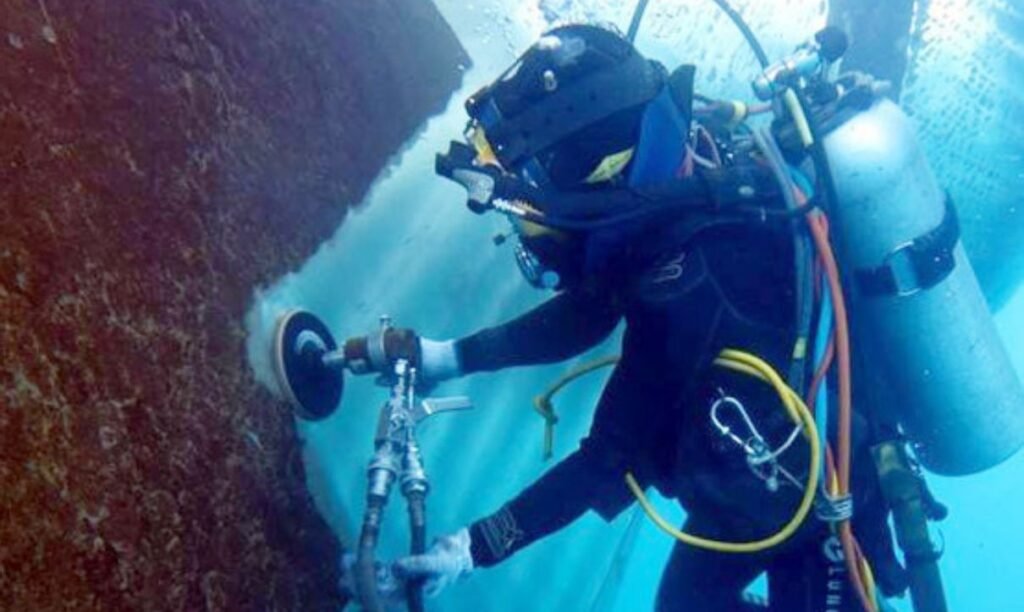
Professionals use several techniques for Ship Hull Cleaning in Congo depending on vessel type, size, and fouling severity. Divers often employ rotary brushes, hydraulic tools, or high-pressure water jets to remove growth without damaging protective coatings. In recent years, remotely operated vehicles (ROVs) have become popular, offering precision cleaning while keeping divers safe.
These robotic systems can operate in deeper waters, providing video inspection alongside cleaning. Each technique follows strict guidelines to ensure efficiency, safety, and environmental protection while minimizing downtime for vessel operators. Also, know about underwater ship hull cleaning in Mutsamudu.
Environmental Regulations and Compliance Standards
Ship Hull Cleaning in Congo follows international environmental frameworks to protect marine ecosystems. Regulations from the IMO, IMCA, and the MARPOL Convention guide the cleaning process, ensuring waste and debris are collected and disposed of responsibly. Containment systems and filtration units are used to prevent contaminants from entering local waters.
Compliance with these standards not only reduces ecological impact but also shields ship operators from penalties or detentions. Staying compliant reflects a company’s dedication to sustainability and responsible maritime operations, which are now key priorities worldwide. Read more about Underwater ship hull cleaning in Congo.
Key Benefits of Regular Ship Hull Cleaning in Congo
Regular Ship Hull Cleaning in Congo delivers measurable benefits across operational, financial, and environmental areas. Clean hulls reduce drag, boosting fuel efficiency by up to 30%. This translates into significant cost savings for ship owners over time. It also ensures faster voyage times, lowers carbon emissions, and minimizes wear on engine components.
Moreover, consistent cleaning extends hull coating lifespan and reduces corrosion, preventing expensive dry-dock repairs. For operators focused on performance and profitability, regular maintenance is not just routine—it’s a strategic advantage. Learn more about Underwater ship hull cleaning in Djibouti.
Safety Standards and Diver Protocols
Safety remains the backbone of underwater maintenance. Divers engaged in Ship Hull Cleaning in Congo follow strict IMCA safety procedures. Before every operation, risk assessments are conducted, equipment is inspected, and divers undergo safety briefings. Communication systems allow real-time coordination between divers and surface teams.
Emergency response plans are always in place. Using certified tools and maintaining adherence to safety regulations ensures the well-being of personnel and prevents environmental contamination, upholding the professionalism expected in global marine operations. Learn about Underwater ship hull cleaning in Egypt.
Choosing a Reliable Hull Cleaning Partner
Selecting the right service provider for Ship Hull Cleaning in Congo can make all the difference in quality and compliance. Reliable providers, such as CleanShip.co, are known for their experience, technology, and adherence to international regulations. They use eco-friendly cleaning systems, trained divers, and advanced inspection tools to deliver high-quality results.
A reputable provider offers full documentation and inspection reports after each cleaning, providing transparency and accountability. Partnering with experts ensures your vessel remains efficient, compliant, and ready for smooth voyages.
“Marine cleaning, anytime. Anywhere. 🌊 #GlobalMarine”#shipping #maritime #ship #cruises #sealife #port #shipping #marine #captain #vessel #ships #cargo pic.twitter.com/GgKTqEMETK
— Marine Super Cargo (@Marinsupercargo) October 4, 2025
Cost Efficiency and Long-Term Advantages
Ship Hull Cleaning in Congo may seem like an expense at first glance, but in reality, it’s an investment that yields substantial returns. A clean hull means less drag and lower fuel usage, leading to significant cost savings. Preventing fouling-related damage reduces dry-dock frequency and expensive maintenance.
Over time, the reduced fuel consumption offsets cleaning costs several times over. Furthermore, efficient ships emit fewer pollutants, contributing positively to environmental goals while maintaining competitive operational costs.
The Future of Ship Hull Cleaning in Congo
The maritime industry in Congo is embracing advanced technologies to enhance cleaning efficiency. Robotic systems, AI-based monitoring tools, and eco-friendly coatings are setting new standards for Ship Hull Cleaning in Congo. Predictive maintenance powered by data analytics allows operators to schedule cleaning precisely when needed, avoiding unnecessary downtime.
These innovations are transforming hull maintenance into a more sustainable, data-driven process that prioritizes performance, safety, and environmental care, marking the future of efficient maritime operations.
Marine Supercargo Expands Services: Drug & Alcohol Testing for Safer Seas
Marine Supercargo, globally recognized for its excellence in underwater maintenance and inspection, has expanded its service portfolio to include professional drug & alcohol testing. This addition strengthens safety and compliance standards across maritime operations.
These testing services help ship owners and managers maintain a healthy, alert workforce, reducing accidents and ensuring adherence to international safety regulations. By integrating this with cleaning operations, Marine Supercargo ensures ships are not only efficient but also safe and compliant, setting a higher benchmark for global maritime service providers.
CleanShip.co: Leading Sustainable Cleaning in Congo
CleanShip.co has established itself as a leader in sustainable Ship Hull Cleaning in Congo. The company employs skilled divers, robotic cleaning systems, and advanced debris containment technologies. Every operation complies with IMO and IMCA standards, ensuring zero discharge of pollutants.
Its commitment to innovation and transparency has made it a preferred partner for ship owners worldwide. Through its professional and eco-conscious approach, CleanShip.co continues to redefine hull maintenance practices in Africa’s maritime hubs.
Conclusion: Key Takeaways
Ship Hull Cleaning in Congo is essential for efficient, eco-friendly, and compliant maritime operations. Regular cleaning ensures better fuel performance, reduces emissions, and extends hull life. With the right partner like CleanShip.co, ship owners can maintain fleet health, comply with international standards, and optimize operational costs. The future of hull maintenance lies in advanced technology, proactive care, and sustainable practices that benefit both business and the environment.
FAQs:
Q1. Why is Ship Hull Cleaning in Congo necessary?
It removes marine growth that increases drag, reduces speed, and raises fuel costs, ensuring better vessel performance and efficiency.
Q2. How often should a ship hull be cleaned?
Depending on routes and fouling rates, cleaning is recommended every 4–6 months to maintain peak efficiency and coating health.
Q3. What environmental rules apply during hull cleaning?
All cleaning operations must comply with IMO, MARPOL, and IMCA standards to prevent contamination and protect marine ecosystems.
Q4. Why is Drug & Alcohol Testing vital for ships?
It ensures crew safety, regulatory compliance, and reduced risk of accidents caused by impaired personnel during voyages.
Q5. Why choose CleanShip.co for Ship Hull Cleaning in Congo?
CleanShip.co provides certified, eco-friendly services using advanced technology and ensures full compliance with international standards.