

If the sea chest is the “lungs” of a ship, then sea chest cleaning is the act of keeping those lungs clear so the vessel can breathe freely. Without it, ships risk suffocation from biofouling, increased fuel consumption, and even non-compliance with international regulations. For ship owners, operators, and managers, sea chest cleaning isn’t a choice—it’s a frontline defense against operational inefficiencies and environmental hazards.
In this article, we’ll dive deep into what sea chest cleaning involves, why biofouling is such a significant threat, how global regulations tie in, and the practical steps you can take to minimize both risks and costs.
What is a Sea Chest?
A sea chest is a recess built into a ship’s hull that functions as an intake reservoir. It draws in seawater to cool machinery, support firefighting systems, ballast operations, sanitation processes, and numerous critical onboard systems.
Because of its constant contact with seawater, the sea chest is vulnerable to marine growth. Think of it as a filter. When clogged, it disrupts water flow, jeopardizing your ship’s cooling systems and leading to costly operational downtime.
Why Sea Chest Cleaning Matters
Now, imagine if your ship’s air-conditioning unit never had its filter replaced. The system strains, power bills rise, and breakdown becomes inevitable. The same principle applies here.
Sea chest cleaning prevents:
- Reduced water flow from biofouling buildup
- Overheating of engines and equipment
- Emergency stoppages due to blockages
- Fuel inefficiency caused by drag
- Regulatory non-compliance under MARPOL and IMO directives
Effective cleaning makes the difference between top-quartile vessel performance and costly, non-compliant downtime.

Understanding Biofouling Risks
Biofouling is the accumulation of microorganisms, plants, algae, and small marine animals on submerged surfaces. In sea chests, fouling escalates rapidly due to sheltered, nutrient-rich conditions.
The risks include:
- Performance losses: Biofouling restricts seawater intake, impairing cooling systems.
- Fuel inefficiency: Even light fouling increases drag and boosts fuel consumption.
- Invasive species transfer: Biofouling organisms can hitchhike across oceans, violating IMO biofouling guidelines.
- Safety hazards: Limited firefighting seawater supply in emergencies.
Studies cited by the International Maritime Organization confirm that unchecked biofouling costs the global shipping industry billions in fuel annually and accelerates carbon emissions.
Sea Chest Cleaning Methods
Like every maintenance task, sea chest cleaning requires the right approach.
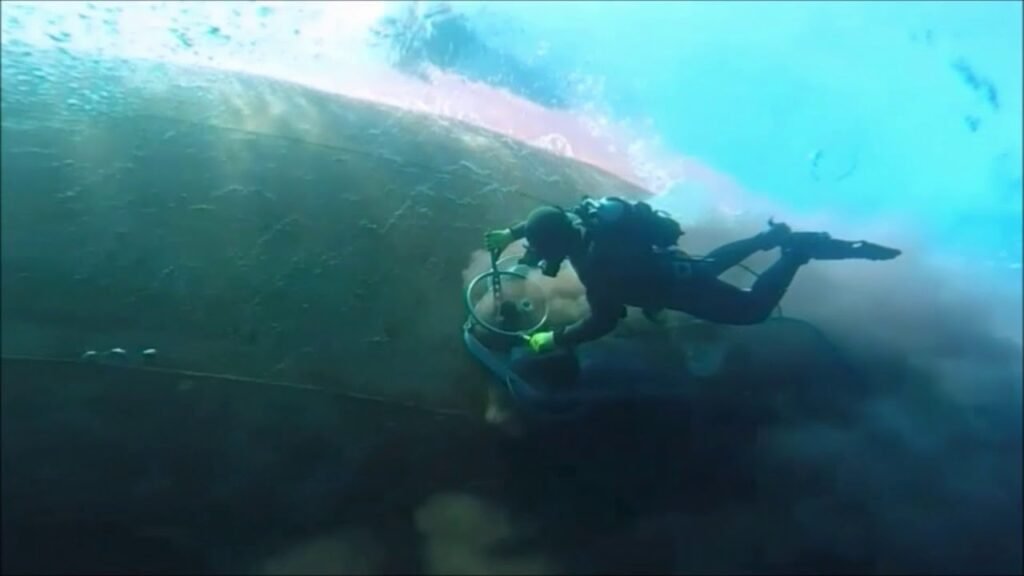
- Manual diving cleaning: Divers scrape and remove fouling inside the chest. Effective but labor-intensive.
- ROVs (Remotely Operated Vehicles): These robotic solutions ensure precision and safety during cleaning.
- In-water cleaning vs. dry-docking: Depending on foul conditions and regulatory requirements, cleaning may occur at berth, anchorage, or during scheduled dockings.
According to IMCA, standards are being strengthened to ensure divers operate safely during tasks like sea chest cleaning, which inherently involve confined spaces. Also read about 7 Powerful Benefits of Underwater Hull Cleaning in Boston.
Compliance and Environmental Responsibilities
Regulatory pressures are mounting. The IMO Biofouling Guidelines, MARPOL Convention, and port authority frameworks from IAPH mandate proactive measures to reduce fouling.
Sea chest cleaning supports:
- Environmental compliance: Prevents the introduction of invasive species.
- Energy efficiency mandates: Contribute to IMO’s carbon intensity targets.
- Port inspections: Minimizes the risk of detention from biofouling violations.
For operators, ignoring these can mean red flags during inspections, costly fines, and a tarnished operational reputation.
The Cost of Neglecting Sea Chest Cleaning
Neglecting sea chest cleaning isn’t just a technical lapse—it’s a financial leak:
- Extra 10–20% fuel burn due to drag from fouling
- Emergency repair costs from cooling water failures
- Fines or voyage delays for non-compliance with MARPOL biofouling rules
- Costs of invasive species management in foreign ports
Here’s an analogy: sailing with a fouled sea chest is like driving with a clogged radiator—you may not notice immediately, but the breakdown is inevitable, and expensive. Learn more about the Top 7 Benefits of Underwater Ship Hull Cleaning in Jersey.
Best Practices for Effective Maintenance
To embed sea chest cleaning into your Safety Management System (SMS), consider these proactive steps:
- Schedule regular inspections alongside hull surveys.
- Deploy advanced anti-fouling coatings within sea chest grates.
- Use in-water robotic cleaning for safe, eco-friendly maintenance.
- Keep biofouling management records updated for every port inspection.
By treating the sea chest as part of an overall hull biofouling control strategy, you turn maintenance from a reactive to a predictive function.
Innovations in Sea Chest Cleaning
Future-forward solutions are reshaping the way operators handle fouling:
- AI-driven ROVs: Automating inspections and cleanings.
- Non-toxic coatings: Studies indicate that silicone-based surfaces resist adhesion.
- Data integration: Linking hull performance data with maintenance scheduling.
Maritime innovators predict that by 2030, many vessels will adopt real-time condition-monitoring sensors inside sea chests to optimize cleaning schedules.
“Marine cleaning, anytime. Anywhere. 🌊 #GlobalMarine”#shipping #maritime #ship #cruises #sealife #port #shipping #marine #captain #vessel #ships #cargo pic.twitter.com/GgKTqEMETK
— Marine Super Cargo (@Marinsupercargo) October 4, 2025
Case Example: When Cleaning Was Ignored
A bulk carrier entering an Asia-Pacific port faced 48 hours of detention after inspectors found sea-chest fouling harboring invasive barnacles. The delay caused cargo penalties exceeding $200,000. The issue? The operator skipped scheduled sea chest cleaning during drydock, assuming antifouling coatings would suffice.
This case underscores how minor neglect spirals into major operational disruption. Read more about 7 Powerful Benefits of Underwater Hull Cleaning in Philadelphia.
Key Benefits of Regular Sea Chest Cleaning
- Ensures compliance with IMO and MARPOL.
- Prevents emergency downtime and machinery failure.
- Saves thousands in annual fuel costs.
- Protects marine ecosystems by halting invasive species transfer.
- Demonstrates commitment to ESG (Environmental, Social, Governance) goals.
Conclusion
Sea chest cleaning is more than just another maintenance chore—it’s the heartbeat of sustainable maritime operations. Ignoring it invites biofouling risks that damage efficiency, compliance, and profitability.
Three key takeaways:
- Biofouling inside the sea chest is a hidden but costly threat.
- Compliance with international guidelines makes proactive cleaning essential.
- Smart innovations will make sea chest cleaning safer and more efficient.
To avoid unnecessary penalties and ensure cleaner, safer operations, work with expert partners like CleanShip.co for sustainable sea chest strategies.
FAQs:
Q1. What is sea chest cleaning, and why does it matter?
Sea chest cleaning removes marine growth blocking seawater intakes. It prevents overheating, improves cooling efficiency, and protects vessel performance in biofouling-prone coastal regions.
Q2. How does biofouling in sea chests affect ship safety?
Biofouling restricts seawater flow, risking engine overheating, reduced maneuverability, and unexpected shutdowns—especially in warm, high-fouling regions where marine growth spreads rapidly.
Q3. How often should vessels perform sea chest cleaning?
Cleaning frequency depends on local waters, fouling intensity, and vessel usage. Ships in tropical or busy ports require more frequent inspections to avoid performance loss and costly downtime.
Q4. Can biofouling in sea chests increase fuel consumption?
Yes. Biofouling forces engines and cooling systems to work harder, increasing fuel burn. Regular sea chest cleaning enhances efficiency, lowers emissions, and reduces operational costs.
Q5. Is underwater sea chest cleaning environmentally safe?
Professional divers follow eco-friendly cleaning methods to control debris, prevent invasive species spread, and ensure compliance with local port and environmental regulations worldwide.