
Random Drug Testing in Corporations
In today’s fast-paced corporate world, businesses rely on human performance just as ships depend on smooth waters. But when substance misuse sneaks into the workplace, it can trigger a ripple effect of errors, stress, and lost productivity. Random Drug Testing in Corporations acts as a preventive compass, steering your workforce toward accountability and excellence.
This testing practice protects companies from legal risks, reduces accidents, and enhances employee morale. Whether implemented in factories, maritime offices, or corporate environments, consistent testing fosters transparency and organizational trust—vital qualities for success in an era defined by high-performance expectations and safety regulations.
Why Random Drug Testing in Corporations Is Crucial
Modern organizations are increasingly realizing that the cost of inaction outweighs the short-term discomfort of random checks. Random Drug Testing in Corporations helps ensure employees are physically and mentally fit for critical tasks. It’s especially vital in operations that require precision, coordination, and decision-making under pressure.
Substance influence, even in small amounts, leads to errors that jeopardize teams and company assets. Implementing random testing sends a clear message—safety and responsibility come first. By maintaining fair, unbiased testing programs, corporations can identify risks early without casting stigma or fear among employees.
Legal and Policy Compliance
Today’s regulatory environment demands strict workplace safety, especially when handling heavy equipment, high-value assets, or public safety operations. Random Drug Testing in Corporations ensures adherence to laws established by occupational safety authorities. International frameworks like the IMO and industry standards emphasize substance-free environments as a professional requirement.
Corporations that fail to implement testing risk fines, legal challenges, or reputational damage. A proper testing program builds a compliance record that satisfies both local and international expectations. It’s not merely about identifying violations—it’s a proactive method of reducing risks before they become lawsuits.
When and How Random Testing Is Conducted
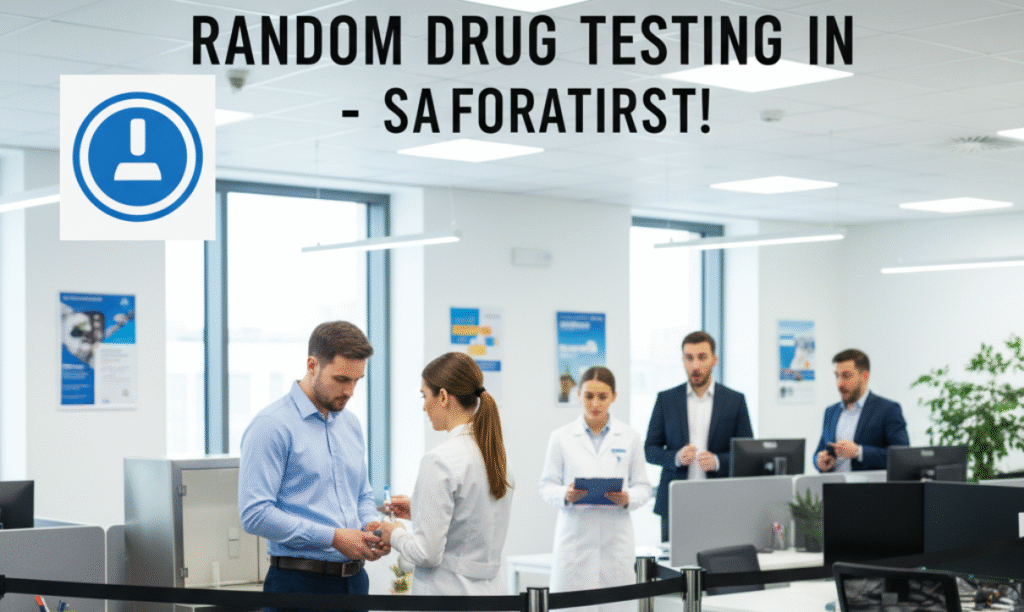
Unlike scheduled tests, Random Drug Testing in Corporations is unpredictable by design, ensuring fairness and deterring habitual offenders. Employees are selected using randomization software to eliminate bias. Testing procedures vary depending on the organization’s safety needs and policies.
Common methods include urine analysis, saliva tests, and breath checks for alcohol detection. Random testing can occur at any time during work hours, before critical tasks, or after accidents. The element of surprise strengthens accountability. It conveys that safety isn’t seasonal—it’s an everyday commitment shared across every level of the corporate hierarchy.
Methods and Testing Technologies
Advancements in technology have turned Random Drug Testing in Corporations into an efficient, science-backed system. Portable testing kits now detect multiple substances quickly and confidentially. Saliva and breath tests offer non-invasive options ideal for on-site implementation. Digital verification tools ensure traceability and prevent tampering.
Laboratory testing, often conducted after preliminary screenings, provides a detailed analysis of results. Innovative devices can now transmit results into cloud-based compliance software in real time. These methods uphold integrity, promote transparency, and ensure accurate reporting within minutes, reinforcing safety and fairness in every testing program. Also read about Offshore Crew Testing: 7 Best Practices for Safer Seas.
Benefits for Employers and Employees
The benefits of Random Drug Testing in Corporations extend far beyond compliance. For employers, it reduces absenteeism, lowers accident rates, and curbs medical compensations. Productivity increases as employees understand performance expectations clearly. For staff, it creates a safer, more supportive environment. When everyone is held accountable to the same standard, trust within the team grows.
Insurance companies often offer incentives to organizations to maintain consistent testing protocols. Long-term, it helps companies build reputations as responsible employers that value safety, ethics, and employee well-being above short-term convenience. Also, know about Crew Alcohol Testing: 7 Vital Insights for Safer Seas.
“Marine cleaning, anytime. Anywhere. 🌊 #GlobalMarine”#shipping #maritime #ship #cruises #sealife #port #shipping #marine #captain #vessel #ships #cargo pic.twitter.com/GgKTqEMETK
— Marine Super Cargo (@Marinsupercargo) October 4, 2025
Transparency, Ethics, and Fair Practice
Fairness makes or breaks any testing policy. Random Drug Testing in Corporations must operate transparently, treating all employees equally, regardless of rank or seniority. Clear communication before implementation prevents confusion and builds cooperation. Confidential handling of results is essential to maintain privacy and morale.
Employers should also provide counseling and rehabilitation support for those who test positive, emphasizing correction over punishment. These ethical practices evolve the testing culture from enforcement to empowerment, showing employees that their well-being is a shared corporate goal—not merely a compliance checkbox. Read more about 7 Powerful Reasons Corporate Drug Testing Works.
Marine Supercargo Expands Services: Drug & Alcohol Testing for Safer Seas
Marine Supercargo, a recognized leader in marine maintenance, has extended its service portfolio to include specialized Drug & Alcohol Testing for maritime and corporate clients. The program enhances operational safety by detecting substance misuse early and ensuring compliance with global frameworks like IMO and MARPOL.
Through advanced testing technology and certified professionals, Marine Supercargo supports ship owners and corporate managers in maintaining optimal productivity levels and compliant working conditions. The initiative reflects a growing industry commitment to holistic safety management that prioritizes both crew welfare and company efficiency.
Role in Corporate Safety Culture
Safety isn’t built in a day—it’s sustained through informed, consistent action. Random Drug Testing in Corporations helps reinforce an existing safety culture by making accountability an everyday expectation. Combined with regular safety drills, awareness campaigns, and wellbeing programs, testing builds habits of discipline and vigilance.
The integration of these measures tells employees that safety isn’t reactive—it’s proactive. By embedding these principles into daily workflow, corporations move from compliance-driven management to culture-driven excellence. Over time, safety evolves from obligation into pride and self-respect across all operational levels. Read more about 5 Crucial Reasons Drug & Alcohol Testing Matters.
Reducing Workplace Incidents and Costs
Workplace incidents can cost organizations millions in compensation, downtime, and legal fees. Random Drug Testing in Corporations is one of the most effective deterrents to such losses. Studies show that workplaces with active testing programs experience significantly fewer accidents. The financial benefits are clear: fewer disruptions, stable insurance premiums, and reduced turnover rates.
Beyond savings, companies earn the trust of stakeholders and clients who recognize their proactive stance on safety. Ultimately, investing in safety protects not just profits but lives—a return no business can ignore.
Training and Empowerment Initiatives
Random Drug Testing in Corporations works best when paired with education. Training sessions help employees understand policy goals, sampling methods, and implications of test results. Courses for supervisors teach how to identify behavioral signals and approach sensitive situations respectfully.
Regular training makes employees ambassadors of safety, transforming skepticism into cooperation. When handled transparently, these initiatives strengthen morale and foster mutual respect between management and the workforce. Empowerment becomes the outcome—a culture where every individual takes pride in being part of a safe and compliant organization. Also read about 7 Vital Reasons Alcohol Testing Saves Shipping Companies.
Future Innovations in Corporate Testing
The future of Random Drug Testing in Corporations is data-driven and tech-enhanced. Artificial intelligence and machine learning are now used to identify behavioral patterns linked to substance misuse risks. Advanced biometric sensors can detect fatigue or impairment even before testing. Cloud-based systems store and analyze aggregated results, providing insights for predictive safety planning.
Integration with wearables will soon make real-time monitoring possible for high-risk environments. By blending innovation with ethics, forward-thinking corporations can transform testing into a preventive wellness strategy rather than a reactive disciplinary measure.
Documentation and Compliance Audits
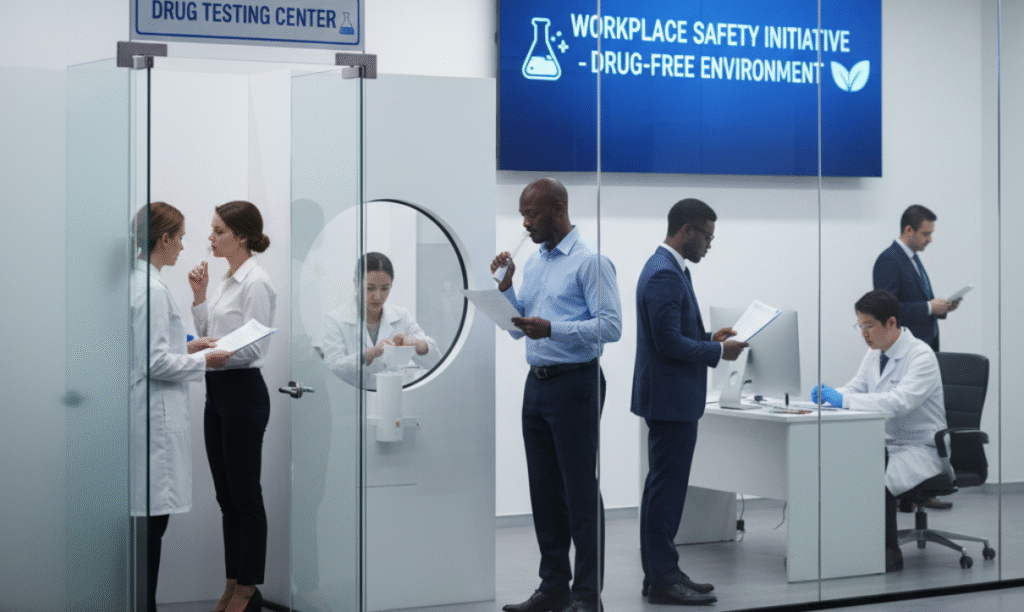
Proper documentation keeps corporate testing programs transparent and legally secure. Random Drug Testing in Corporations must include clear records of testing dates, methods, and results. Digital documentation ensures accuracy and simplifies compliance audits. Regular records also help during regulatory inspections and support insurance claims after incidents.
Many organizations now adopt compliance management software to track trends and maintain accountability. This meticulous recordkeeping turns testing from an operational necessity into a strategic compliance tool, protecting both organizations and employees with verifiable data.
Conclusion
Random Drug Testing in Corporations is a cornerstone of modern safety management. It reduces risks, builds trust, and reinforces ethical standards from the inside out. Beyond compliance, the practice transforms company values into consistent action. With evolving technology and a transparent testing culture, organizations can ensure dependable, motivated teams that deliver consistent excellence.
To maintain the highest level of compliance and safety, companies should partner with trusted industry experts like CleanShip.co for comprehensive solutions that strengthen both workforce integrity and operational reliability worldwide.
FAQs:
Q1. Why is random drug testing important in corporate workplaces?
It identifies impairment risks, prevents costly accidents, and strengthens safety standards, ensuring productivity across all levels of operation.
Q2. How is employee privacy protected during testing?
Corporations enforce confidential handling of results, restricted data access, and ethical testing protocols that respect individual dignity.
Q3. What benefits do companies gain from random testing?
Reduced absenteeism, fewer accidents, higher staff retention, and stronger compliance during external audits or client evaluations.
Q4. How does Marine Supercargo contribute to safety services?
The company combines advanced Drug & Alcohol Testing with maritime safety programs, helping organizations meet international compliance standards.
Q5. What trends are shaping the future of Random Drug Testing in Corporations?
AI-powered monitoring, biometric testing, and predictive analytics will soon refine accuracy, transparency, and proactive prevention strategies.