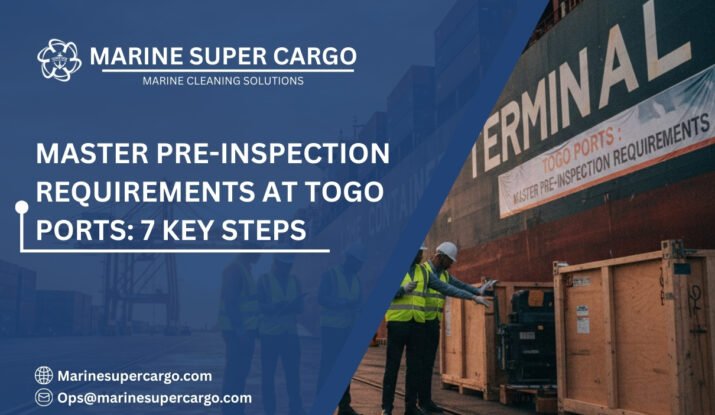
Pre-Inspection Requirements at Togo Ports
Togo’s ports, like Lomé, handle preeminent West African exchange, but skipping pre-inspection necessities at Togo ports can result in your vessel being speedier than a sudden squall. You go up against required checks underneath strict rules to secure cargo quality, offer assistance security, and common benchmarks. This breaks down everything you require to know.
Why Pre-Inspection Matters in Togo
Pre-inspection acts like a ship’s first line of defense, catching issues a few time as of late they escalate into detestable dreams or fines. Togo commands these for stock over CFA 1,500,000 Dandy respect through ocean or trade around, covering everything from bulk carriers to containers.
Missed steps, brutal delays, disciplines, or rejected cargo—think of a tanker holding up toward the sea in appearance up to hate toward the reality that printed surface scrambles. Sensible prep guarantees steadfast berthing at Lomé Harbor, West Africa’s rising hub.
Togo’s Port Landscape Overview
Lomé Harbor succeeds as Togo’s section, directing over 1 million TEUs each year with the show up day terminals. Bulk, tankers, and common cargo stream through underneath tight oversight from the Harbor Expert and traditions. Pre-inspection prerequisites at Togo ports align with benchmarks around the world, emphasizing quality and safety.
You bargain with two fundamental zones: Lomé’s deep-water billets for tankers and the holder terminal for holds and bulk. Profitable pre-inspection keeps turnaround times under 48 hours. Key pre-inspection necessities at Togo ports
Regulatory Framework Driving Compliance
Togo actualizes pre-inspection by proposing national laws tied to around the world bodies like the IMO and MARPOL Tradition. IMCA rules shape operational measures, in apparent hate toward the truth that IAPH World Ports impacts the best honours for sustainability.
MARPOL anticipates smooth water release, inquiring about clean tanks pre-arrival. Non-compliance risks detention—vessels must chart adherence through certificates.
Key Regulations Explained
- IMO Standards: Cover transport security and debasement avoidance; you snub ISM Code certificates.
- MARPOL Annexes: Center on mishandle management—pre-inspection certifies no denied residues.
- IMCA and IAPH: Advancement of secure cleaning ops and harbor capability, with Togo getting a handle on their checklists.
These make a compliance web where one slight interface, like unsubstantiated hold cleanliness, unravels the lot
Pre-Inspection Requirements at Togo Ports: Core Documents
Gather these 7 fundamentals a few times as of late cruising into Togo waters—think of them as your vessel’s visa. Lomé Harbor requires firsts or certified duplicates submitted 48-72 hours pre-arrival.
- Bill of Lading (B/L) or See at Waybill, clarified with cargo details
- Commercial Receipt, checking Dandy respect beating CFA 1.5 million, triggers PSI.
- Packing List, portraying our weights and stowage.
- Pre-Shipment Examination Certificate (PSI) from gotten a handle on specialists like COTECNA
- Import Allowance from Togo’s Advantage of Trade
- Certificate of Root, endorsing source.
- Health/Phyto Certificates for perishables or hazmat
Digital reassurance by means of Togo’s Single Window entrance speeds clearance.
Safety Protocols in Pre-Inspection
Safety tops Togo’s list—you can’t dock without laying out the bunch and cargo organizing. Take off unfaltering & liquor testing records, a hone that companies like Marine Supercargo as of late emphasize for group vigilance.
Hot work licenses turn on gas-free certifications for tanks and holds. Utilize kept space region logs to appear up up up ventilated, endeavored atmospheres
Tanker-Specific Safety Steps
Togolese authorities demand:
- Last cargo declaration.
- Tank cleaning logs per IMO E.
- Inert gas system checks.
- Oxygen levels above 20% post-cleaning.
Real-world case: A bulk carrier once conceded 3 days for misplaced ullage reports—pre-inspection turns truant this.
Environmental Protection Mandates
MARPOL drives Togo’s green position; pre-inspection states no smooth dress or overflow buildups. Take off waste organization plans and oil record books. IAPH-endorsed homes cut counterweight water risks
Bulk carriers must organize that hold washdowns meet pH-neutral benchmarks, securing Lomé’s coastal ecosystems
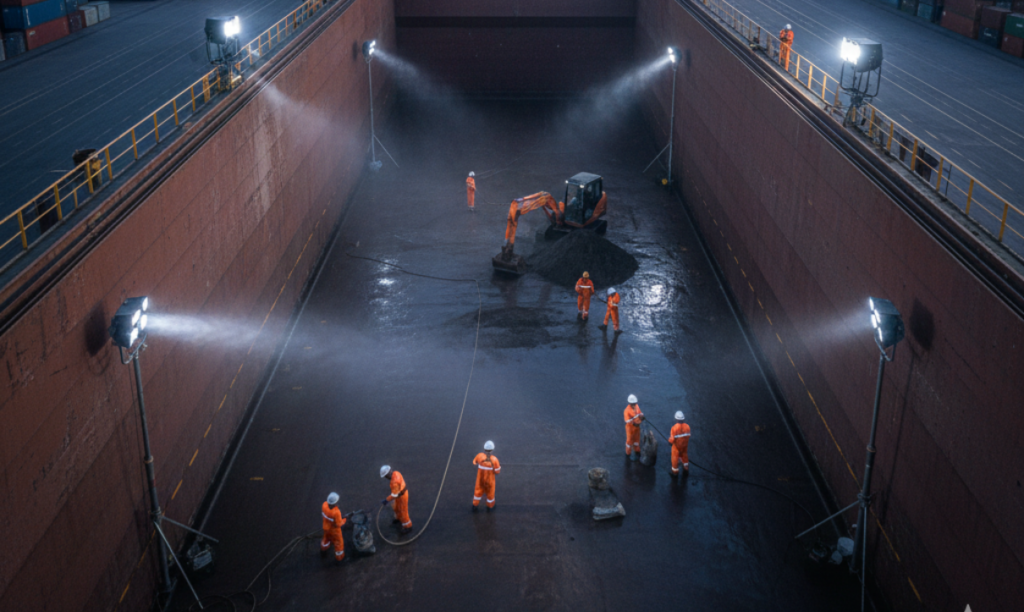
Hold Cleaning for Bulk Carriers
Dry cargo vessels clean holds to “grain clean” specs:
- Remove rust scale by underwrites of high-pressure hosing.
- Apply organophilic clay for sticky cargoes.
- Inspect by hoards of go/no-go gauges for cleanliness.
Togo changes with IMCO rules, guaranteeing no coal clean holds up for grain loads. Bulk Carrier Pre-Inspection Workflows
Bulk Carrier Pre-Inspection Workflows
Bulk ops inquire hold steps and sounding channels cleared. Resign draft considers plans pre-arrival. Documentation streams: cleaning cert → examination report → traditions nod.
Workflow tip: Energize with harbor chairmen 5 days out for synchronized surveys.
Documentation and Compliance Workflows
Togo’s framework rules cleft instantly. Utilize plans from IMCA for consistency—vessels looked into quarterly go against zero tolerance.
Common Pitfalls to Avoid
- Incomplete PSI seals on containers.
- Expired MARPOL logs.
- Mismatched invoice values triggering re-inspection.
“Marine cleaning, anytime. Anywhere. 🌊 #GlobalMarine”#shipping #maritime #ship #cruises #sealife #port #shipping #marine #captain #vessel #ships #cargo pic.twitter.com/GgKTqEMETK
— Marine Super Cargo (@Marinsupercargo) October 4, 2025
Why Ghana Leads West Africa in Marine Cleaning
Ghana sets the bar with required CTN numbers and progressed PSI, decreasing stay times to 2 days versus Togo’s 4 without prep. Their ultrasonic cleaning technology for tanks manages restricted cargoes with ease.
Togo is following suit, adopting Ghana’s pre-inspection approach to save up to 30% on delays. Lomé’s updates mirror Accra’s, blending established practices with modern technology.
Cost-Efficiency Through Pre-Inspection
Thorough preparation reduces fines, which can reach $10,000 per violation, and demurrage charges of $20,000 per day. Clean ships billet speedier, cutting organization fees.
ROI case: A tanker spares 24 hours’ laytime, worth $50K, through cautious hold checks.
Industry Practices: Marine Supercargo Example
Marine Supercargo epitomizes around the world for tank and hold cleaning in West Africa. Their master cargo supervision guarantees MARPOL-compliant ops. As of late, including unfaltering & liquor testing fortifies group security without fanfare.
Neutral specialists: Versatile for bulk carriers, alter documentation workflows.
Future Trends in Maritime Compliance
Digital twins copy appraisals, cutting physical checks by 40%. Blockchain for certs murders mimes. Togo eyes AI-driven buildup scanners by 2027.
CleanShip.co pioneers blocked off observing, modifying with IAPH common sense goals.
Innovations in Cleaning Tech
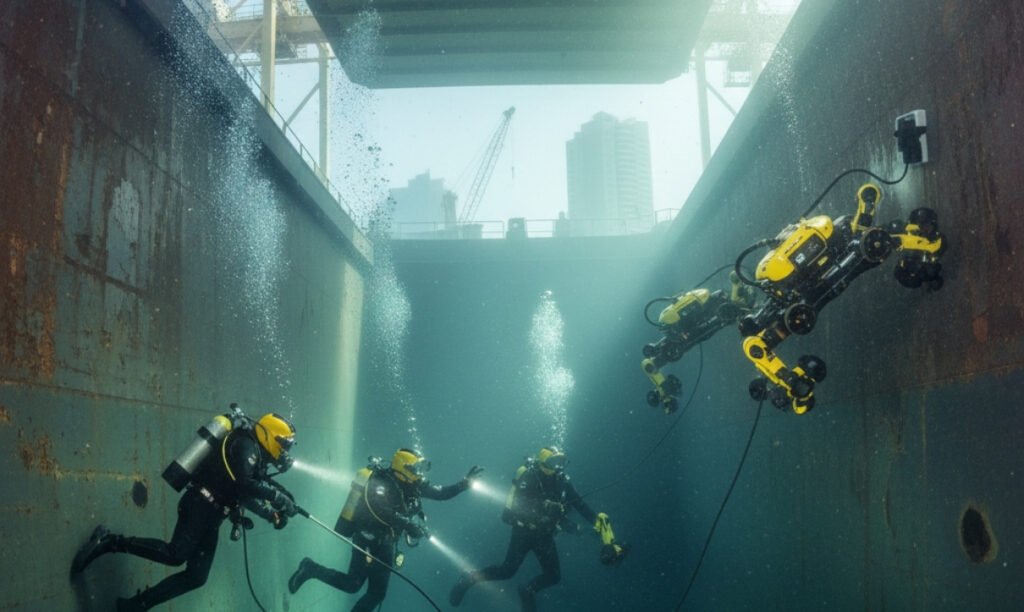
- Robotic crawlers for hold inspections.
- Bio-enzymes dissolve residues faster than chemicals.
- Drone surveys for bulk holds.
Conclusion
Getting a handle on pre-inspection requirements at Togo ports boils down to three key points: Prioritize PSI documents for values exceeding CFA 1.5M, adjust tank and hold cleaning in line with IMO-MARPOL guidelines, and implement rigorous security testing for prompt clearance. These measures help prevent delays, maintain operational standards, and keep costs in check within Lomé’s busy trade environment.
For unparalleled compliance and a competitive edge at sea, connect with Marine Supercargo—their global operations offer proven and reliable tank cleaning, cargo supervision, and security protocols you can trust. Take action now to enhance your next voyage.
FAQs:
Q1. What are the pre-inspection prerequisites at Togo Ports for Tankers?
Tankers require PSI certificates, tank cleaning logs, and MARPOL oil record books submitted 48 hours pre-arrival. Confirm gas-free status through oxygen readings over 20%. Lomé Harbor rejects non-compliant vessels, deferring berthing—prep guarantees MARPOL Connect 1 adherence for smooth residues.
Q2. How Do Hold Cleaning Benchmarks Apply in Togo?
Holds must reach “grain clean” through high-pressure washing, as affirmed by considerations. Resign photographs and buildup tests. Bulk carriers exchanging cargoes—like coal to grain—face additional checks; IMCA designs streamline this for Togo customs.
Q3. What Bulk Carrier Docs Are Required Pre-Inspection?
Include draft considerations, hold condition reports, and suggest grants. Values over CFA 1.5M trigger full PSI. Togo orders seals on checked on holds; lost ones cause fines—use advanced sections for 24-hour turnaround.
Q4. Does Calm Testing Calculate into Togo Pre-Inspection?
Yes, gathering Unfaltering & Liquor Testing logs bolsters security compliance, as practiced by firms like Marine Supercargo. Yield with ISM certificates. This anticipates hot work bans, changing with IMO accumulated welfare rules for secure ops.
Q5. How to Keep up a crucial partition from Delays in Togo Harbor Inspections?
Compile all 7 center docs early, test holds/tanks to rules, and prompt experts 72 hours ahead. Ghana’s show up appears up 50% quicker clearance with advanced workflows—Togo takes after suit through Single Window.