
Hull Cleaning in Congo: The Complete Guide for Ship Owners
When it comes to maintaining your vessel’s performance, few things are as vital as hull cleaning in Congo. The nation’s strategic maritime position on Africa’s west coast makes it a hub for commercial shipping, fishing, and offshore operations. Over time, marine growth such as algae, barnacles, and mollusks can attach to ship hulls, reducing efficiency and increasing fuel costs.
That’s why understanding and implementing effective hull cleaning in Congo is essential. This guide explores the benefits, processes, environmental aspects, and how modern innovations are changing the way vessels operate across Congolese waters.
Why Hull Cleaning in Congo Matters for Every Vessel
Every ship that enters Congo’s ports faces challenges related to biofouling, a natural process where marine organisms accumulate on underwater surfaces. Biofouling increases drag, slows down the vessel, and forces engines to work harder, consuming more fuel. In the long term, it raises operating expenses and carbon emissions.
Hull cleaning in Congo ensures that vessels maintain peak performance while complying with environmental regulations such as those established by the International Maritime Organization (IMO) and MARPOL Convention. Regular cleaning also prevents corrosion and extends the lifespan of the hull, helping shipowners protect their investment and reputation.
How Hull Cleaning in Congo Reduces Fuel Costs
Fuel efficiency is one of the main reasons ship operators invest in hull cleaning in Congo. When fouling organisms build up on a hull, they increase friction and resistance during movement. This can lead to up to 30% higher fuel consumption, according to marine studies. By maintaining a clean hull, ships glide more smoothly through water, significantly reducing drag.
For shipping companies managing large fleets, this translates into massive cost savings over time. Clean hulls also mean fewer emissions, aligning with IMO decarbonization goals and supporting cleaner operations across Congo’s maritime routes.
Hull Cleaning Methods Used in Congo’s Ports
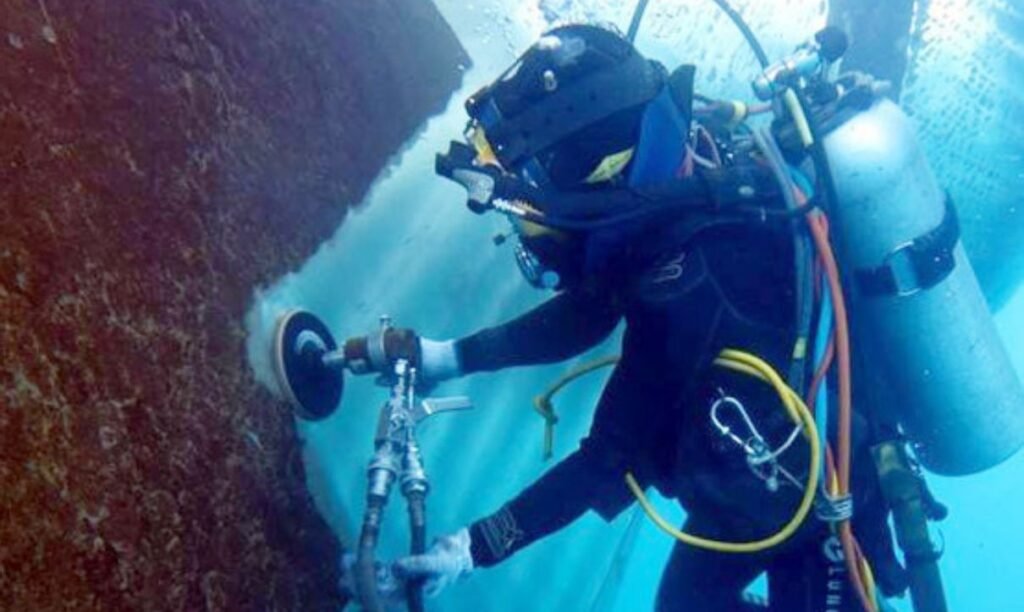
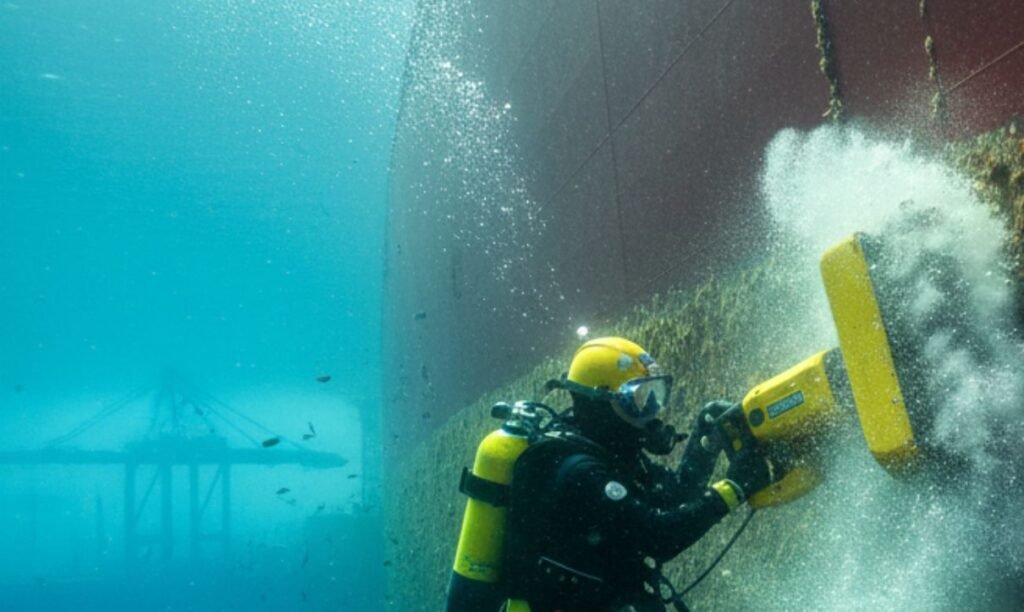
Hull cleaning in Congo typically involves two major approaches: underwater cleaning and dry-dock cleaning. Underwater cleaning is conducted by divers using specialized brushes or remotely operated vehicles (ROVs). This method allows ships to remain operational while cleaning is performed. Dry-dock cleaning, on the other hand, requires lifting the vessel out of the water for more extensive maintenance.
Each technique has its own benefits depending on vessel size, type, and fouling severity. Companies like CleanShip.co are adopting advanced eco-friendly methods that minimize hull damage and prevent debris from entering marine ecosystems, ensuring both efficiency and sustainability.
Environmental Impact of Hull Cleaning in Congo
Congo’s coastal environment is home to delicate marine ecosystems. Improper hull cleaning can release harmful residues, paints, and organisms that disrupt this balance. That’s why professional hull cleaning in Congo follows strict environmental guidelines under MARPOL and the International Marine Contractors Association (IMCA). Many service providers use capture-and-recycle systems to collect fouling waste before disposal, reducing contamination risks.
By choosing certified companies, shipowners help preserve biodiversity while maintaining compliance with international standards. Environmental responsibility isn’t just a legal duty—it’s a key part of sustainable maritime management for the future.
“Marine cleaning, anytime. Anywhere. 🌊 #GlobalMarine”#shipping #maritime #ship #cruises #sealife #port #shipping #marine #captain #vessel #ships #cargo pic.twitter.com/GgKTqEMETK
— Marine Super Cargo (@Marinsupercargo) October 4, 2025
Regulatory Compliance and Safety Standards
Compliance is a major factor driving hull cleaning in Congo. Authorities require vessels to maintain clean hulls to prevent the spread of invasive species and reduce pollution. The IMO and IMCA have set global standards to ensure underwater cleaning practices meet safety and environmental benchmarks. Regular inspections are also mandatory to confirm that cleaning operations follow these protocols.
Shipowners who neglect proper maintenance may face penalties or operational delays. Partnering with certified providers ensures you meet regulatory expectations while protecting your crew, vessel, and the environment from potential hazards and liabilities.
The Role of Technology in Modern Hull Cleaning
Technological advancements are transforming hull cleaning in Congo. Instead of relying solely on divers, modern service providers now use underwater robots equipped with cameras, sensors, and cleaning brushes. These ROVs can reach difficult spots with precision, reducing risks for human divers. Digital monitoring tools also allow shipowners to track hull conditions in real time.
Artificial intelligence and predictive maintenance are increasingly being integrated into inspection systems to forecast when cleaning is needed. This reduces unnecessary downtime, optimizes costs, and ensures that ships remain compliant with IMO and IAPH guidelines for sustainable port operations.
Choosing the Right Hull Cleaning Partner in Congo
Selecting the right partner for hull cleaning in Congo is about balancing quality, cost, and compliance. A reliable company should offer eco-friendly cleaning systems, certified divers, and real-time performance reporting. Check if they adhere to international standards like IMCA and MARPOL.
CleanShip.co is one of the globally recognized platforms offering professional underwater hull cleaning solutions with a focus on safety and sustainability. Always verify the company’s track record, client feedback, and ability to handle different vessel types before finalizing a contract. The right partner ensures your fleet runs smoothly, safely, and efficiently.
Marine Supercargo Expands Services: Drug & Alcohol Testing for Safer Seas
Marine Supercargo, a well-known name in the marine maintenance sector, has recently broadened its portfolio beyond hull cleaning services. The company now offers professional Drug and Alcohol Testing services designed for shipowners, managers, and operators. This new service ensures compliance with international maritime safety regulations, supporting a safer working environment for crew members.
By integrating testing procedures alongside routine maintenance, Marine Supercargo promotes both vessel efficiency and crew well-being. These initiatives align with IMO and IMCA guidelines, helping shipping companies reduce risks, prevent accidents, and maintain full operational integrity across global waters.
Future Trends in Hull Cleaning in Congo
The future of hull cleaning in Congo is shifting toward automation, sustainability, and predictive analytics. Eco-friendly anti-fouling coatings are reducing the frequency of cleanings, while robotic cleaning devices are minimizing human involvement in hazardous underwater tasks. Machine learning is being used to analyze hull data and determine optimal cleaning intervals.
Congo’s maritime industry is also embracing green technologies in line with international environmental goals. As the sector evolves, shipowners can expect more efficient, safer, and cost-effective cleaning methods that not only protect their assets but also preserve the environment.
Key Benefits of Regular Hull Cleaning in Congo
Regular hull cleaning in Congo offers multiple benefits that go far beyond aesthetics. It enhances vessel speed, improves fuel efficiency, reduces maintenance costs, and extends hull life. It also helps maintain compliance with MARPOL and IMO regulations by preventing the transfer of invasive species between ports. Clean hulls mean fewer engine strains and better voyage reliability.
Over time, this routine practice contributes to lower emissions and improved profitability. In short, hull cleaning is not just a maintenance task—it’s an investment in your vessel’s long-term health and environmental responsibility.
Conclusion: 3 Key Takeaways and Action Steps
Hull cleaning in Congo is more than a maintenance process—it’s a crucial investment in performance, safety, and sustainability. First, regular cleaning saves significant fuel costs and boosts efficiency. Second, it ensures full compliance with global maritime regulations. Third, it preserves marine ecosystems and promotes safer seas.
By choosing a trusted partner like CleanShip.co, shipowners can maintain operational excellence while supporting eco-friendly initiatives. The future belongs to vessels that operate cleaner, faster, and smarter. Start planning your next hull cleaning schedule today to keep your fleet ahead of the curve.
FAQs:
Q1. Why is hull cleaning in Congo important for ships?
It prevents biofouling, improves vessel speed, and reduces fuel consumption. Clean hulls also ensure compliance with IMO and MARPOL environmental standards.
Q2. How often should a ship undergo hull cleaning?
Frequency depends on usage and route, but most vessels benefit from cleaning every six months to maintain efficiency and regulatory compliance.
Q3. What is underwater hull cleaning?
Underwater hull cleaning involves removing marine growth from the ship’s bottom without dry-docking, allowing continued operation and reduced downtime.
Q4. Why is drug and alcohol testing important for crew safety?
It ensures crew members are fit for duty, reduces accident risks, and helps ship operators comply with international maritime safety regulations.
Q5. How does CleanShip co support sustainable hull cleaning in Congo?
CleanShip.co uses eco-friendly methods, certified professionals, and waste capture systems to ensure safe, compliant, and sustainable hull cleaning practices.