How GC-MS Confirmatory Testing Works
In modern safety and compliance, accuracy is everything. When it comes to detecting substances or verifying results, few methods match the precision of GC-MS. How GC-MS Confirmatory Testing Works is a fascinating process that combines science and reliability, offering unmatched accuracy in drug detection. GC-MS stands for Gas Chromatography-Mass Spectrometry, a technique capable of separating and identifying chemical components within samples.
Think of it as a digital fingerprint system for substances—it can recognize the most minute trace elements. For ship operators, safety officers, and regulators, understanding this process ensures better decision-making, especially where reliability and compliance with maritime standards are non-negotiable.
The Basics of GC-MS Testing
To understand how GC-MS Confirmatory Testing Works, you first need to know what happens at its core. GC-MS combines two scientific methods: gas chromatography (GC) and mass spectrometry (MS). In simple terms, GC separates the compounds in a sample, while MS identifies and measures them. This combination delivers precision far beyond rapid screening tests.
It’s widely used for confirming initial drug test results, verifying alcohol levels, or identifying unknown substances. In maritime industries where accuracy can impact licenses, safety, and crew operations, GC-MS testing provides the final word—clear, validated, and impossible to manipulate.
Why Confirmatory Testing Matters
Confirmatory testing through GC-MS plays a crucial role in maintaining fairness and accuracy. How GC-MS Confirmatory Testing Works ensures that results are scientifically validated and not based on assumptions or false positives. For example, if a preliminary test suggests drug use, GC-MS verifies whether that’s true. This step eliminates potential errors caused by cross-reactive substances like prescription medications.
In maritime safety, where careers and compliance certifications are at stake, confirmatory results uphold transparency. This process not only protects individuals but also builds trust between ship management, regulatory bodies, and crews—strengthening compliance from both an ethical and legal perspective.

Step-by-Step Process Explained
Understanding how GC-MS Confirmatory Testing Works means following each phase closely. First, the lab receives a sealed and documented sample—usually from saliva, urine, or blood. The sample undergoes initial preparation, where impurities are filtered out. During the GC stage, the sample is vaporized and passed through a column that separates compounds based on molecular properties.
These compounds then enter the MS unit, where they are ionized and converted into spectra. The system compares these spectra against known libraries, producing a precise match. By the end, even trace-level contaminants are identified, providing definitive proof of the sample’s chemical composition. Also read about Offshore Crew Testing: 7 Best Practices for Safer Seas.
Applications in Maritime Drug & Alcohol Testing
Within maritime operations, How GC-MS Confirmatory Testing Works plays a crucial safety and compliance role. Ship operators use GC-MS for post-incident analysis, pre-employment screening, and routine compliance audits. For crews working under demanding conditions, the stakes are high. Any relaxation in testing integrity can lead to accidents, regulatory fines, or vessel detentions.
The International Maritime Organization (IMO) mandates strict crew fitness standards, while institutions like IMCA reinforce transparent verification practices. Using GC-MS ensures that shipowners maintain a zero-tolerance policy backed by scientifically validated data—empowering marine operators to protect crew welfare and maintain operational continuity.
“Marine cleaning, anytime. Anywhere. 🌊 #GlobalMarine”#shipping #maritime #ship #cruises #sealife #port #shipping #marine #captain #vessel #ships #cargo pic.twitter.com/GgKTqEMETK
— Marine Super Cargo (@Marinsupercargo) October 4, 2025
Accuracy That Sets a Global Standard
How GC-MS Confirmatory Testing Works with unmatched precision sets it apart from rapid screenings. The technique’s ability to detect even nanogram quantities of substances means false positives are virtually eliminated. The mass spectrometer produces unique molecular signatures—like a barcode for each compound—ensuring no misidentification.
Laboratories across the world standardize these methods under international accreditation systems, ensuring results are legally valid in audits or disputes. For maritime safety officers and compliance departments, such reliability prevents costly misunderstandings and reinforces global legal trust. When compliance meets science, integrity becomes measurable and dependable throughout the fleet’s operations. Also, know about Crew Alcohol Testing: 7 Vital Insights for Safer Seas.
Cost and Operational Efficiency
While GC-MS technology sounds high-end, understanding how GC-MS Confirmatory Testing Works reveals it’s also cost-effective in the long term. False positives from simple screening tests can delay ship schedules, incur re-testing costs, or trigger legal investigations. GC-MS confirmatory testing minimizes those risks by providing unquestionable accuracy the first time.
The ability to resolve disputes quickly saves both time and resources. For shipping companies navigating international waters, this translates into uninterrupted operations. The investment in GC-MS technology pays dividends in legal reliability, compliance confidence, and reputation—three pillars no shipowner can afford to compromise. Also read about 7 Vital Reasons Alcohol Testing Saves Shipping Companies.
Marine Supercargo Expands Services: Drug & Alcohol Testing for Safer Seas
Marine Supercargo, known for its excellence in global cleaning and maintenance solutions, has broadened its horizons by offering professional Drug & Alcohol Testing services. Utilizing methods like GC-MS confirmatory testing, the company now helps ship operators achieve uncompromised safety compliance. The introduction of these services ensures early risk detection and reduces operational downtime while preserving crew integrity.
This initiative aligns with international maritime regulations and promotes safer, more transparent vessel operations. Marine Supercargo’s expansion represents a forward step toward integrated safety management—building a global community of responsible shipowners dedicated to compliance, reliability, and pollution-free seas. Read more about 7 Powerful Reasons Corporate Drug Testing Works.
Compliance with International Maritime Law
Compliance is not optional—it’s the backbone of safe shipping. Understanding how GC-MS Confirmatory Testing Works ensures consistency with global safety standards like those outlined by the MARPOL Convention. Regulatory bodies mandate precise testing and verification processes to maintain crew welfare and environmental protection.
GC-MS confirmatory tests serve as trusted documentation during audits by authorities such as IMO or local port administrations. The results become part of the ship’s compliance record, reinforcing trust with insurers and regulatory agencies. When procedures align with maritime law, risk decreases, reliability grows, and industry reputation strengthens significantly.
Future Trends and Innovation
The future of safety verification lies in data integration and automation. How GC-MS Confirmatory Testing Works today is a foundation for smart compliance systems tomorrow. Integrated laboratory management software can instantly log GC-MS results into digital compliance databases, reducing paperwork and human error.
Future innovations might include on-board analysis modules that transmit results directly to safety management systems through secure cloud networks. This evolution will transform maritime safety from reactive to predictive—identifying potential substance issues before they affect performance. As technology advances, GC-MS remains a cornerstone for fair, reliable, and transparent global compliance practices. Read more about 5 Crucial Reasons Drug & Alcohol Testing Matters.
Environmental and Ethical Responsibility
One overlooked aspect of how GC-MS Confirmatory Testing Works is its contribution to environmental and ethical awareness. Unlike disposable test kits, GC-MS testing minimizes the use of single-use plastics and reduces biohazard waste. Its data-driven process also ensures no individual faces false accusations, maintaining integrity and welfare across crews.
When complemented with sustainability programs guided by organizations like CleanShip.co or IAPH, confirmatory testing becomes part of an ethical ecosystem. By merging accuracy with responsibility, maritime organizations demonstrate leadership—not only in operational safety but also in environmental stewardship and corporate accountability on a global scale.
Conclusion: Trust in Every Result
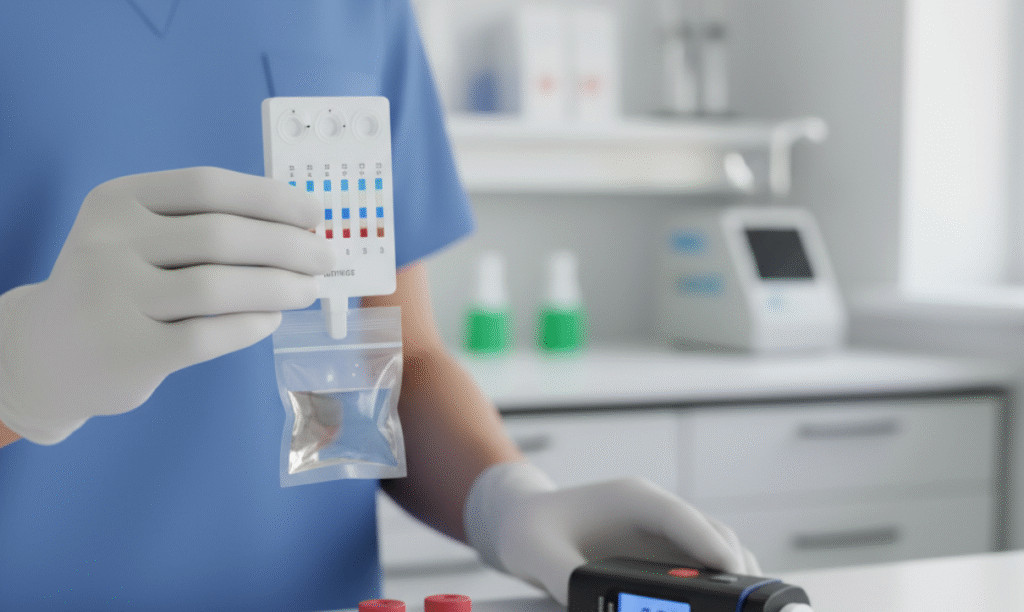
Understanding how GC-MS Confirmatory Testing Works is essential for any organization that values safety, trust, and compliance. It guarantees accurate results, supports environmental goals, and validates crew fitness with scientific precision. Key takeaways: first, GC-MS ensures the highest verification standard; second, it eliminates false positives; and third, it builds compliance confidence across maritime operations.
As we move toward more transparent testing cultures, now is the time to adopt reliable confirmatory solutions. Explore science-backed safety strategies and compliance empowerment through CleanShip.co—because when it comes to crew welfare, only verified truth should navigate our seas.
FAQs:
Q1. What makes GC-MS testing more reliable than screening tests?
How GC-MS Confirmatory Testing Works ensures unmatched precision through scientific identification of each compound, eliminating human or chemical errors in screening.
Q2. How long does GC-MS confirmatory testing take?
Typically, results are available within 24–48 hours, ensuring rapid and reliable confirmation without operational delays for maritime employers.
Q3. Can GC-MS accurately detect all drug classes?
Yes, it identifies multiple drug classes with nanogram-level precision, ensuring compliance and safety for a wide range of applications.
Q4. Why is confirmatory testing mandatory for marine operations?
International maritime laws require verified results for audits, ensuring crew fitness, operational safety, and environmental accountability.
Q5. How does GC-MS align with sustainable testing practices?
How GC-MS Confirmatory Testing Works minimizes waste, supports eco-friendly testing protocols, and promotes cleaner, environmentally responsible vessel operations.