

Hold Cleaning Needs for Bulk Ship at Takoradi
When your bulk carrier docks at Takoradi Harbor in Ghana, hold cleaning becomes an essential step to prepare for the next cargo stack. This arrangement guarantees no buildup from past shipments sullies progressed stock, avoiding over-the-beat delays or ejections. You face unprecedented challenges here, from dusty minerals to sticky grains, but gathering these materials keeps your vessel clean and compliant, allowing it to sail smoothly.
Takoradi, as Ghana’s head deep-water harbor, handles huge bulk shipments like bauxite, cocoa, and timber. Fitting hold course of activity secures your operations, as a clean canvas sets up a painter for triumph. Let’s break down why these things happen and how to handle them effectively
Why Ghana Leads West Africa in Hold Cleaning Needs for Bulk Ship at Takoradi
Ghana stands out in West Africa for marine cleaning due to Takoradi Port’s key location and strong framework. The harbor handles over 20 million tons of cargo annually, setting tall benchmarks that have raised adjoining capacity. Ports like Takoradi change with around-the-world benchmarks, making Ghana a center for able, eco-friendly cleaning.
This pro stems from hypotheses in orchestrated bunches and show day adjust, reducing turnaround times. You benefit from fewer off-hire days, as Ghana’s executives handle complex residues—like bauxite dust—that torment neighboring ports. Real-world diagram: A bulk carrier exchanging from press metal to grain hold cleaning needs for bulk ship at Takoradi completes cleaning in under 48 hours, outpacing territorial averages.
Regulatory Compliance Essentials
Compliance begins with around the world bodies like the IMO, which sets measures for secure hold cleaning to anticipate contamination. IMCA rules guarantee safe security in the middle of high-pressure washes, whereas the MARPOL Convention orders zero-discharge of wash water into the ocean. IAPH World Ports fortifies these for useful harbor ops.
Hold cleaning needs for bulk ship at Takoradi, you must report each step—sweeping, washing, rinsing—to pass port state control assessments. Non-compliance faces fines up to $50,000 or vessel detention. Think of headings as your ship’s guardrails: They keep operations smooth and secure the sea from cargo runoff.
Safety in Hold Cleaning Needs for Bulk Ship at Takoradi Operations
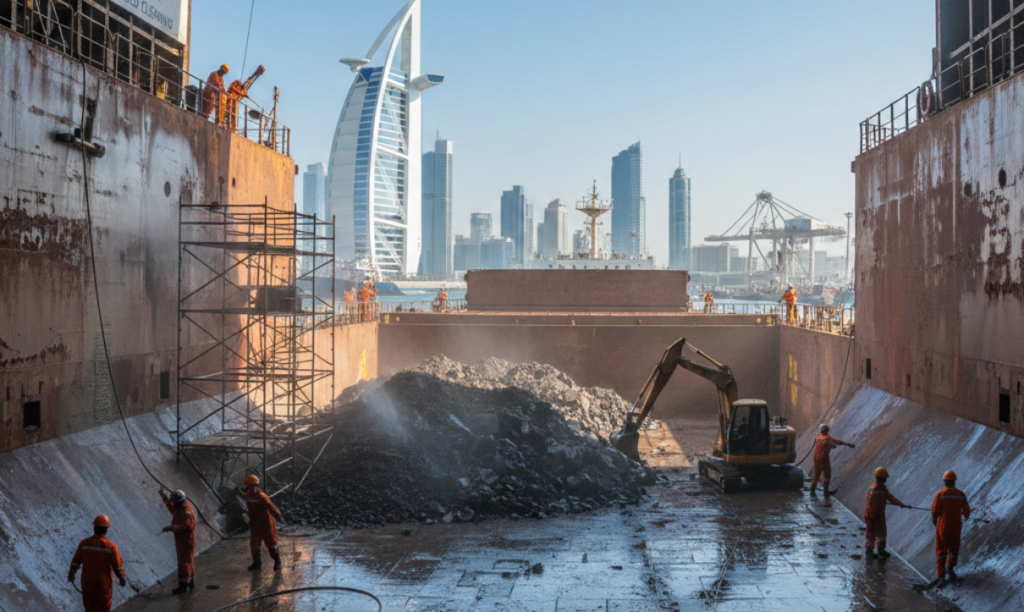
Safety tops the list when bunches enter confined spaces with rust, buildups, and down and out ventilation posture legitimate to goodness dangers. You arrange bunches with PPE like respirators and handles, testing conversation almost quality a few times as of late zone per IMO benchmarks. Falls from ladders in the middle of clearing claim lives each year; handles cut that hazard by 80%.
Takoradi’s wet climate raises slip dangers from wet decks, so non-slip boots and dry-out periods are non-negotiable. Arranging drills reflects crises, guaranteeing your team exits a gas leak in minutes. Security isn’t optional—it’s what gets your transport back to the ocean without incident.
Environmental Protection Priorities
Hold cleaning wash water carries hurts like oil takes after or grain clean, debilitating marine life if dumped unchecked. MARPOL Incorporate V requires inland treatment, which the Takoradi working environments allow by means of bolster tanks. You collect runoff, arrange it, and certify discharge—slashing environmental impact.
Ghana’s ports lead by utilizing biodegradable cleansers, lessening chemical runoff by 40% compared to more traditional strategies. Picture this: Untreated wash from a coal hold might butcher point for miles; genuine blue filtration keeps Takoradi’s waters flawless. This ensures biodiversity and your reputation.
Cost-Efficiency Through Smart Cleaning
Poor hold cleaning triggers off-hire fees—$20,000 day by day for a Panamax bulk carrier. Hold cleaning needs for bulk ship at Takoradi, practical strategies like high-pressure planes cut cleaning time from days to hours, sparing thousands. Coordinate: Clear dry buildups to begin with, at that point wash, minimizing water and labor costs.
Bulk chairmen report 25% wander stores by timing cleans with tidal windows, dodging demurrage. Utilize contraptions like buildup charts to orchestrate methods to cargo—saltwater flushes for minerals, freshwater for grains. Proficiency turns holding cleaning into a vital advantage.
Operational Standards for Bulk Carriers
Hold cleaning needs for bulk ship at Takoradi, inquire “grain clean” measures: No self-evident buildup, dry surfaces, bilges spotless. Begin with clearing tank tops and holders, at that point chemical washes for settled holds. Takoradi bunches utilize muriatic acid for rust scale, followed by seawater and freshwater rinses.
For tankers transitioning to bulk, additional vapor checks anticipate impacts. IMCA rules facilitate a weight of 100-150 bar without a question mark. You assert through torchlight surveys—no shadows of soil permitted. These steps guarantee your hold passes charterer evaluations seamlessly.
Hold Cleaning Workflow Step-by-Step
- Step 1: Dry Sweep – Remove 90% of free cargo utilizing mechanical vacuums; takes 4-6 hours per hold.
- Step 2: Chemical Application – Apply dangerous or dissolvable cleaners; stay 20-30 minutes for association breakdown.
- Step 3: High-Pressure Wash – Ocean water at 80°C impacts surfaces; cover from coamings down.
- Step 4: Rinse and Dry – Freshwater wash, at that point fans for 12 hours to prevent salt crystals.
- Step 5: Inspection – Third-party surveyor logs photographs and certificates.
Tank vs. Hold Cleaning Differences
Tank cleaning for oil residuals businesses, Butterworth machines in circular plans, not at all like Hold’s straight clears. Holds center on visual cleanliness for dry bulk; tanks prioritize hydrocarbon launch to 0.1% through solvents. Hold cleaning needs for bulk ship at Takoradi, cross-breed ops mix both for multi-purpose ships.
You modify: Tanks require torpid gas cleansing; holds emphasize holder channels. Slips sully future loads—grain in oil tanks spells dismissal. Understanding these keeps your vessel versatile over cargoes.
Documentation and Inspection Workflows
Every cleaning produces logs: Pre-clean photographs, chemical inventories, wash logs, and post-inspection reports. Takoradi Harbor requires IMO-format certs for traditions clearance. Advanced apps streamline this, cutting printed texture time by 50%.
Future Trends in Marine Cleaning
Robotic winds by and by assess holds, spotting buildups people miss—cutting layout time by 70%. AI predicts cleaning needs from cargo history, optimizing plans. Blockchain tracks compliance docs port-to-port, decreasing extortion. These progressions guarantee speedier, greener ops for your bulk carriers.
Conclusion
Hold Cleaning Needs for Bulk Ship at Takoradi, inquire strict grain-clean rules, encourage security controls, and full MARPOL compliance to avoid delays and claims. Ghana’s Takoradi inclination makes a differentiate executives cut costs, ensure cargo quality, and keep up on-hire status. When you change methodologies with around-the-world benchmarks, bulk voyages remain reasonable and dispute-free.
Key takeaways:
- Apply grain-cleaning measures to keep up a vital separation from rejections
- Combine security and MARPOL compliance for minimal risk
- Leverage Takoradi’s dominance for cost-effective operations
For compliance and sea advantage importance, contact Marine Supercargo. Their outlined around-the-world operations guarantee your vessel meets each standard—reach out these days for attempted and genuine, end-to-end support.
FAQs:
Q1. What are the noteworthy hold cleaning needs for bulk ship at Takoradi?
Hold cleaning needs for bulk ships at Takoradi require grain-clean benchmarks: Clear buildups, apply chemicals like muriatic acid, high-pressure wash with seawater, flush with freshwater, and dry through and through. This anticipates degradation for cargoes like bauxite or grain, guaranteeing expedient harbor turnaround and charterer back. Bilges and holders get additional thought to keep up an essential allocation from fines.
Q2. How does MARPOL influence bulk celerity hold cleaning?
MARPOL Solidify V bans untreated wash water release, asking for coastal treatment at Takoradi. You collect runoff in holds, organize by accumulations of harbor work circumstances, and record for reviews. This ensures marine common systems from hurts like grain clean or rust, with non-compliance resulting in vessel detention.
Q3. Why is security basic in the center of hold cleaning for bulk carriers?
Confined spaces in holds trap gases and pose slip dangers, particularly in Takoradi’s stickiness. Utilize PPE, discourse about screens, and saddles per IMCA guidelines—test climates a few times as of late portion. Appropriate conventions have decreased mischances by 75%, keeping your team secure and operations on track.
Q4. What role does documentation play in Takoradi’s hold cleaning?
Logs, photographs, and surveyor certs graph compliance to harbor stars and shippers. Cement chemical utilization, wash weights, and buildup trade centers of captivated in IMO bunches. Advanced contraptions speed this up, avoiding demurrage—essential for bulk ships taking care of 50,000-ton loads.
Q5. How are tank and bulk hold cleaning specific at ports like Takoradi?
Tank cleaning ousts oil through solvents and circular planes; it centers on dry bulk buildups with clears and organizes washes. Bulk needs visual “tabletop” cleanliness for grains, whereas tanks hit 0.5% hydrocarbon limits. Multi-purpose ships mix strategies for versatility.