

Hair Follicle Drug Testing: How It Works
When safety and compliance come first, understanding how testing works can make all the difference. Hair Follicle Drug Testing has become one of the most trusted methods for long-term detection of substance use. Unlike urine or saliva tests, it doesn’t just show what happened yesterday—it reveals the bigger picture, tracing consistent drug use over months.
For companies managing high-risk environments or strict maritime operations, this test offers reliability, transparency, and scientific precision. Let’s dive in to uncover what makes this method unique, how it works, and why global industries rely on it to maintain safe, drug-free environments.
The Science Behind Hair Testing
At its core, Hair Follicle Drug Testing analyzes chemical markers embedded in hair strands. When a person uses drugs, metabolites—tiny molecular traces—enter the bloodstream and later deposit into hair follicles as the hair grows. Since hair captures these compounds over weeks or months, it provides a historical record of substance exposure.
A typical test can detect up to a 90-day usage window. Laboratories use specialized equipment, such as Gas Chromatography-Mass Spectrometry (GC-MS), to identify these molecules with near-perfect accuracy. This scientific foundation makes hair testing one of the most reliable long-term monitoring techniques available.
Why Businesses Prefer Hair Testing
Businesses choose Hair Follicle Drug Testing because it delivers insights that traditional tests can’t match. It detects repeated or long-term drug use patterns rather than short-term traces. For employers, this prevents high-risk behavior from slipping through pre-employment or random screening gaps.
In maritime operations, safety depends on continual alertness, making detection critical. Organizations like the IMO and IMCA emphasize the importance of proactive testing. Hair tests also prevent result manipulation—unlike urine tests, they can’t be diluted or faked easily. The outcome: higher trust in results, stronger compliance, and safer teams everywhere.
Collection Process: Simple Yet Secure
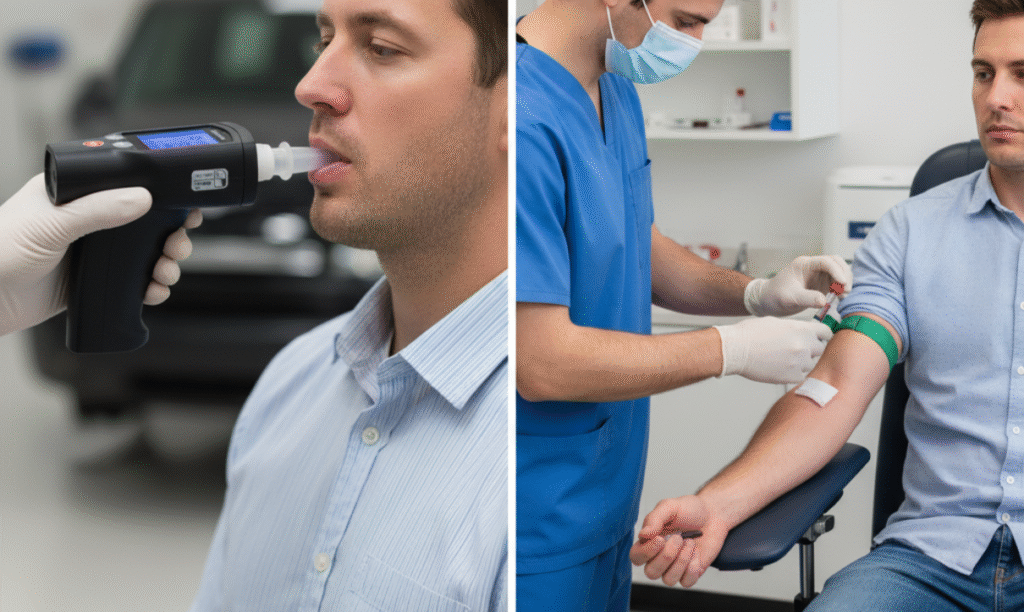
Hair Follicle Drug Testing follows a straightforward but precise collection approach. A small hair sample—typically 1.5 inches long—is cut close to the scalp, representing roughly three months of growth. It’s then sealed in a tamper-proof package and documented with a chain-of-custody procedure. This ensures complete traceability from collection to lab analysis.
The process is non-invasive and discreet, taking just a few minutes. Maritime companies prefer it during crew onboarding because it causes minimal downtime and no privacy invasion. Clear sampling standards guarantee test integrity while keeping the experience professional and transparent for all participants. Also, know about Crew Alcohol Testing: 7 Vital Insights for Safer Seas.
Detection Window: Longer Than Any Other Method
Among all screening options, Hair Follicle Drug Testing offers an unmatched detection window. It tracks substance use for up to 90 days, while saliva or urine only reflect days or hours. For safety managers, this extended timeline allows for a broader assessment of crew habits and behavior consistency.
It’s especially valuable for high-security or compliance-driven settings like ships, where safety cannot rely on short-term evaluations. However, because it only captures systemic use—not one-time incidents—it should complement instant methods for a balanced testing strategy that covers both immediate and long-term health monitoring.
Accuracy and Reliability Factors
Accuracy remains hair follicle drug testing’s strongest advantage. Every test undergoes two main phases: initial screening (usually through Enzyme-Linked Immunosorbent Assay—ELISA) followed by confirmatory GC-MS analysis. This two-step approach ensures false positives are minimized. Environmental contamination—like secondhand smoke or accidental exposure—does not affect results because verification occurs at the molecular level.
Laboratories maintain international standards for precision and chain-of-custody validation, ensuring testing remains admissible in audits or compliance reviews. For maritime sectors, where liability is high, the reliability of results strengthens both operational and legal confidence. Read more about 7 Powerful Reasons Corporate Drug Testing Works.
Marine Supercargo Expands Services: Drug & Alcohol Testing for Safer Seas
Marine Supercargo, globally recognized for its expertise in hull cleaning and marine maintenance, has now introduced comprehensive drug & alcohol testing services. By integrating advanced methods like Hair Follicle Drug Testing, the company assists shipowners, operators, and managers in improving compliance with international safety and environmental laws.
These services combine rapid onsite testing and detailed laboratory confirmation for maximum clarity and efficiency. Marine Supercargo’s initiative reinforces safety culture, ensuring that crew fitness, performance, and compliance align with global maritime regulations. This service extension represents a strategic move toward safer, cleaner, and more responsible global shipping operations. Read more about 5 Crucial Reasons Drug & Alcohol Testing Matters.
Compliance with Maritime Standards
Compliance frameworks such as those from IMO, IMCA, and the MARPOL Convention require consistent monitoring to sustain safety certifications. Hair Follicle Drug Testing aligns perfectly with these expectations because it documents long-term risk patterns rather than momentary results. During port audits or insurance inspections, verified testing demonstrates management’s commitment to responsible operations.
By incorporating hair testing into regular safety programs, maritime organizations maintain accountability to regulators and clients alike. It solidifies a company’s reputation while reinforcing a trustworthy, safety-first culture in every aspect of maritime operations.
Environmental and Cost Efficiency
While Hair Follicle Drug Testing prioritizes accuracy, it’s also environmentally responsible. Unlike disposable urine kits, hair samples generate minimal waste and require less chemical handling. Logistics costs remain reasonable since samples are compact and easy to transport. Certified laboratories now incorporate eco-friendly processing systems, reducing plastic use and emissions.
This approach supports sustainability goals promoted by ports and global initiatives under the International Association of Ports and Harbors. For businesses seeking both safety and sustainability, hair testing delivers reliability that aligns with modern corporate responsibility principles and operational eco-consciousness.
“Marine cleaning, anytime. Anywhere. 🌊 #GlobalMarine”#shipping #maritime #ship #cruises #sealife #port #shipping #marine #captain #vessel #ships #cargo pic.twitter.com/GgKTqEMETK
— Marine Super Cargo (@Marinsupercargo) October 4, 2025
Advantages and Limitations Explained
Hair Follicle Drug Testing brings clear advantages: long detection periods, tamper-proof samples, and low environmental impact. It’s ideal for identifying consistent, long-term substance patterns. However, some limitations exist—it doesn’t detect one-time or very recent use and requires laboratory analysis, which can take several days.
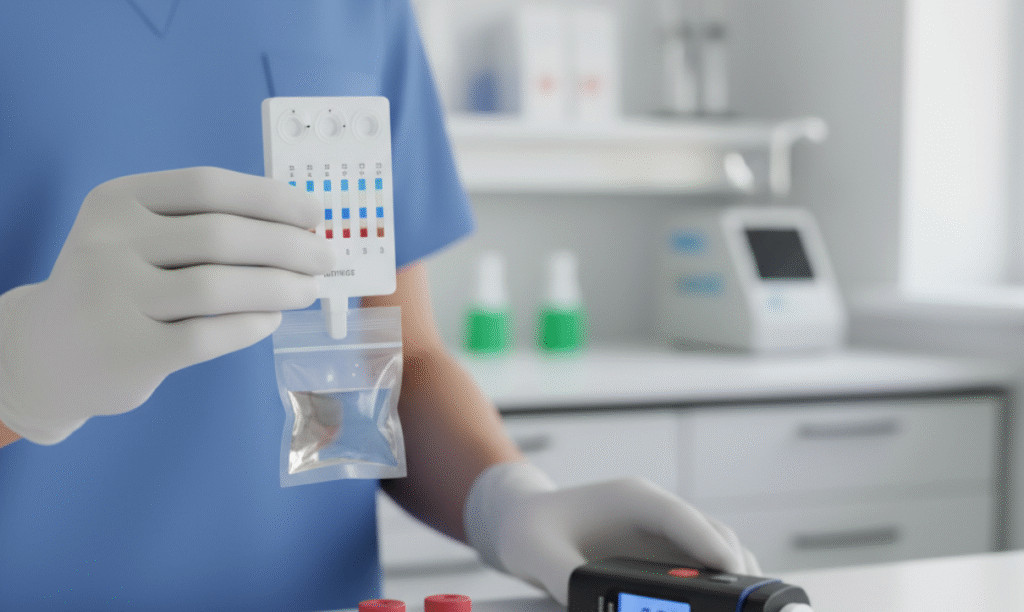
Despite these, most companies find that the benefits far outweigh the drawbacks. For comprehensive safety, combining hair testing with quicker onsite screening (like saliva or breath tests) offers optimal coverage. Together, they create a complete risk prevention system that ensures both immediate accuracy and consistent accountability. Also read about 7 Vital Reasons Alcohol Testing Saves Shipping Companies.
The Future of Hair Testing
Technology continues to refine Hair Follicle Drug Testing. Emerging innovations include digitized collection tracking, automated analyzers, and AI-assisted interpretation of results. Future systems may even integrate with corporate safety dashboards, enabling real-time compliance management across global fleets.
Blockchain-based authentication could also become standard, guarding data integrity against tampering. For the maritime sector, these developments promise safer, smarter, and faster verification—ensuring regulations evolve alongside operational efficiency. As industries embrace digital transformation, hair testing stands ready to become an integral part of the modern global safety ecosystem. Also read about Offshore Crew Testing: 7 Best Practices for Safer Seas.
Conclusion: Why Hair Testing Leads the Way
Hair Follicle Drug Testing stands out as the most accurate and comprehensive method for monitoring long-term substance use. It uncovers patterns invisible to shorter tests and reflects months of behavior—all while being non-invasive and eco-friendly. Three takeaways: first, hair analysis enhances transparency; second, it builds compliance confidence; and third, it supports cleaner, safer operations.
For organizations committed to maritime and industrial safety excellence, hair testing is an indispensable tool. Visit CleanShip.co today to discover sustainable testing and compliance solutions that empower smarter, safer global operations.
FAQs:
Q1. How long does hair follicle drug testing detect substance use?
Hair Follicle Drug Testing identifies drug use for up to 90 days, offering the longest detection window among all standard testing methods.
Q2. Can hair testing be affected by hair treatments or dyes?
Hair treatments may slightly alter samples, but certified labs account for these variations during analysis through chemical adjustment controls.
Q3. Is hair follicle testing invasive or painful?
No, it’s completely non-invasive. Only a small strand is clipped near the scalp, causing no discomfort or interruption to normal routines.
Q4. Why is hair testing preferred in maritime operations?
Because of its long detection period and tamper-proof credibility, hair follicle drug testing strengthens compliance for crews and ship managers.
Q5. Can companies combine hair testing with other drug tests?
Yes. Pairing Hair Follicle Drug Testing with saliva or urine tests ensures both immediate and historical drug detection accuracy.