Why Ghana Leads West Africa in Marine Cleaning
Imagine you’re a vessel operator staring down a tight schedule in West Africa. Your bulk carrier just offloaded coal and needs to load grain next, but one failed inspection could derail everything—delays, demurrage fees piling up like storm clouds. That’s where Ghana steps in as the unexpected hero. Ghana leads West Africa in marine cleaning because its ports deliver predictable, inspection-passing results when others falter. In this article, we’ll dive into why operators flock to Tema and Takoradi, unpack the processes, and show you how to cut risks. Think of it as your roadmap to smoother voyages.
Introduction to Marine Hold Cleaning in Ghana
Picture Ghana’s bustling ports as the reliable pit stop in a high-stakes shipping race. Marine hold cleaning in Ghana has earned a stellar reputation across West Africa. Vessel operators now schedule sensitive cargo switches around Tema and Takoradi because they know the outcomes won’t leave them guessing. Tight inspections and costly delays make reliability gold.
What Is Professional Marine Hold Cleaning?
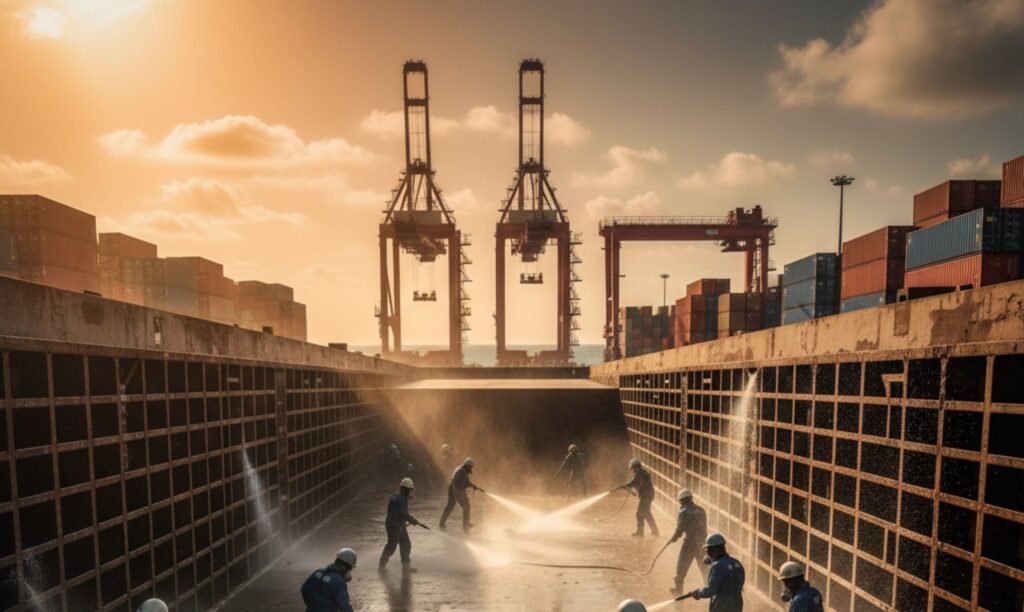
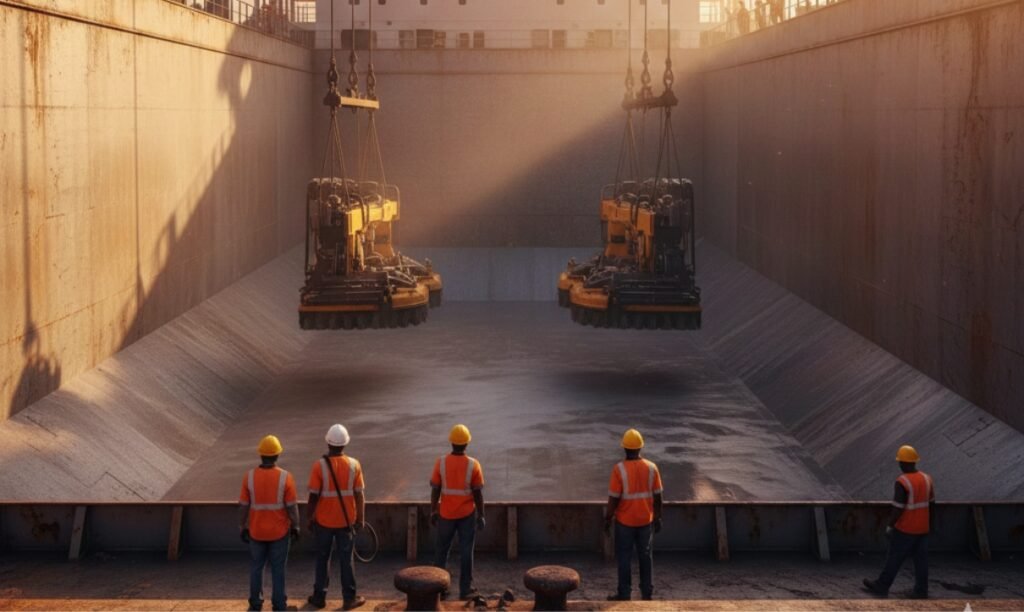
Professional marine hold cleaning goes beyond scrubbing decks—it’s a precision operation to make cargo holds inspection-ready. Think of it like prepping a kitchen for a health inspector: every corner must shine, or you’re shut down. In Ghana, this means removing residues from previous loads to prevent contamination, ensuring the next cargo arrives pure.
Crew Cleaning vs. Professional Cleaning: Key Differences
Ever tried fixing a leaky roof during a downpour? That’s crew cleaning—rushed, under-equipped, and fatigue-fueled. Crews lack time between voyages, specialized gear, and training for tricky spots like frame brackets. They might wipe surfaces, but residues hide in seams, failing surveys.
Professional cleaning flips the script. Trained teams in Ghana deploy confined-space certified workers with industrial vacuums and eco-detergents. They focus on surveyor checklists, documenting every pass. Result? First-time approvals that slash delays. Ghana leads West Africa in marine cleaning by bridging this gap, saving operators thousands in demurrage.
Types of Cargo Holds Needing Specialized Cleaning
Not all holds are created equal. Bulk carriers hauling coal leave sticky soot; clinkers form hard cakes; fertilizers risk chemical leaching into grains. Each demands tailored attacks—like using acid washes for minerals but enzyme cleaners for organics.
In Ghana, teams plan backward from the next cargo. Switching from pet coke to wheat? They prioritize tank tops and hoppers. This foresight explains why Ghana leads West Africa in marine cleaning: predictive strategies match hold types to standards, dodging contamination claims that plague neighbors. Learn more about the Top 7 Benefits of Underwater Ship Hull Cleaning in the UAE.
Ghana’s Marine Cleaning Landscape Today
Ghana’s ports hum like well-oiled machines amid West Africa’s chaos. Tema handles massive volumes, and Takoradi specializes in bulk. Both offer structured cleaning ops with reliable water supply, waste coordination, and berth scheduling—rarities regionally.
Challenges like congestion or monsoons hit everywhere, but Ghana’s teams adapt. They stage gear off-site, minimizing downtime. Ghana leads West Africa in marine cleaning through this resilience, turning port hurdles into non-events for your schedule.
Spotlight on Tema and Takoradi Ports
Tema, Ghana’s gateway, processes over 18 million tons yearly, with cleaning bays integrated into workflows. Takoradi shines for dry bulk, its deeper drafts suiting larger carriers. Both align with IAPH World Ports sustainability goals, easing waste logistics.
Operators love the predictability—no scrambling for dump sites. This port prowess is why Ghana leads West Africa in marine cleaning, drawing repeat business from Asia-Europe routes.
Tackling Common Challenges in Ghanaian Ports
Port jams and sudden rains test everyone, but Ghanaian cleaners shine. Short berths? They use modular pumps for 24-hour ops. Weather delays? Pre-cleaning buffers absorb them. Unlike regional spots where chaos cascades, Ghana’s coordination keeps inspections on track.
It’s adaptation at work—teams monitor tides and forecasts, flexing without fanfare. This grit underscores why Ghana leads West Africa in marine cleaning.
Ghana’s Strategic Edge in Shipping Routes
Nestled on the Gulf of Guinea, Ghana intercepts key lanes from Asia to Europe via the Cape. Vessels call repeatedly, building a cleaner familiarity with local quirks. It’s like a favored truck stop—consistent service breeds loyalty.
This positioning funnels expertise, making Ghana leads West Africa in marine cleaning with honed routines that minimize surprises. Read more about Cargo Ship Cleaning in Sharjah – 7 Powerful Hold Solutions.
Building a Skilled Workforce and Infrastructure
Ghana’s cleaners train rigorously in confined-space entry, harness use, and gear ops—meeting IMCA standards. Ports invest in cranes and treatment plants, cutting setup times. Fewer incidents mean less rework.
Operators notice: safer, faster cleans. Ghana leads West Africa in marine cleaning via this human-port synergy.
Aligning with Global Maritime Standards
Forget surface shines—surveyors demand IMO and MARPOL compliance. Ghana teams exceed visuals, tackling residues per charter parties. Audits show lower rejection rates, backed by IMCA guidelines.
This rigor positions Ghana as the leader in West African marine cleaning reliability.
Eco-Friendly Cleaning: Ghana leads West Africa in Marine Cleaning Green Edge
Ghana enforces strict waste rules, outpacing neighbors. Think controlled runoff captured for treatment—no MARPOL violations. It’s like farming sustainably: inputs match outputs without harming soil.
Providers recycle water, using biodegradable agents. Ghana leads West Africa in marine cleaning by embedding eco-practices that dodge fines.
Water Management and Waste Compliance
Holds guzzle water—up to 500 tons per clean—but Ghana’s systems treat and reuse it. Residues go to certified landfills, audited per IAPH protocols. No ocean dumps, period.
This slashes environmental objections, a boon for charterers.
Benefits for Charterers from Green Methods
Eco-cleans shield your rep and wallet. Compliant holds pass surveys faster, avoiding port state control detentions. In Ghana, it’s standard—reducing risks in a scrutiny-heavy era.
What Surveyors Scrutinize Post-Cleaning
Surveyors aren’t fooled by glossy floors. They probe corners, tank tops, and vents for traces—like detectives hunting clues. Ghana teams hit these first, using lights and swabs.
Visuals matter, but structural integrity seals deals.
Cargo Readiness: The Surveyor Checklist
Readiness means zero cross-contamination risks. For grains, no fertilizer specks; for coal follows, odor-free holds. Ghana cleaners use checklists mirroring surveyor ones, boosting pass rates.
Documentation and Evidence Essentials
Photos timestamped, residue logs, moisture readings—Ghana pros deliver dossiers. It’s proof in pixels, smoothing approvals. Digital tools are now trending, per future innovations.
Choosing Experts for West African Ports
Pick locals who know Ghana’s rhythms. Experience trumps gear alone.
- Familiarity with port flows speeds ops.
- Proven manpower scales to vessel size.
- Short-notice readiness handles surprises.
Ghana leads West Africa in marine cleaning with such pros.
Experience, Equipment, and Emergency Response
Tema veterans navigate crowds effortlessly. Top outfits stock vacuums, PPE, and crews 24/7. Emergencies? They mobilize in hours, unlike improvised regional fixes.
Cost Factors Influencing Marine Cleaning
Expect $5,000–$20,000 based on DWT, residue type, and eco-adds. Skimping invites reworks costing double. Ghana’s efficiency nets savings via fewer failures.
Safety first: IMCA-trained reduces accidents, cutting insurance hikes.
Reducing Operational Risks with Ghana’s Services
Fewer rejections preserve schedules. Ghana leads West Africa in marine cleaning by minimizing escalations—your ops team’s best ally.
Companies like Marine Supercargo exemplify this, offering global tank and hold cleaning, cargo supervision, and compliance support. They’ve recently added drug & alcohol testing to bolster crew safety and regulatory adherence, aligning with IMO mandates.
Future Trends in Maritime Cleaning
Innovations loom: robotic cleaners for holds, AI residue scanners, blockchain docs. Ghana pilots these, per CleanShip.co insights, eyeing drone inspections.
Regulatory shifts demand more—MARPOL Annex V tightens waste, IAPH pushes green ports.
Conclusion
Ghana leads West Africa in marine cleaning through three pillars: predictable surveyor passes via skilled, compliant teams; eco-practices dodging MARPOL pitfalls for cost savings; and adaptive infrastructure slashing risks amid challenges. Operators gain safer, greener ops with fewer delays.
For excellence in hold, tank, and bulk carrier cleaning plus compliance, turn to Marine Supercargo—their global services, supervision, and new drug & alcohol testing ensure seamless voyages. Contact them today to secure your next port call.
FAQs:
Q1. What is professional marine hold cleaning in Ghana?
It’s a targeted process stripping holds of residues for new cargoes, using high-pressure tools and eco-methods. Ghana teams meet IMO and charter standards, focusing on surveyor pain points like corners and tank tops.
Q2. Which Ghana ports excel in hold, tank, and bulk carrier cleaning?
Tema and Takoradi lead, with dedicated bays, water treatment, and waste coordination. They handle everything from coal-to-grain switches on bulkers to tank washes on chemical carriers, aligning with MARPOL for safe discharges.
Q3. Are eco-friendly marine cleaning solutions standard in Ghana?
Yes—providers capture runoff, treat residues, and use green agents per IAPH guidelines. This cuts environmental risks for hold and tank cleans on bulk carriers, saving charterers from fines and boosting compliance.
Q4. How does Ghana leads West Africa in marine cleaning services?
Through trained crews, port infra, and IMCA/IMCA-aligned practices delivering 90%+ first-pass surveys. For holds, tanks, and bulkers, they adapt to short notices, reducing demurrage vs. congested peers.
Q5. What future innovations shape the hold and tank cleaning in Ghana?
Robotics, AI detectors, and digital certs streamline bulk carrier services. Marine Supercargo’s Drug & Alcohol Testing adds safety layers, meeting evolving IMO rules.