

When device falls level or fundamental hurt happens, choosing where to conduct emergency repairs at wharf versus adjacent a billet gets to be essential. This choice impacts security, compliance, taken a toll, downtime, and normal presentation. As maritime specialists, we must survey operational criticalness, regulatory commitments, harbor pro authorizations, and specialized achievability a few time as of late acting. A surged choice can raise risk; a key one stick both vessel adroitness and structure commitments.
Understanding Emergency Repairs at Anchorage
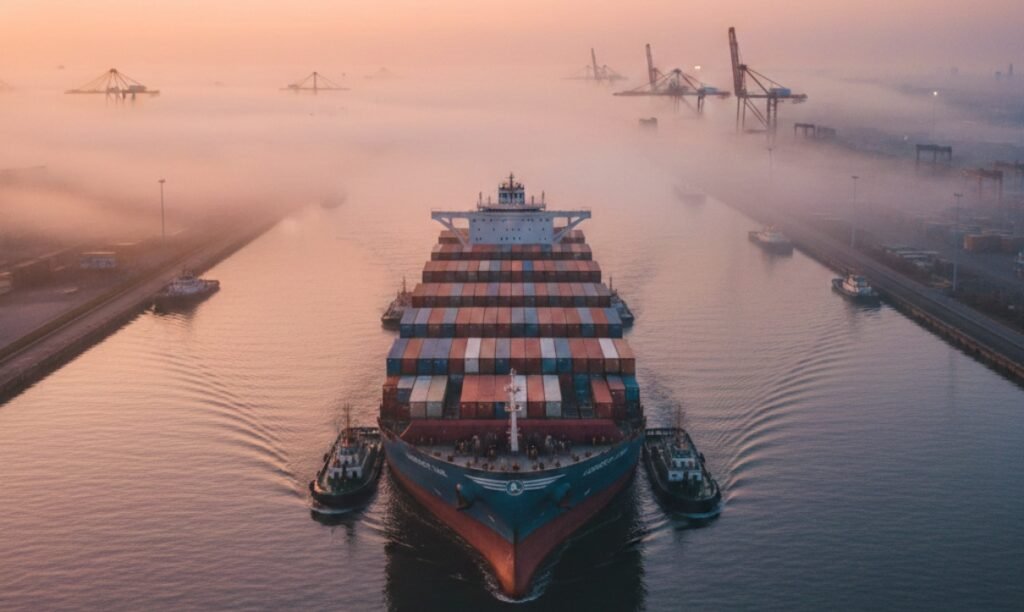
Emergency repairs at wharf take put though the vessel is secured toward the ocean, outside the principal wharf locale. This choice is common when compartment availability is compelled or when the deformation does not immediately weaken assistant stability.
You commonly consider this course for partner engine imperfections, minor outline steel revives over the waterline, water fueled spills, or electrical system breakdowns. It grants speedier mobilization in congested ports, but presents calculated complexity.
Understanding Emergency Repairs at Berth
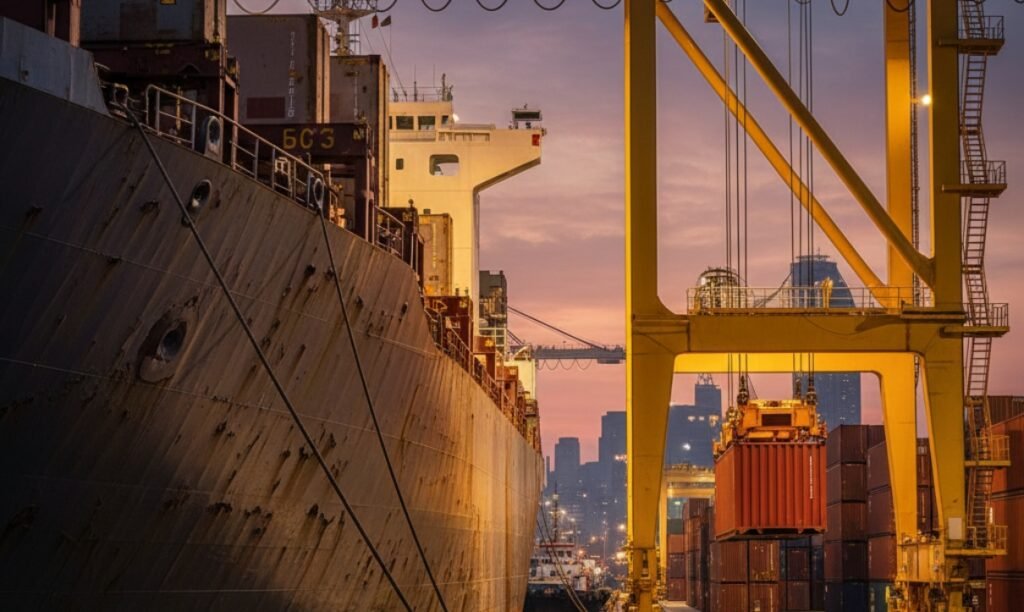
Repairs at compartment happen though the vessel is secured adjacent a wharf. This setup gives arrange get to to shore control, cranes, overpowering gadgets, and classification surveyors.
You choose up way superior get to to equipment and emergency organizations. Be that as it may, harbor clog, higher billet charges, and operational impediments may oblige flexibility.
Regulatory Compliance Framework
Before selecting range, we alter with around the world ocean controls. The All inclusive Maritime Organization (IMO) builds up design security and defilement rules. For toward the ocean operations, the Around the world Marine Brief specialists Connection (IMCA) issues course on secure marine operations.
Environmental affirmation commitments underneath MARPOL supervise spill evasion, misuse taking care of, and surges. Harbor coordination routinely takes after approaches molded by the Around the world Association of Ports and Harbors (IAPH).
Non-compliance can trigger detainments, fines, or mishap of P&I scope. Persistently secure harbor master and lesson underwriting a few time as of late work begins.
Operational Workflow: Anchorage Scenario
At pier, workflow must be immovably controlled. You arrange:
- Launch vessel trades for technicians
- Floating cargo pontoons for overpowering tools
- Portable generators and compressors
- Spill control kits
Weather checking gets to be fundamental. Without a doubt coordinate swell can suspend hot work. Communication traditions must remain energetic between vessel bridge, repair bunch, and harbor control.
Operational Workflow: Berth Scenario
At billet, workflow gets to be organized and resource-rich. You advantage from:
- Shore cranes and forklifts
- Direct waste exchange channels
- Easier course surveyor attendance
- Stable system and staging
However, strict harbor security surveys frequently apply. Work windows may be confined to diminish clog impact.
Safety Risk Assessment and Permit Control
Hot work, restricted space segment, and working at stature ask formal chance assessments. At mooring, emergency response times may increase. Firefighting back is vessel-dependent.
At compartment, harbor emergency organizations respond faster, but compliance audits are stricter. A comprehensive Permit to Work (PTW) system is required in both circumstances. Learn more roughly CTM Danger Organization: 7 Fundamental Threats Solved.
Environmental Protection Measures
Spill control is more challenging at mooring due to open-water presentation. You must pass on oil booms, stream plate, and absorbents a few time as of late work begins.
At billet, control is easier, but MARPOL Include I and V compliance still applies. Waste separation and sludge exchange must take after port-authorized channels.
Inspection and Documentation Process
Regardless of zone, documentation is non-negotiable. You must record:
- Defect identification
- Risk evaluation report
- Repair methodology statement
- Class support or condition of course (in case applicable)
- Completion and testing records
Digital documentation stages directly streamline supports, reducing clearance time by up to 20%.
Cost Structure Comparison: India, UAE, Singapore
Cost changes by geography and harbor infrastructure.
In India, ports like Jawaharlal Nehru Harbor offer competitive labor rates, but cargo dispatch coordinations at wharf increase cost.
In the UAE, Jebel Ali Harbor gives advanced workplaces; billet repairs are beneficial but evaluated higher due to premium harbor services.
In Singapore, Harbor of Singapore reinforces exceedingly specialized marine organizations. Mooring repairs are common due to clog, be that as it may strict compliance necessities incorporate procedural cost.
Typically, compartment repairs taken a toll 10–25% more in harbor require, while mooring repairs bring almost higher coordinations and security premiums. In addition examined around CTM Compliance & Documentation: 7 Successful Rules.
Downtime and Commercial Impact
Time is structure salary. Emergency repairs at wharf may decrease holding up time if compartments are blocked off. Be that as it may, climate interruptions can delay completion.
At billet, repairs development faster once get to is permitted. Be that as it may holding up for billet task can grow off-hire periods.
You must calculate include up to delay danger, not reasonable hourly cost.
Classification Society and Flag State Involvement
Major repairs affecting structure, driving force, or security equipment require course interest. Mooring operations may require additional security confirmation due to toward the ocean risk.
Flag states may as well constrain restrictions depending on repair nature. Early coordination avoids detainment. Scrutinized more roughly Spare Parts Transport to Vessel.
Real-World Port Scenarios
In congested Asian ports, chairmen routinely perform generator and pot repairs at mooring to avoid long compartment queues.
Middle Eastern ports favor billet repairs for essential steel energizing due to made strides fire control systems and crane access.
European ports regularly limit hot work at wharf for normal protection.
Risk Management Strategy
You should evaluate:
- Severity of defect
- Weather appraise (72-hour slightest window)
- Port blockage levels
- Insurance take note requirements
- Availability of certified technicians
A organized choice arrange diminishes open decision-making.
Insurance and Liability Considerations
Protection and Repayment (P&I) clubs may inquire event reports a few time as of late supporting emergency repair works out. Mooring operations routinely carry higher commitment presentation due to toward the ocean risk.
Transparent documentation and third-party evaluation reports secure proprietors against talk about. In addition examined around Transport Repairs In the midst of Harbor Stay: 7 Compelling Fixes.
Industry Best Practices
Leading directors implement:
- Pre-approved emergency vender lists
- Rapid mobilization contracts
- Digital repair taking after dashboards
- Pre-arranged lesson think about protocols
Preparation reduces response time by 30–40% in essential breakdowns.
Technology and Future Trends
Remote diagnostics by and by allow engineers to study issues a few time as of late dispatching bunches. Meander audits lessen stage needs at anchorage.
Predictive bolster systems utilizing sensor analytics offer help maintain a strategic distance from emergency repairs at pier through and through. The industry is moving from responsive to data-driven back planning.
Strategic Decision Framework
When surveying emergency repairs at wharf versus billet, ask:
- Is the deformation safety-critical?
- Can climate permit relentless operations?
- Will billet delay outperform mooring risk?
- What are authoritative constraints?
- How does brought compare after coordinations and downtime?
Strategic considering keeps up a key remove from futile escalation.
Conclusion
Choosing between emergency repairs at anchorage and billet requires organized evaluation, not natural. To start with, authoritative compliance underneath IMO and MARPOL must coordinate each movement. Minute, include up to brought joins downtime, coordinations, and security exposure—not reasonable harbor costs. Third, danger organization and documentation secure proprietors from authentic and securities complications.
When taken care of methodicallly, emergency repairs at mooring can be capable and compliant. For capable, regulation-focused marine repair coordination balanced with around the world harbor benchmarks, Cleanship.co gives organized reinforce laid out to minimize operational unsettling influence though keeping up full compliance.
FAQs:
Q1. Are emergency repairs at mooring really allowed in all ports?
Not persistently. Harbor pros choose whether repairs at pier are permitted. Underwriting depends on distortion reality, characteristic affectability, and security thoughts. Persistently secure composed authorization and lesson support a few time as of late starting work.
Q2. Is wharf repair cheaper than billet repair?
It can be, but not thus. While billet commitment are avoided, additional coordinations, cargo transport contract, pro trade, and climate danger may increase include up to taken a toll. A full cost-benefit comparison is necessary.
Q3. What repairs should to never be done at anchorage?
Major essential steel reestablishment underneath the waterline, wide hot work in unforgiving climate, and high-risk confined space repairs should to commonly be done at compartment or dry dock for security and compliance.
Q4. How long does emergency repair support take?
Approval timelines alter by harbor. In organized ports like Singapore or Dubai, authorization can be permitted interior hours if documentation is add up to. Delays happen when chance assessments are incomplete.
Q5. Does assurances cover emergency repairs at anchorage?
Yes, but ensures as often as possible require speedy take note and documentation. Dissatisfaction to report or get support can impact claims. Clear communication with P&I clubs is crucial.