Pros and Cons of Different Alcohol Testing Methods
Every responsible business knows that workplace safety begins with accountability. Understanding the Pros and Cons of Different Alcohol Testing Methods helps you make informed decisions that protect both your people and operations. Alcohol testing isn’t just about discipline; it’s about prevention, compliance, and maintaining trust onboard or on-site.
In maritime or industrial settings, one impaired decision can lead to disaster. Selecting the right testing method requires a balance between speed, accuracy, cost, and practicality. As we dive deeper into each approach, you’ll discover how technology, regulations, and human factors combine to shape reliable, effective alcohol monitoring systems.
The Role of Alcohol Testing in Safe Operations
Before exploring Different Alcohol Testing Methods, it’s crucial to understand their purpose. Alcohol testing upholds the safety culture by identifying and preventing impairment at work. Ship operators, logistics managers, and employers use it to ensure crew and employee fitness, particularly in regulated industries.
The International Maritime Organization (IMO) and IMCA both emphasize substance control as a key component of safety compliance. Beyond compliance, testing builds confidence among teams and reassures clients about your integrity. When done right, alcohol testing acts not as punishment but as protection—helping everyone get home safely at the end of the day.
Understanding Different Alcohol Testing Methods
Different Alcohol Testing Methods vary in technology, accuracy, and context of use. Common approaches include breath, blood, saliva, urine, and hair testing. Each offers unique detection windows and reliability levels. Breathalyzers are best for roadside or instant testing, while blood analysis provides the most scientifically precise results.
Automated saliva devices simplify on-the-spot workplace testing, whereas urine and hair tests detect longer histories of use. For maritime crews or global operators, the chosen method must comply with international standards like the MARPOL Convention. The aim remains the same—consistent, fair results that keep operations compliant and safe.
Breath Testing: Quick but Time-Sensitive
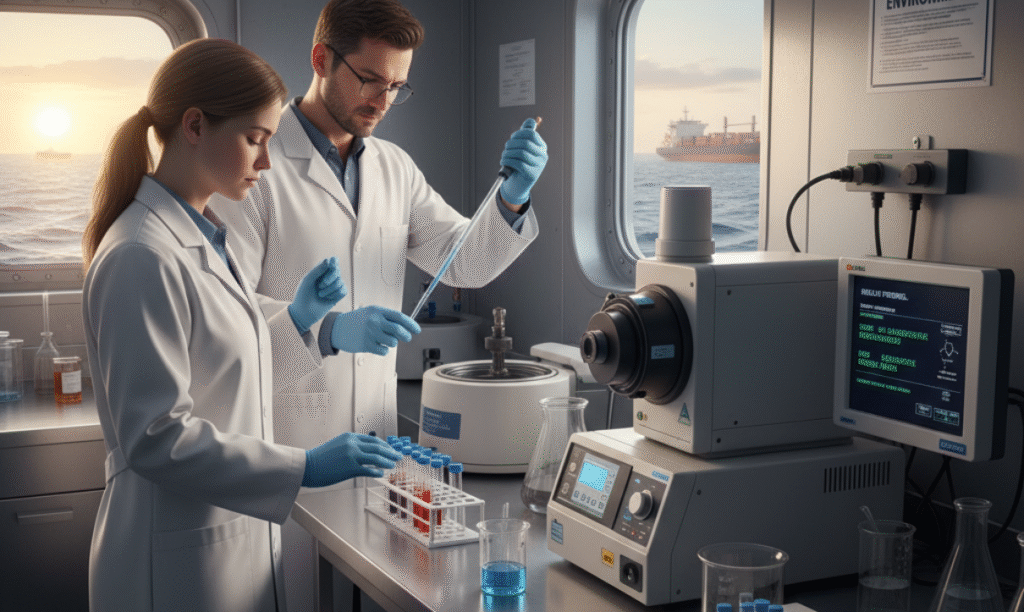
Among Different Alcohol Testing Methods, breath testing is the most common due to its convenience. It measures blood alcohol concentration (BAC) through exhaled air using portable devices. The main advantages are speed and simplicity—results appear instantly, which is ideal for random screening or pre-duty checks.
However, breath tests reflect only recent consumption and may fail to detect earlier drinking episodes. Temperature, mouthwash, or certain medications can also influence readings. Still, in maritime settings, breathalyzers remain essential for immediate compliance verification, particularly for ensuring navigational officers and engineers remain within safe operational limits during voyages. Also read about Offshore Crew Testing: 7 Best Practices for Safer Seas.
Blood Testing: The Gold Standard of Accuracy
Blood analysis stands out among Different Alcohol Testing Methods for its precision and legal defensibility. It directly measures the concentration of alcohol in the bloodstream, leaving minimal room for error. This method is frequently used in post-accident investigations or legal proceedings. Its drawbacks are cost, invasiveness, and slower turnaround times, making it less suitable for routine screening.
Only trained personnel can collect blood, usually in controlled environments. Still, for organizations like ship management firms or compliance divisions requiring unquestionable results, blood testing ensures accuracy that meets maritime and international safety certification standards without compromise. Also, know about Crew Alcohol Testing: 7 Vital Insights for Safer Seas.
“Marine cleaning, anytime. Anywhere. 🌊 #GlobalMarine”#shipping #maritime #ship #cruises #sealife #port #shipping #marine #captain #vessel #ships #cargo pic.twitter.com/GgKTqEMETK
— Marine Super Cargo (@Marinsupercargo) October 4, 2025
Saliva Testing: Non-Invasive and Practical
Saliva-based alcohol testing offers a balanced approach among Different Alcohol Testing Methods. It captures recent alcohol presence in a simple, non-invasive manner. Collection is hygienic and transparent, reducing chances of tampering. Results typically appear within minutes, making it practical for pre-shift evaluations or random on-board checks.
The downside is its shorter detection period compared to blood or hair tests. Saliva testing best suits environments that demand quick, frequent checks with minimal disruption to workflow—like shipping ports or offshore rigs. Combining saliva tests with confirmatory lab analysis can further enhance accuracy and compliance assurance across operations. Read more about 7 Powerful Reasons Corporate Drug Testing Works.
Urine Testing: Cost-Effective but Time-Limited
Urine testing remains one of the oldest and most affordable Different Alcohol Testing Methods in use. It detects alcohol metabolites rather than direct blood content, offering insight into recent consumption over several hours. While it is cost-effective and easy to administer, it has two main weaknesses—a limited detection window and a risk of sample adulteration.
Maritime operators often avoid it for crew testing due to these uncertainties. However, for land-based workplaces, it provides a reliable general screening tool, especially when paired with confirmatory methods like Gas Chromatography-Mass Spectrometry (GC-MS) to ensure result validity during compliance reporting and audits.
Hair Testing: Long-Term Behavioral Insight
Hair analysis is the most futuristic among Different Alcohol Testing Methods, revealing usage patterns up to 90 days. It detects alcohol markers that grow within the hair shaft, providing a broader timeline of consumption. Its strengths include tamper resistance and long-term accuracy. However, hair testing cannot detect very recent drinking and requires certified laboratories for analysis.
This makes it more applicable for investigations or pre-employment checks than real-time monitoring. For ship operators, hair testing supports long-term risk assessments, ensuring sustained policy compliance across crews that change frequently during international operations. Read more about 5 Crucial Reasons Drug & Alcohol Testing Matters.
Marine Supercargo Expands Services: Drug & Alcohol Testing for Safer Seas
Marine Supercargo, a trusted global leader in hull cleaning and marine maintenance, has expanded its services to include advanced drug & alcohol testing solutions. Integrating different alcohol testing methods, such as breath, saliva, and confirmatory lab analysis, Marine Supercargo now supports shipowners and operators in improving onboard safety and crew compliance.
This initiative reflects the company’s mission to promote safer seas through proactive management and precision testing. These services allow vessel managers to uphold IMO and MARPOL compliance effortlessly while maintaining operational efficiency. The goal remains simple—protect lives, assets, and global maritime integrity with science-backed testing excellence.
Comparing the Pros and Cons of Popular Methods
Every workplace or vessel requires tailored solutions from Different Alcohol Testing Methods. Here’s a quick comparison:
- Breath Testing: Instant results, but short detection window.
- Blood Testing: Highly accurate, yet invasive and costlier.
- Saliva Testing: Non-invasive, fast, but short-term.
- Urine Testing: Cheap, but easily manipulated.
- Hair Testing: Long-term insight, not ideal for on-the-spot needs.
Selecting the right method involves balancing operational requirements with sensitivity, convenience, and cost. For instance, maritime operations often rely on breath and saliva testing due to their efficiency and regulatory acceptance under IMO testing guidelines. Also read about 7 Vital Reasons Alcohol Testing Saves Shipping Companies.
Future Trends and Innovations
The future of Different Alcohol Testing Methods lies in automation and digital integration. Real-time monitoring through connected devices can soon transmit BAC data wirelessly to safety dashboards or compliance officers. Wearable biosensors may replace handheld devices entirely, offering passive tracking for high-risk roles.
Artificial Intelligence will play a key part in reducing false positives and streamlining analysis. Environmentally responsible testing kits will also become standard, aligning with green initiatives promoted by the International Association of Ports and Harbors. These innovations reflect the maritime sector’s push toward precision, transparency, and eco-friendly compliance solutions.
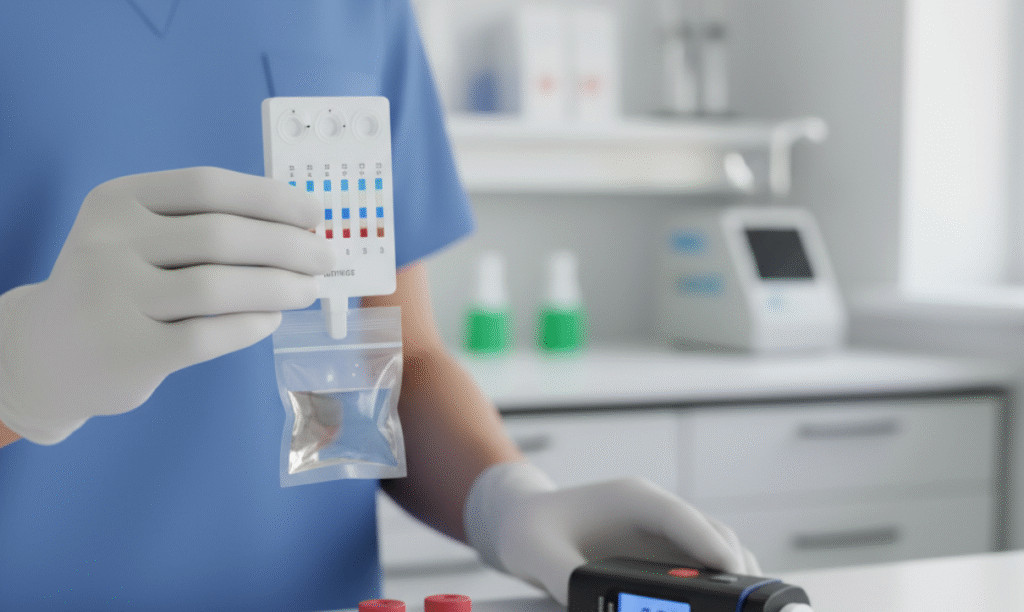
Conclusion: Choosing the Right Testing Path
Selecting among Different Alcohol Testing Methods is not about one being perfect—it’s about finding the right fit. Each method brings unique strengths that align differently with business goals, crew dynamics, and compliance expectations. Three key takeaways: first, accuracy ensures fairness; second, non-invasive testing encourages cooperation; and third, ongoing monitoring promotes long-term safety.
With careful planning and professional oversight, your program can reduce risks and improve accountability. For guidance, compliance resources, and eco-smart testing innovations, visit CleanShip.co and build safer, more transparent operations today.
FAQs:
Q1. Why are there so many alcohol testing methods available?
Different Alcohol Testing Methods exist to meet varied operational needs, from instant screenings to long-term monitoring in compliance-heavy industries.
Q2. What method works best for maritime operations?
Breath and saliva testing are ideal due to fast results, portability, and global recognition under IMO and MARPOL maritime safety protocols.
Q3. How reliable are instant alcohol tests?
Instant tests are dependable for recent consumption detection, but when accuracy is critical, they should be confirmed with laboratory analysis.
Q4. Are there eco-friendly alcohol testing options?
Yes, modern testing manufacturers are introducing low-waste kits that support CleanShip.co sustainability standards for green maritime practices.
Q5. Does alcohol testing invade employee privacy?
When performed according to legal and ethical policies, Different Alcohol Testing Methods safeguard both individual rights and workplace safety equally.