
Corporate Drug Testing
Modern businesses thrive on discipline, teamwork, and trust. Yet, even one impaired decision can jeopardize safety or damage a company’s reputation. Corporate Drug Testing offers a preventive solution that helps organizations maintain responsible, compliant, and productive environments. By screening employees for substance misuse, companies reduce the risk of accidents, save costs, and build a culture rooted in safety and accountability.
Corporate Drug Testing is no longer a punitive measure; it’s a strategy for sustainable business operations in which employees and employers share the same goal—ensuring health, safety, and peak performance across every level of the organization.
Why Corporate Drug Testing Matters
Every corporate leader understands that human reliability drives success. However, substance misuse can quietly erode this foundation. Corporate Drug Testing plays a critical role in detecting potential issues before they affect performance or safety. In industries where precision matters—shipping, manufacturing, or energy—even minor impairment can cause costly mistakes.
Regular testing enables early intervention, reduces risk, and assures stakeholders that safety is non-negotiable. It also boosts employee confidence, demonstrating that management genuinely values their well-being. When applied fairly, drug testing becomes a partnership in preserving the integrity of the entire workforce.
Legal Frameworks and Compliance
Corporate Drug Testing is tightly governed under global workplace safety and health regulations. International bodies like the IMO emphasize sobriety standards for employees involved in safety-sensitive operations, while conventions such as the MARPOL Convention encourage substance-free environments. National labor laws also enforce zero-tolerance workplace policies in critical sectors.
Implementing compliant testing policies protects firms from lawsuits, penalties, or operational suspensions. Compliance documentation—like testing records and certified laboratory reports—should be maintained for audits. The right approach merges transparency with precision, ensuring every test meets ethical and regulatory standards.
Types of Testing Programs
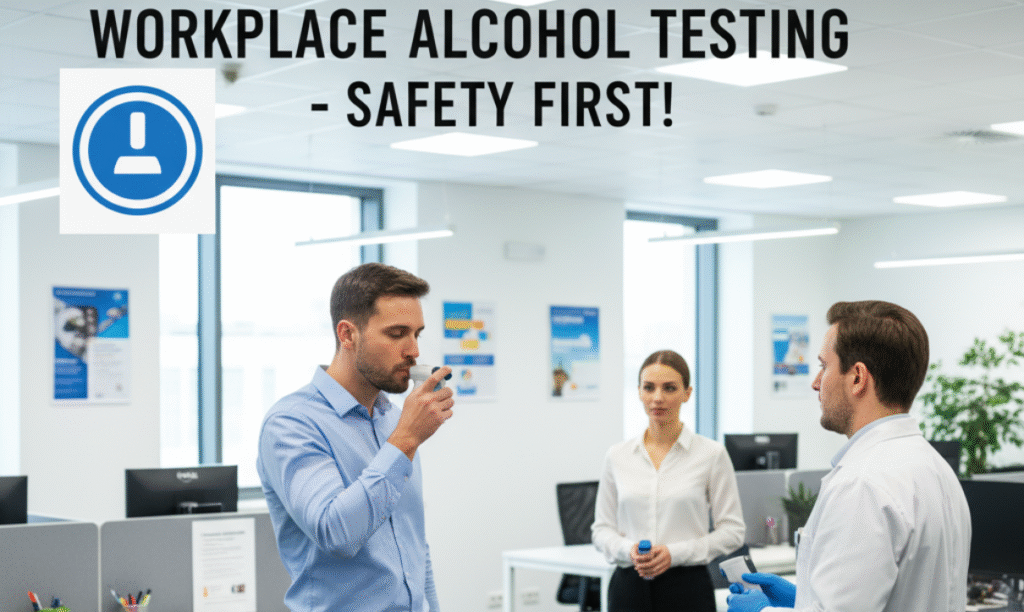
Corporate Drug Testing can be adapted to different organizational models. The most common types include pre-employment, post-incident, random, and periodic testing. Pre-employment screening keeps high-risk candidates out of sensitive job roles. Random testing discourages misuse among current employees by maintaining unpredictability. Post-incident testing investigates whether substances contributed to workplace mishaps.
Periodic tests uphold long-term accountability and reinforce transparency. Together, these programs ensure operational continuity and build a culture of shared responsibility. By covering multiple employee levels, companies reduce risk exposure and reinforce their reputation for world-class safety. Also read about Offshore Crew Testing: 7 Best Practices for Safer Seas.
Testing Methods and Procedures
High-accuracy technology underpins effective Corporate Drug Testing. Breathalyzer tests measure alcohol levels instantly, while urine analysis detects drug metabolites over multiple days. Saliva tests are non-invasive and efficient for on-site screening, whereas hair testing identifies long-term drug usage. Portable testing kits and cloud-connected results management systems simplify processes and reduce human errors.
In industries such as maritime and logistics, real-time digital reporting helps share data securely for compliance evaluations. The combination of speed, accuracy, and automation makes today’s testing procedures both practical and reliable, enabling organizations to maintain transparency without disrupting workflows.
Benefits of Drug Testing for Corporations
Corporate Drug Testing pays off in measurable ways. It lowers absenteeism, reduces health insurance claims, and minimizes the risk of costly accidents caused by impaired performance. Safety improvements also enhance productivity as teams work confidently, knowing colleagues are alert and dependable. Regular testing helps insurers view your company as a low-risk client, often leading to reduced premiums.
Over time, such programs build strong employer branding, making organizations more attractive to clients and skilled professionals alike. The ripple effect of safety, trust, and accountability strengthens both reputation and revenue. Also, know about Crew Alcohol Testing: 7 Vital Insights for Safer Seas.
Implementing an Ethical Testing Policy
Fairness defines successful Corporate Drug Testing. To avoid bias, organizations must create written policies that outline objectives, frequency, and procedural guidelines. Communicating policies through employee handbooks or induction programs ensures a clear understanding and compliance. Confidentiality is key—results should never be disclosed beyond authorized personnel.
Companies should also provide counseling or rehabilitation opportunities for staff identified with substance issues. Ethical administration humanizes the testing process. It shifts the focus from punishment to recovery, emphasizing mutual respect and support within the workplace culture. Read more about 7 Powerful Reasons Corporate Drug Testing Works.
Marine Supercargo Expands Services: Drug & Alcohol Testing for Safer Seas
Marine Supercargo, widely recognized for its marine cleaning expertise, has expanded its services to include professional Drug and Alcohol Testing programs. This initiative strengthens safety standards for ship owners, managers, and operators while ensuring IMO and MARPOL compliance. Offering both on-site and laboratory-based testing, Marine Supercargo supports clients in building responsible, impairment-free crews.
The program combines accuracy, confidentiality, and convenience, aligning with international maritime safety goals. By integrating Corporate Drug Testing into its portfolio, Marine Supercargo continues its mission to deliver comprehensive operational safety solutions tailored for the global shipping industry.
Overcoming Resistance Through Awareness
Introducing Corporate Drug Testing can face resistance if employees fear unfair treatment or job loss. Transparent education makes adoption easier. Training sessions explaining procedures, accuracy, and confidentiality foster acceptance. Employees must see testing as a protective measure rather than a threat.
Open communication channels, workshops, and anonymous Q&A platforms help clarify intent. Companies that educate rather than impose experience higher cooperation levels. Over time, awareness merges with acceptance, turning drug testing into a shared principle for safety and collective well-being, not just a corporate requirement. Read more about 5 Crucial Reasons Drug & Alcohol Testing Matters.
Technology Trends in Corporate Testing
Technology is revolutionizing Corporate Drug Testing. Artificial intelligence now supports predictive safety by analyzing behavioral data and fatigue indicators linked to impairment risk. Portable multi-analyte devices offer quick, non-invasive results, while encrypted reporting platforms enhance data security. Blockchain technology ensures test result transparency and prevents falsification.
Mobile app integrations allow HR departments to manage records efficiently, minimizing paperwork and delays. These innovations make testing more consistent, accessible, and secure, marking a new era of tech-driven employee safety where insight and innovation create safer, smarter workplaces.
“Marine cleaning, anytime. Anywhere. 🌊 #GlobalMarine”#shipping #maritime #ship #cruises #sealife #port #shipping #marine #captain #vessel #ships #cargo pic.twitter.com/GgKTqEMETK
— Marine Super Cargo (@Marinsupercargo) October 4, 2025
Training and Certification
Corporate Drug Testing is most effective when supporting staff are trained and certified. Supervisors must understand how to handle testing responsibly, recognize early signs of substance misuse, and manage sensitive conversations with tact. Regular training ensures compliance with guidelines set by organizations like IMCA.
Certification for safety officers or HR professionals ensures testing is executed correctly and lawfully. Ongoing refresher programs help maintain standards. A well-trained workforce doesn’t just ensure compliance; it creates safety leadership—an asset that strengthens corporate credibility. Also read about 7 Vital Reasons Alcohol Testing Saves Shipping Companies.
Documentation and Recordkeeping
Recordkeeping is central to Corporate Drug Testing compliance. Each test should include details such as date, type, results, and test administrator credentials. Secure record management prevents data breaches and ensures confidentiality. Digital systems streamline audits, storing test results in encrypted databases for easy retrieval.
Many corporations are adopting cloud-based compliance systems that offer real-time notifications for retesting schedules. Proper documentation simplifies insurance claims, regulatory inspections, and internal performance audits, reinforcing accountability at every organizational level. Data integrity is the backbone of effective safety management.
Conclusion
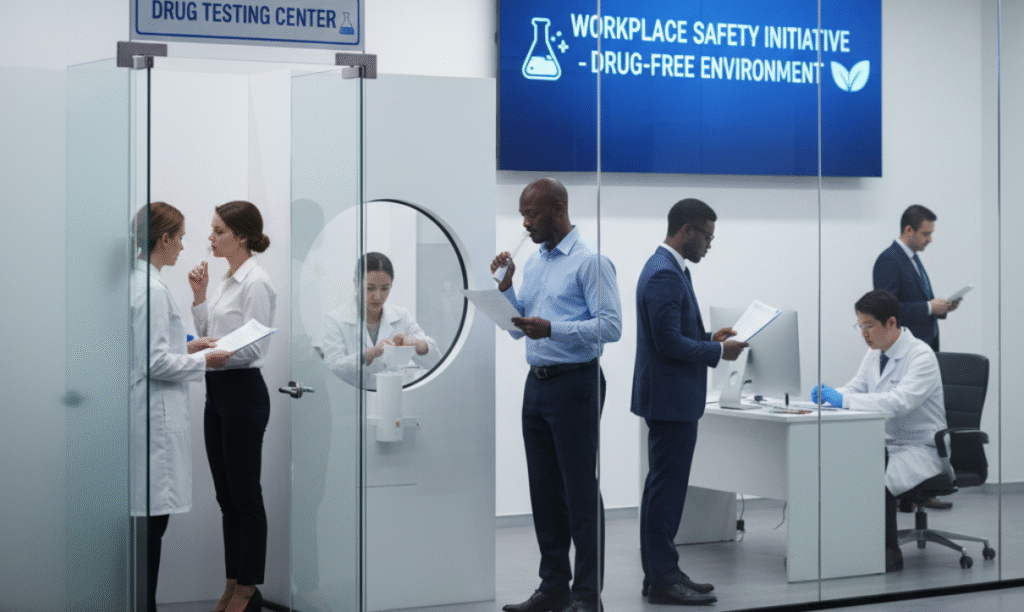
Corporate Drug Testing safeguards people, property, and performance. It transforms workplaces into secure, responsible environments that value prevention over crisis management. Regular testing prevents accidents, strengthens reputation, and ensures compliance with global safety frameworks. Ethical implementation, combined with technology and awareness, results in long-term productivity and trust.
For corporations aiming to set higher safety benchmarks, collaborating with dependable partners like CleanShip.co ensures professional standards and peace of mind. Drug testing isn’t just policy—it’s the foundation of a responsible, thriving corporate ecosystem.
FAQs:
Q1. Why should businesses adopt Corporate Drug Testing?
It minimizes safety risks, improves productivity, and ensures compliance with occupational health and global regulatory guidelines.
Q2. How is privacy ensured during testing?
Only authorized staff handle results using secure databases and encrypted software, ensuring confidentiality and fairness for all employees.
Q3. What are the main testing methods used?
Saliva, urine, breathalyzer, and hair analysis tests are common. Each detects substance use within different time frames for complete accuracy.
Q4. What is Marine Supercargo’s role in corporate testing?
Marine Supercargo delivers certified Drug & Alcohol Testing services to maintain regulatory compliance and enhance crew and workplace safety worldwide.
Q5. What are the emerging technologies in corporate testing?
AI-driven analytics, portable digital testing kits, and blockchain report management are revolutionizing modern Corporate Drug Testing procedures.