


How Clean Holds Improve Turnaround at Takoradi
Ghana stands out in West Africa for marine cleaning, much recognized to advanced foundation at ports like Takoradi and Tema. These work environments handle rising cargo volumes, with computerized stages cutting clearance times despite peak-season congestion. You advantage when ships arrive with clean holds, as Ghana Ports and Harbors Master, an IAPH World Ports parcel, executes strict rules that speed up inspections.
This master stems from proactive measures in 24-hour operations affected in 2025, organizing Takoradi as a center for bulk and fluid cargoes. Neighborhood organizations like tank cleaning back this, guaranteeing practical vessel readiness.
What Are Clean Holds?
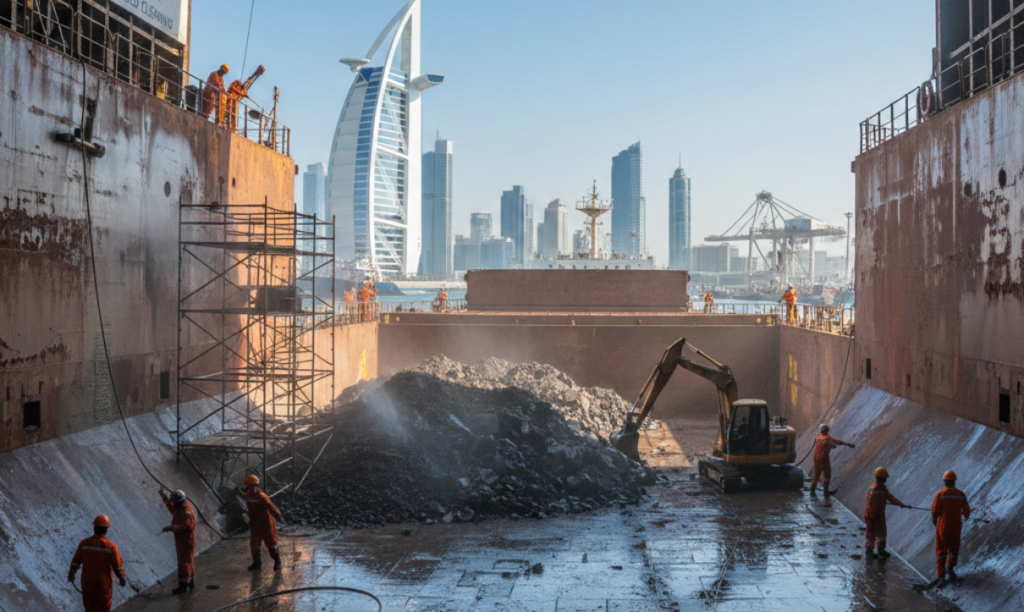
Clean holds hardhearted cargo spaces free of earlier buildups, cleared, washed, and flushed to meet shipment specs—like grain clean for foodstuffs. Think of it as prepping a kitchen after cooking curry a few time as of late arranging bread; it remains smash the other eats up. In bulk carriers, this anticipates defilement, a key reason clean holds progress turnaround at Takoradi by keeping up a key expulsion from rejections.
Standards modify: tabletop clean for easy-sweep cargoes, high-cube for sticky ones like bauxite. Appropriate cleaning covers charts, bilges, and tank tops, habitually beginning with clearing to ease washing.
Takoradi Port Operations Overview
Takoradi Harbor, administered by Ghana Ports and Harbors Authority, specializes in bulk commodities like bauxite and manganese, with developments boosting capacity. Turnaround time—from docking to sailing—averages predominantly with beneficial cleaning, as clog drops when holds pass considers fast. You see this in 2025’s 24-hour economy, centering on exchange growth.
The port’s fluid bulk terminal handles oils securely, where clean holds cut demurrage costs from delays. Compliance here is modified with around-the-world benchmarks, making it an outline for West Africa.
Link Between Clean Holds Improves Turnaround at Takoradi
Clean holds directly shorten port stays by passing inspections on the first try, often saving 24 hours or more. Dirty residues trigger recleans, idling ships amid high fees—up to thousands daily. At Takoradi, where cargo volumes rise, this efficiency lets you sail sooner, capitalizing on tight schedules.
Picture a bulk carrier: uncleared residues mean extra sweeps, bilge pumps clogged, and charterers unhappy. Clean holds streamline workflows, from discharge to load.
IMO and MARPOL Essentials
The Distant Oil Coming to Ocean Organization (IMO) builds up around the world rules through MARPOL Consolidated V, directing the discharge of waste and buildups. Waste water with non-harmful buildups can be released at sea under certain conditions, such as being kept from arriving, but dangerous ones are sent to work situations. This secures oceans in showing disdain toward the reality that engaging clean holds improvement turnaround at Takoradi through compliant ops.
IMCA Guidelines in Practice
IMCA gives bouncing and cleaning measures, ensuring a secure body and hold work. Their heading impacts audits, where you record strategies to ensure adherence.
MARPOL and IAPH Alignment
MARPOL Interface V bans HME buildup dumps; IAPH World Ports, checking Takoradi’s expert, pushes gathering work situations. Compliance maintains a strategic distance from fines and speeding approvals.
Safety Benefits of Clean Holds
Clean holds diminish slip perils from buildups, principal in Takoradi’s enthusiastic compartments. Bilges are free of buildup except for surges in the center of stacking, guarding the bunch. A whereas afterward industry improvements like unfaltering and alcohol testing, as seen with Marine Supercargo’s organizations, offer help to make strides in security and cleaning.
You mitigate risks by rinsing salt post-seawater wash, preserving coatings and fittings.
Environmental Protection Measures
Proper cleaning minimizes marine corruption, changing with IMO’s eco-focus—shipping is low-impact but must stay cautious. At Takoradi, washing water from working situations cuts runoff, securing Ghana’s coast.
Fewer chemicals through centered on clear reinforces common sense, like unused washes over full soaks.
Cost-Efficiency Gains
Clean holds cut demurrage—billed per hour idle—and cleaning costs by evading go over. A 24-hour stay at Takoradi results in colossal savings on fuel and costs. Proactive upkeep, as in Marine Supercargo’s around the world tank ops, optimizes this.
Hold Cleaning Procedures
Sweep to start with, at that point seawater wash, show day wash, dry. Consider tank tops, charts, and bilges.
For tanks, supercargoes orchestrate chemical choices for residues.
Tank and Hold Specifics
Bulk holds require grain cleaning; tanks switch through DPP to CPP shapes for versatility.
Documentation and Inspection Workflows
Log dates, techniques, and photos post-clean. Shipper considers certify course of activity. At Takoradi, progressed contraptions speed this, sketching out clean holds make strides toward turnaround.
Workflow:
Industry Practices: Marine Supercargo Example
Marine Supercargo handles tank and hold cleaning around the world, with master cargo supervision ensuring compliance. Their operations cover moving cargoes, as of late checking, and alcohol testing to ensure security. This reasonable back epitomizes benchmarks you can depend on in ports like Takoradi.
Future Trends in Marine Cleaning
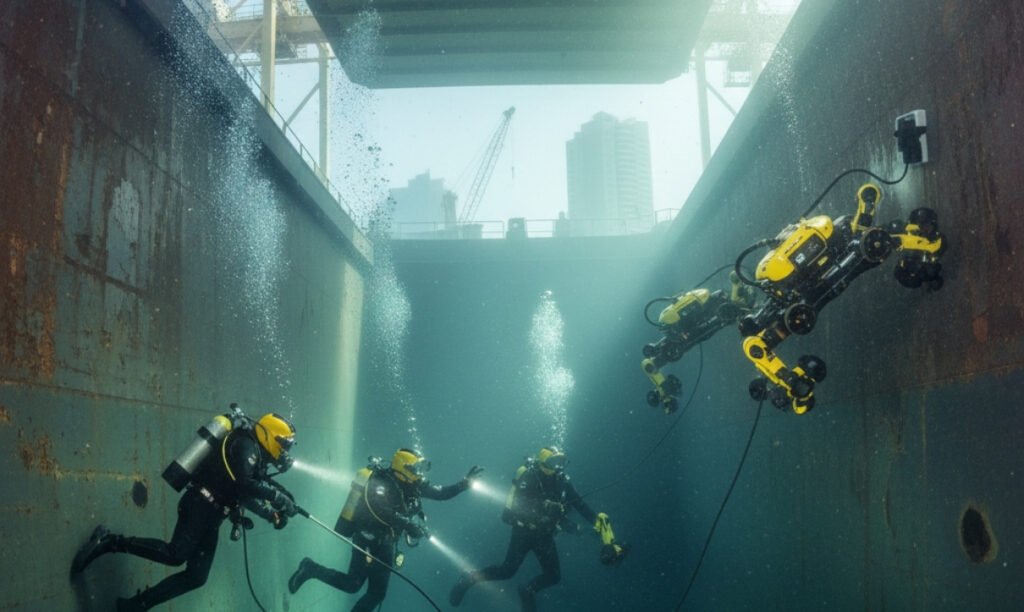
Robots cut hold cleaning time 50-75%, utilizing less water—ideal for brief voyages. Computerized diagrams through apps track buildups precisely.
Innovations like CleanShip.co’s riding squads clean at sea, arriving port-ready. Expect AI for the buildup survey, changing with IMO updates.
Conclusion: Why Clean Holds Improve Turnaround at Takoradi
Clean holds improve turnaround at Takoradi by engaging first-pass appraisals, speedier stacking supports, and diminished demurrage presentation. Ghana’s strong authoritative course of movement with IMO, MARPOL, IMCA, and IAPH standards—combined with 24-hour harbor operations—turns honest to goodness blue hold cleaning into a veritable commercial advantage. When vessels arrive inspection-ready, you guarantee plans, make strides in security, and control costs. Joining forces with experienced providers like Marine Supercargo ensures compliant cleaning, master supervision, and strong execution at Takoradi and beyond.
FAQs:
Q1. What makes hold cleaning essential for bulk carriers at Takoradi?
Hold cleaning evacuates buildups to keep up a key evacuation from contamination, ensuring cargoes like grain stack safely. At Takoradi, it follows underneath MARPOL, maintaining a strategic distance from delays from bilge clogs or chart buildup. Take after sweep-wash-rinse for grain clean standards.
Q2. How does tank cleaning move from hold cleaning?
Tank cleaning targets liquid buildups with chemicals, overseen by supercargoes for coating security. Holds centers on solids through water; both require documentation. Compliance cuts threats, as in around the world ops.
Q3. What are the IMCA and IMO rules for marine cleaning?
IMO’s MARPOL Interface V controls buildup discharge; IMCA guides secure procedures. No HME dumps at sea—use working situations. These ensure eco-protection, pressing at ports like Takoradi.
Q4. How to file cleaning for Takoradi inspections?
Record methodologies, times, photos, and chief officer notes. Abdicate to the shippers pre-arrival. Computerized logs align with Ghana’s 24-hour push, sketching out readiness.
Q5. What changes the speed of bulk carrier cleaning?
Robots parcel the time, and less water is utilized. At-sea squads like CleanShip.co prep holds pre-port. Future AI predicts needs, moving forward, and capability.