The Role of Alcohol Testing in Offshore Workplaces
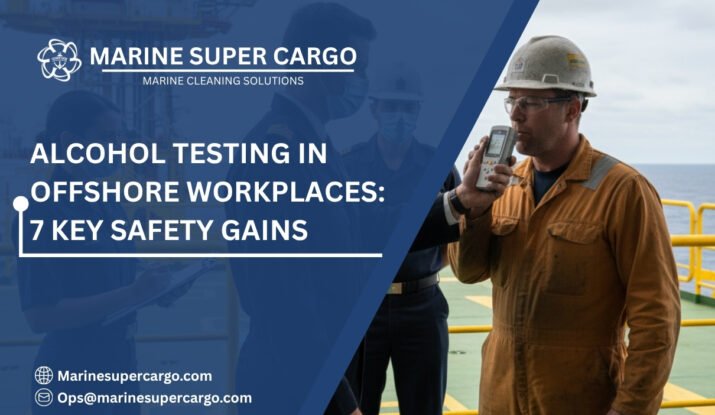
At sea or on offshore platforms, even a moment of clouded judgment can have disastrous consequences. Alcohol Testing in Offshore Workplaces ensures that every individual onboard remains alert, responsible, and capable of performing critical duties safely. The maritime and offshore sectors depend on precision and teamwork, where one impaired decision can cause accidents or environmental damage.
This guide explores how structured testing programs protect crews, boost compliance, and uphold global safety standards. As we dive in, you’ll see that testing is more than regulation—it’s the foundation of an efficient, safety-driven offshore culture that values accountability and human life above all.
Why Alcohol Testing in Offshore Workplaces Matters
Offshore operations rely on teamwork, trust, and attention to detail. Alcohol Testing in Offshore Workplaces eliminates one of the biggest threats—impaired performance. Alcohol affects coordination, communication, and decision-making, creating risks in machinery handling and navigation. Implementing testing policies ensures clear-headed operations and instills confidence in both crew and management.
Industry regulators like IMO and IMCA require compliance to maintain certifications and insurance validity. Beyond legal obligations, testing reduces accidents, downtime, and repair costs. It’s both a safety and business necessity that ensures every member is fit, accountable, and ready to handle offshore challenges responsibly.
The Framework Behind Offshore Alcohol Testing
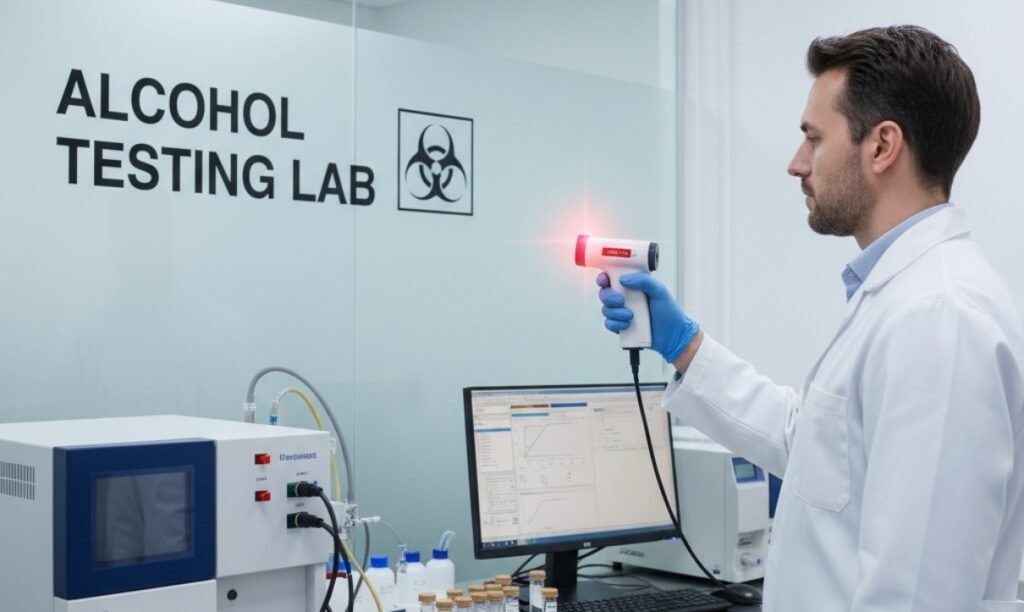
Every alcohol testing in offshore workplaces program operates under strict regulations. It involves a structured approach—pre-employment, random, and post-incident testing—guided by international standards like the MARPOL Convention. Certified professionals collect and analyze breath or saliva samples, ensuring privacy and accuracy through chain-of-custody documentation.
Employers must also maintain transparent policies, informing workers about procedures and consequences. This framework creates equality and fairness across multinational crews. Comprehensive records from testing cycles help demonstrate compliance during audits, ensuring ongoing eligibility to operate within global waters. Consistent, verified testing creates a preventive safety culture, not a punitive one.
Building a Culture of Responsibility and Trust
Trust isn’t built overnight, and offshore teams thrive when all members take responsibility for their actions. Alcohol Testing in Offshore Workplaces reinforces this culture by holding everyone to the same standard. When workers see management applying tests impartially, they develop respect for procedure and accountability.
Instead of creating tension, consistent enforcement actually fosters unity—a shared understanding that safety protects everyone. Crew members become proactive, supporting one another in remaining compliant. In the long run, routine testing helps eliminate stigma and fosters a workplace where reliability and professionalism define every operation offshore. Also read about Offshore Crew Testing: 7 Best Practices for Safer Seas.
Link Between Alcohol Testing and Fewer Accidents
Major offshore accidents often trace back to human error. Alcohol Testing in Offshore Workplaces minimizes that risk by removing impairment before it interferes with performance. Alcohol slows reaction time, distorts judgment, and affects balance—factors critical during emergencies or equipment operations.
By enforcing zero-tolerance testing policies, companies drastically reduce incidents, from oil spill mishandling to mechanical injuries. Studies consistently prove that workplaces with active testing programs see lower accident rates and fewer disciplinary actions. It’s a measurable investment in safety that translates into both operational stability and ethical leadership across global maritime industries.
“Marine cleaning, anytime. Anywhere. 🌊 #GlobalMarine”#shipping #maritime #ship #cruises #sealife #port #shipping #marine #captain #vessel #ships #cargo pic.twitter.com/GgKTqEMETK
— Marine Super Cargo (@Marinsupercargo) October 4, 2025
How Testing Influences Maritime Compliance Standards
Offshore platforms and vessels must comply with international laws such as the IMO’s STCW Code and regulations set by IMCA. Alcohol Testing in Offshore Workplaces directly supports these compliance goals by providing tangible evidence of adherence to maritime safety practices. Port authorities or flag states regularly check test logs during inspections.
Missing records or irregular testing can result in penalties or port detention. By embedding alcohol testing into their safety management systems, operators meet both legal and moral obligations. Complying with these standards not only protects crews but also enhances a company’s global reputation and client confidence. Also, know about Crew Alcohol Testing: 7 Vital Insights for Safer Seas.
Marine Supercargo Expands Services: Drug & Alcohol Testing for Safer Seas
Marine Supercargo, known for its international marine cleaning platform and compliance expertise, now offers specialized drug & alcohol testing services. This expansion complements existing safety and environmental operations by supporting Alcohol Testing in Offshore Workplaces worldwide. The company employs certified inspectors and state-of-the-art testing systems for precise, confidential results.
These services help ship owners, operators, and managers maintain compliance with regulatory mandates while protecting crew welfare. By combining cleaning, inspection, and testing, Marine Supercargo contributes to safer, more efficient oceans. This move underscores the growing importance of holistic solutions in maritime safety and environmental protection. Read more about 7 Powerful Reasons Corporate Drug Testing Works.
Economic and Environmental Impact of Testing
Beyond safety, Alcohol Testing in Offshore Workplaces offers tangible economic and environmental gains. A sober, focused crew reduces accident-related downtime, insurance claims, and maintenance expenses. Machinery is handled correctly, lowering fuel waste and emissions. Avoiding spills or accidents also prevents ecological harm and reputational loss.
From an operational view, preventive testing minimizes disruptions, maintaining continuous production on rigs or vessels. It’s a cost-effective safety investment with high long-term returns. By ensuring everyone on board is performing at their best, alcohol testing supports cleaner seas, sustainable operations, and efficient use of manpower and resources. Read more about 5 Crucial Reasons Drug & Alcohol Testing Matters.
Crew Education and Awareness Programs
For testing programs to succeed, education must back enforcement. Alcohol Testing in Offshore Workplaces should be paired with awareness workshops to explain why compliance matters. When the crew understands the scientific effects of alcohol on coordination and reaction times, resistance decreases.
Training sessions can include roleplay scenarios, discussions on real-life accidents, and guidelines for responsible behavior during off-duty hours. Encouraging open communication reduces stigma and motivates voluntary compliance. Knowledge, transparency, and empathy transform mandatory testing into a collaborative effort—a united push toward maintaining discipline, safety, and trust in every offshore setting.
Emerging Technologies in Offshore Testing
With new technology, Alcohol Testing in Offshore Workplaces is shifting from manual to digital monitoring. Portable breath analyzers, biometric data tracking, and AI-based alert systems now allow real-time detection and automated reporting. Blockchain technology ensures tamper-proof storage of testing results, while remote verifications make compliance easier on distant rigs.
In the near future, wearable devices could continuously monitor alertness levels without invasive procedures. These innovations not only enhance efficiency but also foster predictive safety—detecting patterns before impairment becomes a hazard. Technology is making safety both more accessible and more accurate in modern offshore operations. Also read about 7 Vital Reasons Alcohol Testing Saves Shipping Companies.
Overcoming Challenges to Implementation
Introducing Alcohol Testing in Offshore Workplaces may face initial pushback due to privacy concerns or cultural differences in multinational teams. The solution lies in communication and consistency. Clear policies explaining confidentiality and fair practices help gain worker trust. Management should emphasize that testing protects—not punishes—crew members.
Providing counseling and rehabilitation options also shows support for personal health. When handled sensitively, testing becomes part of normal operations. Over time, crews adapt, discipline solidifies, and trust deepens. Successful implementation transforms what was once resistance into a strong, collective commitment to offshore safety and professionalism.

Conclusion
Alcohol Testing in Offshore Workplaces safeguards lives, protects assets, and strengthens corporate integrity. Key takeaways: first, consistent testing builds trust and prevents accidents. Second, compliance aligns operations with global maritime standards. Third, technology promises faster, more accurate monitoring in the future.
A disciplined, sober crew ensures success at every level of operation. Maintain your organization’s edge and commitment to safety by partnering with trusted compliance experts—visit CleanShip.co to enhance your offshore testing and safety management strategies today.
FAQs:
Q1. Why is alcohol testing vital offshore?
It prevents impaired performance, ensuring safety in environments where quick and accurate decisions are crucial during high-risk operations.
Q2. How often is alcohol testing conducted?
Routine, random, and pre-deployment tests occur as per company policy and international maritime compliance requirements to prevent accidents.
Q3. Who oversees offshore alcohol testing regulations?
Regulations are primarily enforced by the International Maritime Organization and supported by organizations like IMCA and IAPH globally.
Q4. What challenges exist in offshore testing programs?
Challenges include crew resistance, privacy misunderstandings, and logistical difficulties, which are overcome through transparency and communication.
Q5. How does testing benefit companies financially?
By reducing incident costs, avoiding fines, and lowering insurance premiums, testing preserves company resources while ensuring continuous productivity.