Why Hold Cleaning Methods in Fujairah
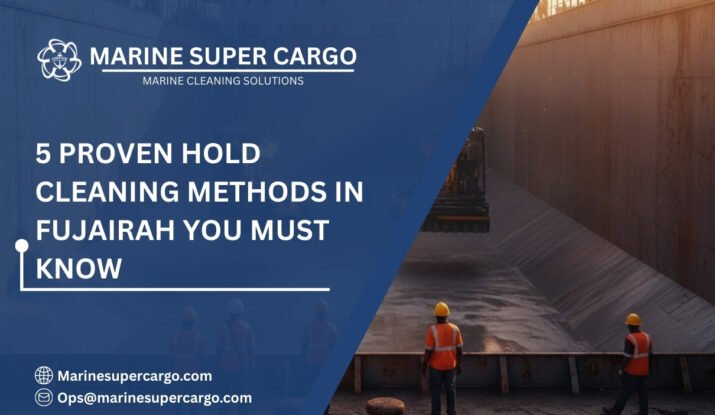
Hold cleaning methods in Fujairah play a vital role in protecting cargo quality, meeting international regulations, and ensuring vessel safety. Located on key global trade routes, Fujairah serves high volumes of bulk carriers, where improper hold preparation can cause cargo contamination, rejection, or costly port delays.
By selecting the correct cleaning method—whether for coal-to-urea changeovers or grain cargoes—operators reduce operational risks and turnaround time. Effective hold cleaning methods in Fujairah also support compliance with IMO and MARPOL standards, helping shipowners safeguard profits, reputation, and voyage efficiency.
The 5 Main Hold Cleaning Methods in Fujairah
1. Shovel Clean
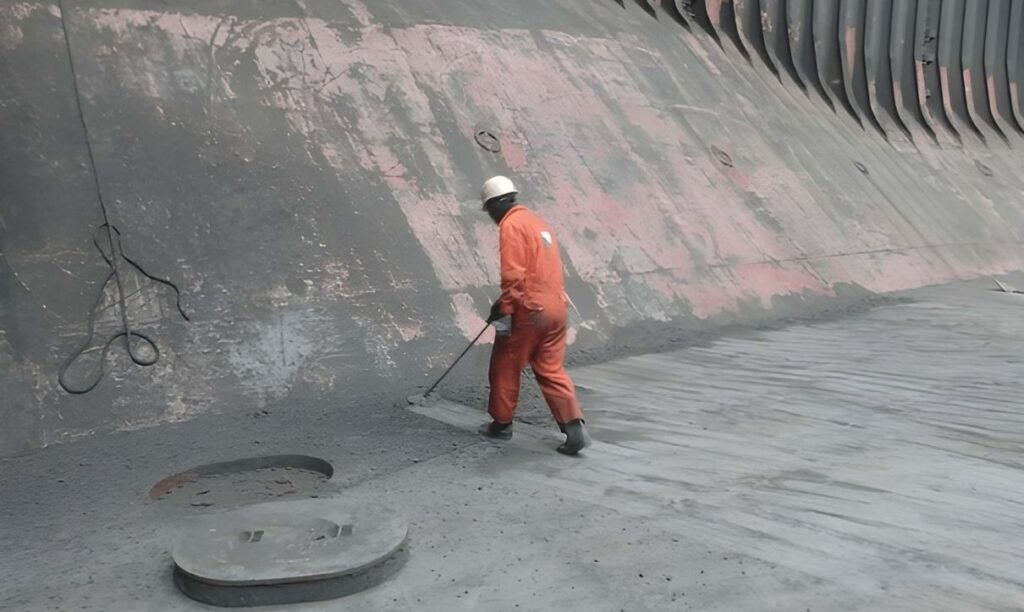
Shovel cleaning is the most basic method, where crews manually remove cargo residues using shovels and brooms. This is often used for non-sensitive cargoes and when time or resources are limited. While cost-effective, it’s less thorough and may not meet the standards for high-value or sensitive cargo.
2. Load on Top
This method involves loading new cargo directly on top of old residue. It’s only suitable for compatible cargoes and is rarely used for regulated bulk shipments due to contamination risks.
3. Normal Clean
Normal cleaning means sweeping and washing down the hold to remove visible residues. This is the standard for most bulk cargoes and is widely accepted for general trade.
4. Grain Clean
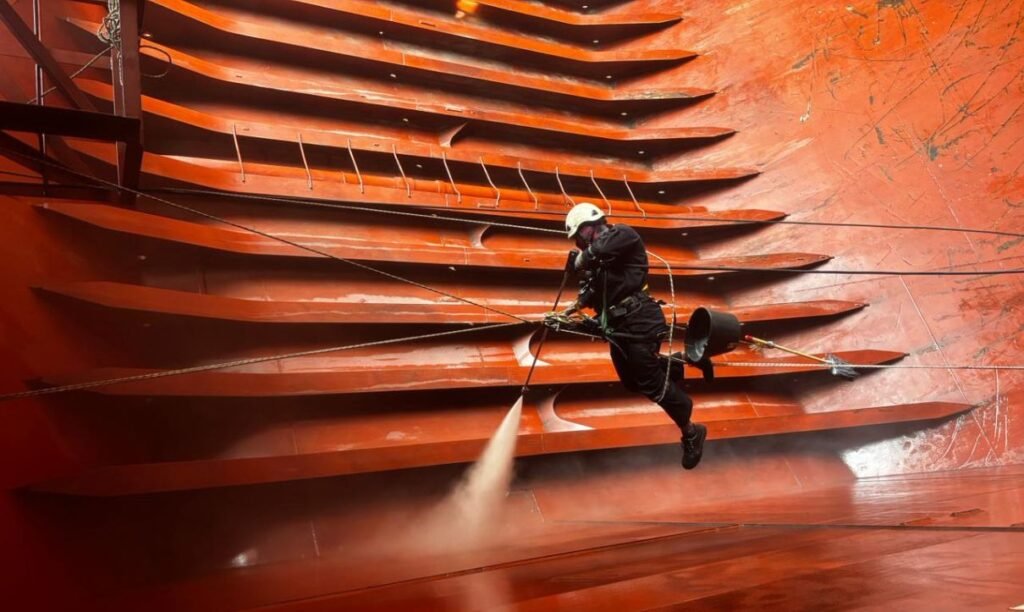
Grain clean is a higher standard, requiring high-pressure washing and chemical treatment to ensure no residues remain. This is essential for food-grade cargoes like grains, soya, and fertilizers. The process often includes drying and ventilation to prevent moisture issues.
5. Hospital Clean
Hospital cleanliness is the strictest standard, demanding 100% intact paint coatings and zero residues. This is required for sensitive cargoes like kaolin and certain chemicals. It’s labor-intensive but necessary to avoid cargo rejection or regulatory fines.
Chemical vs. Manual Hold Cleaning Methods in Fujairah: Pros and Cons
Chemical Cleaning
Chemical cleaning uses specialized solutions to break down stubborn residues. Fujairah Chemical, for example, offers eco-friendly barrier coatings that protect hold surfaces from corrosion and contamination. Benefits include faster cleaning, better residue removal, and protection against future corrosion. However, chemicals must be handled carefully to avoid environmental harm and crew exposure.
Manual Cleaning
Manual cleaning relies on human labor and basic tools. It’s flexible and doesn’t require special chemicals, but it’s time-consuming and may not be as thorough. Manual cleaning is often used when chemical solutions aren’t available or when regulations restrict chemical use.
Regulatory Compliance: IMO, MARPOL, IMCA, and IAPH
Fujairah’s hold cleaning practices must comply with international standards set by IMO, MARPOL, IMCA, and IAPH World Ports. These organizations regulate everything from cleaning standards to environmental protection and crew safety.
- IMO and MARPOL set rules for preventing pollution and ensuring safe cargo handling.
- IMCA provides guidelines for crew safety and operational best practices.
- IAPH World Ports monitors port operations and compliance with global standards.
Failure to comply can result in fines, cargo rejection, or even port bans. That’s why Fujairah cleaning crews must be trained and certified in these regulations.
Cost-Saving Tips for Hold Cleaning Methods in Fujairah
- Plan cleaning during discharge to save time.
- Use the right method for your cargo to avoid unnecessary expenses.
- Invest in high-quality equipment and training to reduce rework and delays.
- Regularly inspect and maintain hold surfaces to prevent costly repairs.
Safety and Environmental Considerations
Hold cleaning methods in Fujairah require strict attention to crew safety and environmental protection. Hold cleaning exposes crews to confined spaces, residues, and chemicals, making proper ventilation, certified PPE, and controlled chemical handling essential.
At the same time, ports in Fujairah enforce environmental safeguards to prevent washwater discharge, residue runoff, and marine pollution. By applying approved hold cleaning methods in Fujairah, operators reduce accident risks, protect local ecosystems, and stay compliant with IMO and MARPOL regulations.
Safe, eco-conscious cleaning practices ultimately ensure smoother inspections, fewer delays, and sustainable port operations. Learn more about the Top 7 Benefits of Underwater Ship Hull Cleaning in the UAE.
Innovations and Future Trends
The future of Hold cleaning methods in Fujairah includes:
- Automated cleaning robots for hard-to-reach areas.
- Eco-friendly cleaning solutions that reduce environmental impact.
- Digital documentation for compliance and audit trails.
Marine Supercargo: Your Partner for Compliance and Safety
Marine Supercargo offers global tank and hold cleaning services, expert cargo supervision, and compliance support. Recently, they’ve added professional drug and alcohol testing services to enhance crew safety and ensure regulatory compliance. Their team helps navigate complex documentation, safety protocols, and environmental regulations, making them a trusted partner for Fujairah’s maritime industry.
Conclusion
Hold cleaning methods in Fujairah are a critical operational requirement, not just a routine task. With the port’s strategic role in global bulk shipping, selecting the right cleaning method has a direct impact on cargo acceptance, compliance, safety, and overall voyage efficiency. From basic shovel cleaning to hospital-clean standards, each method serves a specific purpose and cargo type.
Strict adherence to IMO, MARPOL, IMCA, and IAPH regulations is essential to avoid delays, penalties, and reputational damage. By adopting safe, cost-effective, and environmentally responsible practices—and partnering with experts like Marine Supercargo—ship operators can ensure smooth operations, regulatory compliance, and long-term vessel performance in Fujairah.
FAQs:
Q1. What are hold cleaning methods in Fujairah?
Cleaning methods in Fujairah involve preparing cargo holds for new shipments by removing residues and meeting international standards. It ensures cargo safety and regulatory compliance.
Q2. How does tank cleaning differ from hold cleaning?
Tank cleaning is for liquid cargoes and uses specialized equipment to remove chemical residues. Hold cleaning is for bulk cargoes and focuses on physical and chemical residue removal.
Q3. What are the main bulk cargo cleaning standards?
The main standards are Shovel Clean, Normal Clean, Grain Clean, and Hospital Clean. Each has specific requirements based on cargo type and regulatory guidelines.
Q4. Why is compliance important in Fujairah?
Compliance ensures cargo quality, prevents environmental harm, and avoids costly fines or port bans. Fujairah’s cleaning services must follow IMO, MARPOL, IMCA, and IAPH standards.