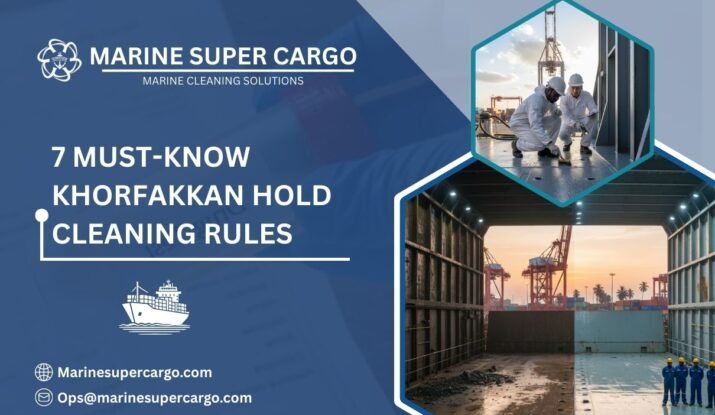
Khorfakkan Maritime Authority Rules for Hold Cleaning
Imagine your ship’s cargo hold as a kitchen after a big meal—leftovers can ruin the next dish. In Khorfakkan, the UAE’s rugged port on the Gulf of Oman, cleaning these holds isn’t just about tidiness.
It’s a strict game of rules, enforced by the Khorfakkan Maritime Authority. If you ignore Khorfakkan Hold Cleaning Rules, you risk delays, fines, or even being barred from port. Let’s walk through the essentials, so your vessel sails smoothly through inspections and regulations.
Khorfakkan Port: Where Rules Matter
Khorfakkan is a lifeline for bulk carriers and tankers, handling everything from cement to chemicals. The port’s authority enforces rigorous standards, especially for hold cleaning. These rules aren’t just local quirks—they’re aligned with global benchmarks like IMO, IMCA, MARPOL, and IAPH World Ports. If you’re docking here, compliance isn’t optional.
What Are the Khorfakkan Hold Cleaning Rules?
Khorfakkan Hold Cleaning Rules cover every step of the cleaning process: from pre-cleaning checks to final inspections. The authority mandates that holds must be free of previous cargo residues, with zero contamination risk. You’ll need documentation proving every action, from chemical use to waste disposal.
- Pre-cleaning inspection: Visual and gas checks.
- Cleaning method: High-pressure water, vacuums, or manual scrubbing.
- Post-cleaning verification: Lab tests and photos.
Break these rules, and you could face $10,000+ fines or vessel detention.

Regulatory Compliance: Why It’s Non-Negotiable
Khorfakkan Hold Cleaning Rules reflect international standards. IMO’s guidelines demand that holds be spotless to prevent pollution. MARPOL Annex V bans dumping waste at sea, so all cleaning runoff must be captured and treated. IMCA provides safety protocols for confined space entry, while IAPH World Ports pushes for sustainable practices.
Non-compliance? Fines, legal trouble, or worse—your cargo gets rejected. For example, a 2023 incident saw a vessel fined $50,000 for improper hold cleaning.
Safety Protocols for Crew and Vessels
Hold cleaning is hazardous—think confined spaces, toxic fumes, and slippery surfaces. Khorfakkan Hold Cleaning Rules require strict safety measures: gas detectors, harnesses, and PPE. Teams must be trained per OSHA-equivalent standards, with emergency plans in place.
Real-world example: In 2024, a crewman was rescued from a hold after gas monitors alerted to low oxygen. Proper protocols saved his life.
Environmental Protection: Cleaning Without Harming Nature
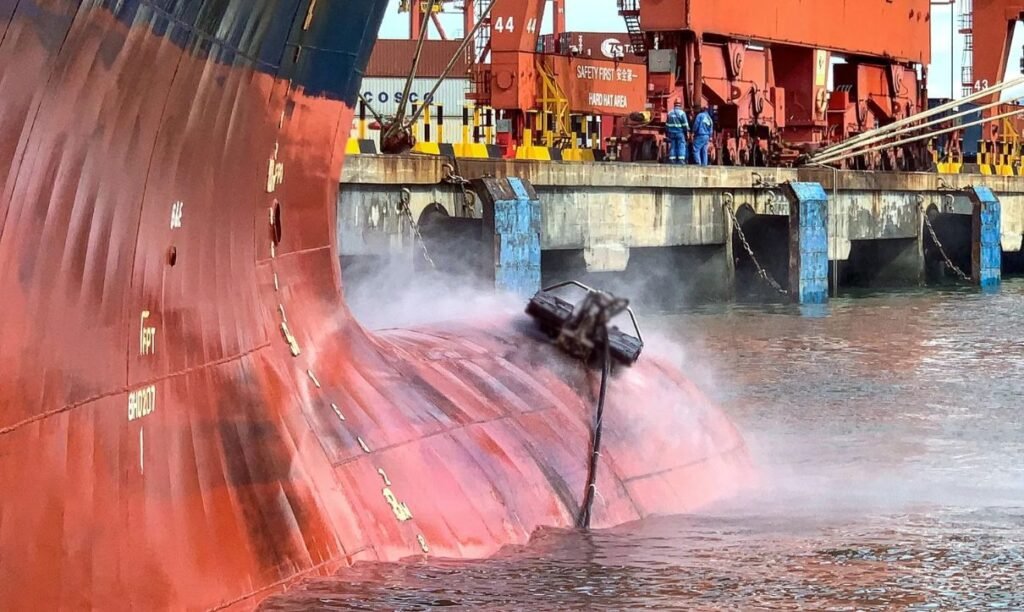
Khorfakkan’s rules prioritize eco-friendly cleaning. You can’t just hose waste into the sea. Instead, runoff is captured in silt traps and treated before discharge. Biodegradable detergents replace harsh chemicals, cutting pollution by 70%.
Analogy: It’s like washing your car at home with a bucket, not a hose—CleanShip.co advocates this, showing how ports reduce BOD levels in wastewater.
“Marine cleaning, anytime. Anywhere. 🌊 #GlobalMarine”#shipping #maritime #ship #cruises #sealife #port #shipping #marine #captain #vessel #ships #cargo pic.twitter.com/GgKTqEMETK
— Marine Super Cargo (@Marinsupercargo) October 4, 2025
Cost-Saving Benefits of Compliance
Ignoring Khorfakkan Hold Cleaning Rules is expensive. Dirty holds mean rejected cargo, surveys costing $5,000+, and off-hire days at $20,000 daily. Compliance saves you money by preventing these losses.
Break it down:
- Preventive cleaning: $10,000 vs. $100,000 loss.
- Bulk deals: Multi-hold contracts drop rates by 20%.
- Efficiency: Automated jets halve labor time.
Operators report ROI in one voyage.
Innovations Shaping Future Compliance
Drones now inspect holds, spotting residues humans miss. Robotic scrubbers, like those trialed by IMCA members, promise 50% faster cleans. In Khorfakkan, AI-driven monitoring predicts cleaning needs based on cargo history.
Future trend: Bio-enzymes dissolve residues without water, per CleanShip.co pilots. You stay ahead, compliant, and efficient.
Bulk Carriers and Specialized Hold Needs
Bulk carriers haul 90% of global dry cargo—coal leaves dust, iron ore sticks like glue. Khorfakkan Hold Cleaning Rules demand stone ejectors and air movers for these beasts. Hopper holds need angled jets to reach corners.
Example: Post-mineral load, vacuum systems remove 99% fines, readying for grain.
Tank Cleaning: Beyond Holds in Khorfakkan
Thanks for the chemicals or oil demand precision—crude residues ignite easily. Khorfakkan’s rules require pigging (inline scrapers) and ultrasonic tech. Yards handle IMO Type 2/3 tanks seamlessly.
Expert eyes catch issues pre-loading. Supervision ensures cleanliness certificates match specs, avoiding disputes. It’s your insurance against “off-spec” claims.
Drug & Alcohol Testing: Enhancing Crew Safety
Recently, providers like Marine Supercargo expanded to drug and alcohol testing, aligning with OCIMF standards. Random tests detect impairment, reducing accidents by 25%. In Khorfakkan, mobile units test during cleaning, bolstering compliance.
Marine Supercargo offers global tank and hold cleaning, cargo supervision, and now these tests for crew safety. Tight schedules clash with thorough cleans; weather delays inspections. Solution? Modular equipment deploys fast. Khorfakkan is mitigated with sheltered bays.
Case Study: A Successful Khorfakkan Cleanup
A Panamax bulker arrived with fertilizer residue. Khorfakkan Hold Cleaning Rules were followed: butterworth-ed holds in 36 hours, lab-tested clean, and reloaded grain—saving $150,000. Charterer praised the seamless handoff.
Teams hold IMCA dive certs and NEBOSH safety quals. You get verifiable logs for audits.
Conclusion
Khorfakkan’s hold cleaning rules set a gold standard, blending compliance, safety, and innovation. Three key takeaways: First, strict adherence to Khorfakkan Hold Cleaning Rules prevents costly fines and delays. Second, eco-friendly methods and cost-saving strategies protect your bottom line and the environment.
Third, emerging tech and expert supervision future-proof your operations. For unmatched compliance and maritime excellence, partner with Marine Supercargo—their global tank/hold cleaning, supervision, and drug testing ensure your voyages succeed. Contact them today to elevate your standards.
FAQs:
Q1. What are the Khorfakkan Hold Cleaning Rules?
Khorfakkan Hold Cleaning Rules are strict guidelines set by the Khorfakkan Maritime Authority for cleaning ship holds. They require thorough removal of cargo residues, proper documentation, and adherence to safety and environmental standards. These rules help prevent contamination, fines, and operational delays, ensuring your vessel complies with international regulations.
Q2. How do tank cleaning services differ from hold cleaning in Khorfakkan?
Tank cleaning services in Khorfakkan focus on removing liquid residues from chemical or oil tanks using solvents and pigging, while hold cleaning targets dry bulk like grain or minerals. Both follow Khorfakkan Hold Cleaning Rules, but tank cleaning demands higher precision due to fire risks and stricter MARPOL requirements.
Q3. What safety measures are required for bulk carrier cleaning?
Bulk carrier cleaning in Khorfakkan requires confined space entry protocols, including gas detection, harnesses, and ventilation. Teams must be trained per OSHA-equivalent standards, with emergency plans in place. Khorfakkan Hold Cleaning Rules also mandate regular drug and alcohol testing to ensure crew reliability and reduce accident risks.
Q4. Why is compliance with Khorfakkan Hold Cleaning Rules important?
Compliance prevents fines, cargo rejection, and vessel detention. It ensures safety, environmental protection, and smooth operations. Following these rules helps you avoid costly delays, legal issues, and reputational damage, making your voyages efficient and secure.
Q5. What innovations are improving hold cleaning in Khorfakkan?
Drones for inspections, robotic scrubbers, and bio-enzymes are transforming hold cleaning in Khorfakkan. These innovations reduce water use by 50%, speed up cleaning, and minimize environmental impact. Khorfakkan leads adoption, per CleanShip.co trends, for faster, greener results.