

Underwater Hull Cleaning in Birmingham: The Deep Dive Advantage
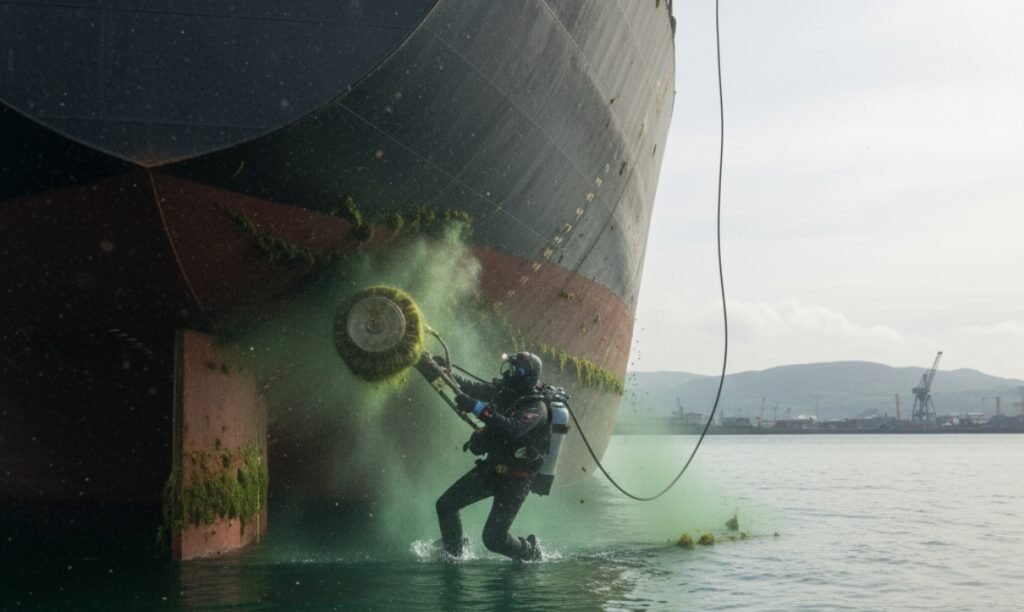
Imagine your ship’s hull as a suit of armor. Over time, underwater organisms, barnacles, and algae form a stubborn layer that dulls that armor. Underwater hull cleaning in Birmingham strips away these marine intruders, restoring performance. A fouled hull increases drag, stressing engines and reducing both speed and maneuverability.
Regularly scheduled hull cleaning helps vessels stay in top fighting shape, ensures smoother operations, and meets strict international standards. For every operator, underwater hull cleaning in Birmingham is a must for safe, reliable journeys.
Benefits of Regular Hull Cleaning – Fuel Efficiency, Speed, Reduced Maintenance
Let’s compare an overgrown hull to running through thick mud versus gliding on polished floors. When fouling clings to a vessel’s hull, fuel consumption rises as engines work harder against resistance. Underwater hull cleaning in Birmingham dramatically cuts fuel costs while restoring the ship’s natural speed. With cleaner hulls, onboard machinery faces less strain, decreasing the likelihood of unscheduled breakdowns and repairs. Over a year, this practice translates into major operational savings and a happier bottom line.
Environmental Advantages of Eco-Friendly Cleaning – MARPOL and Local Compliance
Traditional hull-cleaning once risked stirring up pollutants and damaging sensitive marine life. Now, underwater hull cleaning in Birmingham relies on MARPOL-compliant, eco-friendly systems. Specialized filtration and water-reclamation technologies prevent the release of invasive species and toxic debris. These smart cleaning protocols, guided by IMO rules, ensure that ships remain “good neighbors,” protecting rivers and estuaries. Local port authorities and IAPH World Ports increasingly demand these sustainable solutions, and adopting them means safer seas for everyone.
Cost Savings Through Hull Cleaning – Reduced Fuel and Dry-Docking Costs
Think of underwater hull cleaning in Birmingham as an investment that pays back in surprise-free voyages. Removing fouling can increase fuel efficiency by up to 10 percent, slashing annual fuel bills. Clean hulls extend the life of expensive anti-fouling coatings and limit the need for costly dry-docking or urgent repairs. Shipowners and managers who schedule regular cleaning reap consistent financial rewards, reduce unexpected maintenance, and maximize their vessel’s uptime.
Hull Biofouling Prevention Techniques – Anti-Fouling Coatings and Best Practices
Prevention is better than cure, especially for ship hulls. Biofouling—nature’s relentless cling—can be kept at bay with modern anti-fouling coatings. These special paints release compounds that deter marine growth or create slippery surfaces that organisms can’t grip. Underwater hull cleaning in Birmingham teams also use proactive hull grooming—light, regular maintenance sweeps. Combining smart coatings with scheduled cleaning routines builds a robust defense against biofouling’s persistent invasion.
Robotic Hull Cleaning Innovations – Using ROVs and Automated Cleaning Systems
Robots aren’t just for science fiction—they patrol ship hulls too. Underwater hull cleaning in Birmingham increasingly employs ROVs (Remotely Operated Vehicles) and driverless scrubbers equipped with cameras and water jets. These robots deliver detailed, uniform cleaning while collecting residues for safe disposal. By reducing diver workload and risk, robotic hull cleaning enhances precision, speed, and compliance. As these innovations expand, expect even smarter, autonomous cleaning missions in local ports.
Manual vs Mechanical Cleaning – Pros, Cons, and Safety Considerations
Manual hull cleaning is hands-on and versatile, handling tricky corners or delicate coatings with care. However, it’s labor-intensive, risky, and slower than machine-driven options. In contrast, mechanical cleaners—powered by hydraulics or electric motors—offer speed and uniformity but may struggle with complex hull shapes. Underwater hull cleaning in Birmingham blends both, using skilled divers for touch-ups and robots for large-scale jobs. Every operation prioritizes safety, with rigorous crew training and IMCA-aligned safety protocols.
Inspection and Maintenance Integration – Combining Cleaning with Surveys
Why not tackle two tasks at once? Underwater hull cleaning in Birmingham often pairs cleaning efforts with in-depth hull and propeller inspections. Cleaned hulls reveal potential dents, cracks, and coating failures that might hide under marine growth. This dual approach streamlines compliance checks, reduces ship downtime, and ensures maintenance is proactive—not reactive. Survey data support flag documentation and maritime audits, reinforcing that every operation is both a service and an opportunity for preventive care.
Underwater Hull Cleaning Regulations – IMO, MARPOL, and Local Port Rules
Hull cleaning can’t be done just anywhere, anyhow. IMO and MARPOL regulate waste management, cleaning techniques, and effluent control to protect marine ecosystems. Local Birmingham port guidelines may dictate cleaning areas, approved systems, and required documentation. All underwater hull cleaning in Birmingham must follow these layered rules to avoid fines, delays, or even detention. Staying up-to-date with ever-evolving regulations is vital for compliant, hassle-free shipping operations.
“Marine cleaning, anytime. Anywhere. 🌊 #GlobalMarine”#shipping #maritime #ship #cruises #sealife #port #shipping #marine #captain #vessel #ships #cargo pic.twitter.com/GgKTqEMETK
— Marine Super Cargo (@Marinsupercargo) October 4, 2025
Crew Safety During Cleaning Operations – Diver Protocols and Risk Management
Diving beneath a ship’s hull is no small feat. Crew safety is paramount during underwater hull cleaning in Birmingham. Operations include detailed risk assessments, lockout/tagout procedures to prevent unexpected machinery movement, real-time communications, and emergency rescue readiness. Dive teams are trained in IMCA’s global standards and undergo regular drug and alcohol checks to ensure peak performance. This vigilant safety culture keeps both crew and vessel secure throughout every cleaning mission.
Hull Cleaning in Cold vs Warm Waters – Regional Differences and Challenges
Not all marine environments are created equal. In cold waters, biofouling grows slowly but can be denser and harder to remove. Warm or nutrient-rich waters encourage rapid, slimy buildup. Underwater hull cleaning in Birmingham adapts to local river and estuary conditions with tailored cleaning frequencies, equipment choices, and safety procedures. Working with regionally experienced teams ensures every vessel meets the challenge—no matter the conditions.
Technology in Hull Cleaning – Sensors, AI, and Real-Time Monitoring
Picture a “smart hull” that tells you when and where cleaning is needed. Modern underwater hull cleaning in Birmingham uses a network of sensors, remote cameras, and AI-powered analytics. These technologies monitor fouling buildup, track cleaning performance, and even predict the next cleaning cycle. Real-time data dashboards simplify crew decisions. With digital transformation, shipowners can optimize schedules, minimize costs, and improve environmental outcomes with every maintenance round.
Documentation and Compliance Support – Linking Cleaning with Flag Documentation
Maritime compliance is built on detailed records. Every underwater hull cleaning in Birmingham is logged, including date, location, method, and findings. CleanShip.co and IAPH World Ports encourage digital documentation for easy audits, inspections, and insurance claims.
Linking cleaning to flag documentation not only proves regulatory adherence but also enhances vessel transparency. Proper paperwork means fewer disputes, smoother port calls, and less administrative stress for ship managers.
Fuel Efficiency Case Studies – Real-World Examples of Savings Post-Cleaning
Incredible stories emerge when science meets routine. After comprehensive underwater hull cleaning in Birmingham, one river barge reported a 12% drop in fuel consumption and faster journey times. Another vessel shaved days off its typical trip, avoiding overtime costs. Maritime case studies worldwide, referenced by IMO and CleanShip.co, show these gains are not outliers—they’re achievable, repeatable outcomes, delivering both environmental and financial returns for fleet operators.
Future Trends in Hull Cleaning – Smart Cleaning, Eco-Innovation, and Predictive Maintenance
Looking ahead, underwater hull cleaning in Birmingham is set to become even smarter and greener. Predictive maintenance—powered by AI—will warn you before fouling hinders your voyage. Advanced nano-coatings could repel biofouling more effectively, while robots may handle complex hull geometries autonomously. Innovations in digital flag documentation and real-time compliance tracking are streamlining every stage of maritime operations, promising an era of safer, more sustainable fleet management.
Marine Supercargo: Global Underwater Cleaning, Supervision, and Compliance
Marine Supercargo is reshaping the global maritime landscape, offering underwater hull, tank, and hold cleaning—ensuring cleanliness far below the waterline. Its worldwide teams manage intricate cargo operations, verify load plans, and provide documentation for full IMO and MARPOL conformity. Recently, Marine Supercargo has implemented drug and alcohol testing for all crew involved, reinforcing safety protocols and regulatory compliance.

Conclusion: The Value of Clean Hulls in Birmingham
Underwater hull cleaning in Birmingham is more than a service—it’s a partnership for safer, more efficient voyages. You gain reliable fuel savings, pass critical inspections, and support a cleaner river environment.
Key Takeaways:
- Regular cleaning boosts speed, lowers fuel, and secures compliance.
- Eco-friendly methods satisfy MARPOL and local authorities.
- Smart tech and safety drive future-ready ship operations.
Choose CleanShip.co for expert, compliant maritime cleaning—navigate every inspection with confidence.
FAQs:
Q1. What is underwater hull cleaning in Birmingham, and why is it needed?
It removes marine growth and debris from ship hulls, restoring speed, fuel economy, and compliance while extending vessel lifespan in local waters.
Q2. Why is flag documentation crucial for ship safety and compliance?
Flag documentation proves your ship’s lawful identity, helps pass safety audits, and facilitates legal entry to ports under IMCA and IMO rules.
Q3. How does documentation connect with maritime law?
It demonstrates adherence to national and international laws—key for smooth port calls and dispute-free operations worldwide.
Q4. What’s the role of Drug & Alcohol Testing in maritime operations?
It ensures your crew is fit and alert during high-risk underwater cleaning operations, crucial for both safety and stringent regulatory requirements.
Q5. How does proper documentation help vessel and crew management?
It simplifies compliance reviews, tracks inspections, and improves crew accountability—making fleet oversight easier and operations more transparent.