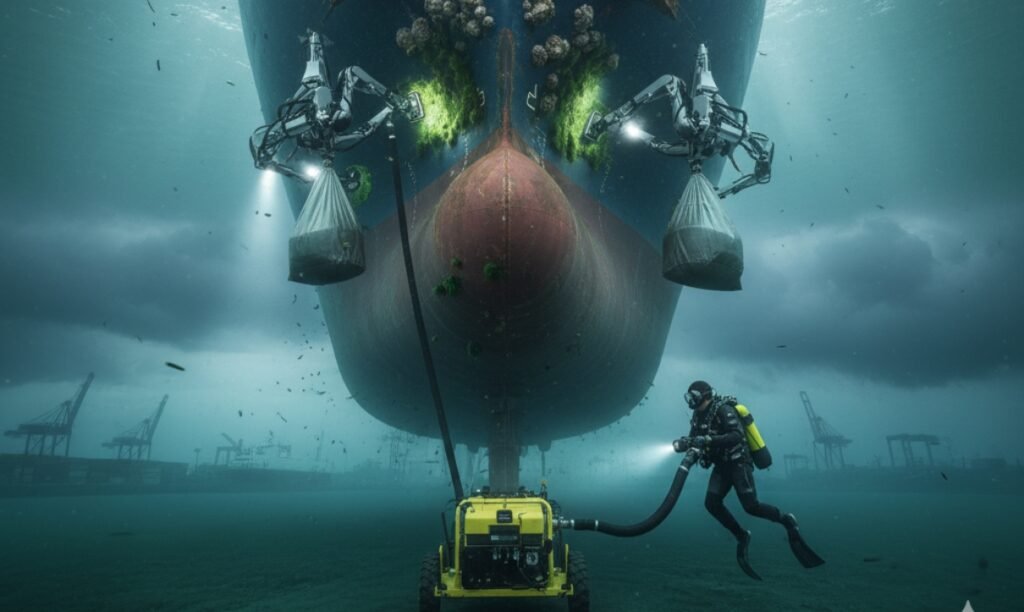
Underwater Ship Hull Cleaning in Portland: Essential Guide for Shipowners and Operators
Underwater ship hull cleaning in Portland is critical for maintaining vessel efficiency and longevity. Marine growth, like barnacles and algae, builds up on hulls, creating resistance similar to trying to swim with weights. This fouling increases drag, slows the ship, and spikes fuel consumption. Regular cleaning prevents hull corrosion and damage, ensuring smoother, faster voyages and compliance with environmental regulations. Think of it as routine maintenance that keeps your vessel in top shape and ready for any journey.
Benefits of Regular Underwater Ship Hull Cleaning in Portland – Fuel Efficiency, Speed, and Reduced Maintenance
Regular cleaning significantly enhances fuel efficiency, cutting consumption by up to 40% by reducing water resistance. A clean hull allows your vessel to glide effortlessly, boosting speed and reliability. Maintenance costs decrease since corrosion and fouling-related damage are minimized. Timely cleaning prolongs the effectiveness of antifouling coatings and reduces dry-docking frequency, leading to operational savings and fewer unexpected repairs.
Environmental Advantages of Eco-Friendly Cleaning – MARPOL and Local Compliance
Eco-friendly underwater ship hull cleaning in Portland aligns with MARPOL and local regulations designed to protect marine ecosystems. Practices include gentle removal technologies and proper waste disposal to avoid pollution and invasive species spread. These methods ensure your vessel supports sustainable operations and adheres to strict environmental guidelines, safeguarding Portland’s waters and your compliance record.
Underwater Ship Hull Cleaning in Portland for Maximum Efficiency
Cost Savings Through Hull Cleaning – Reduced Fuel and Dry-Docking Costs
Underwater ship hull cleaning in Portland reduces costs by improving fuel efficiency and minimizing the need for costly dry-docking. Fouling increases drag, forcing engines to burn more fuel. Cleaning prevents accelerated hull corrosion, lessening repair and repainting expenses. These savings accumulate over time, supporting better fleet profitability and efficient vessel management.
Hull Biofouling Prevention Techniques – Anti-Fouling Coatings and Best Practices
Anti-fouling coatings serve as protective layers, preventing marine organisms from adhering to hulls. Alongside regular cleaning in Portland’s waters, they slow fouling build-up and extend maintenance intervals. Proper application and routine inspections keep coatings effective, reducing drag, maintenance requirements, and compliance risks associated with invasive species. Also read about 7 Powerful Benefits of Underwater Hull Cleaning in Boston.
Robotic Hull Cleaning Innovations – Using ROVs and Automated Cleaning Systems
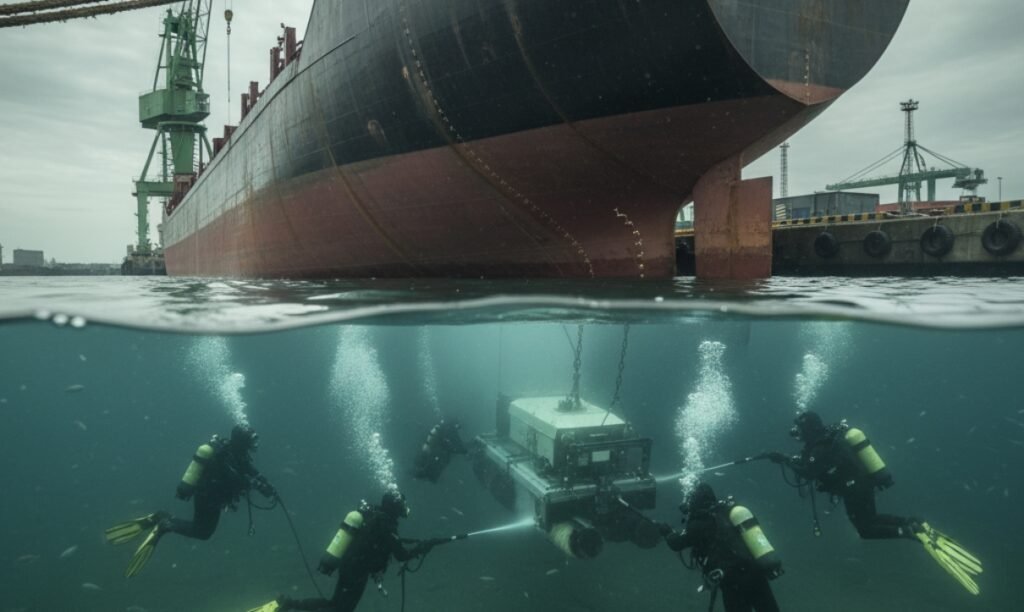
Robotic cleaning systems using ROVs improve cleaning precision and safety in Portland. These technologies avoid diver risks, operate 24/7, and produce consistent results. They often collect fouling debris during cleaning for eco-friendly disposal. Robotic hull cleaning delivers efficient, regulatory-compliant maintenance that reduces downtime and protects crew welfare.
Manual vs Mechanical Cleaning – Pros, Cons, and Safety Considerations
Manual diver cleaning offers detailed attention but involves safety risks and longer times. Mechanical cleaning, utilizing hydraulic jets and robotic brushes, is faster and safer but demands skilled operation to avoid hull damage. In Portland, a balanced approach combining both methods optimizes safety, thoroughness, and operational efficiency.
Inspection and Maintenance Integration – Combining Cleaning with Surveys
Pairing hull cleaning with thorough inspections reveals hidden corrosion or coating wear early. This proactive maintenance prevents costly repairs and dry-docking surprises. Integrated cleaning-inspection schedules in Portland maximize vessel longevity, ensure regulatory compliance, and improve operational planning.
Scheduling Underwater Ship Hull Cleaning in Portland – Frequency Based on Vessel Type and Waters
Cleaning frequency varies by vessel use and environmental conditions in Portland. Active freight and passenger ships may need cleaning every 3-6 months, while recreational vessels extend intervals. Monitoring fouling rates and performance indicators allows tailored cleaning schedules that optimize costs and vessel readiness. Learn more about the Top 7 Benefits of Underwater Ship Hull Cleaning in Jersey.
Underwater Ship Hull Cleaning in Portland Regulations – IMO, MARPOL, and Local Port Rules
Hull cleaning in Portland strictly follows IMO, MARPOL, and local authority regulations to prevent marine pollution and invasive species spread. Licensed providers comply with waste management and operational standards needed for safe and legal vessel operations, avoiding fines and port delays.
Crew Safety During Cleaning Operations – Diver Protocols and Risk Management
Diver safety is vital during manual underwater cleaning. Protocols include equipment checks, communications, environmental risk assessments, and emergency plans. Mechanical and robotic alternatives reduce diver exposure, promoting safer working environments in Portland’s maritime industry.
Hull Cleaning in Cold vs Warm Waters – Regional Differences and Challenges
Portland’s cooler climate generally slows fouling growth compared to warmer waters, but seasonal changes still necessitate flexible cleaning schedules and antifouling strategies to maintain efficiency and compliance year-round.
Technology in Underwater Ship Hull Cleaning in Portland – Sensors, AI, and Real-Time Monitoring
Advanced sensors and AI enable real-time hull condition monitoring in Portland, predicting fouling build-up and optimizing cleaning intervals. This data-driven approach reduces fuel waste and operational costs while ensuring precise maintenance aligned with industry regulations.
Documentation and Compliance Support – Linking Cleaning with Flag Documentation
Accurate records of underwater ship hull cleaning in Portland support flag state compliance and regulatory audits. Details on cleaning methods, dates, and inspections demonstrate adherence to international laws, facilitating smoother port entries and operational transparency.
Fuel Efficiency Case Studies – Real-World Examples of Savings Post-Cleaning
Operators in Portland report up to 40% fuel savings post-cleaning, with enhanced operational speed and reduced emissions. Real-world studies confirm long-term maintenance savings and improved vessel performance, justifying the regular investments in underwater hull cleaning.
Port-Specific Cleaning Guidelines – Rules in New Plymouth, Tacoma, Columbus, etc.
Each port has specific cleaning regulations emphasizing invasive species control and environmental protection. Portland aligns with global standards but requires licensed operators and approved techniques. Awareness of these rules ensures compliance and smooth international operations.
Drug & Alcohol Testing for Crews – Ensuring Safety During Hull Operations
Regular drug and alcohol testing is mandatory to maintain high safety standards during hull cleaning in Portland. These tests minimize operational risks and ensure alertness in hazardous marine environments, aligning with international maritime safety frameworks.
Future Trends in Underwater Ship Hull Cleaning in Portland – Smart Cleaning, Eco-Innovation, and Predictive Maintenance
The future in Portland involves automated cleaning robots, eco-friendly methods, and AI-driven predictive maintenance. These innovations promise cost-effective, greener operations and seamless compliance, keeping the maritime fleet competitive and sustainable.
Marine Supercargo
Marine Supercargo provides global underwater hull, tank, and hold cleaning alongside expert cargo supervision and compliance support. Their professional drug & alcohol testing service enhances crew safety and regulatory adherence. Perfect for operators striving for excellence in vessel maintenance, safety, and compliance worldwide.
Underwater Ship Hull Cleaning in Portland
Conclusion
Underwater ship hull cleaning in Portland is vital for operational efficiency, environmental stewardship, and cost savings. Regular cleaning boosts fuel economy, reduces maintenance, and ensures compliance. Integrating new technologies and safety measures future-proofs your fleet. Choose CleanShip.co for trusted maritime compliance and expert service excellence.
FAQs:
Q1. Why is underwater ship hull cleaning crucial in Portland?
It reduces drag, saves fuel, prevents hull damage, and ensures vessels meet environmental and port regulations.
Q2. What is included in flag documentation?
Cleaning records, inspections, maintenance logs, and crew certifications are critical for safety and compliance.
Q3. How does documentation relate to maritime law?
Documentation proves compliance, simplifies inspections, and prevents port entry issues or fines.
Q4. What role does Drug & Alcohol Testing play during hull cleaning?
It ensures crew alertness and safety during hazardous cleaning operations.
Q5. What benefits does documentation provide for vessel management?
It streamlines maintenance scheduling, compliance verification, and operational planning.