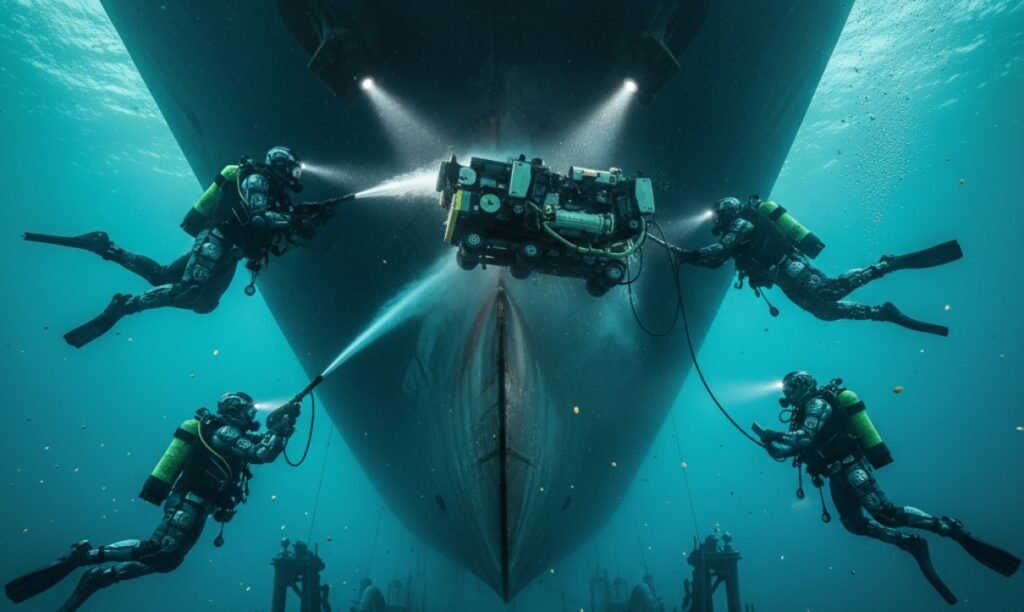
Underwater Hull Cleaning in Camden: Essential Guide for Shipowners and Operators
Underwater hull cleaning in Camden is essential to maintain your ship’s health and operational efficiency. Over time, marine growth such as barnacles and algae builds up on the hull, acting like a weight, slowing your ship down and causing fuel inefficiency. Ignoring this leads to corrosion and structural damage. Regular cleaning removes this biofouling, protects the hull’s surface, and ensures your vessel complies with environmental standards, much like regular servicing keeps a car running smoothly and safely.
Benefits of Regular Underwater Hull Cleaning in Camden – Fuel Efficiency, Speed, Reduced Maintenance
Keeping your hull clean boosts fuel efficiency by reducing drag, allowing the ship to glide effortlessly through water. Ships with clean hulls consume less fuel—up to 40% less in some cases—saving you significant costs. Speed increases, helping maintain schedules, while maintenance and repair expenses drop due to less corrosion and wear. Regular cleaning prolongs the lifespan of antifouling coatings and reduces the frequency of costly dry-docking.
Environmental Advantages of Eco-Friendly Cleaning – MARPOL and Local Compliance
Eco-friendly underwater hull cleaning in Camden methods adhere to MARPOL and local port regulations. Such practices use biodegradable cleaning agents and robotic technologies to minimize environmental impact. They also prevent the release of invasive species and waste into marine environments, protecting local ecosystems and ensuring your vessel operates responsibly within international maritime law frameworks.
Efficient Underwater Hull Cleaning in Camden for Fuel & Performance Gains
Cost Savings Through Underwater Hull Cleaning in Camden – Reduced Fuel and Dry-Docking Costs
Underwater hull cleaning in Camden delivers direct cost savings by lowering fuel consumption and reducing dry-docking frequency. Fouled hulls increase drag, making engines work harder and consuming more fuel. Regular cleaning avoids accelerated hull corrosion and damage, cutting expensive repair and repainting costs. These savings enhance operational profitability, essential in today’s competitive shipping market.
Hull Biofouling Prevention Techniques – Anti-Fouling Coatings and Best Practices
Anti-fouling coatings form a critical part of biofouling prevention in Camden waters. These coatings repel marine organisms, reducing accumulation on the hull. Combined with regular cleaning, they provide a layered defense that keeps hull surfaces smooth and efficient for longer periods. Applying coatings correctly and maintaining them through inspections prevents heavy fouling and prolongs maintenance intervals. Read more about 7 Essential Benefits of Underwater Ship Hull Cleaning in Aberdeen.
Robotic Underwater Hull Cleaning in Camden Innovations – Using ROVs and Automated Cleaning Systems
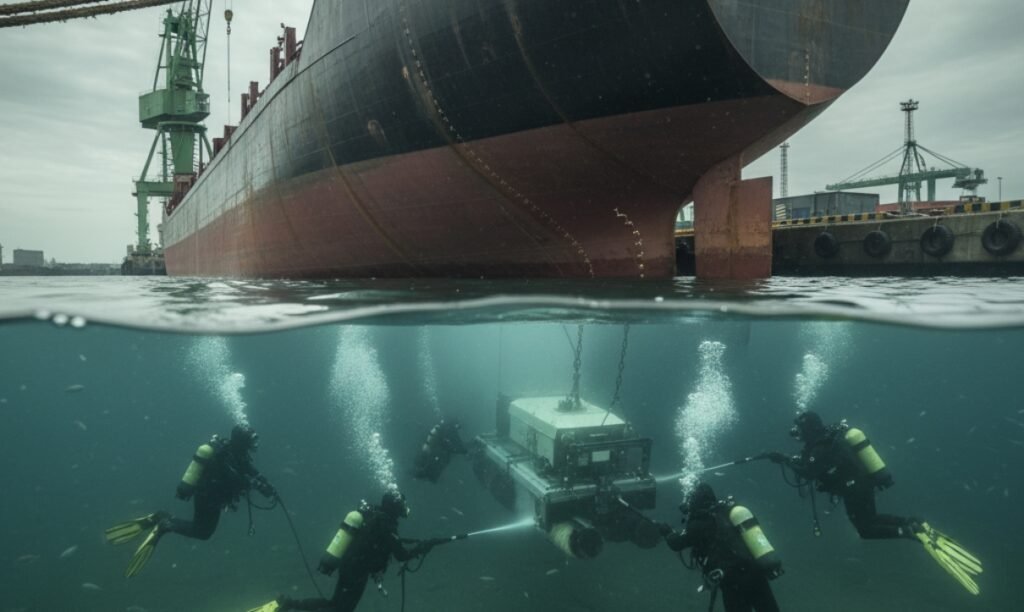
Robotic technologies, including Remote Operated Vehicles (ROVs), are revolutionizing hull cleaning in Camden by offering precise, safe cleaning without divers. These systems operate efficiently and can work continuously without downtime, reducing safety risks and environmental impacts. They capture debris during cleaning, aligning with eco-friendly regulations while ensuring a consistent cleaning quality that manual methods can struggle to match.
Manual vs Mechanical Cleaning – Pros, Cons, and Safety Considerations
Manual cleaning by divers allows detailed inspection but involves higher safety risks and is time-intensive. Mechanical cleaning using high-pressure water jets or robotic brushes is faster, safer, and less physically demanding but requires expert operation to avoid damaging hull coatings. Camden ship operators often use a hybrid approach, balancing precision and efficiency while prioritizing diver safety and hull protection.
Inspection and Maintenance Integration – Combining Cleaning with Surveys
Combining underwater hull cleaning in Camden with inspections allows operators to detect hidden hull damage early. Cleaning exposes areas of corrosion or coating wear that may need repair, enabling proactive maintenance planning. This integrated approach reduces unexpected dry-docking and repair costs, ensuring vessels stay compliant with IMO and flag state regulations.
Scheduling Underwater Hull Cleaning in Camden – Frequency Based on Vessel Type and Waters
Cleaning frequency depends on vessel activity and local water conditions in Camden. Active vessels in nutrient-rich waters may require hull cleaning every 3–6 months, while recreational or inactive vessels might extend intervals. Monitoring hull condition and fouling rates helps optimize cleaning schedules, maintaining operational efficiency and regulatory compliance without unnecessary costs. Read more about 7 Powerful Benefits of Underwater Hull Cleaning in Philadelphia.
Underwater Hull Cleaning in Camden Regulations – IMO, MARPOL, and Local Port Rules
Cleaning operations in Camden comply with international IMO and MARPOL standards, along with specific local port regulations. These rules govern cleaning methods, waste handling, and invasive species control. Adhering to these ensures environmental protection, smooth port entry, and avoidance of fines. Choosing certified cleaning providers is critical to maintain compliance.
Crew Safety During Cleaning Operations – Diver Protocols and Risk Management
Crew safety during underwater hull cleaning in Camden involves strict protocols, including equipment checks, training, real-time communication, and environmental monitoring. Mechanical and robotic cleaning minimizes diver exposure. Safety is paramount to prevent accidents like entanglement or decompression sickness. Camden operators prioritize risk assessments and emergency preparedness to safeguard their crews.
Hull Cleaning in Cold vs Warm Waters – Regional Differences and Challenges
Camden’s temperate waters pose different fouling challenges than extremely warm or cold regions. Seasonal variations affect fouling rates, with growth accelerating during warmer months. Operators tailor cleaning schedules and antifouling strategies to these conditions to keep hulls clean and operations efficient year-round. Learn more about the Top 7 Benefits of Underwater Ship Hull Cleaning in Jersey.
Technology in Underwater Hull Cleaning in Camden – Sensors, AI, and Real-Time Monitoring
The integration of sensors and AI in hull cleaning allows predictive maintenance by continuously monitoring hull condition in real time. Ships can schedule cleanings just before fouling significantly impacts performance, saving fuel and costs. This technology-driven approach also helps maintain compliance by ensuring cleaning records are accurate and timely.
Documentation and Compliance Support – Linking Cleaning with Flag Documentation
Accurate logs of underwater hull cleaning in Camden support flag state compliance and maritime regulations. Detailed records help demonstrate adherence to IMO and local laws during inspections and audits. Proper documentation safeguards vessels from penalties, builds credibility, and facilitates smoother port operations. Also read about 7 Powerful Benefits of Underwater Hull Cleaning in Boston.
Fuel Efficiency Case Studies – Real-World Examples of Savings Post-Cleaning
Studies reveal vessels experience up to 40% fuel savings after professional underwater hull cleaning in Camden. Speed and maneuverability improve, reducing travel times and emissions. Operators report decreased maintenance costs and extended coating life. These case studies emphasize the tangible benefits of regular underwater hull cleaning.
Port-Specific Cleaning Guidelines – Rules in New Plymouth, Tacoma, Columbus, etc.
Different ports enforce unique hull cleaning regulations to protect local marine life and control invasive species. Camden aligns with global standards but may have specific local rules requiring licensed operators and eco-conscious techniques. Understanding these variations helps operators maintain compliance while facilitating international vessel movement.
Drug & Alcohol Testing for Crews – Ensuring Safety During Hull Operations
Drug and alcohol testing policies ensure crew safety during hazardous hull cleaning tasks. Camden mandates regular testing to prevent impaired operations, particularly in diving and machinery handling roles. Compliance with these safety protocols minimizes accidents, fostering a responsible work environment. Also read about Crew Alcohol and Drug Testing: 7 Safety Essentials.
Future Trends in Hull Cleaning – Smart Cleaning, Eco-Innovation, and Predictive Maintenance
The future of underwater hull cleaning in Camden lies in smart robotic systems, green technologies, and AI-powered predictive maintenance. These innovations promise reduced environmental impact, minimized downtime, and enhanced regulatory compliance. Digitally integrated records and automated inspections will transform fleet management, increasing efficiency and sustainability.
Marine Supercargo Special Section
Marine Supercargo offers global underwater hull, tank, and hold cleaning with expert cargo supervision and compliance services. Recently, incorporating professional drug & alcohol testing has boosted crew safety and meets strict maritime regulations. Their comprehensive service supports vessel performance, regulatory adherence, and crew welfare worldwide, combining operational excellence with safety assurance.
Underwater hull cleaning in Portland
Conclusion
Underwater hull cleaning in Camden is vital for improving fuel efficiency, protecting environment, and reducing maintenance costs. Regular cleaning prevents fouling-related damage, aligns operations with regulations, and promotes longer hull life. Utilizing advanced cleaning technologies and preserving crew safety ensures sustainable and cost-effective maritime operations. For expert compliance and fleet services, trust CleanShip.co.
FAQs:
Q1. Why is underwater hull cleaning important in Camden?
It enhances fuel efficiency, reduces maintenance costs, prevents hull damage, and ensures compliance with marine environmental laws.
Q2. What information is included in flag documentation?
Flag documentation covers hull cleaning logs, inspections, repairs, and crew certifications vital for safety and regulatory compliance.
Q3. How does documentation relate to maritime law?
Documentation proves legal compliance, facilitating inspections, reducing fines, and supporting international port access.
Q4. What is the role of Drug & Alcohol Testing in maritime hull operations?
Testing ensures crew alertness and safety during high-risk hull cleaning operations, minimizing accident risks.
Q5. What benefits does proper documentation bring to vessel management?
It streamlines compliance, enables predictive maintenance, and enhances safety and operational efficiency.