Underwater Hull Cleaning in Riyadh: Expert Guide for Ship Owners and Operators
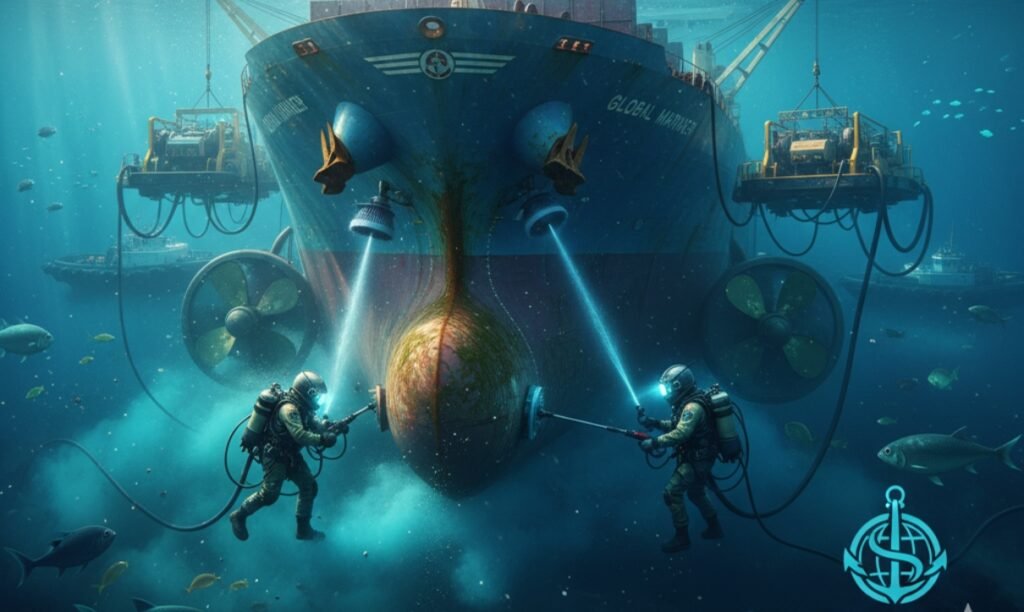
Underwater hull cleaning in Riyadh is critical to keep your ship operating efficiently. Marine growth, like algae and barnacles, attaches to the hull surface, increasing drag and fuel consumption. Without regular cleaning, your hull acts like a dirty sponge, slowing your vessel and raising expenses. Think of underwater hull cleaning as routine servicing to preserve hull integrity, prevent corrosion, and maintain optimal speed. It also ensures compliance with maritime safety and environmental standards, essential for smooth port operations in Riyadh and beyond.
Benefits of Regular Underwater Hull Cleaning in Riyadh – Fuel Efficiency, Speed, Reduced Maintenance
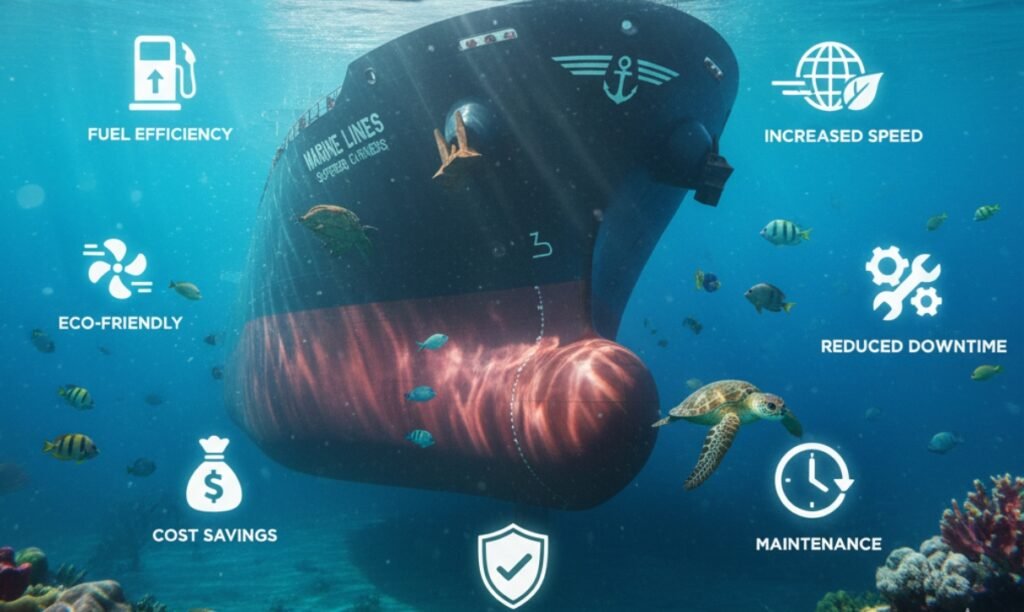
Regular cleaning dramatically improves performance. By removing biofouling, underwater hull cleaning in Riyadh reduces drag, allowing vessels to glide through water more efficiently, saving fuel and reducing emissions. Enhanced speed means timely deliveries and fewer operational delays. Maintenance costs drop since fouling accelerates corrosion and damages protective coatings. Frequent cleaning extends dry-docking intervals and lowers repair expenses, making it a cost-effective strategy for ship owners prioritizing operational excellence and budget control.
Environmental Advantages of Eco-Friendly Cleaning – MARPOL and Local Compliance
Eco-friendly cleaning methods used in Riyadh ensure environmental compliance under MARPOL and local regulations. Techniques like hydraulic brushing and diverless ROV systems minimize hull damage while effectively removing growth without releasing harmful waste into the water. These practices help prevent invasive species from spreading and reduce marine pollution, protecting Riyadh’s coastal ecosystem. Strict adherence to environmental laws also safeguards your vessel’s reputation and prevents costly regulatory penalties, aligning maintenance with global sustainability goals.
Reliable underwater hull cleaning in Riyadh
Cost Savings Through Underwater Hull Cleaning in Riyadh – Reduced Fuel and Dry-Docking Costs
Underwater hull cleaning in Riyadh leads to significant fuel and maintenance savings. Efficient hull surfaces reduce drag, cutting fuel consumption by up to 10%. This is crucial given fluctuating fuel prices in global markets. Moreover, regular cleaning decreases the frequency and duration of costly dry-docking by preventing severe fouling and corrosion. Ship owners save on repair labor and materials, prolonging hull life. These cost benefits improve vessel profitability while maintaining compliance with port requirements.
Hull Biofouling Prevention Techniques – Anti-Fouling Coatings and Best Practices
Prevention is key to managing biofouling in Riyadh’s marine environment. Anti-fouling coatings act as a protective barrier, discouraging marine organisms from settling on the hull. These coatings come with different properties suited to local conditions. Best practices combine coating applications with scheduled underwater hull cleaning in Riyadh to maintain effectiveness. Proper surface preparation and regular inspections maximize coating lifespan and reduce fouling, ensuring smoother operations and less intensive cleaning. Also read about 7 Powerful Benefits of Underwater Hull Cleaning in Boston.
Robotic Hull Cleaning Innovations – Using ROVs and Automated Cleaning Systems
Robotic technology is revolutionizing underwater hull cleaning in Riyadh. Remote-operated vehicles (ROVs) and automated brush systems clean efficiently and safely without divers. These technologies work day or night, during loading or unloading, minimizing downtime. Real-time data collection supports maintenance planning and compliance documentation. Robotic cleaning offers a safer alternative to manual labor, reduces human risk, and enhances the consistency and quality of cleaning operations.
Manual vs Mechanical Cleaning – Pros, Cons, and Safety Considerations
Manual cleaning involving divers provides detailed, hands-on inspection but carries potential safety risks and longer job times. Mechanical cleaning uses high-pressure jets or hydraulic brushes and robots that accelerate cleaning while reducing diver exposure. However, mechanical methods must be carefully controlled to prevent damage to antifouling coatings. In Riyadh’s waters, a hybrid approach blending manual precision with mechanical speed can optimize results, balancing safety, efficiency, and hull protection.
Inspection and Maintenance Integration – Combining Cleaning with Surveys
Combining underwater hull cleaning in Riyadh with regular hygiene surveys maximizes ship performance and upkeep. While cleaning removes fouling, inspections detect early signs of structural damage or paint deterioration. This combination prevents unexpected costly repairs and supports adherence to IMO and flag state regulations. Integrated maintenance planning ensures your ship stays seaworthy and compliant without unnecessary downtime, enhancing operational efficiency in Riyadh’s busy ports.
Scheduling Underwater Hull Cleaning in Riyadh – Frequency Based on Vessel Type and Waters
Hull cleaning frequency depends on vessel use and local water conditions in Riyadh. Cargo ships and tankers in warm, nutrient-rich waters need cleaning every 3-6 months, while less active vessels may require less frequent attention. Operators should tailor cleaning schedules by monitoring hull performance, fouling rate, and compliance requirements. Timely cleaning prevents heavy fouling buildup that hampers speed and raises fuel use, helping maintain profitability.
Underwater Hull Cleaning in Riyadh Regulations – IMO, MARPOL, and Local Port Rules
Underwater hull cleaning in Riyadh adheres to IMO and MARPOL conventions alongside Saudi port regulations designed to protect marine environments. These rules govern cleaning methods, disposal of removed fouling, and invasive species control. Proper licensing and environmental safeguards must be met to avoid penalties. Understanding and following these regulations ensures smooth port access and operational legality for your vessels.
Crew Safety During Cleaning Operations – Diver Protocols and Risk Management
Diver safety is paramount in manual underwater hull cleaning operations. Rigorous protocols for equipment checks, communication, emergency preparedness, and environmental assessments protect divers. Training in Riyadh’s conditions ensures risks from currents and visibility are managed. Limiting diver exposure time and using mechanical or robotic alternatives where possible further enhances safety, promoting a culture of zero harm in marine operations.
Underwater Hull Cleaning in Riyadh in Cold vs Warm Waters – Regional Differences and Challenges
Riyadh’s warm waters foster rapid biofouling growth compared to colder regions. This requires more frequent hull cleaning and robust antifouling strategies. Warm water accelerates barnacle and algae proliferation, challenging hull maintenance. Recognizing these regional differences helps operators plan efficient cleaning schedules, reducing operational disruptions and optimizing vessel performance year-round. Learn more about the Top 7 Benefits of Underwater Ship Hull Cleaning in Jersey.
Technology in Hull Cleaning – Sensors, AI, and Real-Time Monitoring
Advanced sensors and AI tools now support underwater hull cleaning in Riyadh. These enable real-time monitoring of hull conditions, fouling levels, and coating effectiveness. Predictive analytics recommend cleaning timings before efficiency drops significantly, reducing fuel waste. This data-driven approach helps shipmasters manage schedules proactively and maintain compliance with regulatory standards.
Documentation and Compliance Support – Linking Cleaning with Flag Documentation
Documenting underwater hull cleaning activities in Riyadh supports flag state requirements and maritime law compliance. Detailed records of cleaning dates, methods, inspections, and environmental safeguards streamline port inspections and audits. These logs build trust with regulators and stakeholders, helping avoid delays and fines while demonstrating operational professionalism. Read more about 7 Powerful Benefits of Underwater Hull Cleaning in Philadelphia.
Fuel Efficiency Case Studies – Real-World Examples of Savings Post-Cleaning
Case studies from vessels operating in Middle Eastern waters show up to 10% fuel savings after underwater hull cleaning. Cleaner hulls reduce engine load, cut emissions, and ensure on-time schedules. These savings justify regular cleaning investments and foster greener shipping. Real-world data emphasizes the operational and sustainable benefits of maintaining clean underwater surfaces.
Port-Specific Cleaning Guidelines – Rules in New Plymouth, Tacoma, Columbus, etc.
Each port has distinct hull cleaning regulations, including permits, environmental safeguards, and waste management practices. Riyadh aligns with global standards but may include local nuances requiring licensed contractors and specific cleaning technologies. Understanding port-specific rules ensures compliance and facilitates seamless vessel movement across international waters.
Drug & Alcohol Testing for Crews – Ensuring Safety During Hull Operations
Drug and alcohol testing is integral to crew safety in underwater hull cleaning operations. Riyadh enforces strict policies to prevent impairment during high-risk tasks like diving and equipment handling. These measures reduce accidents, protect personnel, and align with international maritime safety frameworks, fostering safer working environments. Also read about Crew Alcohol and Drug Testing: 7 Safety Essentials.
Future Trends in Hull Cleaning – Smart Cleaning, Eco-Innovation, and Predictive Maintenance
Future underwater hull cleaning in Riyadh will be shaped by smart robotics, eco-friendly innovations, and AI-based predictive maintenance. Autonomous cleaning systems will minimize downtime while digital platforms will integrate compliance and inspection data. These technologies promise cost-effective, green, and regulatory-aligned hull maintenance, positioning Riyadh fleets ahead in maritime competitiveness.
Marine Supercargo
Marine Supercargo offers global underwater hull, tank, and hold cleaning alongside expert cargo supervision and compliance support. Recently adding professional Drug & Alcohol Testing services, they enhance crew safety and regulatory adherence. This comprehensive approach supports maritime operators in maintaining vessel performance, safety, and compliance seamlessly, meeting the demands of modern shipping worldwide.
Underwater Hull Cleaning in Riyadh: Key Benefits
Conclusion
Underwater hull cleaning in Riyadh is essential for vessel efficiency, environmental compliance, and operational savings. Regular cleaning cuts fuel costs, prevents costly repairs, and supports sustainable maritime practices. Embracing advanced technologies and robust safety protocols doesn’t just protect ships and crews—it also future-proofs operations. For expert maritime compliance and service excellence, CleanShip.co is your trusted partner.
FAQs:
Q1. Why is flag documentation important for ship safety and compliance?
Flag documentation proves your ship meets legal and safety standards, ensuring smooth operations and regulatory compliance internationally.
Q2. What topics are included in flag documentation?
It includes cleaning logs, inspection records, maintenance reports, and crew certifications essential for safety and environmental compliance.
Q3. How does documentation relate to maritime law?
It provides evidence of compliance with international maritime laws, facilitating inspections and avoiding fines or detentions.
Q4. What role does Drug & Alcohol Testing play in maritime operations?
Testing ensures crew fitness, reduces accident risks during critical tasks, and aligns with global safety standards.
Q5. What are the benefits of proper documentation for vessel management?
Proper records enhance operational planning, maintenance efficiency, crew management, and regulatory compliance.