The Hidden Power of an Underwater Hull Cleaning in Philadelphia
Imagine your ship as a runner in a race. The underwater hull is like their shoes. A dirty hull slows you down, wastes energy, and risks your ship’s health. Underwater hull cleaning in Philadelphia is the unsung hero that keeps your vessel swift, efficient, and compliant. Regular cleaning prevents marine growth, reduces drag, and lowers fuel consumption.
This article dives deep into the critical benefits, compliance rules, cost-saving strategies, safety measures, environmental care, and future trends in hull cleaning and maritime documentation, helping you navigate smooth waters. You’ll learn why this service is essential for ship owners, operators, and managers.
What is Underwater Hull Cleaning in Philadelphia?
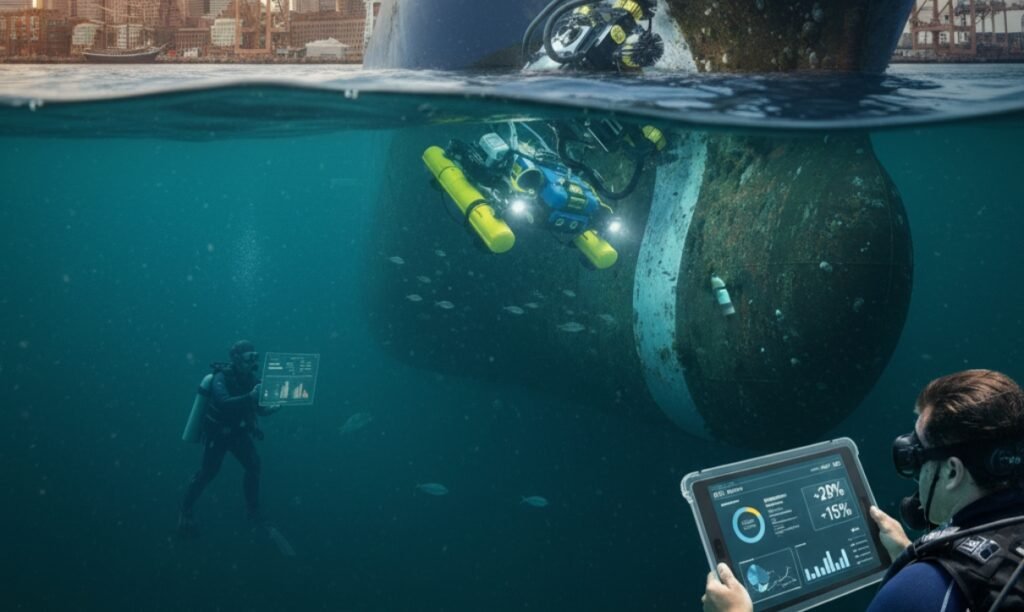
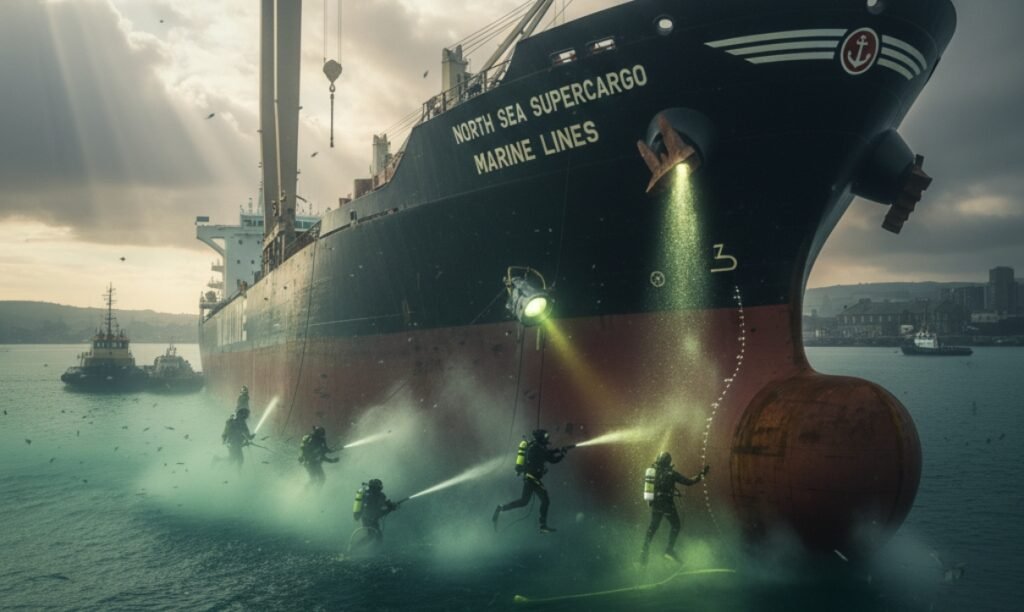
Underwater hull cleaning is the removal of marine organisms like barnacles, algae, and mussels that attach themselves to a ship’s submerged surfaces. Unlike dry-docking, this cleaning occurs while the vessel remains in the water. Specially trained divers or advanced robotic systems use eco-friendly methods to clean the hull without damaging antifouling coatings. This crucial maintenance step ensures the ship’s hull is smooth, reducing resistance and improving overall vessel performance, fuel efficiency, and safety. Think of it as giving your ship a refreshing bath that keeps it in top shape year-round.
How Cleaning Saves You Money
Your ship’s fuel consumption is directly affected by hull condition. Biofouling increases drag, forcing engines to work harder and consume more fuel—sometimes up to 40% more. Regular underwater hull cleaning in Philadelphia reduces this drag, drastically cutting fuel costs and greenhouse gas emissions. It also extends the lifespan of antifouling coatings and reduces the frequency of costly dry-dockings. Think of it like maintaining your car’s tires to improve mileage. Efficient hull maintenance leads to big savings and smoother operations over time.
Safety Benefits for Crew and Vessel
A clean hull doesn’t just save money—it enhances safety. Marine growth can hide structural damage or cracks, posing risks during voyages. Regular inspections done during cleaning identify these issues early, reducing the chance of mechanical failure or accidents at sea. Additionally, cleaner hulls improve vessel stability and maneuverability, especially in challenging waters like those around Philadelphia. Investing in underwater hull cleaning is investing in the safety of your crew and the longevity of your vessel.
Environmental Impact and Eco-Friendly Practices
Underwater hull cleaning in Philadelphia has a significant environmental dimension. Removing biofouling reduces ship emissions by improving fuel efficiency, which helps lower carbon footprints. Responsible providers use biodegradable cleaning substances and advanced systems like robotic cleaners with filtration to prevent the spread of invasive species and contamination. These eco-friendly approaches align with international guidelines from IMO and others, ensuring that cleaning activities support maritime sustainability and preserve marine biodiversity. Also read about 7 Powerful Benefits of Underwater Hull Cleaning in Boston.
Advanced Technologies in Underwater Hull Cleaning in Philadelphia
Technological innovation drives safer and more effective underwater hull cleaning in Philadelphia. Robotic cleaners and ultrasonic systems offer precise, non-invasive cleaning that protects hull coatings. Filtration systems capture debris and metals released during cleaning, preventing pollution. These advances also improve the operation speed and safety for cleaning teams. As vessel technology evolves, integrating these innovations not only complies with environmental standards but also maximizes cleaning quality and vessel performance.
“Marine cleaning, anytime. Anywhere. 🌊 #GlobalMarine”#shipping #maritime #ship #cruises #sealife #port #shipping #marine #captain #vessel #ships #cargo pic.twitter.com/GgKTqEMETK
— Marine Super Cargo (@Marinsupercargo) October 4, 2025
Scheduling Your Underwater Hull Cleaning in Philadelphia
The frequency of cleaning depends on water conditions and vessel activity. In warmer waters, cleaning every 4-8 weeks is recommended, while cooler areas may need it less frequently, every 2-3 months. Active vessels or those docked in biofouling-prone ports like Philadelphia benefit from regular schedules. Monitoring hull condition helps optimize cleaning timing, avoiding excessive fouling and preserving antifouling coatings. Routine cleaning is a proactive investment to keep your ship efficient and compliant throughout the year.
Documentation and Maritime Law in Cleaning Operations
Proper documentation accompanies underwater hull cleaning to support compliance with maritime law. Flag states require detailed records of hull condition and cleaning procedures to verify regulatory adherence and environmental standards. Documentation helps during inspections, audits, and port state controls. A well-maintained hull cleaning log ensures transparency and provides vital proof of responsible ship management, a cornerstone for global trading and insurance purposes. Learn more about the Top 7 Benefits of Underwater Ship Hull Cleaning in Jersey.
Cost-Benefit Analysis of Underwater Hull Cleaning in Philadelphia
Balancing the investment in underwater hull cleaning in Philadelphia against savings in fuel, repairs, and compliance penalties reveals strong financial incentives. The upfront cost is minor compared to the potential savings of 30-40% fuel usage and avoidance of costly dry-docking. Reduced emissions penalties and avoidance of invasive species fines add indirect savings. Proper scheduling and choosing reliable providers maximize these benefits, proving cleaning is a sound economic decision for Philadelphia-based ships aiming for operational excellence.
Future Trends in Maritime Documentation
The maritime industry is evolving with digitalization in hull cleaning documentation. Blockchain and cloud-based tracking systems increase transparency, reduce fraud, and streamline verification. Enhanced real-time reporting enables more responsive maintenance and compliance adjustments. Anticipated innovations include automated hull condition monitoring integrated with vessel management systems, promising improved safety, efficiency, and regulatory alignment for ship owners and operators.
Marine Supercargo and Global Cleaning Services
Marine Supercargo offers comprehensive underwater hull, tank, and hold cleaning worldwide, combined with expert cargo supervision and compliance support. Recently, it added drug & alcohol testing to boost crew safety and regulatory compliance. These services reflect growing industry trends toward integrated maritime solutions that improve operational safety and adherence to evolving maritime laws, making Marine Supercargo a valuable ally for global ship operators. Read more about Underwater Ship Hull Cleaning in Port Gentil: 7 Proven Benefits.
Drug & Alcohol Testing in Maritime Compliance
Drug & Alcohol Testing plays a vital role in maintaining crew safety and maritime compliance. Regulations require regular and random testing to prevent impaired performance, reduce accident risks. Integrating these services with hull cleaning operations strengthens overall vessel safety standards. This holistic approach promotes a culture of responsibility aboard ships, enhancing crew welfare and operational reliability. Also read about Crew Alcohol and Drug Testing: 7 Safety Essentials.
Environmental Regulations Impacting Underwater Hull Cleaning in Philadelphia
The MARPOL Convention restricts ship emissions and mandates responsible hull maintenance practices. Cleaning methods must minimize hazardous discharge, protect ecosystems, and control invasive species spread. Authorities globally enforce strict guidelines for underwater cleaning, emphasizing the use of certified substances and filtration. Philadelphia shipowners must stay updated on these regulations to ensure compliance and avoid costly penalties.
Selecting Certified Cleaning Providers
Choosing certified providers ensures adherence to best practices in environmental safety, operational efficiency, and legal compliance. Certifications from organizations like IMCA and IMO signal reliable, eco-friendly cleaning using advanced technology. Verify customer reviews, certifications, and eco-friendly credentials before contracting. This reduces risks and guarantees quality service aligned with Philadelphia’s stringent maritime standards.
Conclusion: Why Underwater Hull Cleaning in Philadelphia Matters
Underwater hull cleaning in Philadelphia is not just maintenance—it’s a strategic choice for cost savings, regulatory compliance, safety, and environmental sustainability. Regular cleaning lowers fuel consumption by up to 40%, ensures vessel integrity, and safeguards marine ecosystems. Embracing technological advances and proper documentation prepares your vessel for future maritime challenges. Trust CleanShip.co for unparalleled compliance and maritime service excellence to keep your fleet at peak performance and legally ready.
FAQs:
Q1. Why is flag documentation important?
Flag documentation certifies a vessel’s compliance with maritime laws, safety standards, and environmental regulations. It’s essential for lawful port entry, inspections, and insurance purposes, enhancing vessel credibility and operational legitimacy. Proper documentation supports transparent ship management and international trade compliance.
Q2. What are the key topics for ship safety and compliance?
Key topics include crew training, vessel maintenance, emergency preparedness, pollution prevention, and adherence to international conventions like SOLAS and MARPOL. Maintaining documentation for these areas ensures compliance and navigational safety.
Q3. How does documentation connect to maritime law?
Maritime law requires accurate records to prove compliance with safety, environmental, and operational standards. Documentation is legally binding evidence during inspections, disputes, and certifications, reinforcing vessel accountability.
Q4. What is the role of Drug & Alcohol Testing?
Drug & Alcohol Testing safeguards crew fitness, preventing accidents caused by impairment. Regular testing complies with international regulations, promoting safety and reducing liability risks in maritime operations.
Q5. What are the future trends in flag documentation and underwater hull cleaning in Philadelphia?
Future trends involve digital and blockchain-based tracking for enhanced transparency, real-time condition monitoring, automated compliance reporting, and eco-friendly cleaning technologies that reduce environmental impact while boosting operational efficiency.