Hull Cleaning in Libreville
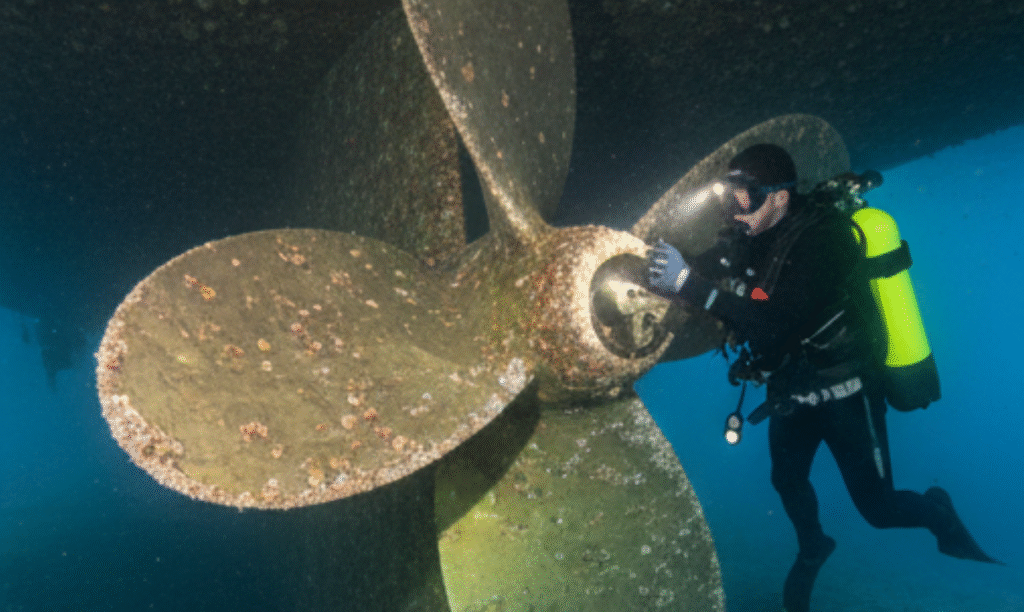
Keeping your vessel’s hull clean is about more than just appearance—it’s the soul of efficiency and longevity. Over time, marine organisms like algae and barnacles attach to the hull, creating resistance that slows your ship and increases fuel costs. Hull cleaning in Libreville offers ship operators a reliable way to combat this issue efficiently and sustainably.
In Libreville’s tropical environment, fouling occurs faster, demanding consistent cleaning routines. This process not only ensures compliance with international maritime standards but also enhances overall performance. When your hull is clean, your vessel glides like a dolphin through water—swift, smooth, and efficient.
Importance of Hull Cleaning in Libreville
When we talk about hull cleaning in Libreville, we’re talking about preserving performance and saving costs. Marine fouling can significantly impact vessel speed and fuel economy, often increasing fuel consumption by up to 20%. Regular cleaning ensures your ship runs at its optimum capacity. Libreville’s busy ports and coastal conditions make routine underwater maintenance essential for shipowners aiming to minimize downtime.
By removing layers of fouling early, you prevent corrosion and structural damage. This process aligns perfectly with IMO standards and contributes to greener maritime operations. A clean hull doesn’t just look professional—it translates into measurable operational excellence.
Environmental Impact and Compliance
Environmental responsibility is now at the core of maritime operations worldwide. With hull cleaning in Libreville, vessels can minimize ecological harm while maintaining efficiency. Fouled hulls require more engine power, which means increased emissions of greenhouse gases. Cleaning reduces both fuel usage and emissions.
Organizations like the MARPOL Convention have set clear standards for controlling ship-generated pollution. Libreville’s marine cleaning providers follow strict guidelines, ensuring waste material from cleaning is safely collected and disposed of to protect marine biodiversity. This balance between performance and planet-care showcases how sustainability and profitability can travel the same course.
Methods and Tools for Effective Hull Cleaning
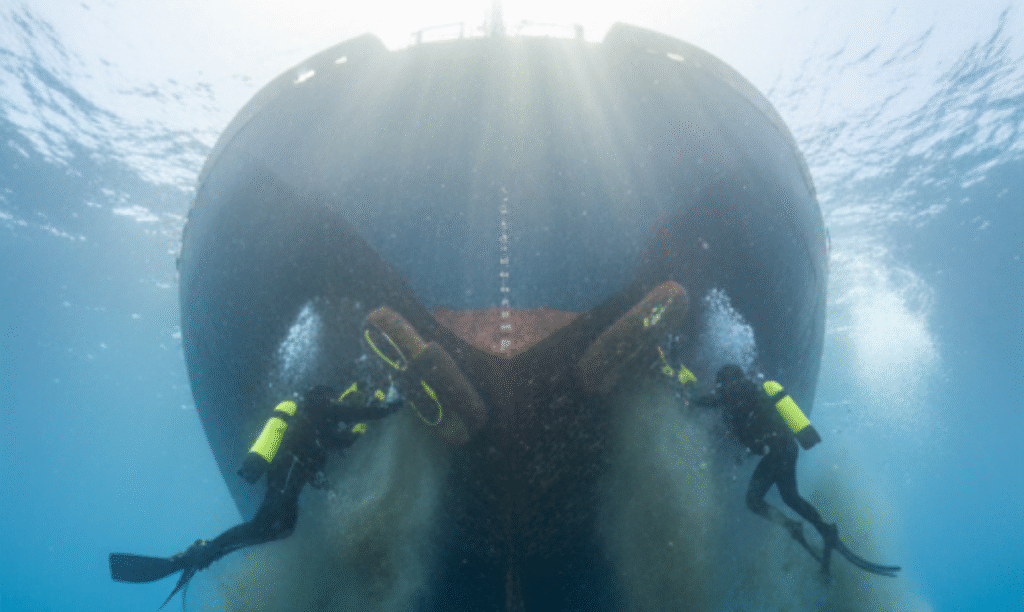
Different vessels require different techniques when it comes to hull cleaning in Libreville. Trained divers equipped with hydraulic brushes remove stubborn growth from the underwater hull surface. Cavitation cleaning, which uses microscopic bubbles to gently dislodge fouling, prevents coating damage. Automated hull cleaning robots now provide precision services with onboard cameras and real-time data feedback.
This combination of manual expertise and technological advancement increases accuracy, reduces downtime, and lowers operational risks. Equipment is carefully chosen depending on the degree of fouling, surface texture, and water conditions. The result? Smooth surfaces, better fuel economy, and compliance with top industry standards like those of IMCA. Read more about Underwater ship hull cleaning in Libreville.
Cost Benefits of Regular Cleaning
Fuel costs represent one of the highest expenses in shipping, often accounting for more than half of a voyage’s total operating budget. Hull cleaning in Libreville directly cuts this by improving hydrodynamics—helping ships glide rather than drag. When you keep your hull free from biofouling, you consume less fuel to travel the same distance.
Over time, savings add up dramatically. Regular cleaning also prevents costly dry-docking by handling maintenance in-water. CleanShip.co’s approach to maintenance focuses on predictive cleaning schedules, helping operators balance operational uptime and cost-efficiency. A clean hull is not just maintenance—it’s a strategic investment in smoother sails and higher profits. Also read about Underwater Hull Cleaning in Gambia
Safety and Operational Efficiency
The connection between hull cleanliness and operational safety can’t be overstated. During hull cleaning in Libreville, inspections often reveal damage or coating issues before they become serious structural risks. Divers or robotic cleaners identify corrosion, cracks, or weak points early. This proactive approach prevents unplanned breakdowns and maintains safe navigation.
Moreover, clean hulls enable consistent propulsion, reducing strain on engines and systems. Libreville’s professional marine service providers undergo rigorous safety protocols established by IMCA and other global bodies. By maintaining both the ship’s exterior and crew safety standards, hull cleaning directly contributes to operational stability and reliability. Also read about underwater ship hull cleaning in Moroni.
Choosing the Right Cleaning Partner
Selecting a reliable company for hull cleaning in Libreville requires careful evaluation. Check for certifications from international authorities, such as IMCA, to ensure your provider follows best practices. Look for transparency in service reporting and a proven safety track record. Additionally, companies with environmental management systems ensure proper disposal of bio-waste and compliance with local maritime laws.
Libreville’s top service providers combine maritime engineering knowledge, diving expertise, and advanced tools to deliver seamless service. Collaborating with professionals who understand both environmental and economic aspects guarantees dependable, regulation-compliant maintenance for your vessel. Also, know about underwater ship hull cleaning in Mutsamudu.
Marine Supercargo Expands Services: Drug & Alcohol Testing for Safer Seas
Marine Supercargo, a trusted name in maritime cleaning and maintenance, has introduced a new line of services—Drug and Alcohol Testing. This expansion underscores their commitment to ensuring safety and regulatory compliance across global fleets. Consistent with IMO guidelines, these tests help ship operators and managers maintain crew reliability and reduce operational risks.
Drug and Alcohol Testing enhances workplace safety, minimizes accidents, and builds a culture of accountability on board. For ship owners, integrating this program means protecting assets, securing insurance benefits, and boosting crew morale. Marine Supercargo’s initiative sets a higher standard for safe and efficient seafaring operations worldwide. Read more about Underwater ship hull cleaning in Congo.
“Marine cleaning, anytime. Anywhere. 🌊 #GlobalMarine”#shipping #maritime #ship #cruises #sealife #port #shipping #marine #captain #vessel #ships #cargo pic.twitter.com/GgKTqEMETK
— Marine Super Cargo (@Marinsupercargo) October 4, 2025
Future Innovations in Hull Maintenance
Hull cleaning in Libreville is poised for a technological revolution. New materials, biodegradable coatings, and advanced sensor networks are shaping the next generation of eco-friendly maintenance. Robotics, leveraging artificial intelligence, can now perform underwater inspections autonomously while predicting fouling trends. These systems analyze data on water temperature, salinity, and ship movement to schedule optimal cleaning intervals.
The result is a transition from reactive cleaning to predictive maintenance—saving time and cost. Libreville’s position as a regional port hub makes it central to adopting these innovations. The future of hull maintenance lies in combining sustainability, automation, and human expertise for smarter operations. Learn more about Underwater ship hull cleaning in Djibouti.
Training and Workforce Development
Behind every effective hull cleaning in Libreville is a skilled workforce. Dive technicians, surface supervisors, and environmental managers undergo specialized training to meet international operational standards. They learn to use underwater robotics, manage air supply systems, and assess coatings without damage. Certification from organizations such as IMCA demonstrates competence and guarantees service consistency across projects.
Investing in people ensures safety and quality. As technology evolves, upskilling crews to handle digital systems like sonar imaging or AI-driven models will be crucial. Libreville continues to emerge as a regional hub for skilled marine professionals dedicated to safe, clean, and compliant services. Learn about Underwater ship hull cleaning in Egypt.
Conclusion
Hull cleaning in Libreville offers a 360-degree solution that supports performance, compliance, and sustainability. It saves operational costs, fosters safety, and aligns with modern environmental goals. As maritime regulations tighten and technology advances, staying proactive about hull maintenance is essential.
CleanShip.co continues to guide the marine sector toward smarter, eco-focused practices that keep ships and oceans healthy. Rely on trusted experts for routine cleaning, inspections, and sustainable operations that protect both your vessel and the sea. A clean hull today ensures a stronger, faster voyage tomorrow.
FAQs:
Q1. Why is hull cleaning vital for ship performance?
It minimizes drag, improves fuel efficiency, prevents corrosion, and ensures vessels comply with international maritime standards for safe and sustainable operation.
Q2. How often should hull cleaning be scheduled?
Most ships need hull cleaning every 6 to 12 months, depending on activity, water conditions, and fouling rate, ensuring performance consistency and cost control.
Q3. What methods are used for hull cleaning in Libreville?
Professionals in Libreville use hydraulic brushes, robotic scrubbers, and cavitation systems to remove fouling efficiently while preserving the paint and surface integrity.
Q4. How does Marine Supercargo ensure crew safety?
Through Drug and Alcohol Testing, they promote compliance, reduce incidents, and enhance workplace safety in accordance with international maritime regulations.
Q5. Does hull cleaning affect the environment?
When performed using eco-friendly methods and correct waste disposal, it actually reduces underwater pollution and supports sustainable marine ecosystems.