Ship Hull Cleaning in Gambia: The Complete Guide
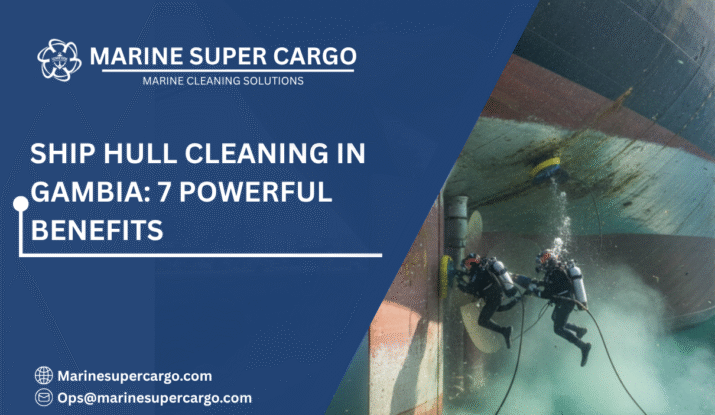
Ship hull cleaning in Gambia is becoming a cornerstone of efficient maritime operations along West Africa’s coast. As global trade continues to pass through the Port of Banjul, the country’s gateway to the Atlantic, clean hulls are vital for smooth sailing and cost-effective voyages. The process focuses on removing biofouling—marine growth such as algae, barnacles, and slime—from the hull’s surface.
By ensuring ships glide through water efficiently, hull cleaning helps reduce fuel consumption, lower emissions, and extend the vessel’s life. In short, ship hull cleaning in Gambia is more than maintenance—it’s an investment in performance, compliance, and sustainability.
Why Ship Hull Cleaning in Gambia Matters for Every Vessel
When you think of ship hull cleaning in Gambia, imagine it as giving your vessel a new breath of life. As marine organisms accumulate over time, they increase drag and resistance, forcing engines to work harder. This directly affects your fuel bills and voyage efficiency. Regular hull cleaning keeps ships smooth, minimizing resistance and maximizing performance.
The Port of Banjul, though small, plays a critical role in regional trade, and vessels entering or leaving benefit significantly from staying biofouling-free. Ultimately, ship hull cleaning in Gambia ensures that your operations remain fuel-efficient, eco-friendly, and fully compliant with international standards.
Understanding the Science Behind Hull Cleaning
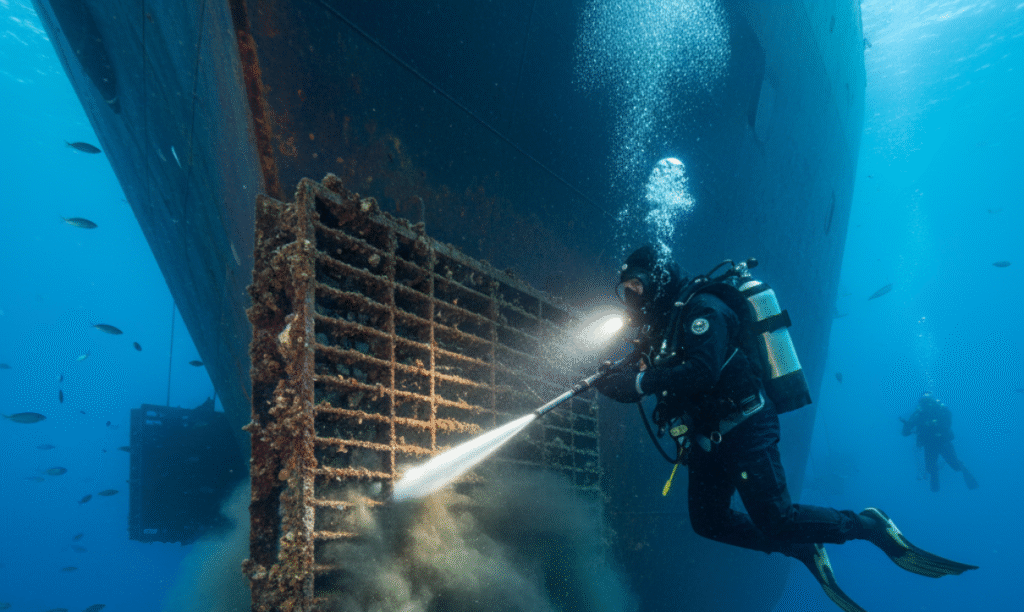
Ship hull cleaning in Gambia relies on both science and technique. Marine growth acts like sandpaper against the water, reducing hydrodynamic efficiency. The cleaning process uses divers or remote-operated vehicles (ROVs) equipped with specialized brushes, scrapers, or water jets. These tools remove biofouling while protecting the anti-fouling coating underneath. Waste particles are carefully contained to avoid polluting nearby waters.
This balance between efficiency and environmental care ensures compliance with guidelines from organizations like IMO and IMCA. By maintaining clean hulls, ships achieve better speed, reduced maintenance downtime, and longer coating lifespan—all critical to maritime success. Learn about Underwater ship hull cleaning in Egypt.
Environmental Impact of Ship Hull Cleaning in Gambia
Environmental protection lies at the heart of ship hull cleaning in Gambia. Biofouling doesn’t just affect fuel efficiency; it can also transfer invasive species across ports, disrupting local marine ecosystems. By cleaning hulls regularly, ships reduce this biological risk and help preserve Gambia’s fragile marine biodiversity.
Moreover, less drag means less fuel burned, translating into fewer greenhouse gas emissions. Aligning with the MARPOL Convention, Gambia’s hull cleaning practices aim to promote green maritime operations. To learn more about these standards, explore the MARPOL Convention guidelines that shape sustainable shipping globally.
“Marine cleaning, anytime. Anywhere. 🌊 #GlobalMarine”#shipping #maritime #ship #cruises #sealife #port #shipping #marine #captain #vessel #ships #cargo pic.twitter.com/GgKTqEMETK
— Marine Super Cargo (@Marinsupercargo) October 4, 2025
Economic and Operational Advantages
Beyond environmental benefits, ship hull cleaning in Gambia delivers undeniable economic value. Clean hulls reduce operational costs by improving fuel efficiency—often cutting consumption by 10–15%. This directly boosts profitability, especially for commercial and cargo vessels navigating long routes. Furthermore, a clean hull enhances speed and maneuverability, reducing strain on engines and propellers.
Ships also spend less time docked for maintenance, minimizing downtime and maximizing revenue-generating voyages. In competitive maritime operations, efficiency equals profitability, and ship hull cleaning in Gambia ensures every vessel performs at its best capacity without unnecessary energy waste. Also read about underwater ship hull cleaning in Moroni.
Regulatory Compliance and International Standards
Adhering to international maritime standards is essential for global trade, and ship hull cleaning in Gambia ensures full compliance. Regulatory frameworks from the International Maritime Organization (IMO) and International Marine Contractors Association (IMCA) guide safe and sustainable cleaning practices. These protocols regulate how biofouling waste should be collected and disposed of responsibly.
Compliance isn’t just about avoiding fines—it’s about protecting ocean ecosystems and maintaining professional integrity. By following such standards, ship owners and operators demonstrate environmental accountability while ensuring that vessels meet inspection requirements in any international port.
Innovative Technologies in Hull Cleaning
Modern ship hull cleaning in Gambia is driven by technology. Advanced underwater robots, cameras, and sensors now replace much of the manual diving work. These innovations make inspections faster, safer, and more precise. Robotic cleaning systems can map fouling levels and remove marine growth with minimal hull contact, preserving protective coatings.
Some companies even use AI-based software to predict fouling buildup and schedule timely maintenance. This smart, data-driven approach ensures ships remain efficient year-round. The combination of automation and sustainability marks a new era for hull cleaning in Gambia and beyond. Also, know about underwater ship hull cleaning in Mutsamudu.
Challenges Facing Ship Hull Cleaning in Gambia
Despite its progress, ship hull cleaning in Gambia faces several operational hurdles. Limited access to high-end equipment and trained divers can slow down service quality compared to larger ports. Waste management infrastructure also needs improvement to ensure zero marine contamination.
Furthermore, weather conditions and tidal variations in the Port of Banjul can affect cleaning schedules. However, these challenges are being addressed through partnerships with international marine service providers like CleanShip.co, who bring global expertise to local waters. With better tools and training, Gambia’s hull cleaning industry continues to strengthen each year. Read more about Underwater ship hull cleaning in Congo.
Marine Supercargo Expands Services: Drug & Alcohol Testing for Safer Seas
Marine Supercargo, a global leader in marine services, has recently broadened its offerings beyond ship hull cleaning in Gambia. The company now provides professional Drug & Alcohol Testing services, promoting safety and compliance across international fleets. These programs help ship owners and operators ensure crew fitness, reduce accident risks, and comply with maritime safety regulations.
By integrating these tests into vessel management systems, Marine Supercargo enhances operational reliability and accountability. The initiative supports IMO safety goals and fosters a culture of responsibility at sea—because clean hulls and sober crews together define safer, smarter marine operations.
Future Trends in Ship Hull Cleaning in Gambia
The future of ship hull cleaning in Gambia lies in innovation and sustainability. Robotic cleaning systems will continue to evolve, reducing human intervention and improving precision. Eco-friendly antifouling coatings are being developed to prevent biofouling naturally, decreasing cleaning frequency. Data analytics and real-time hull monitoring are expected to play a larger role in preventive maintenance.
As Gambia expands its maritime infrastructure and strengthens partnerships with neighboring ports, hull cleaning services will become more advanced and accessible. This evolution reflects a global maritime shift—toward cleaner, greener, and more efficient ship maintenance practices. Learn more about Underwater ship hull cleaning in Djibouti.

Conclusion: Key Takeaways and Call to Action
Ship hull cleaning in Gambia is far more than a maintenance routine—it’s a powerful step toward sustainable, efficient, and compliant maritime operations. First, it improves performance and saves fuel costs. Second, it ensures compliance with international environmental laws. Third, it supports long-term vessel health and safety.
To keep your ships in optimal condition, collaborate with trusted global providers like CleanShip.co, who combine advanced technology with eco-conscious practices. With the right approach, every voyage can be faster, safer, and more sustainable—anchored in the principles of clean, efficient maritime management.
FAQs:
Q1. What is ship hull cleaning in Gambia?
It’s the process of removing marine growth and biofouling from a ship’s hull to improve speed, reduce drag, and increase fuel efficiency.
Q2. Why is regular hull cleaning important?
Frequent cleaning lowers fuel consumption, prevents invasive species transfer, and ensures compliance with maritime safety and environmental standards
Q3. How often should ship hull cleaning be performed?
Typically, every 3–6 months, depending on vessel type, water conditions, and biofouling buildup levels.
Q4. What is Marine Supercargo’s Drug & Alcohol Testing service?
It ensures crew fitness and safety by screening for substance use, helping vessels comply with IMO and maritime safety regulations.
Q5. How do CleanShip.co and other global platforms support this process?
They offer expert, eco-friendly hull cleaning solutions and compliance support to optimize vessel performance and environmental responsibility.