Hull Cleaning in Eritrea: The Complete Guide
Hull cleaning in Eritrea is a critical operation for ship owners and operators seeking optimal performance, safety, and compliance. A clean hull reduces friction, improves speed, and lowers fuel consumption, directly impacting operational costs. With busy ports along the Red Sea, maintaining a vessel’s hull is vital to avoid delays, fines, and environmental risks.
In this guide, we explore everything you need to know about hull cleaning in Eritrea, including techniques, regulatory compliance, environmental benefits, cost savings, and innovative trends, providing a comprehensive understanding for efficient maritime management.
Why Regular Hull Cleaning in Eritrea is Essential
Regular hull cleaning in Eritrea prevents the buildup of marine organisms, which can significantly increase drag and fuel consumption. Biofouling can compromise vessel performance, leading to higher operating costs and delayed schedules. Consistent cleaning also protects the hull’s protective coatings from corrosion and structural damage.
By maintaining a routine cleaning schedule, ship owners can ensure compliance with MARPOL and IMO regulations while enhancing operational efficiency. A well-kept hull translates to smoother voyages, better fuel economy, and longer vessel lifespan, making hull cleaning in Eritrea a critical aspect of smart maritime operations.
Modern Techniques for Hull Cleaning in Eritrea
Hull cleaning in Eritrea employs a range of modern techniques such as underwater brushing, high-pressure water jets, and robotic cleaning systems. Divers use precise underwater methods to remove marine growth without dry-docking, saving both time and money. Robotic systems allow for consistent cleaning while protecting anti-fouling coatings from damage.
The choice of technique depends on hull type, coating, and fouling levels. By integrating advanced technology with skilled labor, hull cleaning in Eritrea maximizes operational efficiency, reduces downtime, and maintains vessels in excellent condition, supporting both environmental and financial objectives.

Environmental Advantages of Hull Cleaning in Eritrea
Hull cleaning in Eritrea is crucial for environmental protection. Biofouling can introduce invasive species that disrupt local marine ecosystems. Regular cleaning reduces this risk, helping preserve biodiversity. Additionally, a smooth hull reduces fuel consumption and carbon emissions, contributing to cleaner oceans. Eco-friendly cleaning techniques minimize the release of harmful chemicals into the water, ensuring compliance with international regulations.
By adopting sustainable practices, ship owners demonstrate environmental responsibility while maintaining efficient operations. Hull cleaning in Eritrea is thus both a compliance measure and a proactive approach to protecting marine life and reducing the maritime carbon footprint. Also read about underwater ship hull cleaning in Moroni.
Cost Benefits of Hull Cleaning in Eritrea
Hull cleaning in Eritrea offers significant cost advantages. A clean hull reduces drag, resulting in better fuel efficiency and lower operating costs. It also prevents corrosion, extending the lifespan of the vessel and reducing maintenance expenses. Avoiding unnecessary dry-docking saves time and money, while scheduled cleaning ensures predictable operational costs.
By implementing a proactive hull cleaning strategy, ship operators can maximize performance and compliance while protecting their financial interests. Investing in hull cleaning in Eritrea is not just a maintenance choice but a strategic decision for long-term cost savings and operational efficiency. Also, know about underwater ship hull cleaning in Mutsamudu.
“Marine cleaning, anytime. Anywhere. 🌊 #GlobalMarine”#shipping #maritime #ship #cruises #sealife #port #shipping #marine #captain #vessel #ships #cargo pic.twitter.com/GgKTqEMETK
— Marine Super Cargo (@Marinsupercargo) October 4, 2025
Compliance and Regulatory Standards
Hull cleaning in Eritrea must adhere to international maritime regulations, including MARPOL, IMO standards, and local environmental laws. Compliance prevents invasive species transfer, reduces pollution, and avoids hefty fines or operational delays. Non-compliance can lead to legal penalties and reputational damage. Platforms like CleanShip.co provide guidance on proper procedures and ensure that cleaning operations meet all regulatory requirements.
By understanding and following these regulations, ship owners can maintain safe, environmentally responsible operations while protecting their vessels and crews, making hull cleaning in Eritrea both a legal and operational necessity. Read more about Underwater ship hull cleaning in Congo.
Technological Innovations in Hull Cleaning
Hull cleaning in Eritrea is rapidly advancing with technology. Underwater drones, smart sensors, and eco-friendly cleaning agents now make cleaning more efficient and less damaging. Robotic cleaners remove marine growth precisely, protecting coatings and reducing human risk. Predictive maintenance systems allow operators to schedule cleaning proactively, minimizing downtime.
As technology evolves, hull cleaning in Eritrea becomes faster, safer, and more sustainable. Staying ahead with technological solutions enhances vessel performance, ensures compliance, and reduces environmental impact, making modern innovations essential for any maritime operation. Learn more about Underwater ship hull cleaning in Djibouti.
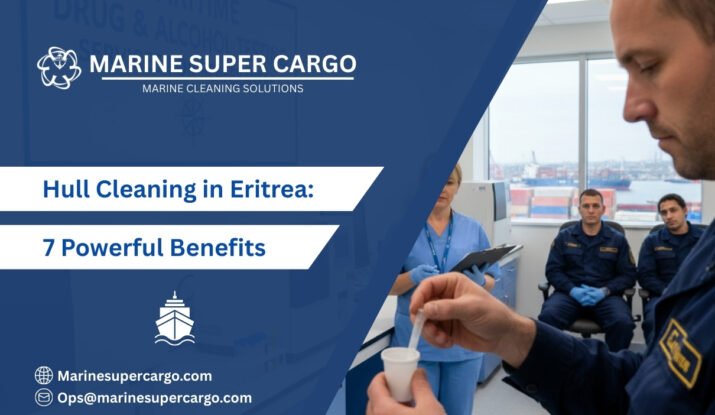
Marine Supercargo Expands Services: Drug & Alcohol Testing for Safer Seas
Marine Supercargo, a leading global marine cleaning platform, now offers professional Drug & Alcohol Testing services. This initiative helps ship owners, operators, and managers maintain crew safety and adhere to international maritime regulations. Drug and alcohol impairments can jeopardize vessel operations, leading to accidents, delays, and regulatory violations.
Regular testing ensures that crew members remain fit for duty, enhancing safety, operational efficiency, and compliance. By integrating these services with hull cleaning, Marine Supercargo provides comprehensive solutions that protect vessels, cargo, and crews, reinforcing a culture of safety and accountability on board. Learn about Underwater ship hull cleaning in Egypt.
Future Trends in Hull Cleaning in Eritrea
Future trends in hull cleaning in Eritrea include automation, sustainability, and predictive maintenance. Advanced robotic systems, eco-friendly coatings, and real-time monitoring are set to revolutionize maintenance practices. Digital solutions allow precise scheduling, reducing fuel usage and maintenance costs. These innovations minimize human risk and maximize compliance with IMO and MARPOL standards.
Ship owners who adopt these trends will enjoy lower operating costs, improved vessel efficiency, and reduced environmental impact. Embracing technological advancements ensures that hull cleaning in Eritrea remains effective, sustainable, and ready for future maritime challenges.
Safety Measures During Hull Cleaning
Safety is critical during hull cleaning in Eritrea. Divers and technicians face risks such as underwater hazards, strong currents, and chemical exposure. Proper training, certified safety gear, and emergency procedures are essential. Platforms like CleanShip.co emphasize adherence to safety protocols and international standards.
Ensuring the health and safety of crew members during hull cleaning not only protects human lives but also enhances operational efficiency and regulatory compliance. Prioritizing safety ensures that hull cleaning in Eritrea is conducted professionally, minimizing risks while maintaining high operational standards.
Choosing the Right Hull Cleaning Service Provider
Selecting a reliable service provider for hull cleaning in Eritrea requires evaluating experience, technology, and compliance records. Look for companies with certified divers, advanced cleaning equipment, and a proven track record of following MARPOL and IMO guidelines. Transparent pricing, reporting, and eco-friendly practices are additional considerations.
Platforms like CleanShip.co offer comprehensive, flexible, and professional solutions. Partnering with the right provider ensures that hull cleaning in Eritrea is efficient, safe, environmentally responsible, and compliant. Informed decisions maximize performance, reduce maintenance costs, and support smooth maritime operations.

Conclusion: Key Takeaways
Hull cleaning in Eritrea is essential for efficiency, compliance, and environmental stewardship. Regular cleaning reduces drag, fuel consumption, and operational costs while preserving hull integrity. Innovations like robotic cleaners, eco-friendly techniques, and drug and alcohol testing enhance safety, performance, and compliance. Choosing a reliable service provider ensures professional, sustainable, and effective operations.
Prioritizing hull maintenance safeguards vessels, protects crews, and supports maritime efficiency. Explore CleanShip.co for expert services and ensure your fleet operates at peak performance while adhering to global standards, safeguarding both your investment and the environment.
FAQs:
Q1. Why is drug and alcohol testing important for ship crews?
Drug and alcohol testing ensures crew members are fit for duty, reducing accident risks, regulatory violations, and delays. It promotes safety and compliance with maritime standards.
Q2. How often should hull cleaning be performed?
Frequency depends on vessel type, operational waters, and biofouling. Cleaning every 6–12 months maintains efficiency, fuel savings, and compliance with environmental regulations.
Q3. Can hull cleaning reduce fuel costs?
Yes, cleaning removes marine growth that increases drag, improving fuel efficiency, lowering operational expenses, and enhancing overall vessel performance.
Q4. Are underwater cleaning methods safe for hull coatings?
Modern methods like robotic cleaning and low-pressure jets protect anti-fouling coatings while removing biofouling. Certified divers and protocols ensure safe and effective cleaning.
Q5. What environmental benefits does hull cleaning offer?
Hull cleaning prevents invasive species spread, lowers fuel use and emissions, and reduces chemical discharge, helping preserve marine ecosystems and comply with regulations.